
Login
Login
- Popular Categories
- Shop By Brand
- Tool Accessories
- Air Compressor
- Hand Tools
- Laser Levels
- Mechanical Workshop
- Pressure Washers
- Welding
- Chainsaws
- Lawn Mowers
- Whipper Snippers
- Categories
- Adhesives & Sealants
- Air Tools
- Diamond Tools
- Fans
- Fasteners
- Generators
- Ladders
- Lubricants & Chemicals
- Power Garden
- Safety Equipment
- Scaffold
- Silica Dust Solutions
- Storage
- Test - Measure - Locate
- Transportation & Lifting
- Vacuum & Dust Extractors
- Water Pumps
Electrical / Multimeters
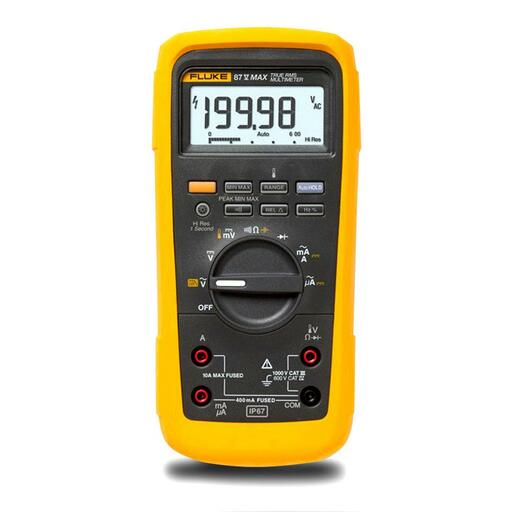
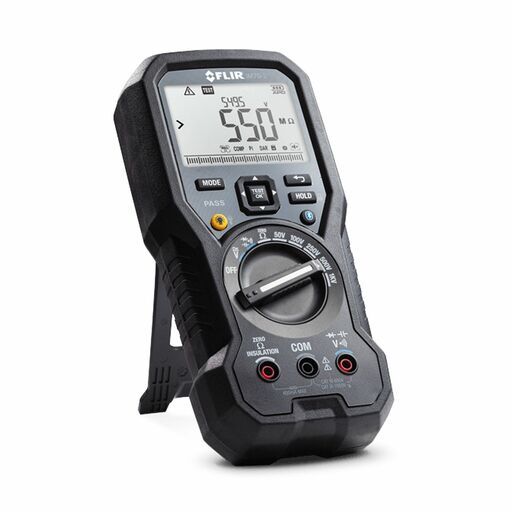
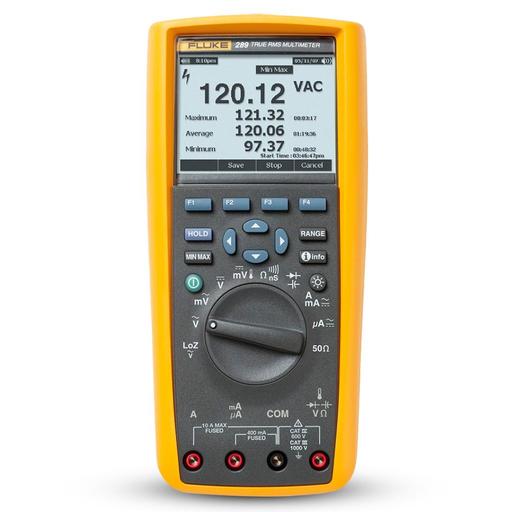
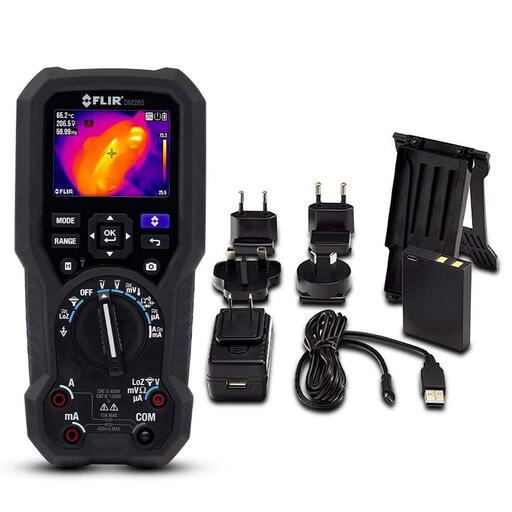
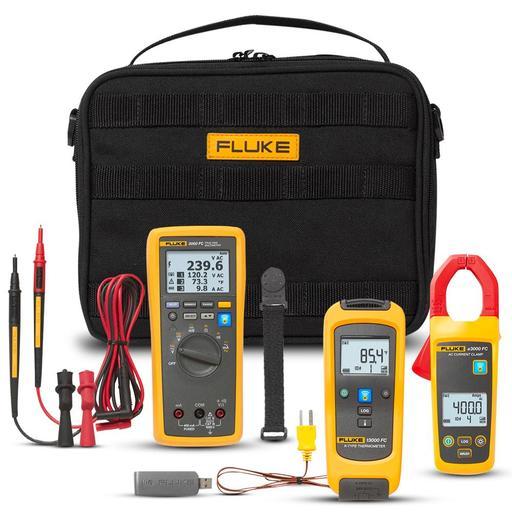
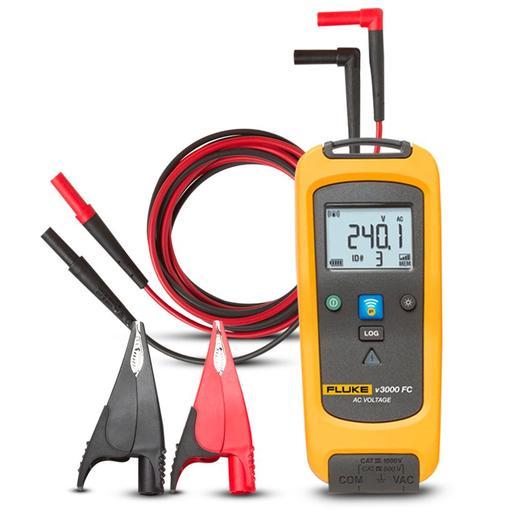
Multimetre s are handheld electrical test instruments widely used in trade, workshop, industrial and DIY settings to measure voltage, current and resistance in circuits and components. By combining several measurement functions into a single unit, these versatile devices allow technicians to troubleshoot, verify and diagnose electrical systems safely and accurately. Whether checking a simple household outlet or analysing a complex industrial control panel, a digital multimeter is an essential tool for reliable electrical testing.




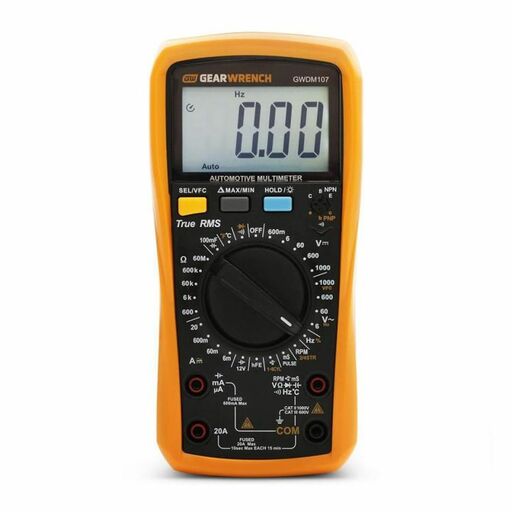
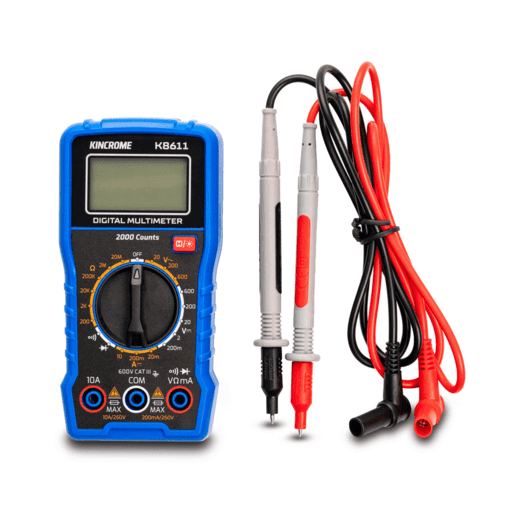

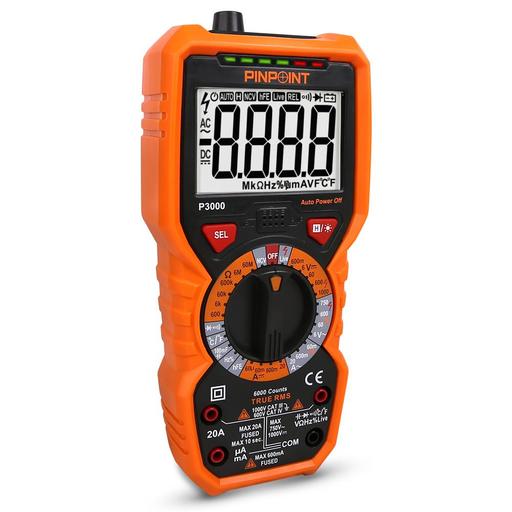


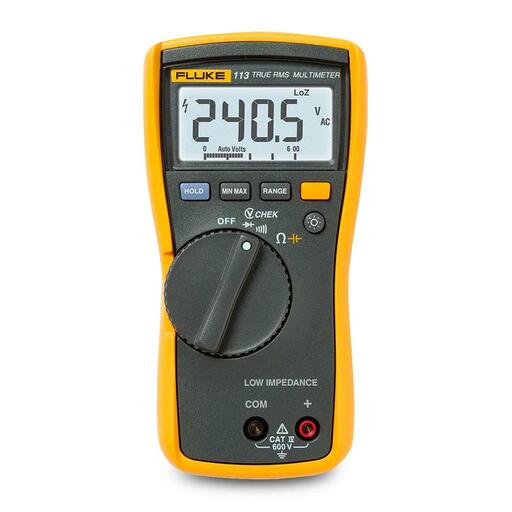


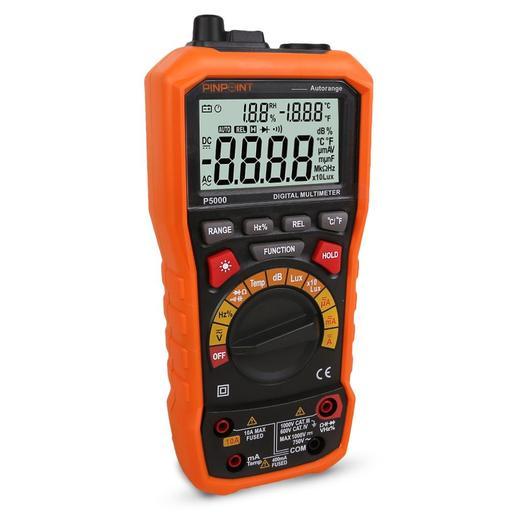


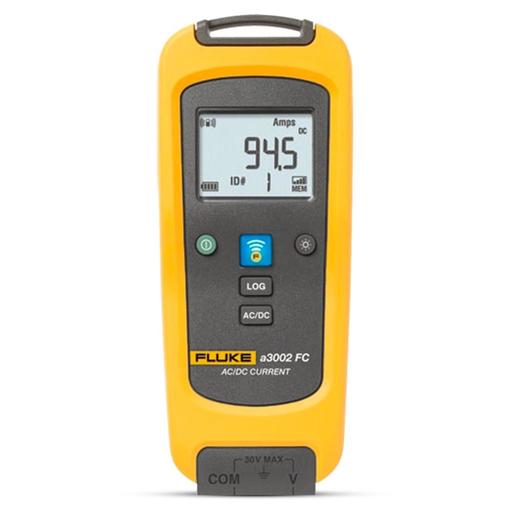













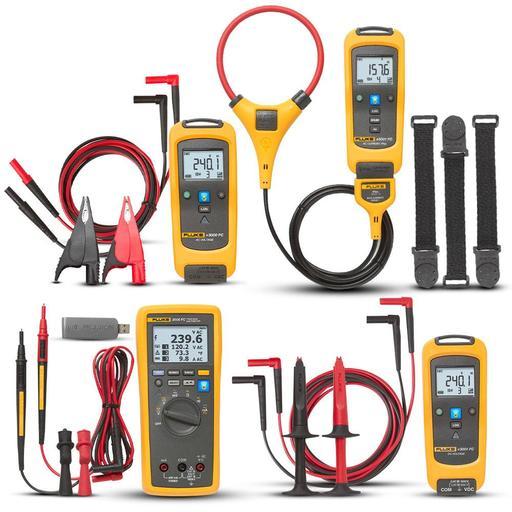


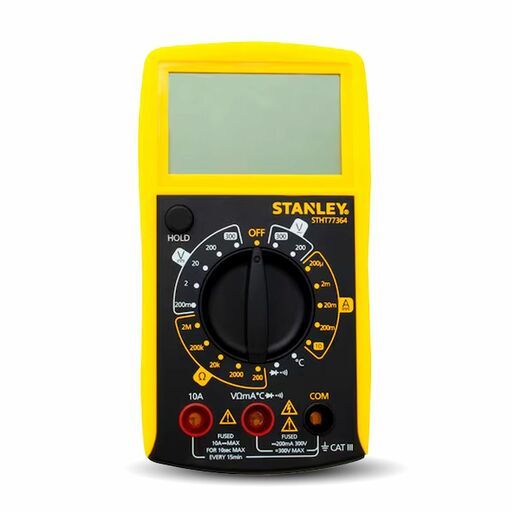
Common Situations Where Multimetre s Are Used
Multimetre s are applied whenever electricians, technicians and mechanics need to:
- Test circuit continuity
- Check battery health
- Identify AC or DC voltage levels
- Detect faults in wiring
- Confirm component functionality
From diagnosing a broken connection in a workshop tool to verifying correct voltage supply during installation, both basic and advanced multimetre s support routine diagnosis, installation verification and preventative maintenance across electrical and electronic systems. They are equally valuable in automotive work, appliance repair and industrial fault-finding tasks.
Key Functional and Specification Considerations
When selecting a multimetre , it’s important to evaluate the features that match your intended tasks:
- Measurement Range - Ensure the meter supports suitable AC and DC voltage, current and resistance ranges for the systems you plan to test. Industrial environments often require higher voltage ratings than light DIY use.
- Resolution and Accuracy - Higher resolution and tighter accuracy specifications provide more reliable readings, particularly when working with sensitive electronic components or low-current circuits.
- Input Protection - Quality multimetre s include overload protection, fused current inputs and appropriate CAT (category) safety ratings to safeguard both the user and the instrument during high-energy measurements.
- Display Clarity - A clear digital display with good backlighting improves readability in dim switchboards, workshops or outdoor conditions.
- Additional Features - Auto-ranging for simplified operation, Data hold functions, Continuity alerts with audible beeps, Temperature measurement, Min/max recording.
Safe Operation and Ongoing Care Practices
To ensure safe and accurate operation:
- Choose a multimetre rated for the voltage and current levels you expect to measure.
- When unsure of the value, begin with the highest measurement range and work downward.
- Observe correct probe placement and polarity when measuring DC circuits.
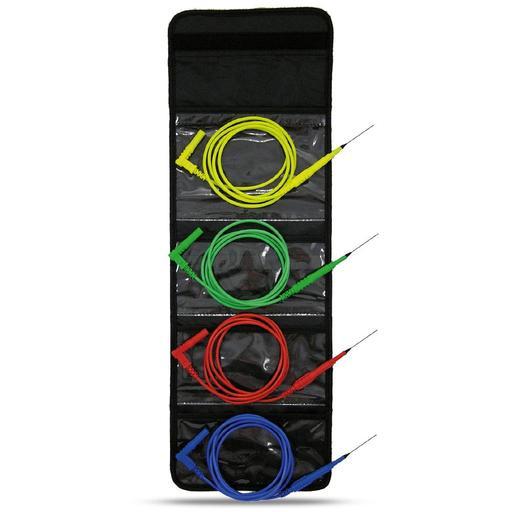
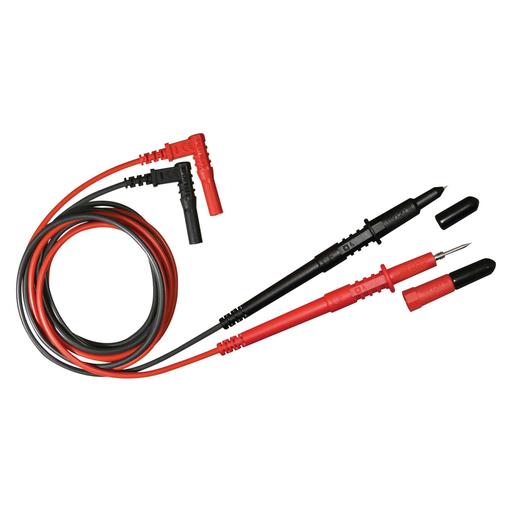
- Inspect test leads for cracks, exposed conductors or loose connectors before use.
For long-term reliability:
- Keep the device clean and free from dust and debris.
- Avoid exposure to moisture, extreme heat or impact.
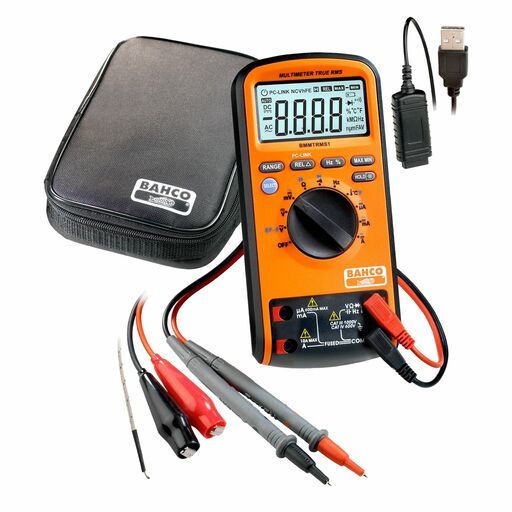
- Store the multimetre in a protective case when not in use.
- Replace batteries promptly to prevent leakage damage.
- Repair or replace damaged leads or internal fuses as required.
Routine care helps maintain accuracy, extend service life and ensure safe performance in demanding work environments.
Why Buy Multimetre s from Sydney Tools
At Sydney Tools offers a wide range of multimetre s suited to trade, workshop and industrial electrical testing tasks. Whether your after Multifunction Testers, Insulation Testers, Test Leads or Thermal Imaging, here at Sydney Tools we have it all. With competitive pricing and access to both in-store and online support, customers can confidently select the right meter for their diagnostic and measurement needs.
Frequently Asked Questions (FAQs)
What are the differences between basic and advanced multimetre models?
Basic models typically measure voltage, current and resistance, making them suitable for general testing. Advanced models may include additional functions such as frequency measurement, capacitance testing, temperature probes, data logging and enhanced safety ratings for industrial applications.
How do I choose the correct measurement range for a specific electrical task?
Select a range higher than the expected value. If unsure, start at the highest setting and reduce gradually until a stable, accurate reading is displayed.
Can multimetre s measure both AC and DC signals, and how does this influence use?
Most modern multimetre s measure both AC and DC voltage and current. This versatility allows them to be used on household mains power (AC), batteries and automotive systems (DC), and mixed electronic circuits.
What safety features should I look for in a multimetre for high-voltage work?
Look for appropriate CAT safety ratings (such as CAT III or CAT IV), fused current inputs, overload protection and robust internal insulation to protect against electrical surges.
How often should I calibrate a multimetre for accurate results?
For professional or industrial use, annual calibration is commonly recommended. DIY users may calibrate less frequently, but should test accuracy periodically against a known reference.
What do continuity and resistance tests tell me about a circuit?
Continuity tests confirm whether a complete electrical path exists, while resistance measurements indicate how much a component or conductor opposes current flow. These tests help identify broken wires, poor connections or faulty components.
Are clamp multimetre s better than standard multimetre s for current measurement?
Clamp multimetre s allow current measurement without breaking the circuit, making them safer and more convenient for high-current applications. Standard multimetre s require series connection for current measurement.
Can a multimetre diagnose faults in automotive electrical systems?
Yes. multimetre s are commonly used to test vehicle batteries, alternator output, fuses, wiring integrity and sensor voltages in automotive systems.
How should I store and transport my multimetre to protect it?
Store it in a protective case, keep it dry and avoid dropping or crushing it during transport.
What precautions are necessary to avoid damaging the meter during measurement?
Always use the correct input terminals, never exceed rated limits, verify the function selector is set correctly before connecting probes, and ensure test leads are in good condition.
Test Electrical Systems with Confidence
Diagnose electrical problems quickly with the right testing equipment. Browse the full range of digital multimeter and electrical multimeter options at Sydney Tools, or visit your nearest store for expert advice and dependable electrical diagnostic tools.


