
Login
Login
- Popular Categories
- Shop By Brand
- Tool Accessories
- Air Compressor
- Hand Tools
- Laser Levels
- Mechanical Workshop
- Pressure Washers
- Welding
- Chainsaws
- Lawn Mowers
- Whipper Snippers
- Categories
- Adhesives & Sealants
- Air Tools
- Diamond Tools
- Fans
- Fasteners
- Generators
- Ladders
- Lubricants & Chemicals
- Power Garden
- Safety Equipment
- Scaffold
- Silica Dust Solutions
- Storage
- Test - Measure - Locate
- Transportation & Lifting
- Vacuum & Dust Extractors
- Water Pumps
Adhesives & Sealants
Adhesives and sealants are chemical compounds used to bond surfaces together or seal joints and gaps, to assist in preventing air, water or other substances.
Adhesives are primarily used for bonding materials as they offer stronger, more permanent joins. Whereas sealants are used to fill gaps and seal joints allowing flexibility.




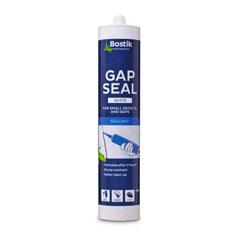


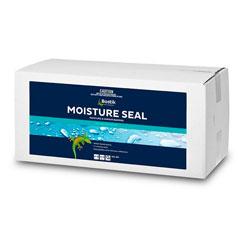
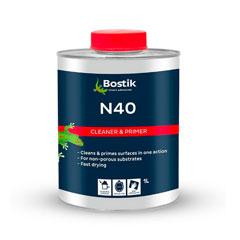

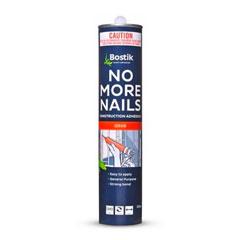




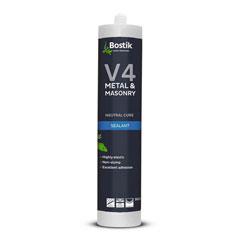

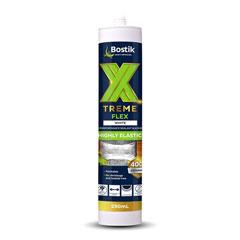


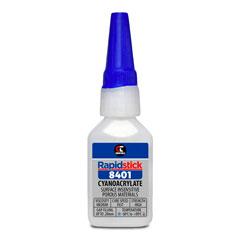
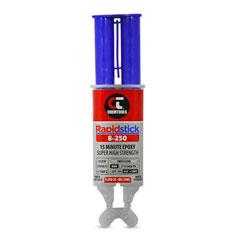

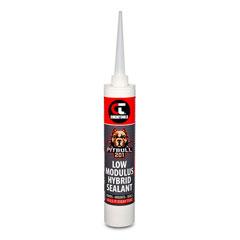
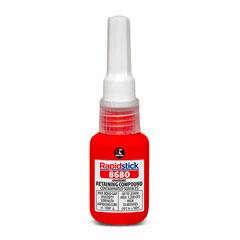
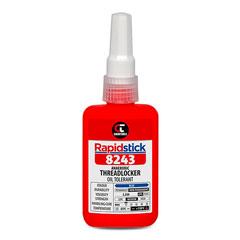
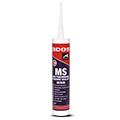
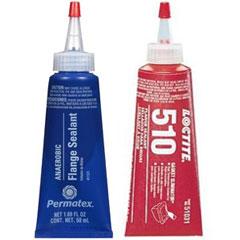
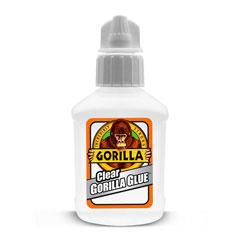
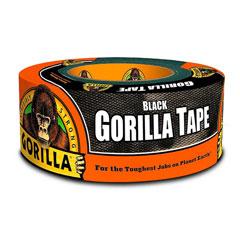
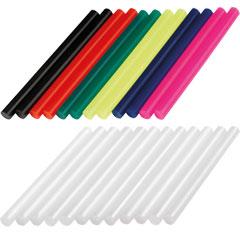


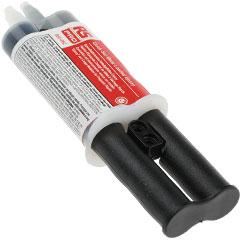
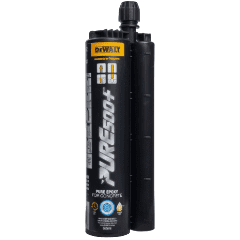
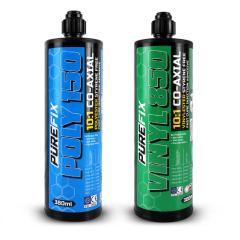


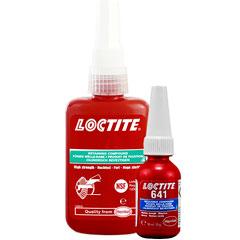


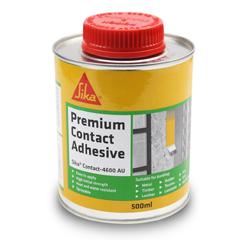
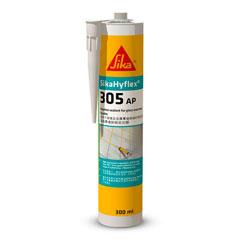
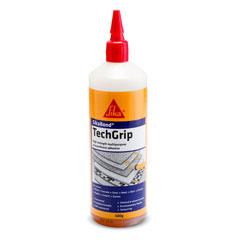
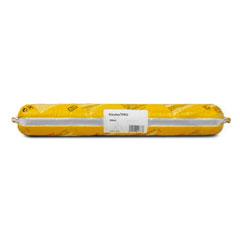


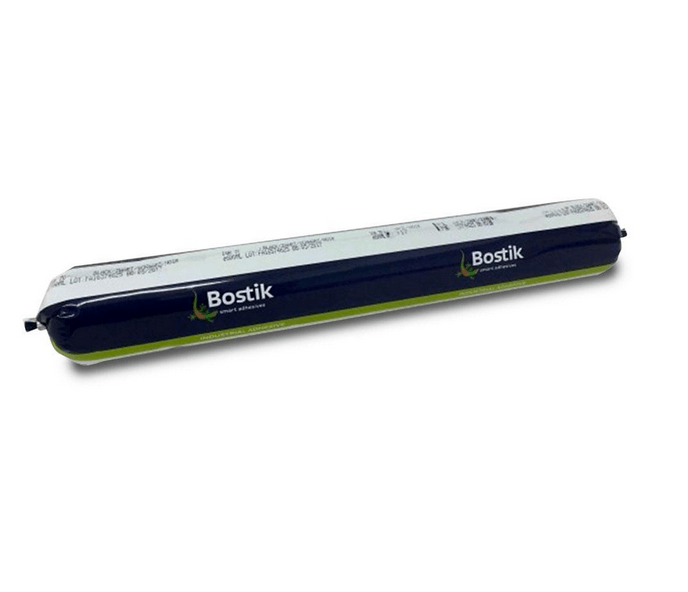
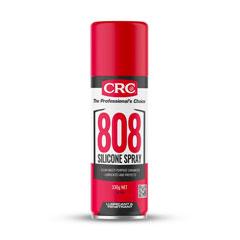
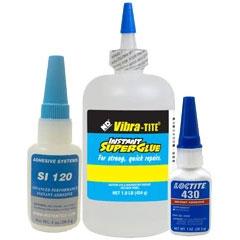

Benefits of Using the Right Adhesive or Sealant
There are many benefits when choosing the right adhesive or sealant, for instance:
- Stronger bonds ensure security and a lasting connection between materials.
- Flexibility enhanced sealants offer elasticity that accommodates expansion without cracking.
- Resistance to environmental conditions, special products provide resistance to outdoor conditions such as UV exposure.
- Using long lasting products will help prevent premature failures and reduce the need for repairs
- Incorrect adhesives or sealants can lead to cracking, peeling and structural compromise. When selecting the right one it will lower the risk of failure.
- Correct formulation results in neater joints, smooth surfaces and paintable finishes.
Types of Adhesives and Sealants (by Application)
Different projects require different bonding solutions for instance:
Adhesives:
1. Epoxy Adhesives
- Two part system that cures and forms a high strength bond
- Ideal for bonding metal, stone, concrete, and wood
- Benefits: Extremely Strong, heat and chemical resistance
2. Polyurethane Adhesives
- Moisture-curing adhesives with strong, flexible bonds.
- Used in construction, flooring, panel bonding, and outdoor projects.
- Benefits: Water- and weather-resistant, flexible, good for dissimilar materials.
3. Contact Adhesive
- Water based adhesive
- Laminates, veneers, rubber, leather, and plastics.
- Benefits: Instant bond, high initial strength, great for large surface areas.
4. PVA (Polyvinyl Acetate) Glue
- Common white or wood glue used for porous materials.
- Woodworking, crafts, furniture assembly.
- Benefits: Easy to use, non-toxic, dries clear, cost-effective.
5. Cyanoacrylate (Super Glue)
- Fast-acting, single-component adhesive.
- Small repairs, plastics, rubber, ceramics, and electronics.
- Benefits: Bonds in seconds, strong on small surface areas, ideal for precision work.
Sealants:
- Flexible, waterproof, and UV-resistant sealants.
- Bathrooms, kitchens, glazing, and exterior joints.
- Benefits: Excellent moisture and temperature resistance, long-lasting flexibility.
2. Acrylic Sealants
- Paintable and easy to clean up; water-based.
- Interior joints, gaps in trim, skirting boards, and plasterwork.
- Benefits: Cost-effective, paintable, suitable for indoor use.
3. Hybrid Polymer Sealants
- Combination of silicone and polyurethane technologies.
- All-purpose construction sealing and bonding, including wet surfaces.
Benefits: Paintable, UV- and weather-resistant, low VOCs, excellent adhesion.
4. Polyurethane Sealants
- Strong, flexible sealants for high-stress joints.
- Concrete joints, expansion joints, roofing, and civil construction.
- Benefits: Tough, flexible, great adhesion, good abrasion resistance.
Key Features to Consider
It is important to consider a range of specifications to ensure the product meets your needs. Here are key features to consider:
- Drying/Curing Time
- The time it will take for the adhesive or sealant to become tack-free and maximum strength
- Fast drying options are ideal for quick repairs while longer curing times are necessary for heavy duty applications.
- Flexibility
- Indicate how the product can accommodate to movement or vibration
- Best for materials that expand or where joints move (e.g. windows, doors)
- Strength
- Adhesives prioritise bonding strength while sealants focus on gap-filling and flexibility
- High strength adhesives are ideal for structural or load bearing applications
- Weather and UV Resistance
- Protection against moisture, temperature changes and UV
- Outdoor or exterior application
- Chemical Resistance
- Resistance to oils, acids and other chemicals
- Useful in automotive, or marine environments
- Paintability
- Determines whether the product can be painted over once cured
- Substrate compatibility
- The range of materials the product can bond to
- Not all adhesives or seal;ents work well with every surface
- Application
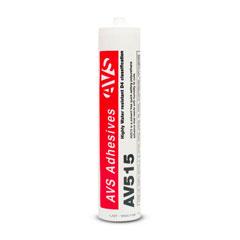
- Cartridge (caulk gun) - precise common for construction
- Tube - Easy to use suitable for small jobs
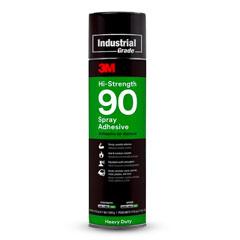
- Spray - fast application for large surfaces
- Two-Part Systems - require mixing and often used in heavy-duty applications
- Interior vs Exterior use
-
-
- Interior use: priorities low odor products, indoor air quality and ease of cleanup
-
-
-
- Exterior use: must be durable, weatherproof and resistant to extreme conditions
-
Understanding Curing Time and Bond Strength
Curing time and bond strength are significant factors that affect how and where an adhesive or sealant can be used.
Curing time is the amount of time required for an adhesive or sealant to fully bond and harden to develop maximum strength. This process can range from a few minutes to days depending on the product, formulator and environment.
Short Curing times allows for faster project turnaround, however it is often used in emergency or temporary repairs. Whereas longer curing times offer ultimate bond strength, and may require larger surface area or structural applications.
Single-Component vs. Two-Component Products
Single Components
- Ready to use out of the packaging, no mixing is required. The curation is triggered by exposure to air, heat or UV.
- Advantages consist of quick to apply, less waste and fewer tools required, no error for incorrect ratios.
- Commonly used for home repairs, caulking around sinks or tubs, used in general construction
- Limitations include lower bond strength and longer cure times.
Two-Component
- Supplied as two separate parts (usually resin and hardener) that must be mixed before use. Chemical curing begins once mixed, forming a very strong, durable bond.
- Advantages include high strength and durability, customisable cure speed depending on formula.
- Commonly used in heavy duty repairs, automotive and marine applications and sealing where extreme conditions are required.
- Limitations are that it is more complex to use, short working time once mixed, may need special applicators or tools.
Applications of Different Adhesives and Sealants
Adhesives and sealants are used across many industries and household projects. Below are common application examples:
Bonding Timber Panels
- Use Case: Gluing wood for cabinetry, furniture, flooring, or panel installation.
- Recommended Products:
- Wood glue (PVA)
- Polyurethane adhesives
- Construction adhesives
Sealing Bathroom Fixtures
- Use Case: Sealing around sinks, bathtubs, showers, and tiles
- Recommended Products:
- Silicone sealants
- Acrylic caulk
Waterproofing Windows and Doors
- Use Case: Sealing gaps and joints around window and door frames
- Recommended Products:
- Hybrid polymer sealants
- Silicone or polyurethane sealants
- Acrylic latex caulk
Repairing Automotive Parts
- Use Case: Bonding metal, plastic, or rubber components
- Recommended Products:
- Epoxy adhesives
- RTV silicone sealants
- Urethane adhesives
Securing Construction Materials
- Use Case: Bonding drywall, masonry, metal, and foam
- Recommended Products:
- Construction adhesives
- Concrete sealants
- Panel adhesives
Why Choose Sydney Tools for Adhesives and Sealants
At Synsy tools we are a trusted well known company that is the perfect destination for both professionals and DIY enthusiasts. We offer a wide range of adhesives and sealants from all your well known brands such as sika, chemtools and many more. Our staff are well knowledgeable and are ready to offer you a helping hand.
Frequently Asked Questions (FAQs)
What is the difference between adhesives and sealants?
Adhesives are used to bond materials together, while providing strength and structural integrity.
Sealants are designed to fill gaps and prevent the passage of air, water, or other substances.
Which type of adhesive is best for bonding metal, wood, or plastic?
- Metal: Epoxy adhesives or polyurethane adhesives
- Wood: PVA wood glue or construction adhesive
- Plastic: Cyanoacrylate (super glue) or plastic-specific epoxy
What are the benefits of using silicone sealant in wet areas?
Silicone sealants are waterproof, flexible, and mold-resistant, making them ideal for bathrooms, and kitchens.
Can I paint over sealant once it’s dry?
Some sealants, like acrylic or paintable hybrid sealants, can be painted over.
How long does it take for adhesive or sealant to cure?
- Fast-set adhesives (e.g., super glue): seconds to minutes
- Epoxies and construction adhesives: several hours to 24+ hours
- Silicone sealants: up to 48 hours
Always check the manufacturer's instructions for exact curing times.
What is the strongest type of adhesive for construction use?
Two-component epoxies and polyurethane construction adhesives are among the strongest, offering high bond strength, durability, and resistance to weather and chemicals.
Are there adhesives or sealants suitable for both indoor and outdoor applications?
Yes. Products like polyurethane sealants, hybrid polymer sealants, and certain construction adhesives are formulated for both interior and exterior use, offering weather resistance and long-term durability.
What’s the difference between a single-component and a two-component adhesive?
- Single-component adhesives are ready to use with no mixing required.
- Two-component adhesives require mixing resin and hardener
Can adhesives or sealants be used on moving or flexible joints?
Yes. Products like silicone, polyurethane, or hybrid sealants are designed to remain flexible and are ideal for expansion joints or areas with vibration or movement.
What brands of adhesives and sealants does Sydney Tools stock?
At Sydney Tools we stock an array of brands from CRC, Sika, Ramset, 3m and many more.


