
Login
Login
- Popular Categories
- Shop By Brand
- Tool Accessories
- Air Compressor
- Hand Tools
- Laser Levels
- Mechanical Workshop
- Pressure Washers
- Welding
- Chainsaws
- Lawn Mowers
- Whipper Snippers
- Categories
- Adhesives & Sealants
- Air Tools
- Diamond Tools
- Fans
- Fasteners
- Generators
- Ladders
- Lubricants & Chemicals
- Power Garden
- Safety Equipment
- Scaffold
- Silica Dust Solutions
- Storage
- Test - Measure - Locate
- Transportation & Lifting
- Vacuum & Dust Extractors
- Water Pumps
Electrical / Test Leads
Test leads are flexible, insulated electrical accessories used to connect measurement instruments to circuits and components during testing and diagnosis. These leads typically feature secure connector terminals and durable insulated cables designed to safely transmit signals between instruments such as multimeters s, Insulation Testers, oscilloscopes and other electrical test equipment.
By providing a reliable link between the instrument and the test point, quality test leads support safe, stable and accurate measurement across a wide range of electrical and electronic applications.
Need some assistance with finding the right electrical test lead kit? Reach out to our friendly team for more information and advice.


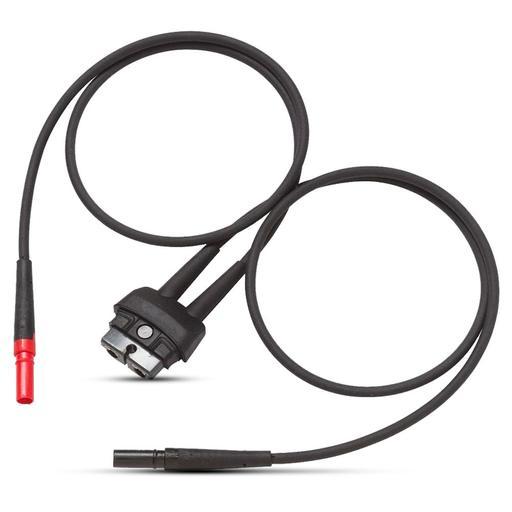


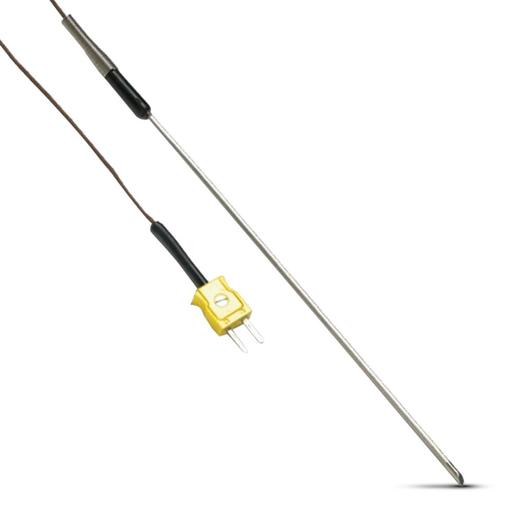


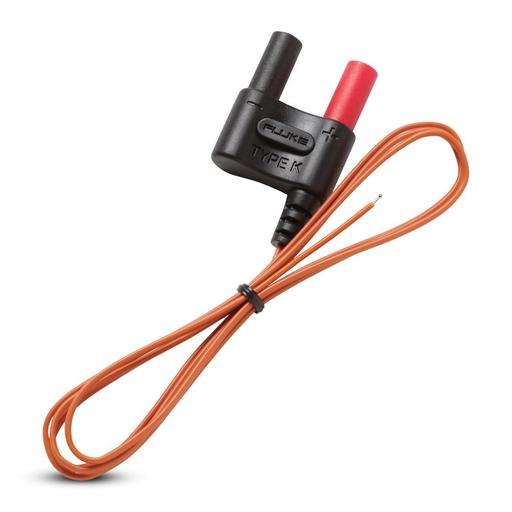
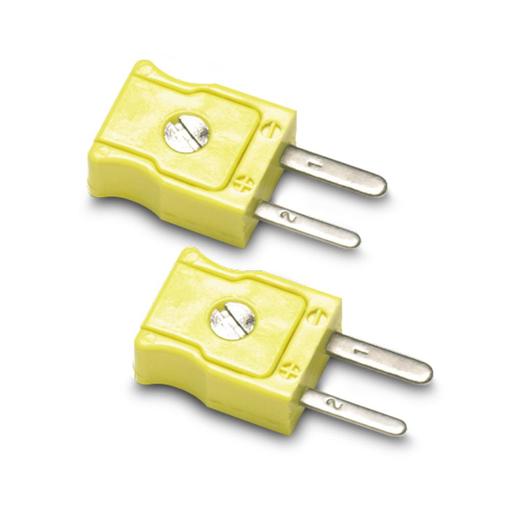


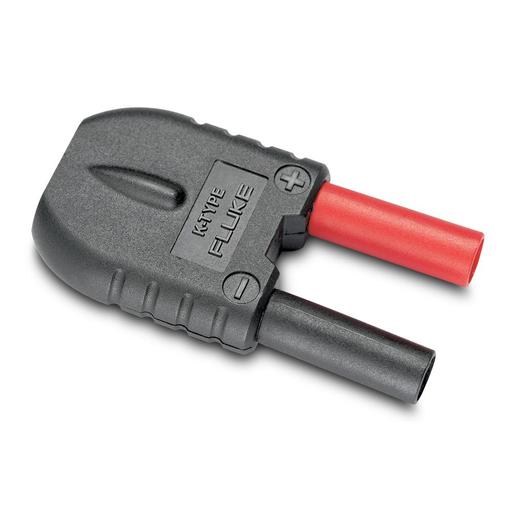
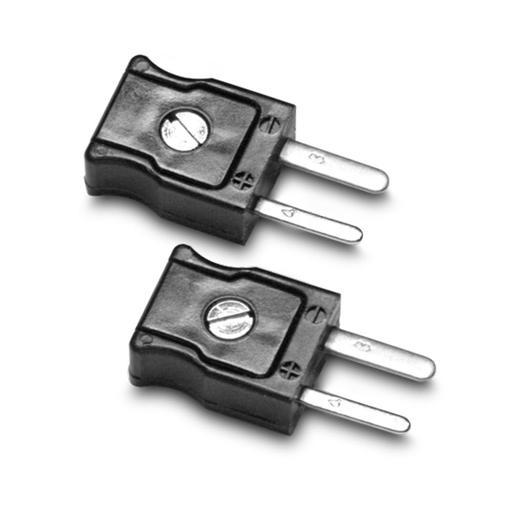


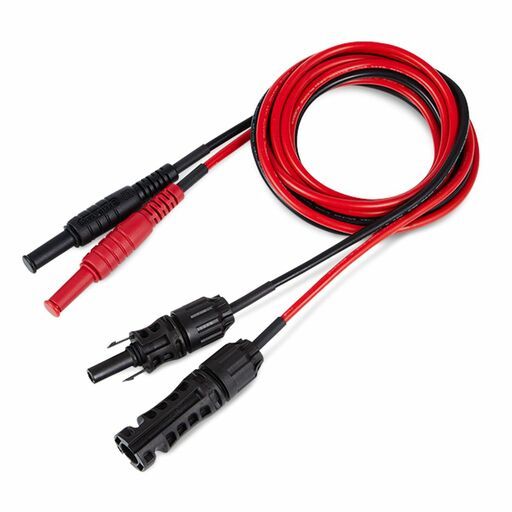

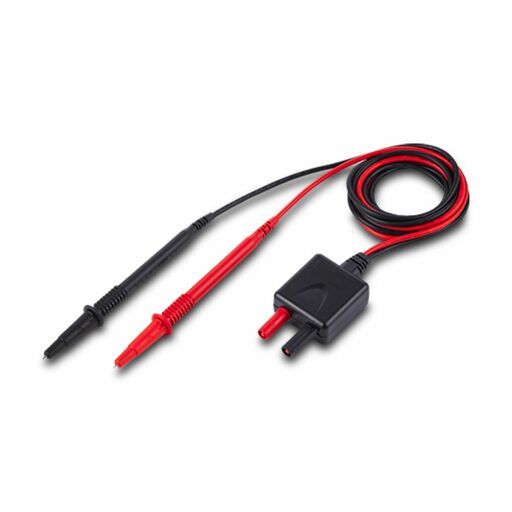


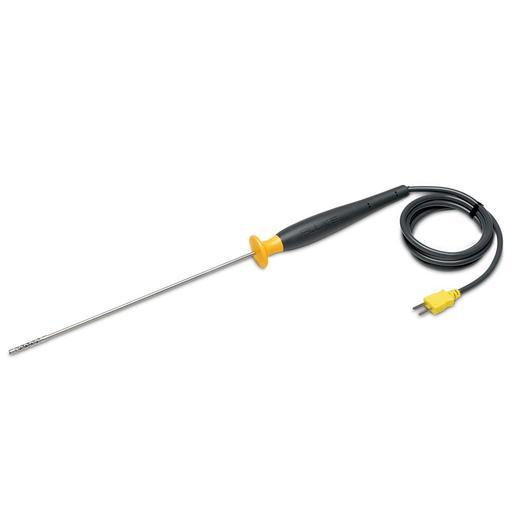


Common Scenarios for Using Test Leads
Test leads are used when electricians, technicians and tradespeople need to measure voltage, current, resistance or continuity within electrical and electronic systems. They are commonly paired with Probes, Voltage Detectors, multimetre s and insulation testers to assist in:
- Diagnosing electrical faults
- Verifying new installations
- Performing routine maintenance checks
- Testing continuity in wiring systems
- Confirming voltage presence or absence before work
Key Design and Performance Considerations
- Conductor Gauge and Insulation Quality -Heavier gauge conductors support reliable current handling, while high-quality insulation enhances safety and signal integrity, particularly in higher voltage environments.
- Connector Compatibility - Ensure the connector type such as banana plugs, shrouded connectors or specialised fittings matches the intended instrument. Compatibility is critical for safe and accurate measurement.
- Lead Length and Flexibility - Appropriate lead length improves usability in confined switchboards or large installations. Flexible insulation materials allow easier positioning without placing strain on the connectors.
- Additional Functional Features - Some test leads include interchangeable probe tips, alligator clips, hook clips or modular accessories for expanded functionality across different testing tasks.
Safe Use and Ongoing Care Practices
To maintain safe operation and dependable performance:
- Select test leads rated for the expected voltage category and environment
- Inspect insulation, connectors and probe tips before each use
- Ensure secure insertion into the instrument and firm contact with the test point
- Avoid excessive bending, twisting or pulling that may weaken internal conductors
- Keep leads clean and free from oil, dirt or debris
- Store leads loosely coiled without sharp kinks
- Replace worn, cracked or damaged leads immediately
Why Buy Test Leads from Sydney Tools
Here at Sydney Tools we offer a comprehensive range of electrical test leads suited to multimetre s, insulation testers and other electrical measurement tools. With competitive pricing and access to both in-store and online support, customers can select the right lead type, connector configuration and safety rating for accurate electrical testing across workshop and job site environments.
Frequently Asked Questions (FAQs)
What factors determine the appropriate test lead length for a specific task?
Consider the working environment and distance between the instrument and test point. Longer leads offer flexibility in large installations, while shorter leads reduce clutter in confined panels.
How do I choose the correct connector type to match my test instrument?
Check the instrument’s input terminals and manufacturer specifications. Common connector types include 4mm banana plugs and shrouded safety connectors.
Can multimeter test leads affect measurement accuracy if they are worn or damaged?
Yes. Damaged insulation or internal conductor breaks can cause unstable readings or introduce resistance that affects measurement accuracy.
Are there safety standards or ratings I should look for when selecting test leads?
Look for leads rated to the appropriate CAT (Category) rating and voltage level suitable for your working environment.
What differences exist between basic leads and those with enhanced features like clips or tips?
Enhanced leads offer interchangeable or specialised attachments such as alligator clips or fine probe tips, improving access and connection security in various applications.
How should test leads be stored to prolong service life?
Store them loosely coiled in a dry toolbox or case, avoiding tight bends or compression that may damage internal conductors.
Can test leads be used interchangeably between different instruments?
Only if the connector type, voltage rating and specifications are compatible with each instrument. Always confirm before use.
How do insulation quality and gauge influence lead performance?
Higher-quality insulation improves safety and durability, while appropriate conductor gauge supports stable current handling and reliable signal transmission.
What precautions should be taken when testing live circuits with leads?
Use leads rated for the correct voltage category, keep fingers behind probe guards, wear appropriate PPE and ensure secure connections before taking measurements.
When should test leads be replaced due to wear or damage?
Replace leads if insulation is cracked, connectors are loose, probe tips are worn or readings become inconsistent during testing.
Find the Right Test Leads Today
Ensure your diagnostics are accurate and your safety is uncompromised. Browse our full range of electrical test leads online or visit your nearest Sydney Tools store location to find the perfect configuration for your measurement kit.


