
Login
Login
- Popular Categories
- Shop By Brand
- Tool Accessories
- Air Compressor
- Hand Tools
- Laser Levels
- Mechanical Workshop
- Pressure Washers
- Welding
- Chainsaws
- Lawn Mowers
- Whipper Snippers
- Categories
- Adhesives & Sealants
- Air Tools
- Diamond Tools
- Fans
- Fasteners
- Generators
- Ladders
- Lubricants & Chemicals
- Power Garden
- Safety Equipment
- Scaffold
- Silica Dust Solutions
- Storage
- Test - Measure - Locate
- Transportation & Lifting
- Vacuum & Dust Extractors
- Water Pumps
Electrical / Thermal Imaging
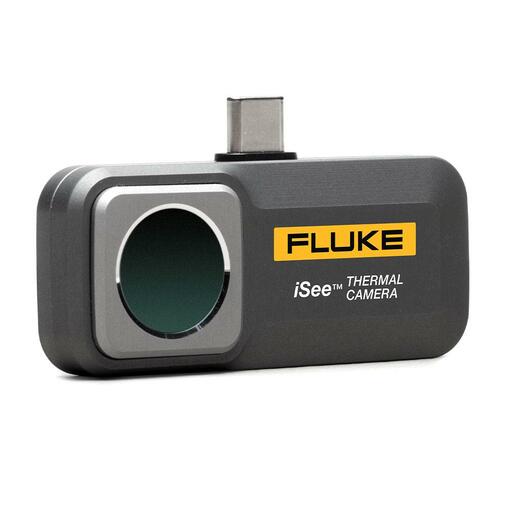
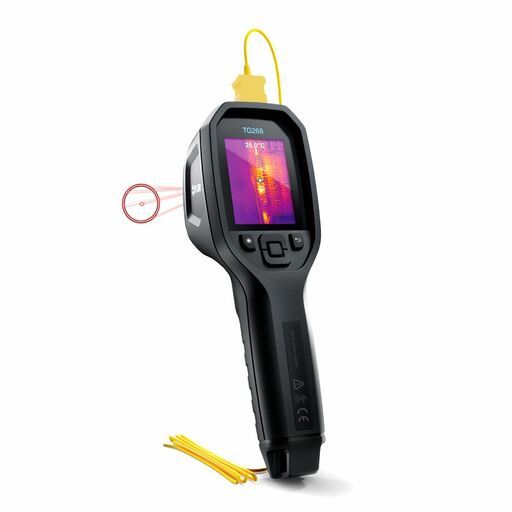
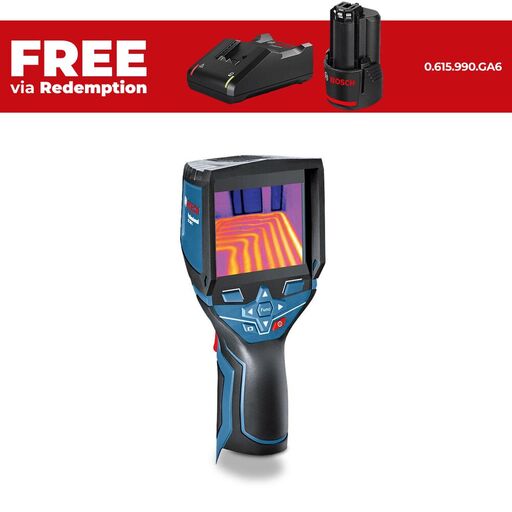
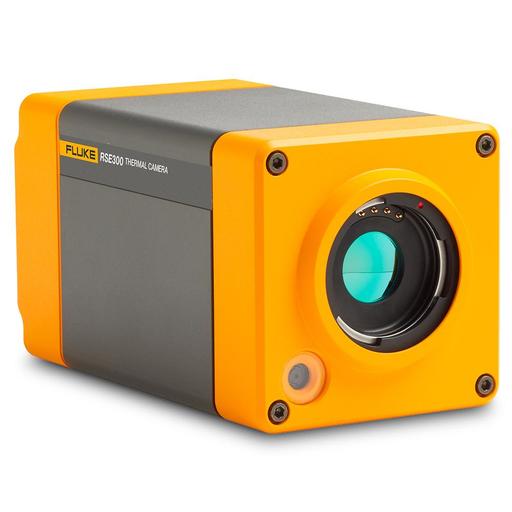
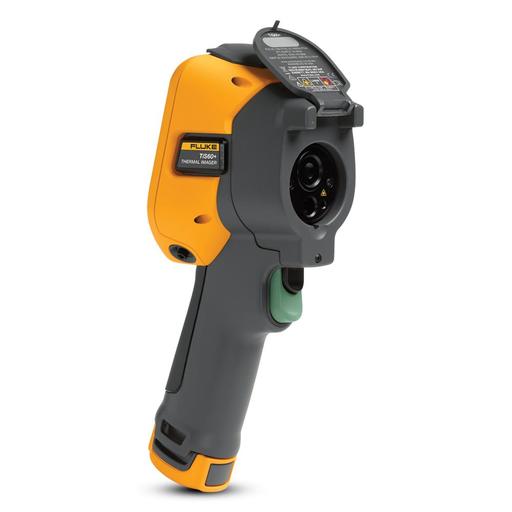
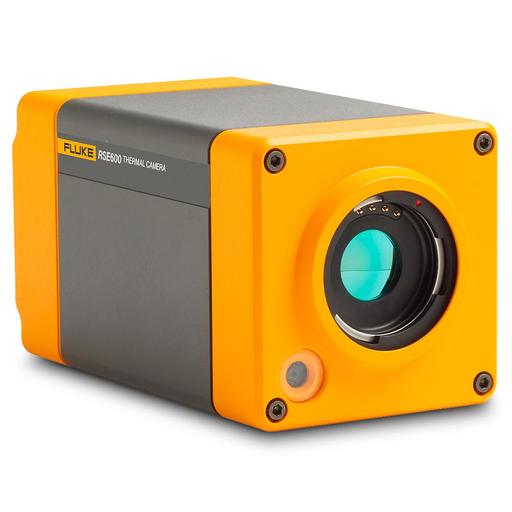
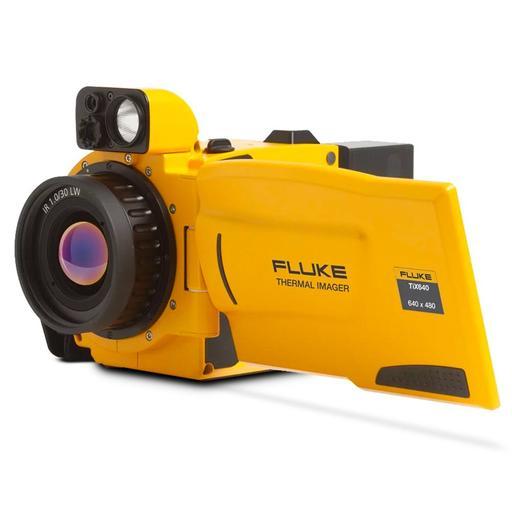
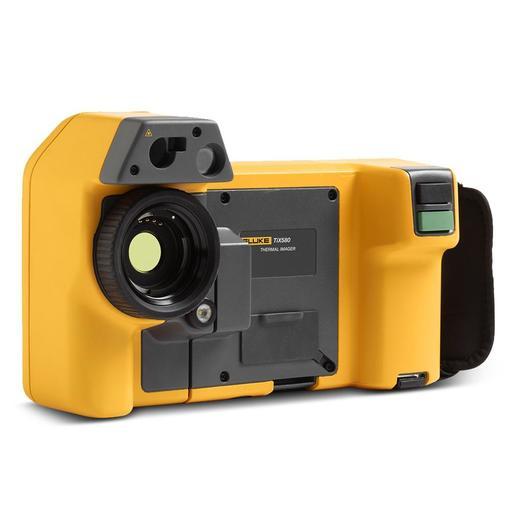
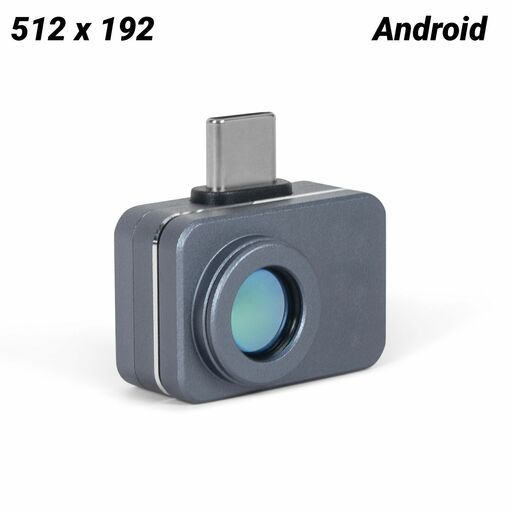
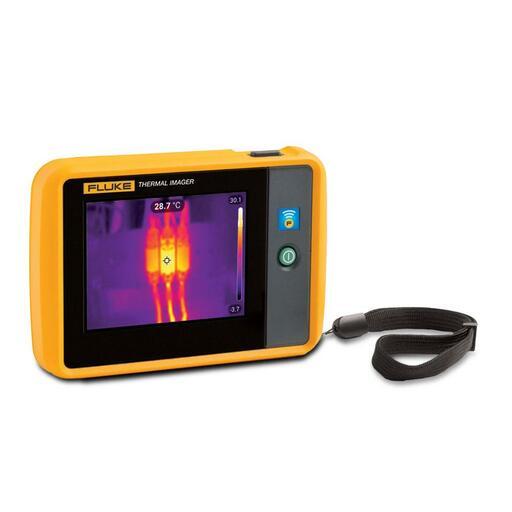
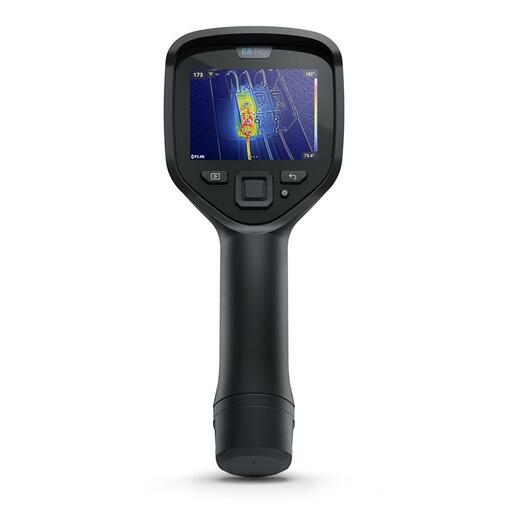
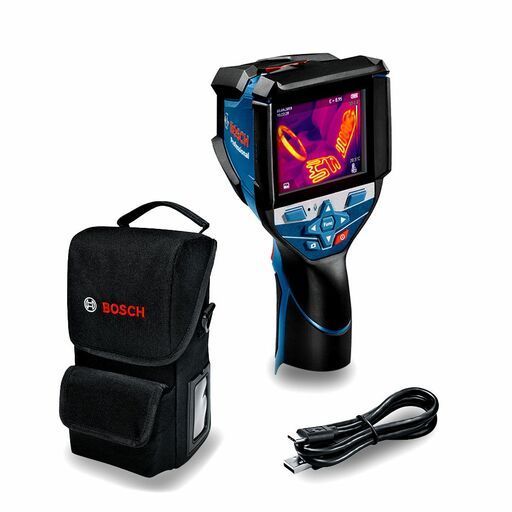
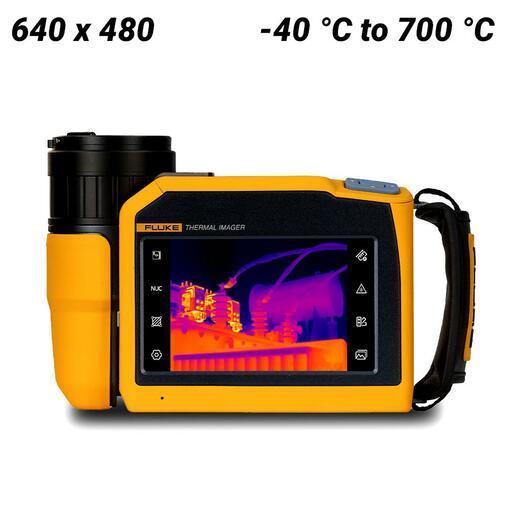
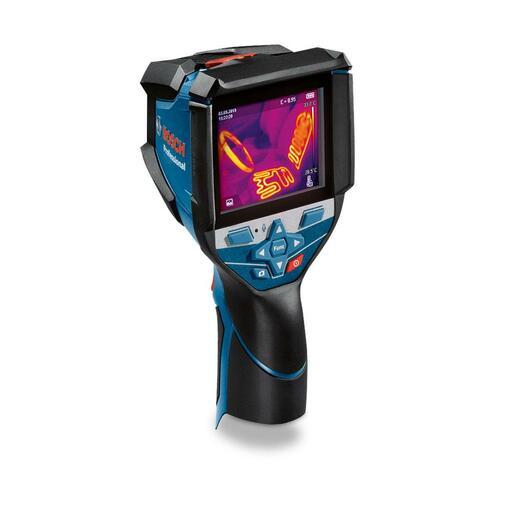
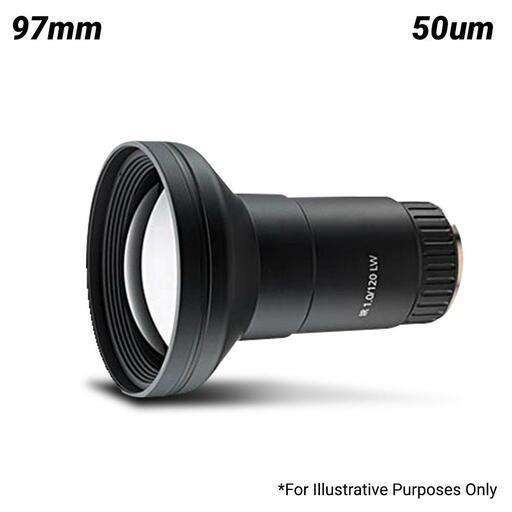
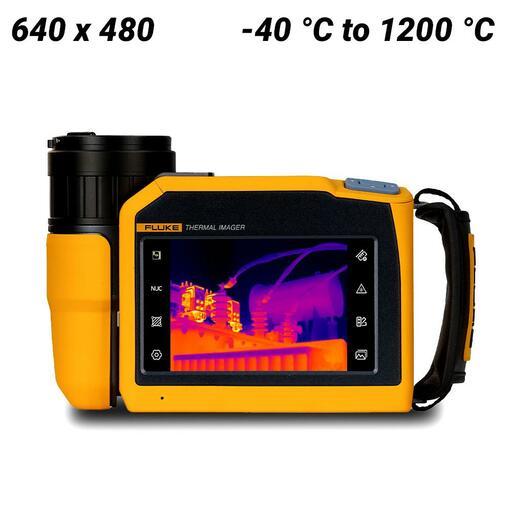
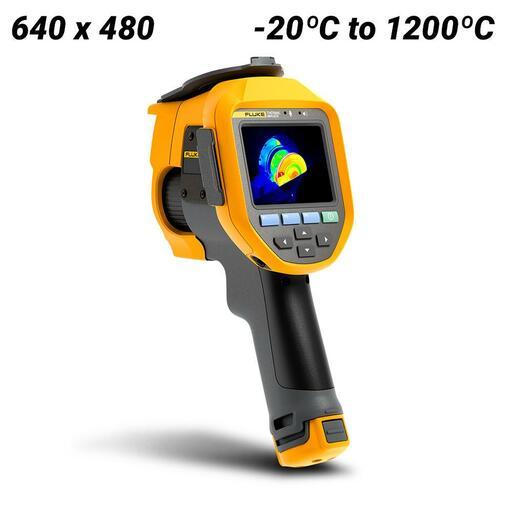
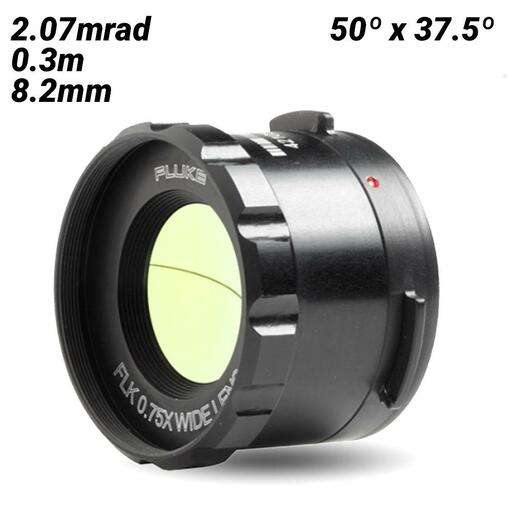
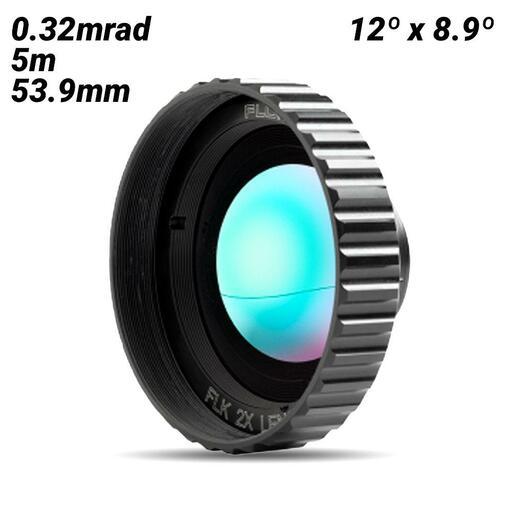
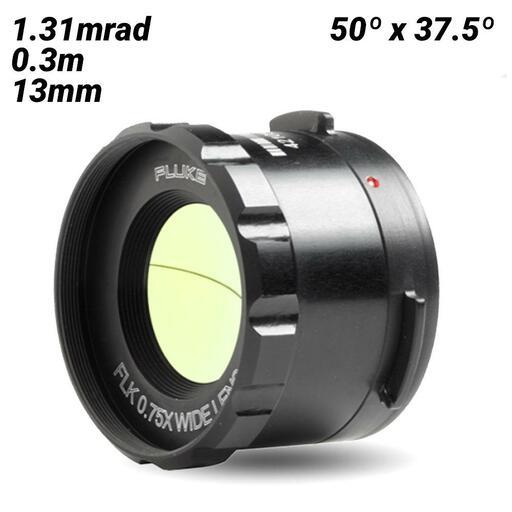
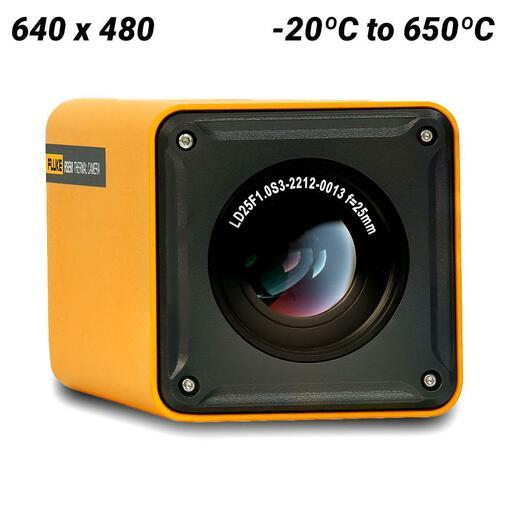
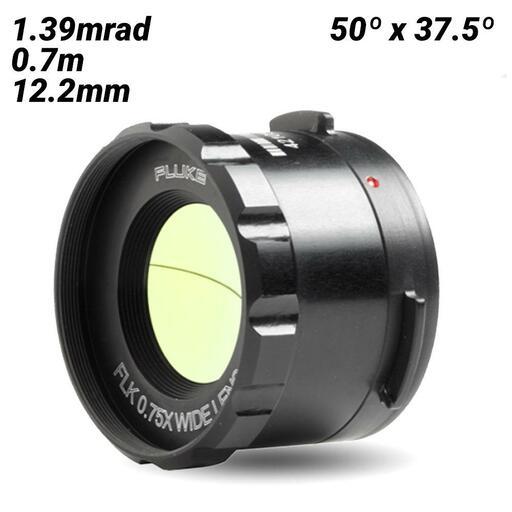
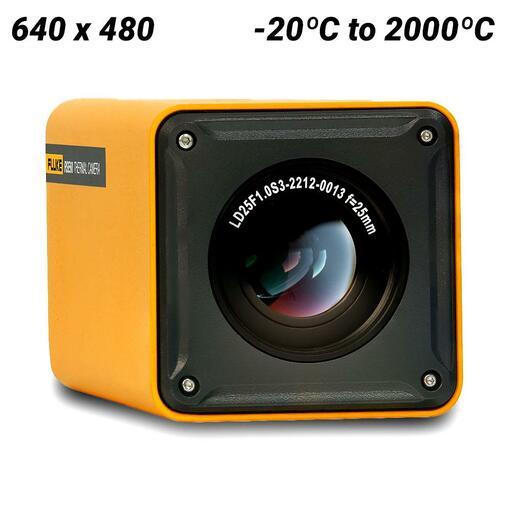
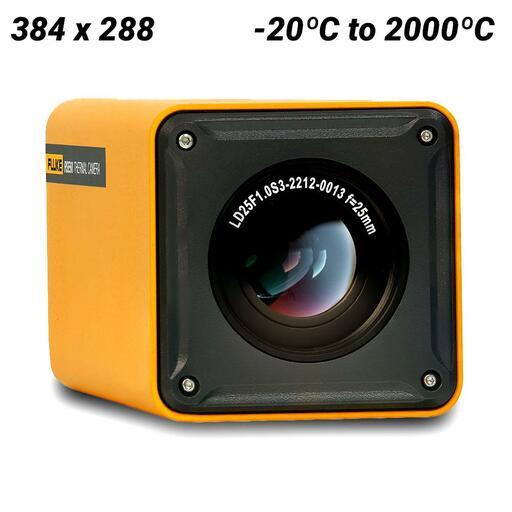
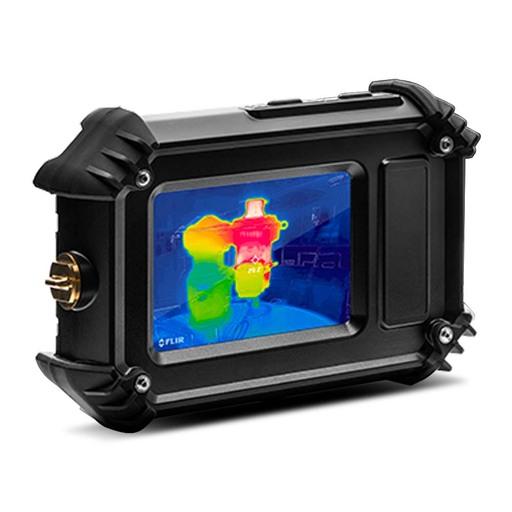
Thermal imaging cameras are electronic diagnostic devices used in electrical, mechanical, automotive and building inspection tasks to detect temperature differences. They are able to assist with early problem identification, moisture detection, data collection in hazardous conditions, and scanning large areas and structures with ease.These cameras capture infrared energy and convert into visible thermal images, allowing users to identify heat variations that are not visible during standard inspections. A quality thermal imaging device is a must-have for those who work in construction, preventative maintenance, plumbing, firefighting or general trades. Browse our leading industry names such as Fluke, Ridgid, Milwaukee and Pinpoint.
Not sure what to pick? The team at Sydney Tools is here to help you find the right tool for your job, get in touch with us today.




















Common Applications Across Trades
Thermal imaging cameras are used to identify overheating electrical components, mechanical wear, insulation gaps or hidden moisture before repair or replacement are carried out. This equipment supports preventative maintenance by allowing non-contract inspection of live systems and structural elements.
Important Performance Considerations
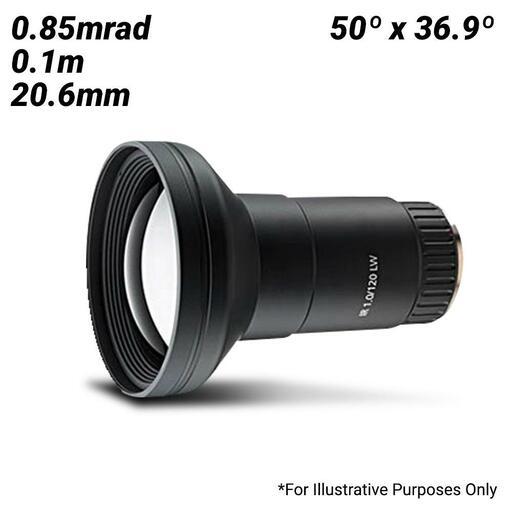
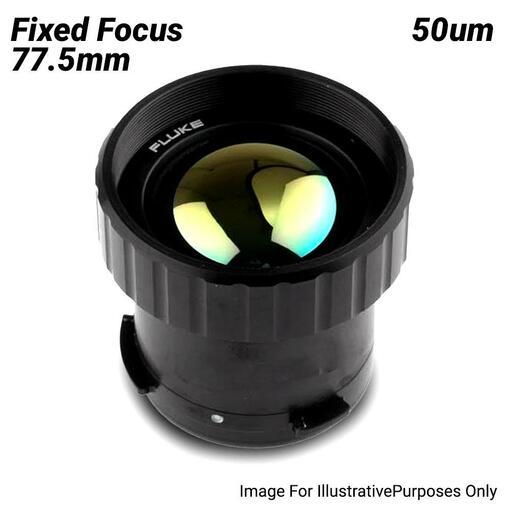
When selecting a thermal imaging camera for workshop or on-site use, it is important to evaluate core performance attributes to ensure accurate diagnostics. Thermal resolution determines the level of image detail, higher the resolution the sharper images, allowing for finer detail and facilitates better temperature measurement of smaller targets from greater distances. The temperature range must align with the intended application, whether inspecting low-temperature HVAC systems or high-temperature industrial equipment, as an inappropriate range can reduce measurement accuracy. Thermal sensitivity (often expressed as NETD) defines the camera’s ability to detect slight temperature differences, which is critical for identifying early-stage faults before they escalate. Field of view also plays a key role, as wider lenses suit large-area scans while narrower views provide detailed inspections from a safe distance. In addition, strong image capture capabilities, such as radiometric recording and reporting integration, support thorough analysis and documentation. Durable construction with protection against drops, dust, moisture, and vibration ensures reliable performance in demanding workshop and on-site conditions. Selecting the correct specification level ultimately supports precise measurements, dependable fault detection, and long-term operational efficiency.
Proper Handling and Maintenance
Proper handling and maintenance of a thermal imaging camera are essential to ensure reliable performance and accurate readings. Always select a unit suited to the intended inspection task, with appropriate resolution, temperature range, and sensitivity for the environment in which it will be used. When inspecting live electrical or mechanical equipment, maintain safe working distances in accordance with site safety procedures to reduce risk while still capturing accurate thermal data. Keeping the infrared lens clean and free from dust, grease, or moisture is critical, as contamination can distort temperature measurements and image clarity. After use, store the device in a protective carry case to shield it from impact, vibration, and environmental exposure. Avoid dropping the unit or exposing it to excessive moisture, even if it has a protective rating, as repeated stress can affect internal components over time. Regular calibration checks and ensuring firmware or reporting software remains up to date will further support measurement accuracy and long-term reliability, particularly in professional workshop and on-site diagnostic applications.
Why Buy Thermal Imaging Cameras from Sydney Tools
At Sydney Tools we offer a competitive range of thermal imaging equipment suited to electrical, automotive and building inspection applications. Whether you're after a Fluke kit, air quality or a multimetre , Sydney tools has it all. With competitive pricing and access to knowledgeable in-store and online support to assist customers in selecting the right diagnostic tool.
Frequently Asked Questions (FAQs)
What is the difference between entry-level and professional thermal cameras?
Entry-level cameras are suitable for basic fault finding and general maintenance, offering lower resolution and fewer advanced features. Professional-grade models provide higher resolution, greater thermal sensitivity, wider temperature ranges, and advanced reporting tools for detailed diagnostics and compliance inspections.
Can thermal cameras accurately measure painted or coated surfaces?
Yes, most painted surfaces provide accurate readings because they typically have high emissivity. However, shiny or reflective coatings may affect accuracy unless emissivity settings are adjusted correctly.
Does scanning distance affect temperature readings?
Yes. The further you are from the target, the larger the measurement area becomes, which can reduce accuracy and detail. Staying within the recommended distance improves reliable interpretation.
Are thermal cameras suitable for compliance inspections?
Yes, especially professional-grade models with radiometric image capture and proper calibration. They are widely used for electrical, mechanical, and building inspections.
How long do batteries last on job sites?
Battery life typically ranges from 4 to 6 hours per charge, depending on the model. For extended use, spare or swappable batteries are recommended.
Can thermal images be exported for reports?
Yes. Most cameras allow images to be exported via USB, SD card, or wireless transfer, and many support reporting software for documentation.
Is training required to use a thermal camera properly?
Basic operation is simple, but proper interpretation requires understanding factors such as emissivity and environmental influences. Training improves accuracy and confidence.
How should thermal cameras be transported?
Use a protective carry case, avoid impacts and vibration, and protect the unit from moisture and extreme temperatures during transport.
Are firmware updates necessary?
Firmware updates help improve performance, fix bugs, and enhance features. Keeping software current supports reliable operation.
What environmental factors can affect image clarity?
Humidity, dust, moisture, wind, direct sunlight, and reflective surfaces can all reduce image clarity or influence temperature readings.
Find the Right Thermal Camera Today
Spot issues before they become costly repairs. Browse the full range of thermal imaging cameras and infrared thermal camera solutions available at Sydney Tools, or visit your nearest store for expert advice and dependable diagnostic equipment.


