
Login
Login
- Popular Categories
- Shop By Brand
- Tool Accessories
- Air Compressor
- Hand Tools
- Laser Levels
- Mechanical Workshop
- Pressure Washers
- Welding
- Chainsaws
- Lawn Mowers
- Whipper Snippers
- Categories
- Adhesives & Sealants
- Air Tools
- Diamond Tools
- Fans
- Fasteners
- Generators
- Ladders
- Lubricants & Chemicals
- Power Garden
- Safety Equipment
- Scaffold
- Silica Dust Solutions
- Storage
- Test - Measure - Locate
- Transportation & Lifting
- Vacuum & Dust Extractors
- Water Pumps
Electrical / Voltage Detectors
Voltage detectors are handheld electrical test tools used by electricians, technicians and tradespeople to quickly identify the presence or absence of live voltage in circuits, outlets and cables. These compact voltage stick devices provide either a contactless or simple contact method to verify electrical energy before work begins, enhancing safety and significantly reducing the risk of accidental electric shock.
Designed for rapid checks, voltage detectors are commonly used as a first line of verification before more detailed testing with multimetre s or other diagnostic instruments.





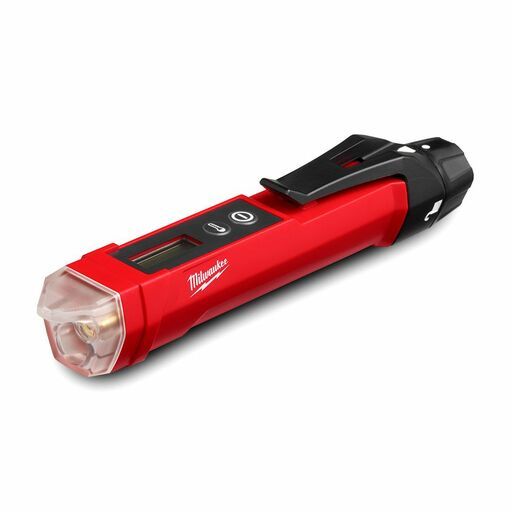




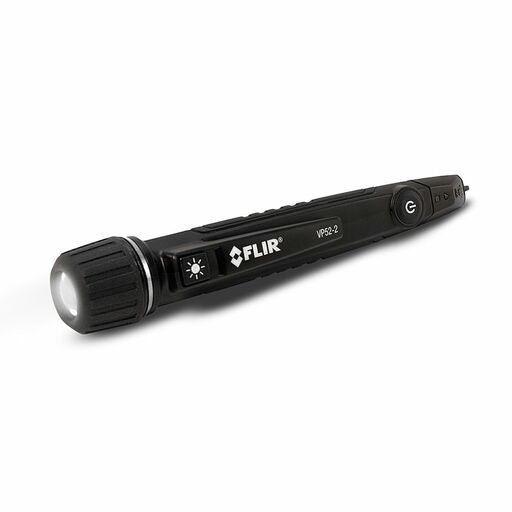

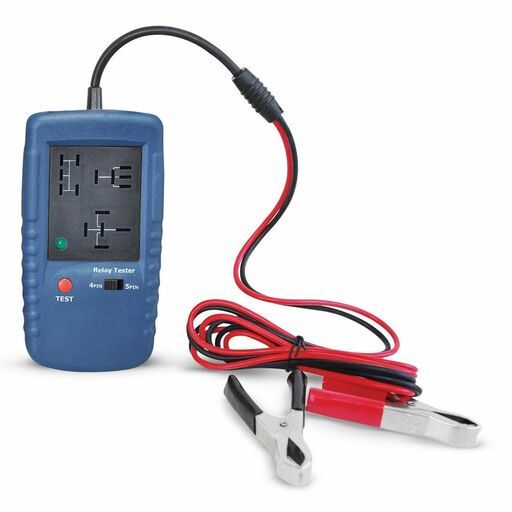

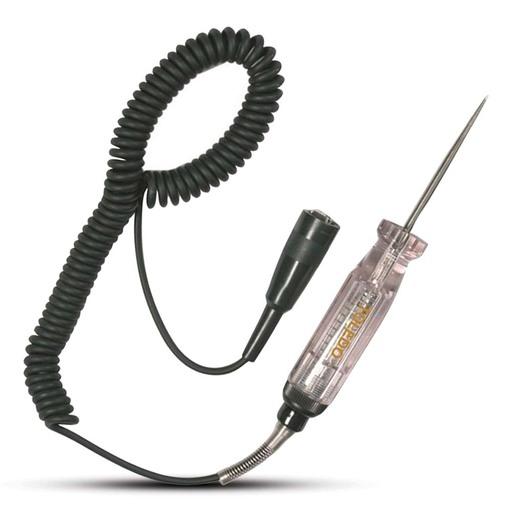
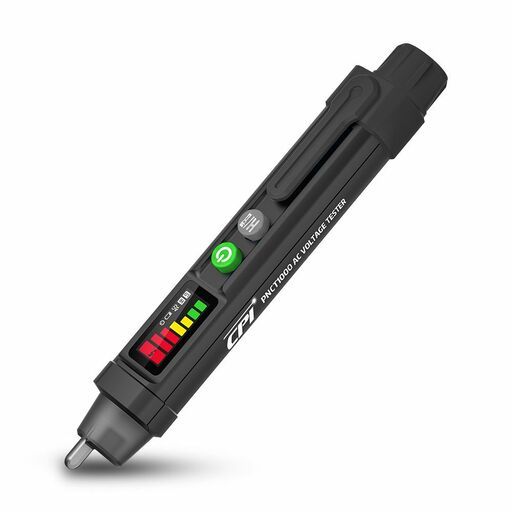


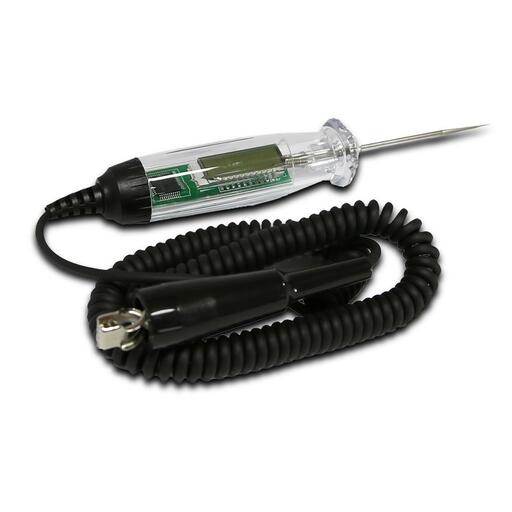


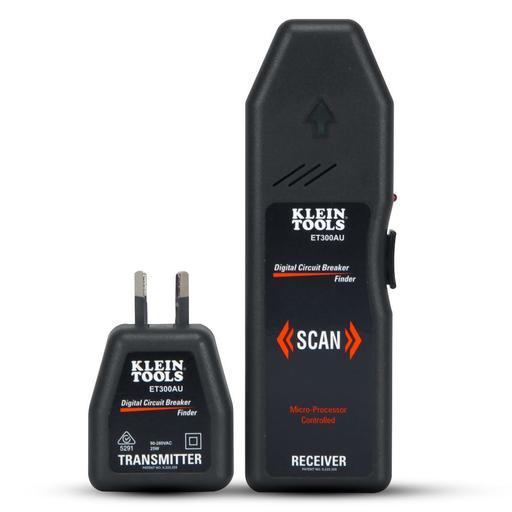


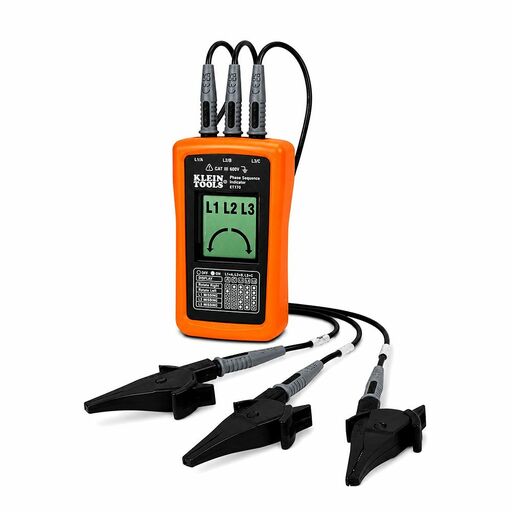




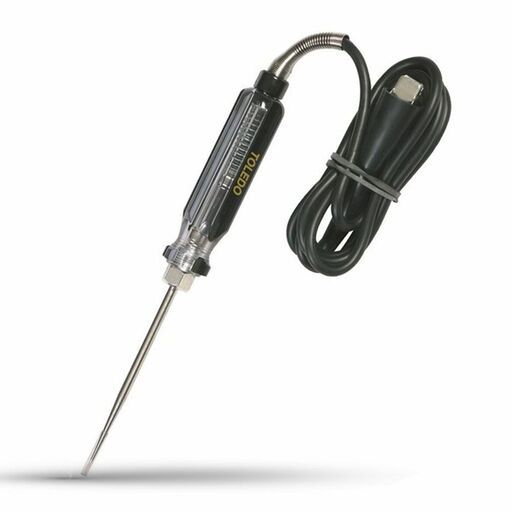
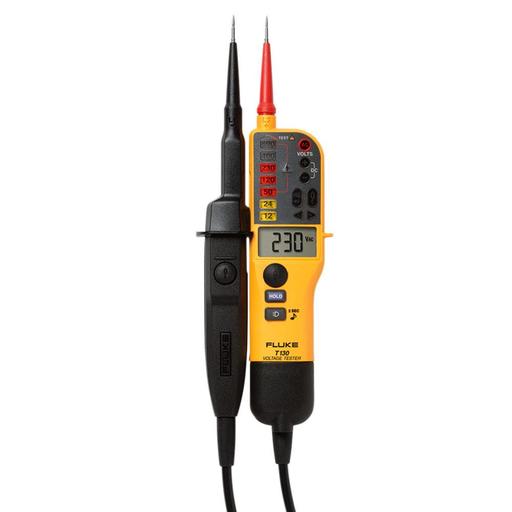

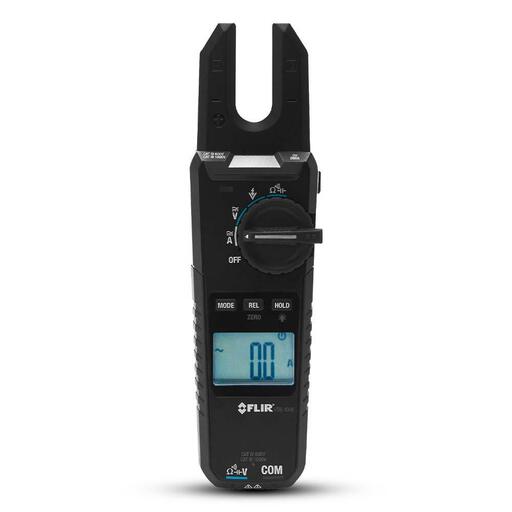


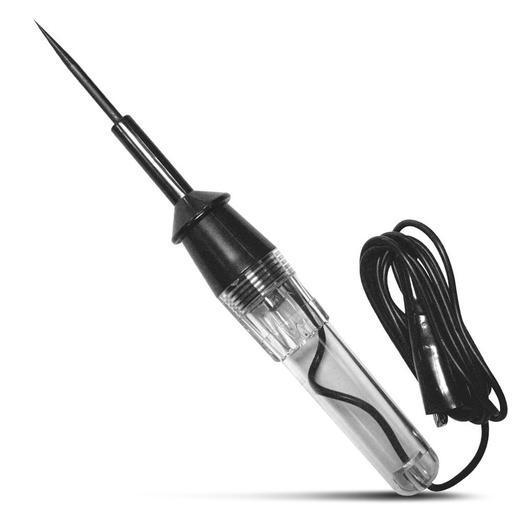


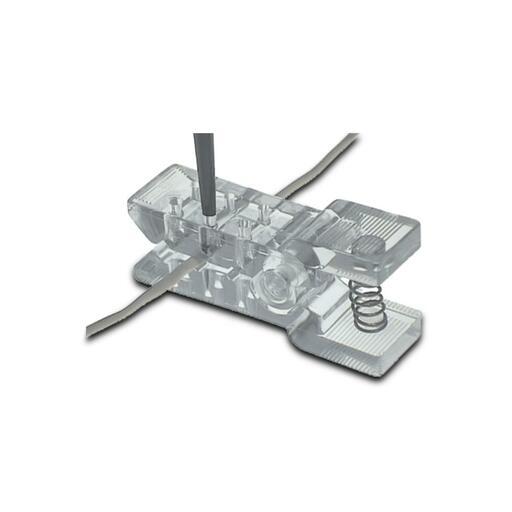
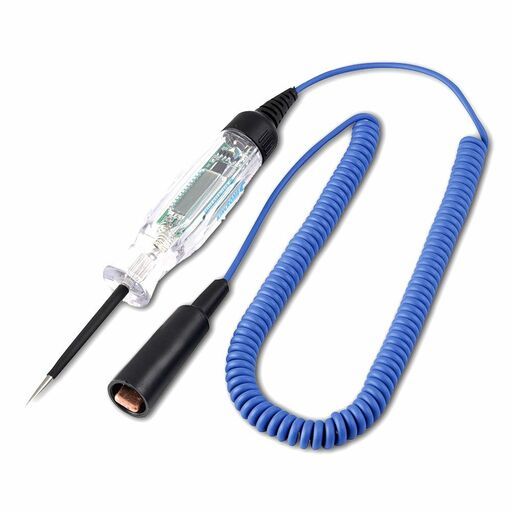

Typical Scenarios Where Voltage Detectors Are Used
Voltage detectors are essential whenever technicians need to confirm whether a circuit, outlet, switch or conductor is live prior to installation, maintenance or repair tasks.
They are commonly used to:
- Confirm power is isolated before working on wiring
- Check outlets and switches for live supply
- Identify active conductors in junction boxes
- Perform lockout/tagout verification procedures
- Conduct preliminary safety inspections
In residential, commercial and industrial environments, voltage meters support standard safety checks by helping users verify de-energised conditions before physically contacting electrical components.
Important Design and Performance Attributes
When selecting a voltage detector, several key features influence reliability and ease of use:
- Sensing Range and Sensitivity - A detector should match the voltage range of your intended application. Appropriate sensitivity ensures accurate live voltage detection without false positives or missed signals.
- Detection Method
- Contactless detectors sense electromagnetic fields around live conductors without direct electrical contact.
- Contact detectors require direct probe contact with the conductor or terminal.
- Choosing the right type depends on the task and access conditions.
- Clear Visual and Audible Indicators - Bright LEDs, audible alarms or vibration alerts provide immediate confirmation when live voltage is detected, improving clarity in noisy or low-light environments.
- Ergonomic Design - A slim, pen-style body with non-slip grip enhances secure handling and precise positioning, especially in confined switchboards or ceiling spaces.
- Robust Construction - Durable housings and impact-resistant materials ensure the tool withstands workshop and job site conditions.
Safe Use and Ongoing Care Practices
For safe and effective operation:
- Choose a voltage detector rated for the expected voltage range.
- Follow the manufacturer’s instructions for correct positioning and scanning technique.
- Always test the detector on a known live source before and after checking a circuit to confirm proper function.
For ongoing reliability:
- Inspect the device for cracks, loose components or damaged tips before use.
- Store it in a protective case to prevent impact damage or moisture exposure.
- Replace batteries promptly when low-power indicators appear.
Routine checks and proper handling help maintain consistent detection performance and ensure user safety.
Why Buy Voltage Detectors from Sydney Tools
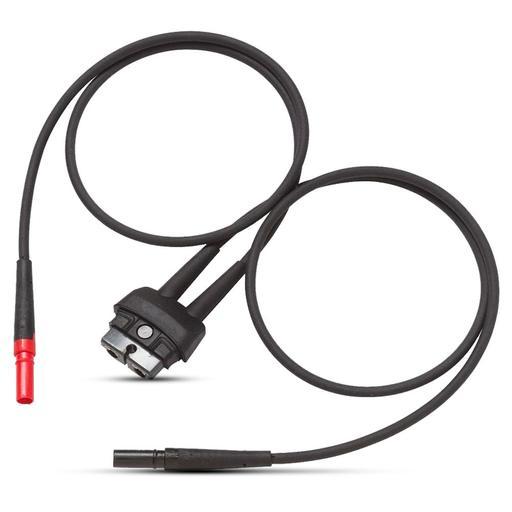
At Sydney Tools offers a range of voltage detectors suited to electrical safety verification across residential, commercial and industrial applications. With competitive pricing and access to in-store and online support, customers can confidently select the right tool for confirming live or de-energised electrical conditions before starting work. Whether you're after a multimetre s, Insulation Testers, Test Leads or Probes Sydney Tools is your one stop shop.
Frequently Asked Questions (FAQs)
What is the difference between contactless and contact voltage detectors?
Contactless detectors sense the electromagnetic field around a live conductor without direct contact, while contact detectors require physical probe contact with the electrical point being tested.
How do I choose a detector with the correct voltage range for my application?
Select a model rated for the voltage levels you expect to encounter. For mains electrical work, ensure the detector supports standard supply voltages used in your region.
Can voltage detectors detect live voltage in shielded or conduit-run wiring?
Contactless detectors may have difficulty detecting voltage through metal conduit or heavy shielding. In such cases, a direct-contact testing method may be required.
What indicators should I expect when a voltage detector senses live power?
Most detectors provide visual LED signals and audible beeps. Some models also include vibration alerts for noisy environments.
Are there limitations when using voltage detectors around three-phase systems?
Yes. While detectors can identify the presence of voltage, they do not measure phase balance or voltage levels. Additional test instruments may be required for comprehensive three-phase diagnostics.
How often should I test my detector’s function against a known live source?
It is recommended to test the detector before and after each use to ensure it is functioning correctly.
Can environmental factors, such as humidity, affect detector performance?
Extreme humidity, moisture or strong electromagnetic interference can affect detection reliability. Always use the tool within its specified operating conditions.
What safety precautions should be followed when using a voltage detector on live circuits?
Use appropriate personal protective equipment, avoid direct contact with exposed conductors, and follow standard electrical safety procedures.
How do I know if a voltage detector’s battery needs to be replaced?
Many models include a low-battery indicator or reduced alert strength. Replace batteries promptly to maintain reliable detection.
Are voltage detectors suitable for use on low-voltage electronic systems?
Some detectors may not reliably sense very low DC voltages. Check the product specifications to ensure compatibility with low-voltage applications.
Secure Your Safety Before You Start
Don't leave your safety to chance. Browse our full range of voltage detectors online or visit your nearest Sydney Tools store location to find the right volt stick or voltage meter for your kit.


