
Login
Login
- Popular Categories
- Shop By Brand
- Tool Accessories
- Air Compressor
- Hand Tools
- Laser Levels
- Mechanical Workshop
- Pressure Washers
- Welding
- Chainsaws
- Lawn Mowers
- Whipper Snippers
- Categories
- Adhesives & Sealants
- Air Tools
- Diamond Tools
- Fans
- Fasteners
- Generators
- Ladders
- Lubricants & Chemicals
- Power Garden
- Safety Equipment
- Scaffold
- Silica Dust Solutions
- Storage
- Test - Measure - Locate
- Transportation & Lifting
- Vacuum & Dust Extractors
- Water Pumps
Electrical / Probes
Probes are electrical accessories used to connect test instruments to circuits, components and points of interest during measurement, verification and fault diagnosis. These accessories provide precise contact and continuity between meters, testers and the test point, helping users obtain reliable readings.
Need a hand with our power, thermometer and high voltage probes? Our friendly team of hardware experts are here to help, get in touch with us today.

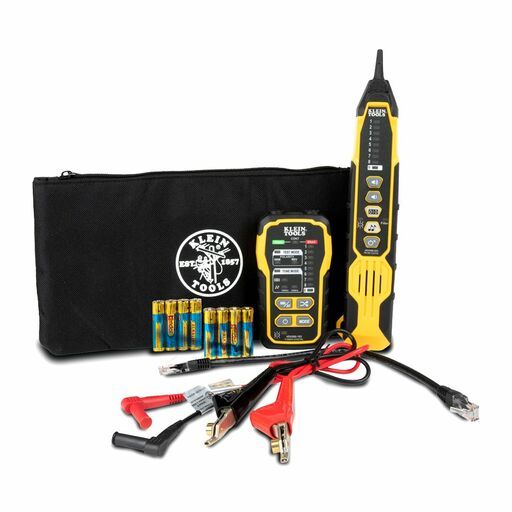


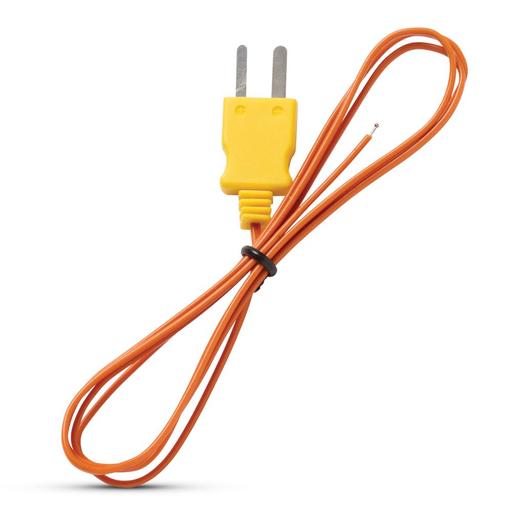


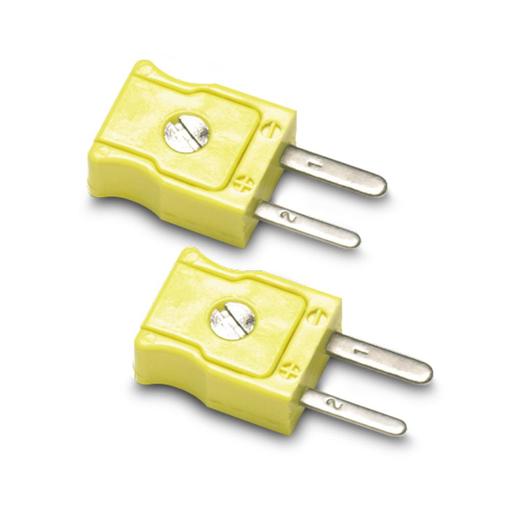


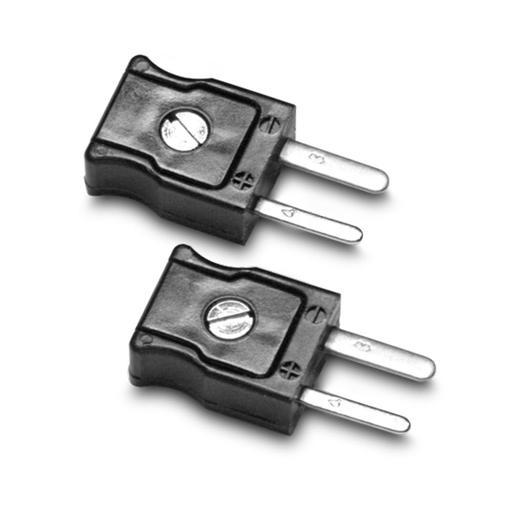
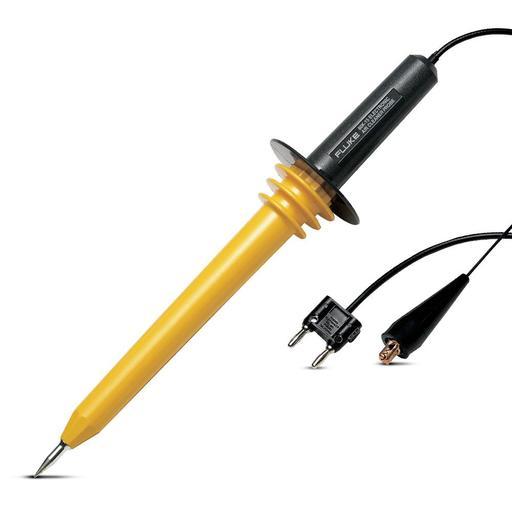


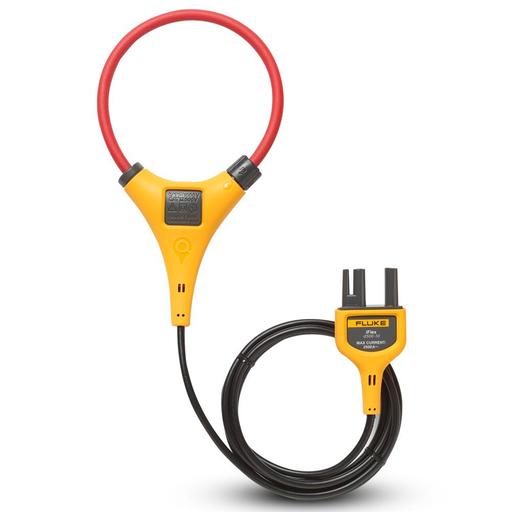

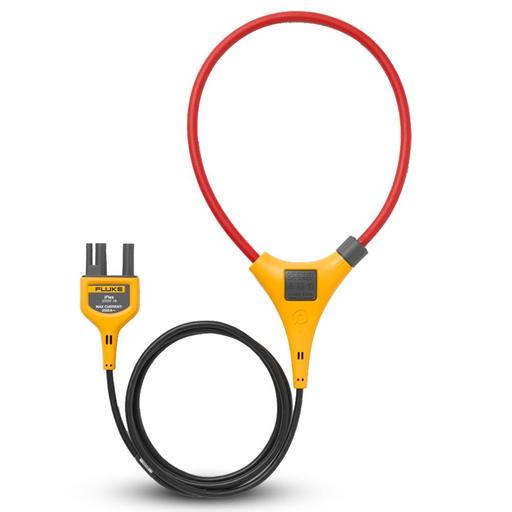


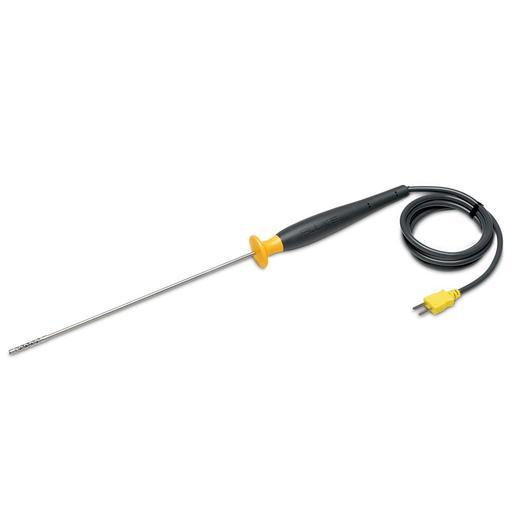

Typical Applications for Electrical Probes
Probes are used in the workforce of electricians, technicians and maintenance personnel that need to access specific conductors, terminals, PCB points or wiring for voltage, currents, resistance or continuity measurements. Purpose-built probes help ensure accurate contact with minimal risk of slipping or damaging components during electrical diagnostic work.
Key Design and Functional Attributes
Electrical probes are designed with important attributes to support safe, accurate and reliable measurement when used with electrical testing instruments such as test leads or multimeters.
A key attribute like probe tips styles may include sharp tips, hook probes or clip-on attachments. These styles allow electricians and technicians to securely access conductors. Probes with proper insulation and relevant CT safety rating provide protection against electrical shock and reduce the risk of short circuits.
While a power probe Australia professionals use often features a dedicated lead, general probes offer flexible lengths to maintain safe working distances. Probes also provide connector compatibility with commonly used testing equipment, including multimeters, voltage detectors, multifunction testers, and other diagnostic instruments.
Durable construction is essential for probes in demanding environments as it helps ensure the probes can withstand repeated use, bending, and handling during routine testing, maintenance, and troubleshooting tasks.
Safe Use and Ongoing Care Practices
Safety and Care practices include:
- Use properly rated equipment: ensure probes and leads are rated for the voltage and measurements of the circuit being tested.
- Work safe environment: before testing assess the workspace for water, poor lighting or obstacles, ensure good visibility and avoid working alone in hazardous environments.
- Follow safe measurement procedures: ensure probe tips are connected securely and do not touch during measurements to avoid short circuits or sparks
- Inspect before use: check for cracked insulation, exposed wires or damaged tips, ensure the connectors and leads are secure. Do not use probes with worn insulation as it can expose the user with shock hazards.
- Keep clean: wipe probes after use to remove dust, grease or other contaminants.
- Storage: store probes loosely coiled without sharp bends.
- Calibration and functional checks: replace probes if measurements become inconsistent.
Why Buy Probes from Sydney Tools
At Sydney Tools we offer a wide range of power probes suited to multimeters, insulation testers and other electrical test instruments. Additionally competitive pricing and access to in-store and online support to help customers choose the right probe type and configuration for accurate electrical measurement and diagnostics.
Frequently Asked Questions (FAQs)
What probe tip styles are best for tight or hard-to-reach test points?
Sharp probe tips, hook style robes and fine needle probes are often best for hard to reach areas.
How do I match probe safety ratings to the voltage levels I intend to measure?
Probe safety should match or exceed the measurement category (CAT rating) and voltage level of the electrical system being tested.
Can specialised probes improve measurement stability when testing small components on circuit boards?
Yes. Fine-tip probes, needle probes, and micro-grabber probes are specifically designed for PCB testing.
What differences exist between rigid and flexible probe lead designs for electrical testing?
Rigid probes provide a stable grip and precise positioning for direct contact with test points, while flexible leads allow greater movement and easier positioning in complex equipment layouts.
Are there probe types designed specifically for alligator clip or grabber attachment?
Yes, many probes are designed with removable or interchangeable tips allowing other attachments like alligator clips to have a secure connection to wires, terminals or component leads for more stable measurements.
How does probe insulation contribute to user safety during high-voltage tests?
High-quality insulation prevents accidental contact with live conductors and reduces the risk of electrical shock.
What storage practices help prevent probe tip damage or lead kinks?
Probes should be stored in a protective case or tool pouch with leads loosely coiled. Avoid placing heavy tools on top and keep tips covered or protected to prevent bending or dulling.
Are colour-coded probes useful for organised multi-point measurement setups?
Yes. Colour-coded probes (commonly red and black) help clearly identify positive and negative connections.
Can damaged probe tips affect measurement results even if the meter itself is accurate?
Yes. Worn, bent, or contaminated probe tips may cause poor electrical contact, resulting in unstable readings, inaccurate measurements, or intermittent test results even if the meter itself is functioning correctly.
What considerations apply when selecting probes for low-current versus high-current testing?
For low-current measurements, probes with fine tips and precise contact points are helpful for sensitive electronic components. For higher current applications, probes and test leads should have thicker conductors, higher current ratings, and durable insulation to safely handle the increased electrical load.
Find the Right Power Probe Today
Achieve professional-grade diagnostics with tools built for precision and safety. Browse our full range of probes online or visit your nearest Sydney Tools store locations to find the perfect power probe to complete your kit.


