
Login
Login
- Popular Categories
- Shop By Brand
- Tool Accessories
- Air Compressor
- Hand Tools
- Laser Levels
- Mechanical Workshop
- Pressure Washers
- Welding
- Chainsaws
- Lawn Mowers
- Whipper Snippers
- Categories
- Adhesives & Sealants
- Air Tools
- Diamond Tools
- Fans
- Fasteners
- Generators
- Ladders
- Lubricants & Chemicals
- Power Garden
- Safety Equipment
- Scaffold
- Silica Dust Solutions
- Storage
- Test - Measure - Locate
- Transportation & Lifting
- Vacuum & Dust Extractors
- Water Pumps
Electrical / Dies
Dies cut, clean and restore existing external threads to bolts, rods and conduit. Dies are standard workshop equipment for cutting accurate threads or for fixing damaged threads without having to replace the fastener.
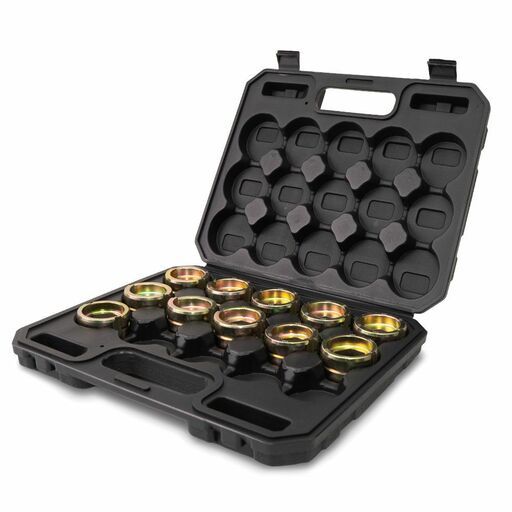
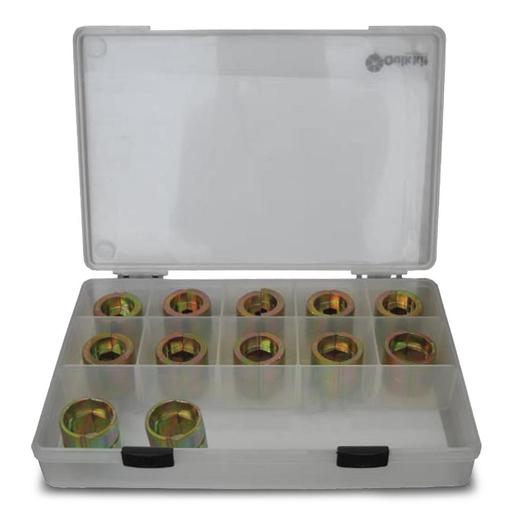
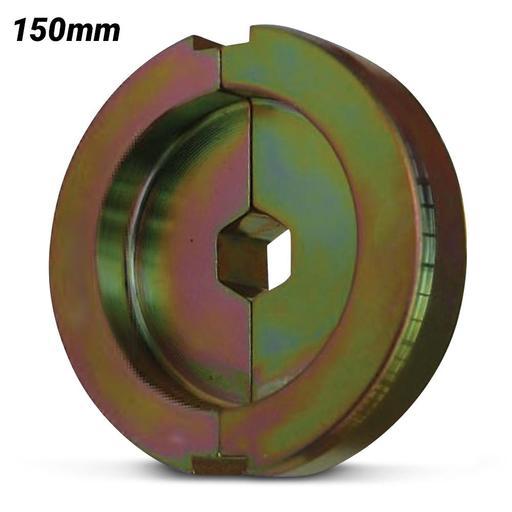
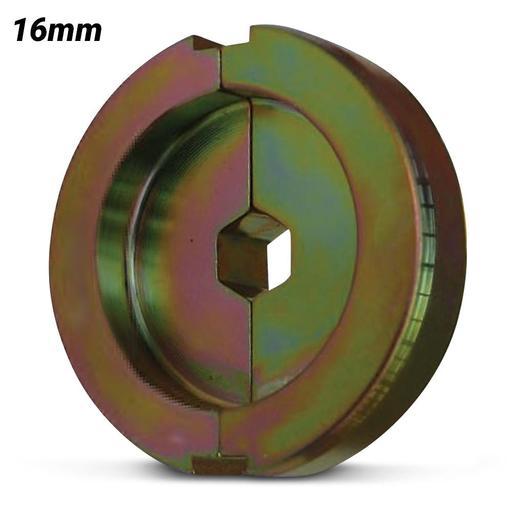
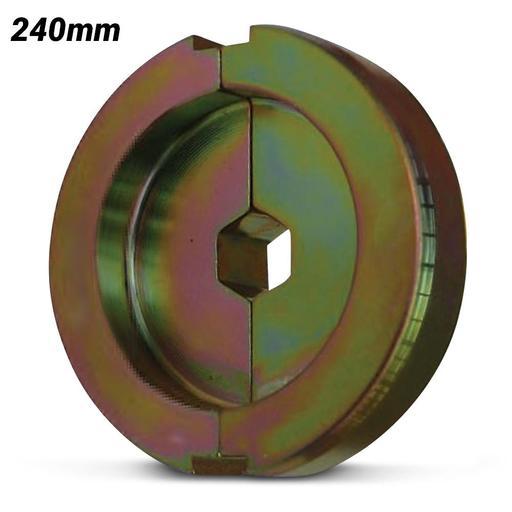
A quality crimping die or crimping die set allows for better control over consistent thread shape and cleaner engagement during installation. Whether used for electrical fittings, conduit or general workshop use, the right die allows threading to be a more controlled and predictable process.
Dies are common tools for trade and workshop applications for tasks ranging from fabrication to maintenance where clean threads are needed.




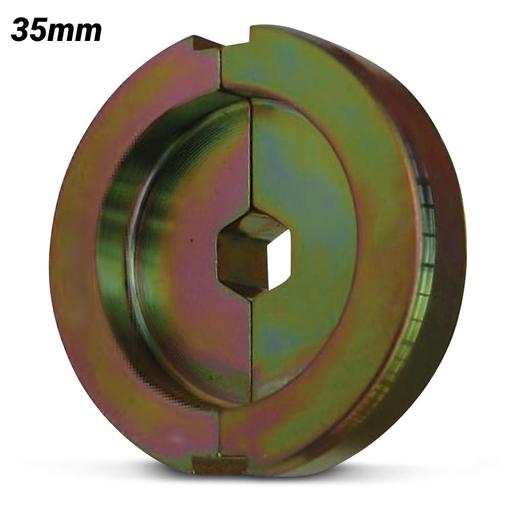

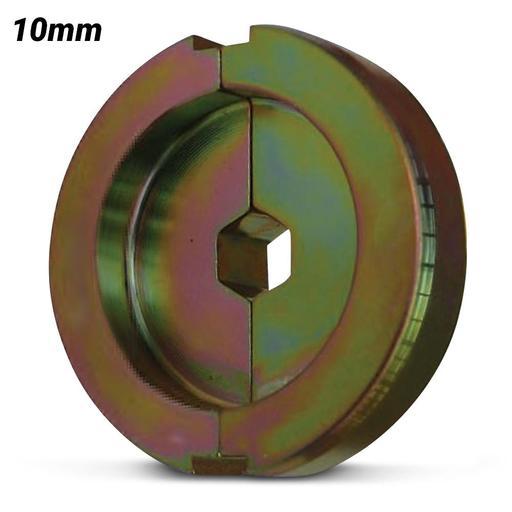

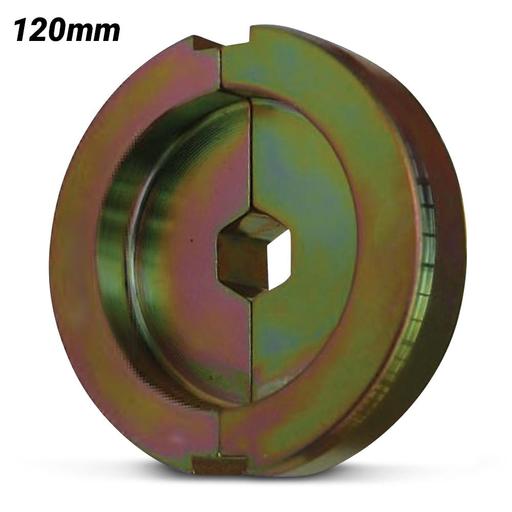
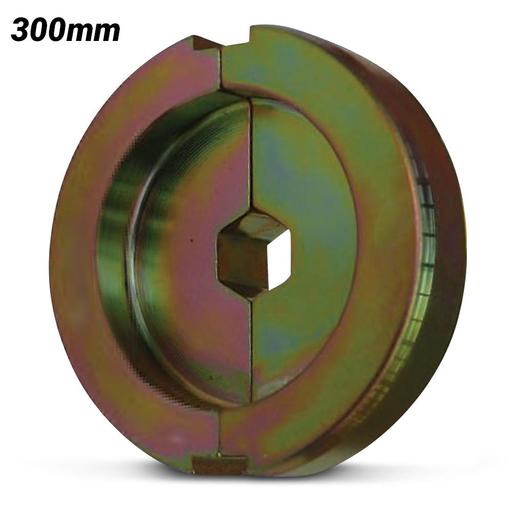

Thread Cutting and Repair Work
Dies are most often used to cut new threads or to restore damaged ones. Dies are appropriate for bolts, threaded rod, conduit fittings, and other hardware where damaged or flattened threads can prevent parts from tightening completely. In many instances, simply running a die over the thread is enough to clean up the thread and make the part functional again.
Split dies are useful when slight adjustment is needed during threading. Solid dies are more rigid and better suited to consistent production work.
On electrical and workshop jobs, dies are often used alongside copper hand tools, cable cutters & strippers, and hand snips when preparing fittings, conduit, and threaded hardware.
Die Design and Material Selection
The material and thread type both affect how the die performs.
Carbon steel dies suit lighter work and occasional use. High-speed steel options are stronger and better suited to harder materials like stainless steel or regular workshop use.
Thread pitch also matters. Matching the die correctly helps avoid damaged threads and poor fitment.
A few things help improve cutting performance:
-
Correct thread pitch selection
-
Proper lubrication during cutting
-
Steady alignment when starting
-
Clearing swarf regularly
-
Using the correct die stock
Split dies allow slight adjustment to thread fit, while standard hex dies suit many common die holders and compact threading setups.
Threading Care and Safe Use
Clean setup and steady pressure make a big difference when threading.
-
Start the die square to the material
-
Use cutting lubricant where needed
-
Clear metal shavings regularly
-
Avoid forcing the cut
-
Clean dies after use
Cross-threading usually happens when the die starts unevenly or too aggressively. Taking the time to align the die properly helps produce a cleaner thread and reduces wear on the cutting edges.
After use, removing swarf and applying light oil helps protect the die and keep the cutting edges working properly.
Why Buy Dies from Sydney Tools
Sydney Tools stocks a practical range of dies, crimping die kit options, and crimping die set solutions suited to trade, workshop, and maintenance work. Whether you are cutting new threads or restoring damaged ones, there are options to suit different materials and thread sizes.
You can expect:
-
A strong range of threading dies
-
Crimping die kit options for different applications
-
Dies suited to repair and thread cutting work
-
Competitive pricing online and in store
-
Helpful advice from knowledgeable staff
With the right setup, thread cutting becomes cleaner, easier, and more reliable.
FAQs
How does a tap differ from a die?
A tap is used to cut internal threads. A die is used to cut external threads.
Why would I use HSS rather than carbon steel dies?
HSS dies are appropriate for harder materials and more frequent use.
How can I determine the thread pitch of an existing bolt?
Pitch is often measured with thread gauges or a sample bolt with the same pitch.
What's the advantage of a split die over a solid one?
Split dies can be slightly adjusted to alter the fit of threads or the cutting pressure.
Do I need to cut lubricant for stainless steel?
Lubrication is highly advised when cutting stainless steel.
Can these dies be used to thread PVC conduit?
A few of the dies can be used for threading conduit, depending on material and die style.
Why would a die cross-thread during a cut?
Improper alignment or inconsistent starting pressure is the most common cause of this issue.
Can a die be used to clean up flattened threads?
Yes, minor thread damage can be cleaned up with the proper die.
Find the Right Die Set Today
Cut clean threads and restore damaged fasteners with more control. Browse the range online or visit your nearest Sydney Tools store for practical advice and dependable threading solutions.


