
Login
Login
- Popular Categories
- Shop By Brand
- Tool Accessories
- Air Compressor
- Hand Tools
- Laser Levels
- Mechanical Workshop
- Pressure Washers
- Welding
- Chainsaws
- Lawn Mowers
- Whipper Snippers
- Categories
- Adhesives & Sealants
- Air Tools
- Diamond Tools
- Fans
- Fasteners
- Generators
- Ladders
- Lubricants & Chemicals
- Power Garden
- Safety Equipment
- Scaffold
- Silica Dust Solutions
- Storage
- Test - Measure - Locate
- Transportation & Lifting
- Vacuum & Dust Extractors
- Water Pumps
Electrical / Copper Hand Tools
Copper hand tools are used where safety cannot be left to chance. In environments with flammable vapours, liquids, or sensitive equipment, standard steel tools can introduce unnecessary risk. Copper-based tools help reduce the chance of sparks and limit magnetic interference.
They are commonly used across petrochemical sites, mining operations, and electrical utilities where ignition risk needs to be tightly controlled. In these settings, copper hand tools give you a safer way to carry out everyday work without adding another hazard to the job.
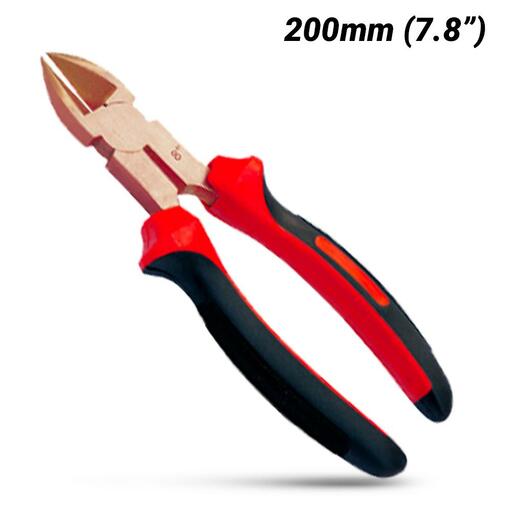


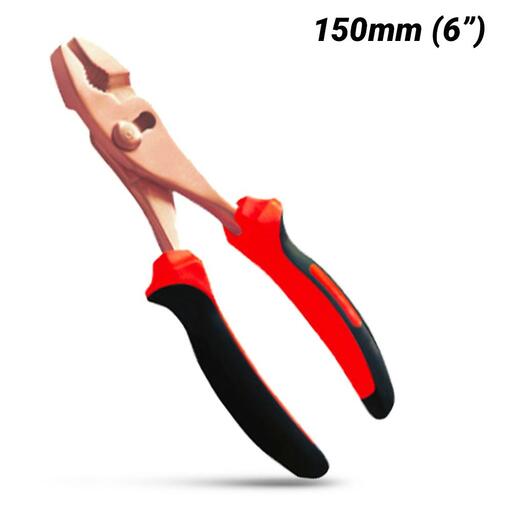


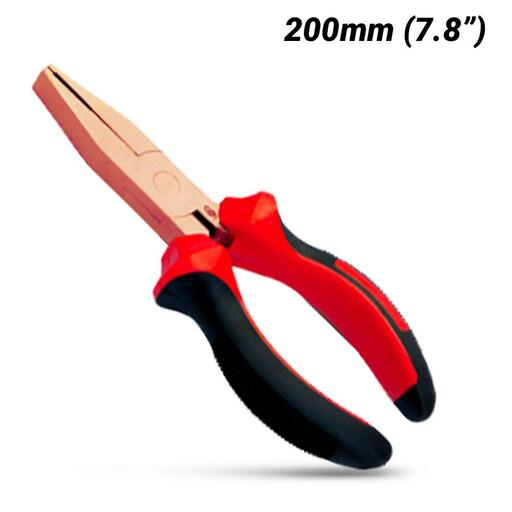
Safety-Critical Applications in Hazardous Zones
In high-risk areas, tool choice is critical. Copper hand tools are used in explosive or controlled environments where even a small spark can have serious consequences.
You will see them used during fuel system maintenance, gas line repairs, and work inside chemical plants. The focus is simple. Carry out the task without creating an ignition source.
They also suit environments where magnetic interference needs to be avoided. In certain electrical or laboratory settings, non-magnetic tools help prevent disruption to sensitive equipment.
On the job, they are often used alongside hand snips, cable cutters & strippers, plier sets, and hole saws when working through electrical or maintenance tasks.
Metallurgical Properties and Surface Hardness
Copper hand tools behave differently to standard steel tools, and that is part of what makes them suitable for these environments.
Pure copper tools are softer and better suited to lighter-duty work. Stronger alloys like copper-beryllium or aluminium-bronze provide added durability while still maintaining non-sparking properties.
Because the material is softer, it needs to be handled with a bit more care. It is less likely to spark, but it can wear or deform faster if pushed beyond its limits.
One advantage is corrosion resistance. Copper alloys hold up well in damp, salty conditions, which makes them a good fit for marine and offshore work where exposure is constant.
Tool Deformation and Edge Maintenance
Regular inspection helps keep copper hand tools safe and reliable.
-
Check striking faces for mushrooming
-
Look for wear on gripping edges
-
Keep surfaces clean and free from debris
-
Dress edges to maintain the correct profile
-
Avoid contact with steel contaminants
Over time, edges can round off or deform. Light dressing helps bring the tool back into shape and keeps it working as intended.
Cleanliness matters just as much. Small steel particles can embed in the surface and reduce the tool’s non-sparking properties. Keeping copper tools separate from ferrous tools helps prevent this.
A simple maintenance routine goes a long way in keeping them ready for use in critical environments.
Why Buy Copper Hand Tools from Sydney Tools
Sydney Tools offers a practical range of copper hand tools suited to trade and industrial applications. Whether you are working in hazardous zones or specialised environments, there are options to match the job.
You can expect:
-
A solid range of copper hand tools
-
Options for different applications and conditions
-
Materials suited to demanding environments
-
Competitive pricing online and in store
-
Helpful advice when you need it
With the right tools on hand, you can work safely while keeping the job moving.
FAQs
What is the difference between non-sparking and spark-resistant tools?
Non-sparking tools are designed to minimise ignition risk. Spark-resistant tools reduce the risk but may still produce small sparks.
Are copper-beryllium tools harder than pure copper?
Yes, they offer greater strength and wear resistance.
In which ATEX zones are copper hand tools required?
They are used in areas where ignition risk must be controlled.
Can these tools be used near sensitive equipment like MRI systems?
Yes, their non-magnetic properties help prevent interference.
How do I prevent contamination from steel particles?
Keep tools clean and store them away from steel tools.
Is it safe to sharpen copper tools with a standard grinder?
Care is required, as incorrect grinding can affect the surface.
What is the torque limit for copper-alloy tools?
It depends on the tool design and the alloy used.
Do these tools meet safety standards?
Many are designed to meet recognised anti-ignition standards.
Why do copper tools need more maintenance than steel?
They are softer and can wear or deform more easily.
Are there specific storage requirements?
Store them clean, dry, and away from contaminants.
Find the Right Copper Hand Tools Today
Work safely in demanding environments with the right setup. Browse the range online or visit your nearest Sydney Tools store for practical advice and dependable solutions.


