
Login
Login
- Popular Categories
- Shop By Brand
- Tool Accessories
- Air Compressor
- Hand Tools
- Laser Levels
- Mechanical Workshop
- Pressure Washers
- Welding
- Chainsaws
- Lawn Mowers
- Whipper Snippers
- Categories
- Adhesives & Sealants
- Air Tools
- Diamond Tools
- Fans
- Fasteners
- Generators
- Ladders
- Lubricants & Chemicals
- Power Garden
- Safety Equipment
- Scaffold
- Silica Dust Solutions
- Storage
- Test - Measure - Locate
- Transportation & Lifting
- Vacuum & Dust Extractors
- Water Pumps
Electrical / Appliance Testers
Appliance testers are electrical test instruments used to verify the safety and functionality of portable and fixed electrical appliances by measuring insulation resistance, earth continuity, polarity and other relevant safety parameters. These testers help technicians assess compliance and detect faults in appliances before use or service.
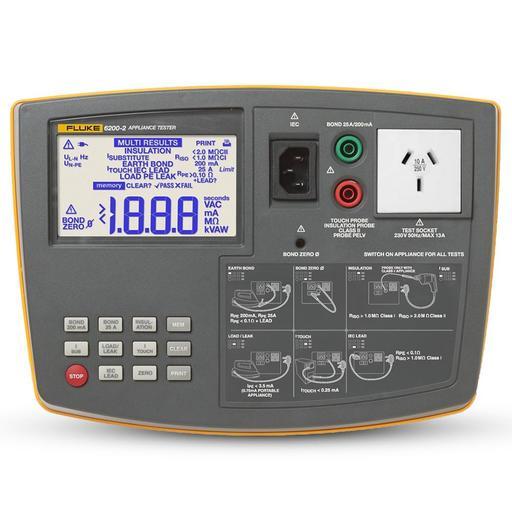
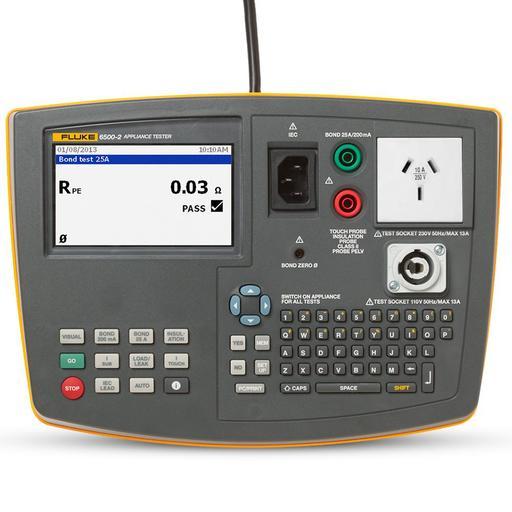

Where Appliance Testers Are Used
Appliance testers are used when electricians, maintenance teams and safety inspectors need to check that appliances such as power tools, kitchen equipment and office devices are safe to operate, free of insulation faults, properly earthed and correctly wired. These testers support routine safety checks, preventive maintenance and compliance testing across residential, commercial and industrial environments.
Key Functional and Specification Attributes
When selecting appliance testing equipment, it is important to consider the key functional and specification attributes to ensure accurate, reliable and safe testing. Testers should provide multiple selectable test functions allowing users to perform tests such as insulation resistance, earth continuity, and polarity checks.High-quality appliance testers Australia wide offer adjustable test voltage settings suitable for different appliance classes.
Clear and easy to read displays such as digital screens or lED indicators show pass/fail results or measured values making appliance testers easy to interpret results quickly and accurately. With an ergonomic handheld design, being lightweight, comfortable grips and simple control layouts makes the device easy to use during extended testing.
Appliance testers are built with durability and robust materials to withstand regular use in trade environments, strong casing, protected connectors, and reliable test leads help ensure the tester continues to perform accurately over time. Choosing a tester with the appropriate specifications and functions ensures that electrical safety assessments are accurate and dependable.
Safe Use and Ongoing Care Practices
Safe use and care includes:
- Rated Testers: Be sure that your portable appliance testers is rated for the required application before use. Different testers such as multifunction testers and insulation testers are designed for specific electrical measurements and must be used according to their rated limits.
- Appliance Classes: Identify the appliance class before testing
- Class I appliance have basic insulation and requires an earth connection
- Class II appliances are double insulated and do not require an earth test.
- Connection Procedures: Ensure the appliance is connected to the tester before beginning. Follow the correct connection sequence for attaching test leads and probes, ensuring secure connections to avoid inaccurate readings.
- Interpreting Results: Review the tester’s readings and indicators carefully. Ensure the results meet the acceptable limits for the test being performed and clearly identify whether the appliance has passed or failed before tagging.
- Inspecting Leads: Ensure leads and connectors are intact before testing. Do not use the tester if cords, plugs, or connectors are damaged.
- Storage: Keep stores in a protective case located in a dry, dust free area.
- Keep Clean: wipe away any dirt, dust or other contaminants from the instrument to ensure adequate connections.
- Battery Replacement: Replace batteries when the low battery warning appears and do not store for extensive timeframes with batteries installed.
- Manufacturer: Follow manufacture instructions to maintain reliable performance and ensure the longevity of the instrument.
Why Buy Appliance Testers from Sydney Tools
At Sydney Tools we offer a range of appliance testers suited to safety verification, maintenance and compliance testing tasks. Whether your after an appliance tester or a power quality tester, we have them all with competitive pricing and access to in-store and online support to help customers choose the right tester for appliance safety assessment requirements.
Frequently Asked Questions (FAQs)
What test functions are essential for appliance safety verification beyond basic continuity checks?
Basic continuity testing, appliance safety verification typically requires functions such as insulation resistance testing, earth continuity testing, polarity testing, and leakage current measurement.
How do appliance classes (e.g., Class I vs Class II) influence tester selection?
Class I appliances rely on an earth connection for protection and therefore require earth continuity and insulation resistance tests. Class II appliances are double insulated and do not require an earth connection, so testing focuses mainly on insulation integrity.
Can appliance testers help assess products before they are put into service?
Yes. Appliance testers are commonly used to verify electrical safety before equipment is placed into service.
What environmental factors can affect insulation resistance test results?
Environmental conditions such as humidity, temperature, dust, and moisture can influence insulation resistance readings.
Are there differences between testers designed for handheld tools versus fixed appliances?
Yes. Testers used for portable handheld tools are typically compact and designed for frequent testing of portable appliances. Testers for fixed or larger appliances may require higher measurement ranges, specialised adapters, or additional test functions to accommodate more complex equipment.
How do built-in standards references (such as AS/NZS) affect result interpretation?
Many appliance testers include built-in reference limits based on standards such as AS/NZS 3760.
What battery or power considerations should I account for during extended testing schedules?
For extended testing sessions, ensure the tester has sufficient battery capacity or a reliable power source.
Are specialised leads or adapters required for larger or irregularly shaped appliances?
Yes. Some appliances may require specialised test leads, probes, or adapters to safely access connectors or terminals. Using the correct accessories ensures secure connections and accurate readings during testing.
How should appliance testers be stored to protect calibration and components?
Testers should be stored in a protective case in a clean, dry, and dust-free environment.
When is professional recalibration recommended to maintain test accuracy?
Professional recalibration is typically recommended at intervals specified by the manufacturer, often annually or after heavy use. Recalibration ensures the tester continues to provide accurate measurements and reliable safety assessments.
Find the Right Appliance Tester Today
Maintain the highest safety standards in your workshop or on-site. Browse our full range of appliance testers online or visit your nearest Sydney Tools store locations to find the perfect portable appliance testers for your needs.


