
Login
Login
- Popular Categories
- Shop By Brand
- Tool Accessories
- Air Compressor
- Hand Tools
- Laser Levels
- Mechanical Workshop
- Pressure Washers
- Welding
- Chainsaws
- Lawn Mowers
- Whipper Snippers
- Categories
- Adhesives & Sealants
- Air Tools
- Diamond Tools
- Fans
- Fasteners
- Generators
- Ladders
- Lubricants & Chemicals
- Power Garden
- Safety Equipment
- Scaffold
- Silica Dust Solutions
- Storage
- Test - Measure - Locate
- Transportation & Lifting
- Vacuum & Dust Extractors
- Water Pumps
Mechanical Workshop / Pliers & Cutting Tools / Copper Hand Tools
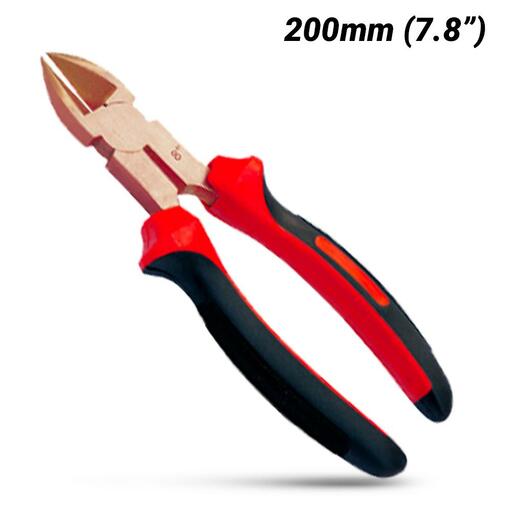
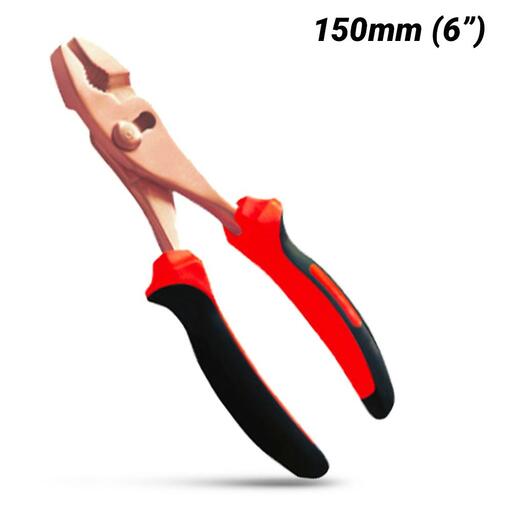
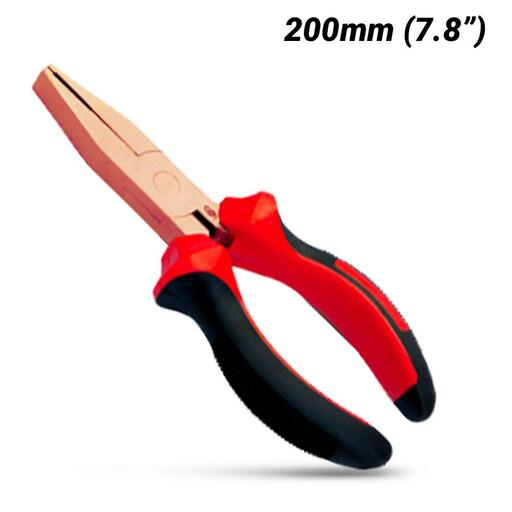
When a normal steel tool would be too aggressive, copper hand tools can be used. Some automotive and mechanical components must be shifted or moved without marring or sparking. Copper hand tools allow for controlled contact allowing you to move parts without damaging the surface.
Constructed of copper or copper alloy, these tools are generally used for hitting, aligning or loosening or tightening parts. The soft metal dissipates striking force while leaving minimal surface mark, yet allows sufficient force to shift the part.




Why Copper Hand Tools Are Used in Automotive Work
Many automotive components have machined faces or protective coatings. A steel hammer can dent or mark them easily. Copper hand tools apply force more gently. The softer metal absorbs part of the impact and protects surrounding parts during maintenance and repair work.
They are also useful in environments where sparking must be avoided. Controlled contact and reduced surface damage make them suitable for careful alignment and adjustment tasks.
A suitable copper hand tool helps you:
- Adjust components without damaging surfaces
- Reduce marking on machined or coated parts
- Apply controlled force during alignment work
- Lower the chance of sparking in sensitive areas
- Work more safely around delicate assemblies
They suit automotive servicing, mechanical repairs, and workshop adjustments where surface protection matters.
Material and Design Characteristics to Consider
Made of copper or copper alloy
This is a non-magnetic material meaning there is less sparking and a softer contact surface when engaging with parts.
Form of tool
Copper can be found in hammering tools, drifts, and punches depending on the application.
Size of head and weight
There are multiple weights that can provide a lighter tap for positioning or more force to loosen up a stuck part.
Shock absorption
Since the striking face will deform slightly when struck it helps absorb some of the shock keeping mating parts intact.
Complementary tools like dead blow hammers, ball pein hammers, club hammers, and hand files copper hand tools are commonly used when a project calls for controlled striking and fine work.
Safe Use and Ongoing Care Practices
Correct use helps extend tool life.
- Select the appropriate size and weight for the task
- Use controlled strikes instead of heavy blows
- Keep copper tools separate from harder steel tools
- Avoid striking sharp edges unnecessarily
- Reposition rather than forcing parts
After use, clean the tools and remove debris. Inspect striking faces for mushrooming or excessive wear. Store them in a dry, organised space to maintain shape and performance.
Why Buy Copper Hand Tools from Sydney Tools
Sydney Tools offers a selection of copper hand tools suited to automotive, workshop, and specialised applications. Various sizes and configurations make it easier to match the tool to the task.
You can expect:
- Copper hand tools for every purpose
- Different sizes and weights to fit your needs
- Heavy-duty construction for workshop tasks
- Low prices at your local store and online
- Expert advice from our tool crew
- In-store and online support
With the right copper tool, adjustments can be made without unnecessary damage or marking.
FAQs
Will accuracy degrade with continued deformation of the copper striking faces?
Accuracy will suffer with wear and you may need to reshape or replace.
At what point is copper mushrooming no longer just cosmetic, but a safety issue?
If edges start to split/chip you should replace them.
Are copper hand tools suitable for repetitive alignment work, or better for intermittent use?
They are suitable for both, but frequent inspection is important during heavy use.
How does temperature exposure influence copper tool performance in automotive environments?
Extreme heat can soften the metal and increase wear.
Can copper tools transfer material residue onto fasteners or components over time?
Minor transfer can occur, especially under heavy impact.
What differences appear in wear patterns between copper and copper-alloy tools during regular use?
Copper alloys typically wear slower and hold shape longer.
How should copper tools be rotated or maintained to ensure even wear across the striking face?
Rotate striking angles and inspect regularly.
Are there situations where copper tools introduce too much energy absorption for precise adjustment?
Yes, very fine adjustments may require a harder tool.
How does tool mass selection impact control when using copper hammers or punches?
Heavier tools deliver more force, lighter tools allow finer control.
At what point should a copper tool be retired rather than re-dressed or reshaped?
Replace the tool when deformation or cracking affects safe use.
Find the Right Copper Hand Tool Today
Protect surfaces while still applying force where needed. Browse the full range of copper hand tools online or visit your nearest Sydney Tools store for practical advice and dependable workshop solutions.


