
Login
Login
- Popular Categories
- Shop By Brand
- Tool Accessories
- Air Compressor
- Hand Tools
- Laser Levels
- Mechanical Workshop
- Pressure Washers
- Welding
- Chainsaws
- Lawn Mowers
- Whipper Snippers
- Categories
- Adhesives & Sealants
- Air Tools
- Diamond Tools
- Fans
- Fasteners
- Generators
- Ladders
- Lubricants & Chemicals
- Power Garden
- Safety Equipment
- Scaffold
- Silica Dust Solutions
- Storage
- Test - Measure - Locate
- Transportation & Lifting
- Vacuum & Dust Extractors
- Water Pumps
Mechanical Workshop / Dead Blow Hammers
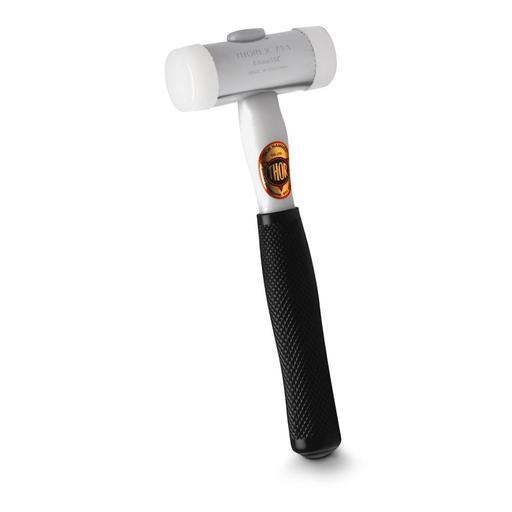
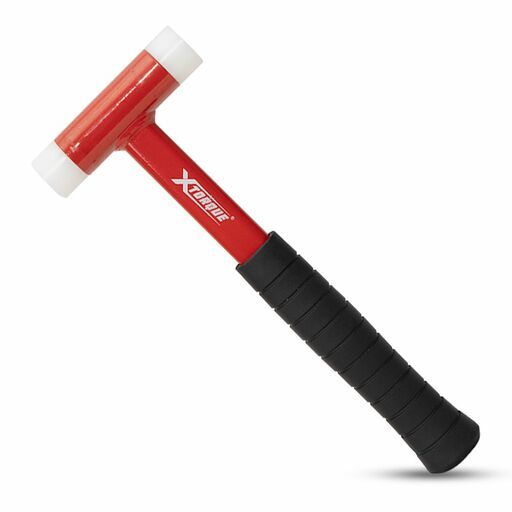
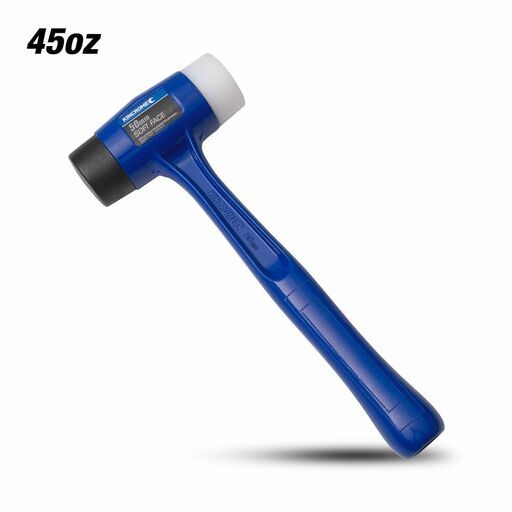
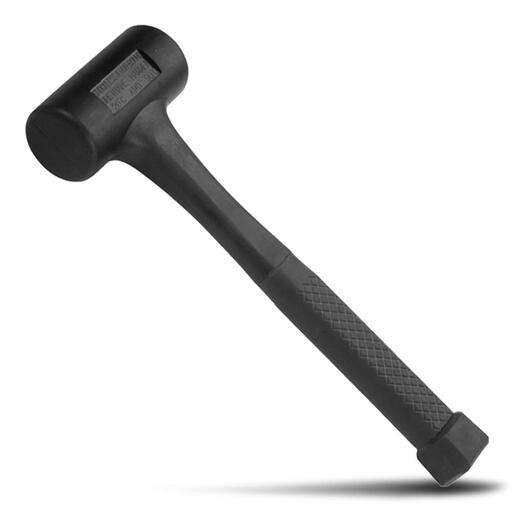
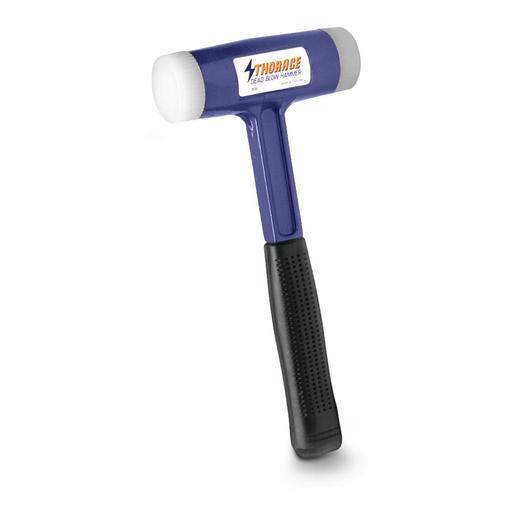
A dead blow hammer is one of those tools you only appreciate after a normal hammer lets you down. Many automotive jobs need parts to move without shock or bounce. You want the component to shift, not spring back. A dead blow hammer delivers a solid hit that stays controlled in your hand.
The head is hollow and partly filled with sand or steel shot. When it strikes, the fill absorbs the impact energy. The force stays in the part instead of rebounding, which makes it much easier to work around assemblies, panels, and tightly fitted components.
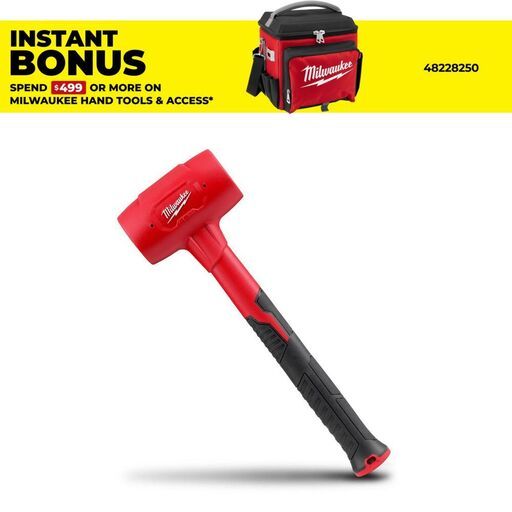

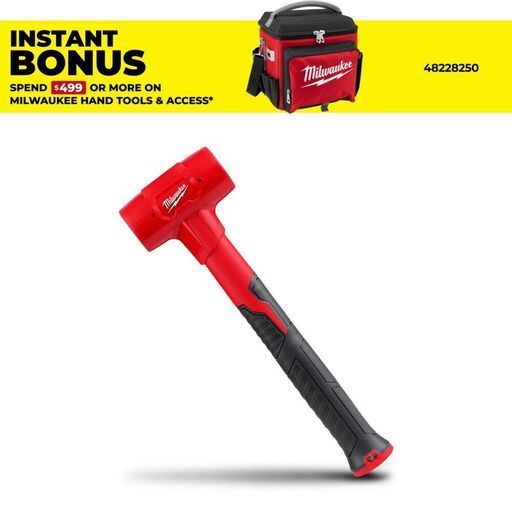
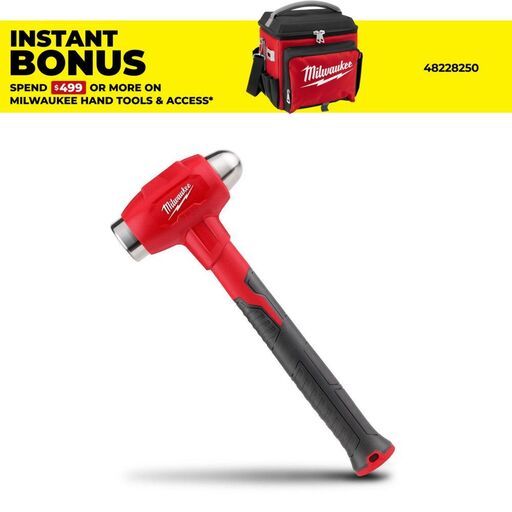


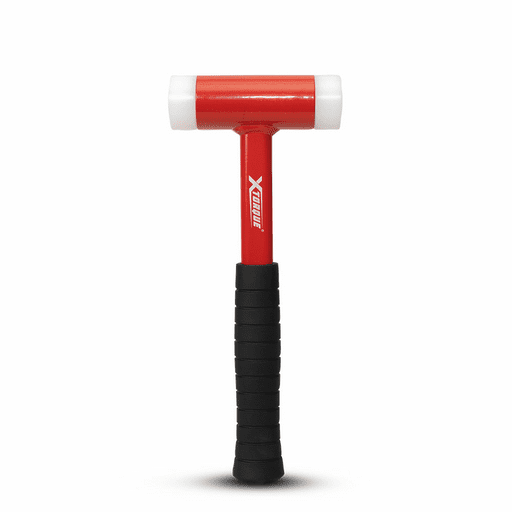




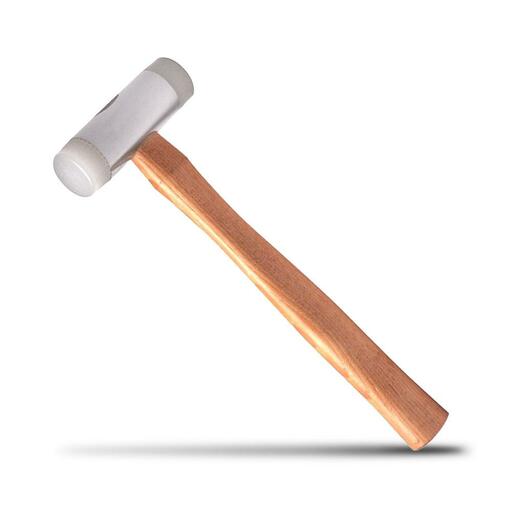
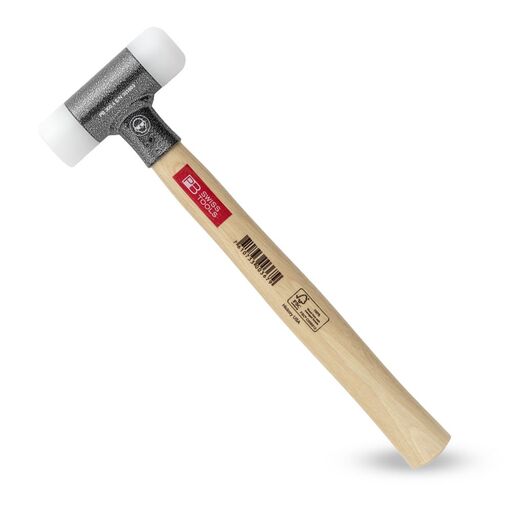


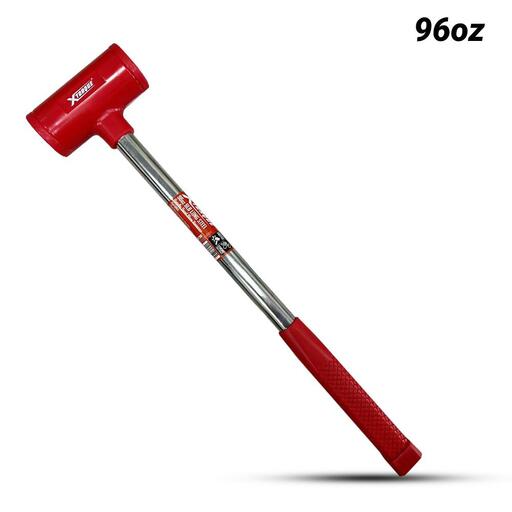
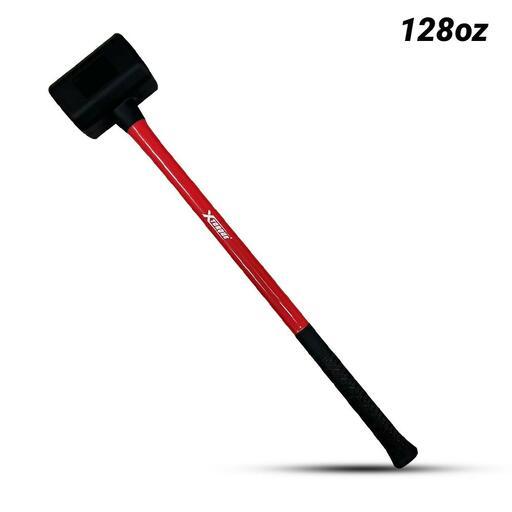

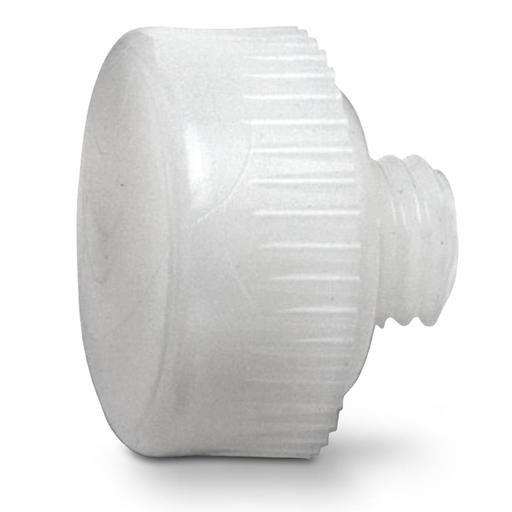

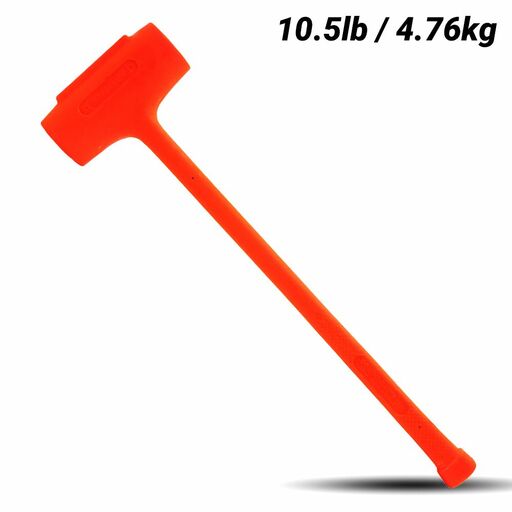
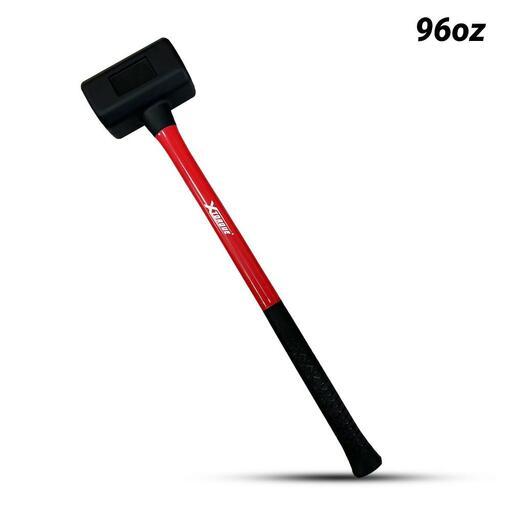


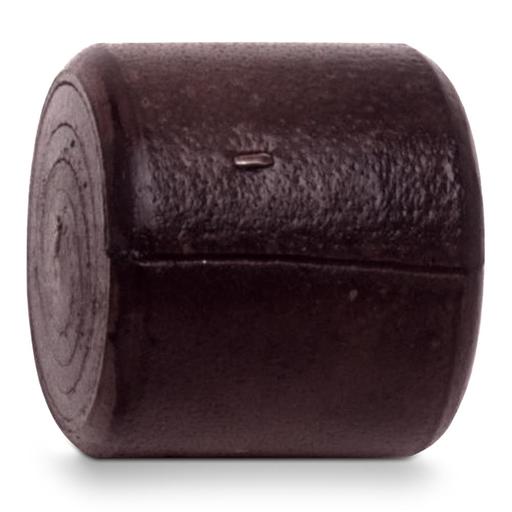





Why Purpose-Built Dead Blow Hammers Are Useful
A traditional hammer often rebounds after the first strike. That bounce can throw off your aim or mark nearby parts. A dead blow sledge hammer limits that rebound and keeps the strike where you intended.
This is especially useful during disassembly, alignment, and seating work. Components move steadily and predictably, and surrounding parts are less likely to be damaged. You can work in confined areas with more confidence and fewer accidental marks.
A proper dead blow hammer helps you:
- Apply force with minimal bounce-back
- Avoid striking adjacent components
- Align panels and assemblies more accurately
- Seat parts cleanly during installation
- Work precisely in tight spaces
They suit automotive bodywork, mechanical repairs, metal fabrication, and general workshop tasks.
Design and Functional Features That Affect Performance
Head weight and mass distribution
Heavier heads provide stronger impact, while balanced weight keeps each strike steady.
Internal fill material
Sand or metal shot inside the head absorbs shock and transfers energy into the workpiece.
Handle length and grip
Longer handles add striking force. Shorter handles improve control. Textured grips help keep the hammer stable during repeated use.
Heavy construction
Heavy casings do not crack or degrade under workshop environments.
Greater precision
Light rebound ensures hits register cleanly on pins, seats, and panels where a secondary rebound would cause injury.
Dead blow hammering works are typically used in conjunction with ball pein hammers, club hammers, copper hand tools, and wedges & punches when various materials or strength of force is needed.
Safe Use and Ongoing Care Practices
Good technique protects both the tool and the job.
- Choose a hammer weight suited to the task
- Maintain a secure grip before striking
- Strike squarely and avoid side blows
- Avoid excessive force on delicate components
- Keep the striking faces clean
After use, wipe away oil, grease, and dirt. Inspect the head and handle for cracks or looseness. Store the hammer in a dry, protected area to extend service life.
Why Purchase Dead Blow Hammers from Sydney Tools
Our dead blow hammers are great for automotive, workshop and mechanical use. Various head weights and handles allow you to choose the hammer that is right for your application.
At Sydney Tools we offer:
- A sensible range of dead blow hammers and dead blow sledges
- Light to heavy weights for all your striking tasks
- Solid construction to stand up to workshop abuse
- Low prices in store and online
- Expert advice that is easy to understand
- In store and online support
Choosing the correct hammer means hitting tasks become controlled and calculated instead of aggressive and chaotic.
FAQs
What advantages do dead blow hammers offer over traditional ball pein or claw hammers in automotive work?
They reduce rebound and lower the risk of damaging nearby components.
How does internal fill material influence the performance of a dead blow hammer?
The fill absorbs impact energy and directs more force into the component.
When is it better to choose a heavier dead blow hammer versus a lighter one?
Heavier hammers suit stubborn components. Lighter hammers suit delicate alignment and panel work.
Can dead blow hammers be used for seating bearings and bushings without damage?
Yes. Controlled impact helps seat components without marking them.
What handle design features improve control during repetitive striking tasks?
Textured grips and balanced handle length improve comfort and accuracy.
Are synthetic-filled dead blow hammers better than metal shot-filled ones for automotive use?
Both work well. The choice depends on weight preference and component sensitivity.
How should I protect the striking faces from chipping or deformation over time?
Avoid striking hardened surfaces and keep faces clean.
Do dead blow hammers require any special care after exposure to oil or grime?
Wipe clean and inspect regularly.
What safety measures should I take when working near sensitive components with a dead blow hammer?
Moderate force, proper hammer weight, and eye protection.
Are there any indicators that a dead blow hammer should be replaced as opposed to repaired?
A cracked head, loose handle, or material separating would mean you should replace it.
Find the Right Dead Blow Hammer Today
Apply controlled impact where it matters. Browse the full range of dead blow hammers online or visit your nearest Sydney Tools store for practical advice and dependable workshop solutions.


