
Login
Login
- Popular Categories
- Shop By Brand
- Tool Accessories
- Air Compressor
- Hand Tools
- Laser Levels
- Mechanical Workshop
- Pressure Washers
- Welding
- Chainsaws
- Lawn Mowers
- Whipper Snippers
- Categories
- Adhesives & Sealants
- Air Tools
- Diamond Tools
- Fans
- Fasteners
- Generators
- Ladders
- Lubricants & Chemicals
- Power Garden
- Safety Equipment
- Scaffold
- Silica Dust Solutions
- Storage
- Test - Measure - Locate
- Transportation & Lifting
- Vacuum & Dust Extractors
- Water Pumps
Mechanical Workshop / Club Hammers
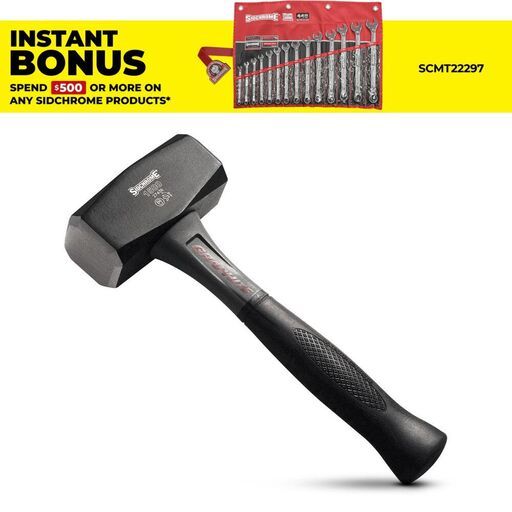
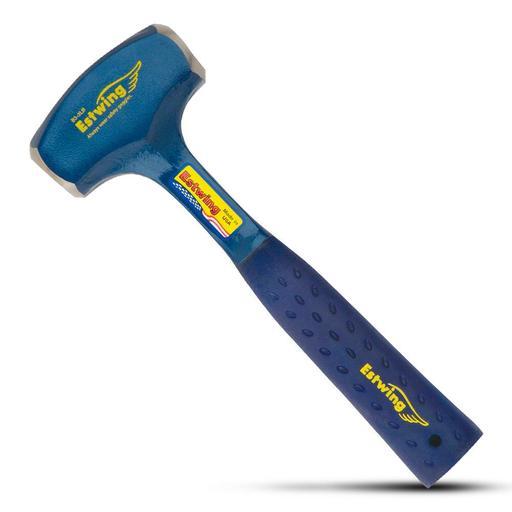
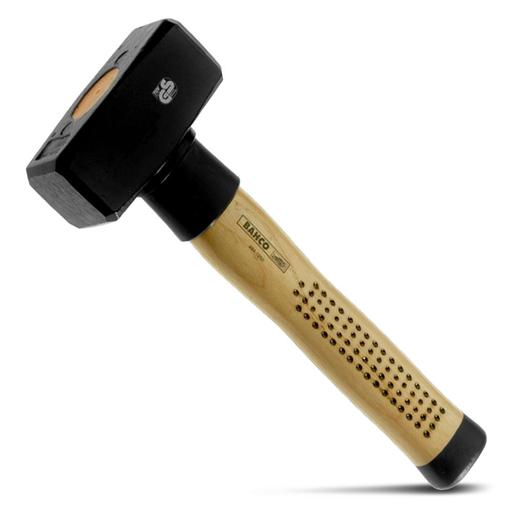
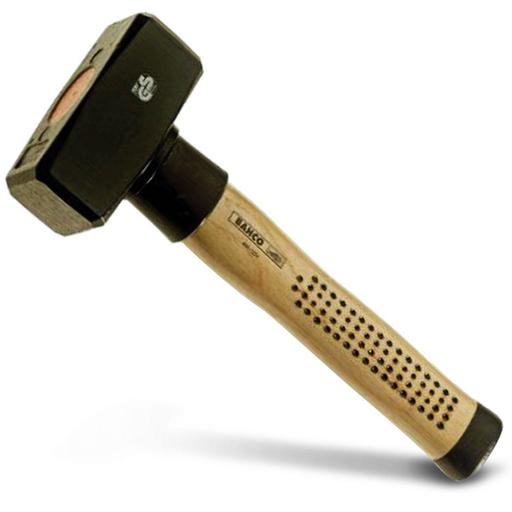
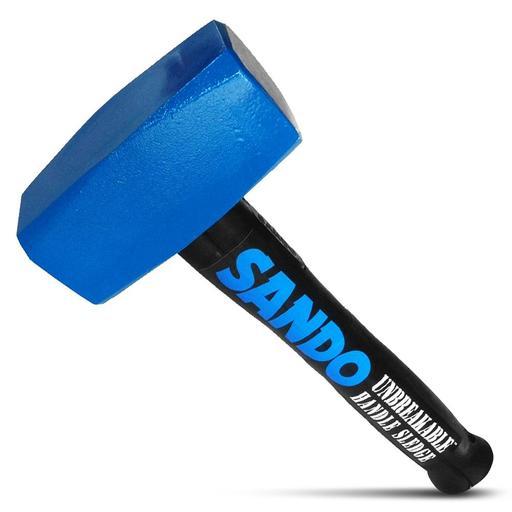
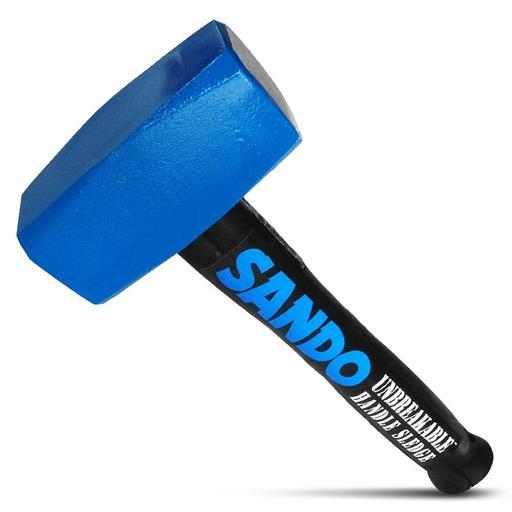
A club hammer fills the gap between a light hammer and a full sledge. When you need more impact but still want control, this is the tool that makes sense. A club hammer delivers solid force in a compact shape that feels balanced in the hand.
Often called a lump hammer, it is commonly used for driving chisels, shifting stubborn components, or backing up heavy striking work. A brick hammer variation adds a chisel end for masonry, though in mechanical settings the focus is simple. Deliver controlled power without an oversized swing.





Why Club Hammers Matter
Some workshop jobs need weight behind them. A club hammer provides concentrated force without the long handle of a sledge. The shorter length gives you better control, especially around engines, suspension parts, or tight work areas.
With a lump hammer, the head weight does most of the work. You can apply steady, confident strikes without overreaching or losing balance. That makes it a practical choice for loosening seized parts or driving wedges and punches.
A good club hammer allows you to:
- Strike with force and control
- Drive chisels and wedges with confidence
- Unstuck or seized parts
- Reach into tighter spaces with more balance
- Apply more force with less swing
They're useful for auto repairs, metal fabrication, light demolition and general shop work.
Key Design and Functional Features
Head weight options
Lighter heads suit controlled adjustment work. Heavier heads suit tougher striking tasks.
Compact handle length
Short handles improve balance and accuracy in confined spaces.
Handle material and grip
Shock-absorbing grips reduce vibration and help limit fatigue during repeated use.
Durable striking faces
Hardened steel faces stand up to regular workshop impact.
Balanced construction
A well-matched head and handle feel steady and predictable during each strike.
Club hammers often sit alongside ball pein hammers, dead blow hammers, copper hand tools, and wedges & punchess when different levels of force or surface protection are needed.
Safe Use and Ongoing Care Practices
Good habits help preserve both tool and job.
- Select a head weight appropriate for the job.
- Strike squarely to avoid glancing blows.
- Keep hands away when driving chisels or punches.
- Shield adjacent parts in tight spaces.
- Do not strike hardened surfaces unnecessarily.
Inspect head and handle for cracks and looseness before heavy use. Keep the hammer clean and store in a dry place to minimize corrosion and face damage.
Why Buy Club Hammers from Sydney Tools
Sydney Tools offers a practical range of club hammer, lump hammer, and brick hammer options suited to automotive and workshop use. Different head weights and handle styles make it easier to match the hammer to the task.
You can expect:
- A dependable range of club hammers and lump hammers
- Weight options for light and heavy striking work
- Durable construction suited to workshop conditions
- Competitive pricing online and in store
- Practical advice from experienced staff
- Support available in store and online
With the right hammer, heavy striking feels controlled rather than awkward.
FAQs
How do I decide between different club hammer head weights for specific automotive tasks?
Lighter heads suit controlled adjustments, while heavier heads help with seized or stubborn parts.
What handle design features help reduce user fatigue during repetitive striking?
Shock-absorbing grips and balanced handles help reduce vibration.
Can club hammers be used to drive cold chisels safely without damaging tool faces?
Yes, when you strike squarely and avoid excessive force.
How does compact hammer length influence control compared with longer striking tools?
Shorter length improves control in tight areas and reduces over-swing.
What are the signs that a club hammer handle or head is becoming unsafe due to wear?
Loose heads, visible cracks, or chipped striking faces.
Are there situations where a club hammer is not appropriate and a dead blow or ball pein hammer is better?
Yes, softer or more controlled strikes may call for those alternatives.
How should I protect adjacent components when using a club hammer in confined areas?
Use protective covers or position shielding where possible.
What storage practices help preserve hammer striking faces and reduce corrosion?
Keep the hammer clean and store it in a dry, organised space.
Do different head materials affect performance in automotive use?
Hardened steel improves durability, while protective coatings help resist corrosion.
How often should I inspect a club hammer before heavy workshop use?
Check it before demanding tasks to confirm the head and handle are secure.
Find the Right Club Hammer Today
Choose the right balance of weight and control. Browse the full range of club hammer, lump hammer, and brick hammer options online or visit your nearest Sydney Tools store for practical advice and dependable workshop striking tools.


