
Login
Login
- Popular Categories
- Shop By Brand
- Tool Accessories
- Air Compressor
- Hand Tools
- Laser Levels
- Mechanical Workshop
- Pressure Washers
- Welding
- Chainsaws
- Lawn Mowers
- Whipper Snippers
- Categories
- Adhesives & Sealants
- Air Tools
- Diamond Tools
- Fans
- Fasteners
- Generators
- Ladders
- Lubricants & Chemicals
- Power Garden
- Safety Equipment
- Scaffold
- Silica Dust Solutions
- Storage
- Test - Measure - Locate
- Transportation & Lifting
- Vacuum & Dust Extractors
- Water Pumps
Mechanical Workshop / Oil Transfer Pumps
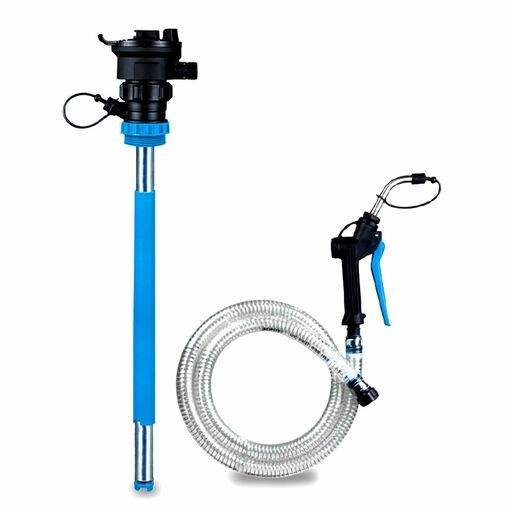
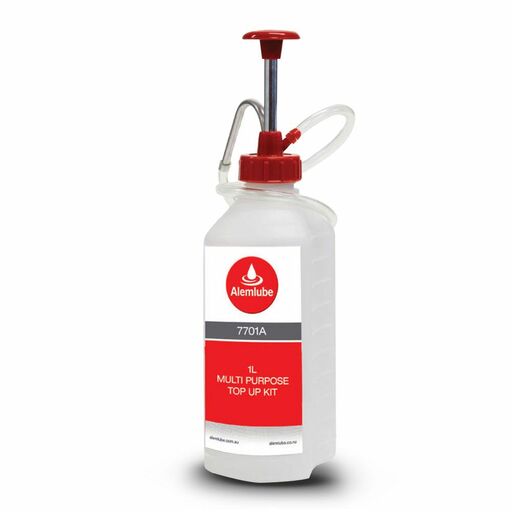
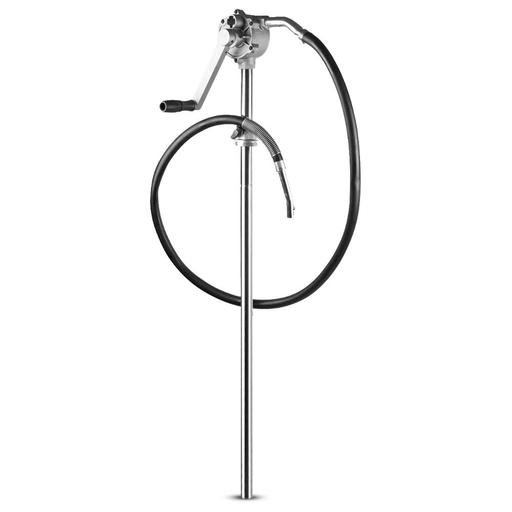
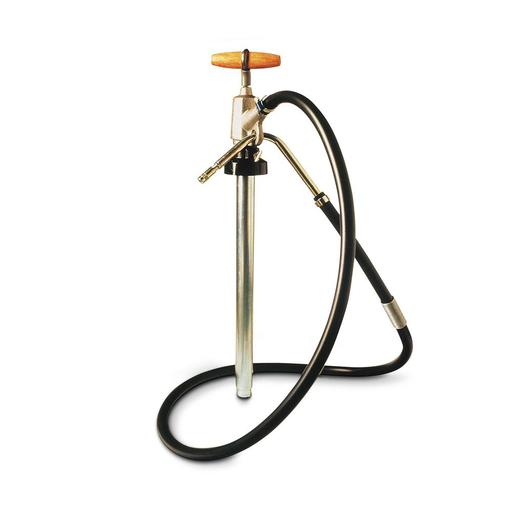
Oil transfer pumps are fluid-handling tools used in automotive, workshop, and maintenance environments to move oil and other compatible liquids from one container to another. They are designed to assist with tasks such as draining engine oil, transferring lubricants, and filling reservoirs where manual pouring would be difficult, inaccurate, or messy. By providing controlled movement of fluids, oil transfer pumps help technicians work more efficiently and keep work areas cleaner.














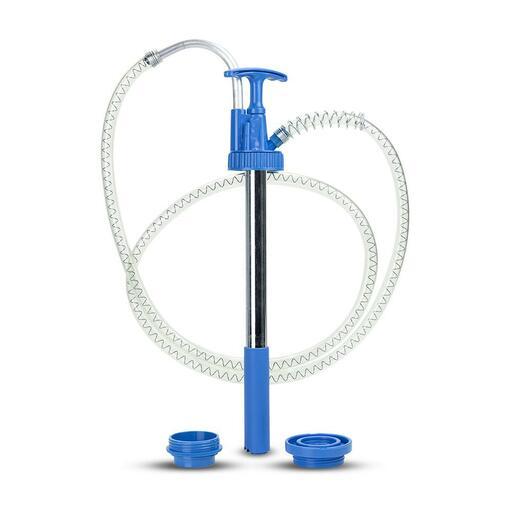
Why Reliable Oil Transfer Pumps Matter
Selecting dependable oil transfer pumps helps technicians manage fluid changes and transfers more cleanly and efficiently, reducing spills and mess in garages and service areas. Purpose-built pumps allow controlled fluid movement, which is especially important during routine maintenance and servicing tasks where precision and cleanliness save time and reduce waste.
Key Functional Features and Design Considerations
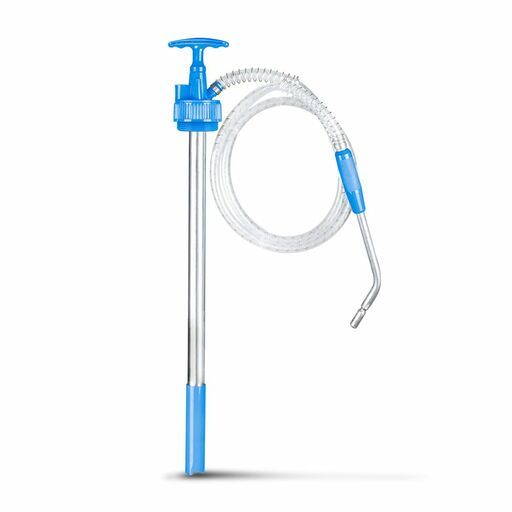
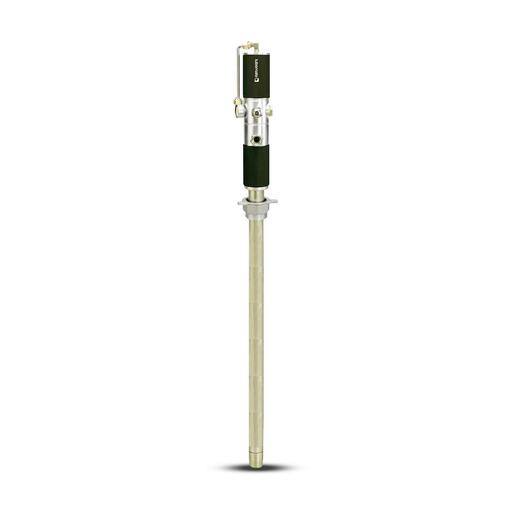
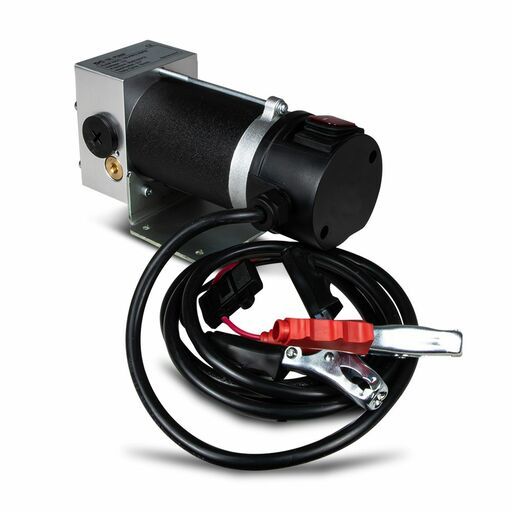
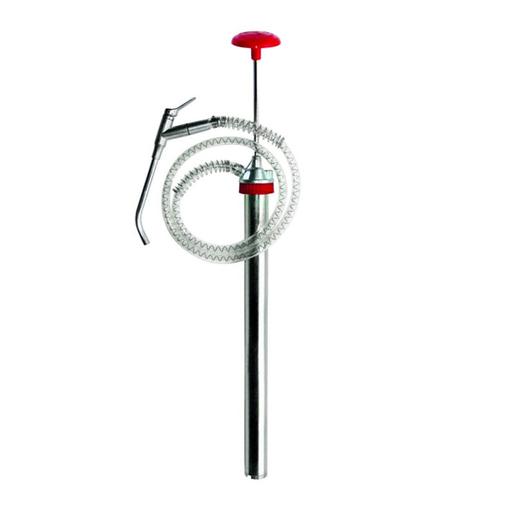
- Pump type: Manual pumps suit low-volume or occasional use, electric pumps offer faster transfer for frequent tasks, and pneumatic pumps are ideal for workshops with compressed air systems.
- Flow capacity and speed: Higher flow rates reduce transfer time but should be balanced with control needs.
- Hose length and fitting compatibility: Adequate hose length and correct fittings ensure access to tight spaces and secure connections to containers or vehicle components.
- Material construction: Chemically resistant materials help the pump withstand oils, lubricants, and other automotive fluids.
- Ergonomic design: Comfortable grips, stable bases, and easy-to-operate controls improve handling and reduce operator fatigue.
Safe Use and Ongoing Care Practices
- Secure the pump and hoses properly before use to prevent leaks or disconnections.
- Use only fluids that are compatible with the pump’s materials to avoid damage.
- Keep hands, clothing, and equipment clear of moving parts during operation.
- Clean the pump, hoses, and fittings after use to prevent cross-contamination.
- Inspect seals, hoses, and connections regularly for signs of wear or cracking.
- Store the pump in a dry, protected area when not in use.
Why Buy Oil Transfer Pumps from Sydney Tools
Sydney Tools offers a wide selection of oil transfer pumps suited to automotive and workshop fluid-handling needs, with varying flow rates, pump types, and configurations to match different tasks like fluid transfer, fluid extractors and oil/grease hoses & reels. Customers benefit from competitive pricing and access to knowledgeable in-store or online support, making it easier to select the right pump for specific applications.
Frequently Asked Question (FAQs)
When should I use an oil transfer pump instead of manual pouring for fluid changes?
When accuracy, cleanliness, or access is limited, an oil transfer pump provides better control and reduces spills compared to manual pouring.
How do I choose the right pump type (manual, electric, or pneumatic) for my workshop?
Consider how often you perform fluid transfers, the volume involved, and whether you have access to power or compressed air.
Can oil transfer pumps handle fluids other than engine oil, such as transmission fluid or gear oil?
Many pumps can handle a range of automotive fluids, provided the pump materials are compatible with the fluid’s properties.
What safety precautions should I follow when transferring hot oil?
Allow oil to cool where possible, wear appropriate protective gear, and ensure hoses and seals are rated for the temperature.
How can I prevent leaks and spills during fluid transfer operations?
Use secure fittings, check hose connections before starting, and operate the pump at a controlled speed.
What maintenance practices help extend the life of an oil transfer pump?
Regular cleaning, inspection of seals and hoses, and proper storage all help prolong pump life.
Are longer hoses always better, or can they make handling more difficult?
Longer hoses improve reach but may reduce control or increase drag, so choose a length suited to your workspace.
Can oil transfer pumps be used with different vehicle types, from cars to trucks?
Yes, selecting the appropriate capacity and hose length allows use across a wide range of vehicle sizes.
What signs indicate a oil suction pump hose or seal needs replacement?
Cracks, swelling, leaks, or reduced suction are common indicators of wear.
How should I clean the pump after transferring dirty or contaminated fluids?
Flush the oil extractor pump with a compatible cleaning fluid, wipe external surfaces, and allow components to dry before storage.
Make Fluid Transfers Cleaner and Easier
Move oil with confidence and control using the right setup for your workshop. Explore the range online or visit your nearest Sydney Tools store to compare pump types, flow rates, and hose options, and choose a solution that fits the way you work.


