
Login
Login
- Popular Categories
- Shop By Brand
- Tool Accessories
- Air Compressor
- Hand Tools
- Laser Levels
- Mechanical Workshop
- Pressure Washers
- Welding
- Chainsaws
- Lawn Mowers
- Whipper Snippers
- Categories
- Adhesives & Sealants
- Air Tools
- Diamond Tools
- Fans
- Fasteners
- Generators
- Ladders
- Lubricants & Chemicals
- Power Garden
- Safety Equipment
- Scaffold
- Silica Dust Solutions
- Storage
- Test - Measure - Locate
- Transportation & Lifting
- Vacuum & Dust Extractors
- Water Pumps
Mechanical Workshop / Fluid Extractors
Fluid extractors are practical automotive tools designed to remove liquids such as engine oil, coolant, brake fluid, transmission fluid, and power-steering fluid without the need to access drain plugs or dismantle hard-to-reach components. By drawing fluids out through dipstick tubes or service ports, fluid extractor pumps make routine maintenance cleaner, faster, and more efficient, reducing mess, downtime, and unnecessary disassembly.


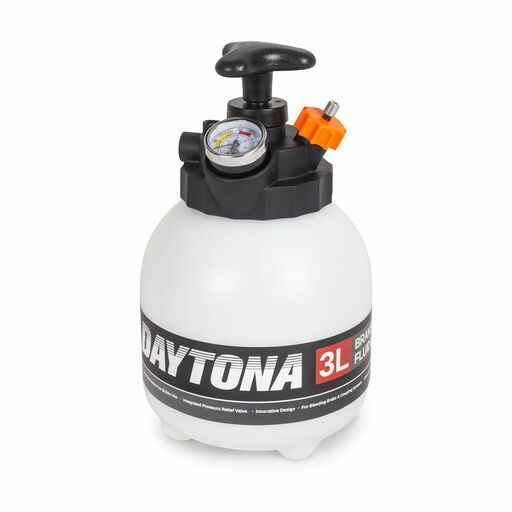


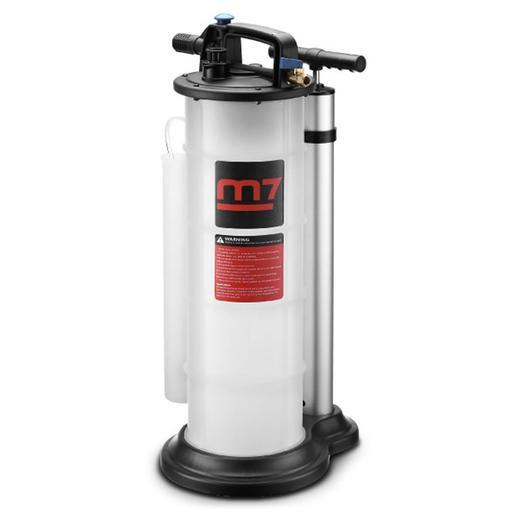


Why Choosing the Right Fluid Extractor Matters
Selecting a fluid extractor that suits the task simplifies regular servicing and helps maintain a tidy, safe workshop. A well-matched extractor minimises spills, allows controlled fluid removal, and improves workflow during routine service jobs on cars, motorcycles, and light commercial vehicles. The right fluid pump also reduces strain and guesswork, enabling consistent results whether you’re handling small top-ups or full fluid changes.
Key Features & Design Points to Highlight
When choosing a fluid extractor, consider the following:
- Pump Type:
- Manual extractors offer simplicity and portability.
- Vacuum units provide controlled suction with minimal effort.
- Electric extractors are ideal for larger volumes and frequent professional use.
- Hose Length & Flexibility: Long, flexible hoses help reach deep or recessed reservoirs and dipstick tubes.
- Container Capacity: Match capacity to the volume of fluid being removed to avoid frequent emptying.
- Suction Strength / Pressure Control: Adjustable or stable suction prevents over-extraction and air intake.
- Fluid Compatibility: Ensure seals and hoses are suitable for various fluids and viscosities.
- Build Quality: Durable materials and quality seals improve longevity in workshop environments.
- Portability: Compact designs are easier to move between vehicles or store when not in use.
- Ease of Cleaning: Units that disassemble easily simplify maintenance and reduce cross-contamination.
- Intended Use: Some models are built for daily professional servicing, while others suit occasional home maintenance.
Safe Use & Care Guidance
For safe and effective operation:
- Ensure the engine and fluid systems are cool before extraction.
- Avoid siphoning highly flammable fluids without proper ventilation and safety precautions.
- Position the hose carefully to reach the lowest point of the reservoir.
- Monitor the extracted fluid level to prevent over-suction or drawing in air.
- Empty and clean the extractor after each use.
- Inspect hoses and seals regularly for wear or damage.
- Store the unit in a clean, dry area to prevent contamination.
Why Buy Fluid Extractors from Sydney Tools
Sydney Tools offers a curated range of fluid extractors designed for automotive servicing, with clear specifications to help match suction capacity, pump type, and hose design to your task. Competitive pricing, compatible accessories such as additional oil transfer pumps and syringes, and expert advice both online and in store ensure you can confidently select the right fluid transfer for your maintenance needs.
Frequently Asked Question (FAQs)
Can a fluid extractor safely remove oil from an engine with minimal under-vehicle access?
Yes, fluid extractors are ideal for oil removal through dipstick tubes without lifting the vehicle.
Are electric extractors better than manual ones for larger fluid volumes?
Electric models are more efficient for high volumes or frequent use, while manual units suit smaller jobs.
What adaptations help when extracting fluid from awkward or recessed reservoirs?
Flexible, narrow-diameter hoses improve access to tight or deep spaces.
How can I prevent air locks in the suction hose during extraction?
Ensure the hose is fully submerged in the fluid and maintain steady suction.
Is it safe to use a fluid extractor on hot fluids if the system has just been run?
No, allow fluids to cool to avoid injury and damage to the extractor.
What features help differentiate extractors suited for professional use versus occasional jobs?
Higher capacity, stronger suction, durable seals, and electric pumps suit professional environments.
Can one extractor handle both thin fluids and thicker ones?
Many models can, but always check manufacturer specifications for fluid compatibility.
How do I know when a fluid extractor’s seal or hose needs replacing?
Loss of suction, visible cracks, or leaks indicate worn components.
Are there hazards to avoid when extracting fuel or low-flashpoint liquids?
Yes, ensure proper ventilation, avoid sparks, and use only extractors rated for such fluids.
How can I check that all intended fluid has been removed without over-suction?
Monitor flow changes and fluid levels, stopping extraction when suction begins to draw air.
Find the right fluid extractor today
Make fluid changes cleaner and easier every time. Browse fluid extractors online or visit your nearest Sydney Tools store location to compare designs, check capacities, and get hands-on advice before you buy.


