
Login
Login
- Popular Categories
- Shop By Brand
- Tool Accessories
- Air Compressor
- Hand Tools
- Laser Levels
- Mechanical Workshop
- Pressure Washers
- Welding
- Chainsaws
- Lawn Mowers
- Whipper Snippers
- Categories
- Adhesives & Sealants
- Air Tools
- Diamond Tools
- Fans
- Fasteners
- Generators
- Ladders
- Lubricants & Chemicals
- Power Garden
- Safety Equipment
- Scaffold
- Silica Dust Solutions
- Storage
- Test - Measure - Locate
- Transportation & Lifting
- Vacuum & Dust Extractors
- Water Pumps
Electrical / Kincrome Hand Tools & Accessories / Crimpers & Presses
Crimpers and presses are specialised handheld or bench-mounted tools used to compress terminals, lugs and connectors onto electrical cables and conductors. These tools apply controlled force to form secure, low-resistance connections that are essential for reliable electrical installations and assemblies.
They are commonly used alongside Cable Cutters & Strippers for cable preparation, Heat Shrink for insulating and protecting completed terminations, interchangeable Dies matched to connector profiles, and a range of Copper Hand Tools for shaping and handling conductors during installation work.
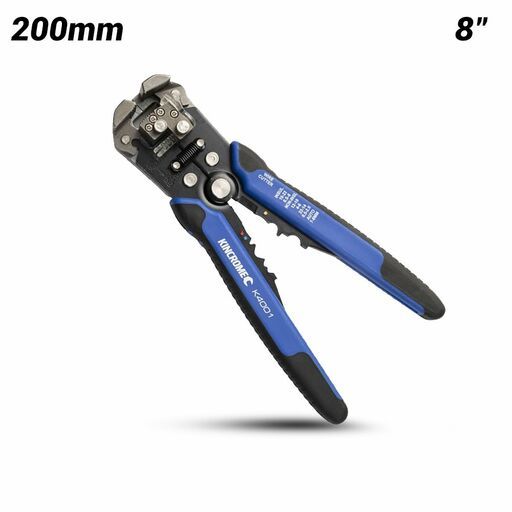
Where Crimpers and Presses Are Applied
Electric crimpers and presses are used when electricians, technicians and tradespeople need to:
- Terminate cables with insulated or non-insulated connectors
- Attach lugs for switchboards and power distribution systems
- Prepare cable harnesses and assemblies in workshop environments
- Complete field terminations on residential, commercial and industrial sites
Key Design and Functional Attributes
When selecting electric cable crimpers or press tools, consider the following attributes:
- Jaw or die profiles matched to specific connector types and conductor sizes
- Suitable crimp force and operating range for copper or aluminium conductors
- Ergonomic handle design for safe, controlled operation
- Ratcheting mechanisms for consistent compression
- Durable construction to withstand repeated job site or workshop use
Safe Use and Ongoing Care Practices
For long-term reliability:
- Inspect dies and jaws regularly for wear or deformation
- Keep moving parts clean and lubricated where recommended
- Store tools in protective cases or organised racks
- Avoid applying excessive force beyond the tool’s rated capacity
- Replace worn dies to maintain accurate crimp profiles
Why Buy Crimpers and Presses from Sydney Tools
At Sydney Tools we offer a range of electric crimping tools suited to electrical termination, switchboard assembly and harness preparation tasks. With competitive pricing and access to in-store and online support, customers can select the right crimping tool and accessory set for secure, professional cable termination work.
Frequently Asked Questions (FAQs)
What conductor sizes and connector types can different wire crimps accommodate?
Crimpers vary by design and die set, supporting specific conductor cross-sectional areas and connector profiles such as insulated terminals, non-insulated lugs and heavy-duty cable lugs.
How do I choose between handheld crimpers and larger bench presses?
Handheld crimpers are ideal for smaller conductors and on-site work, while bench presses or hydraulic presses are better suited for high-volume tasks or larger power cables.
Can crimpers and presses handle both copper and aluminium conductors effectively?
Yes, provided the tool and dies are rated for the specific conductor material and size. Always confirm compatibility before use.
What die sets are required for common electrical connector profiles?
Different connector types require matching die shapes, such as hex, indent or oval profiles. Refer to connector manufacturer recommendations to select the correct die set.
How often should crimping dies be inspected for wear?
Dies should be checked regularly, particularly in high-use environments. Signs of rounding, cracking or inconsistent crimp results indicate the need for replacement.
What indicators show a properly formed crimp connection?
A correct crimp typically shows uniform compression, secure mechanical retention, and no visible damage to the conductor or connector body.
Are insulated and non-insulated connector crimps performed differently?
Yes, they often require different die profiles and compression settings to ensure correct deformation without damaging insulation sleeves.
Can crimpers be used on communication cables as well as power cables?
Some specialised crimpers are designed for communication connectors, while heavy-duty models are intended for power conductors. Ensure the tool matches the application.
What safety precautions are necessary when operating a crimp press?
Keep hands clear of moving parts, use appropriate personal protective equipment, confirm correct die installation and avoid exceeding the rated force capacity.
How should crimping tools be stored to maintain performance?
Store tools clean and dry in protective cases or tool storage systems, and keep dies organised to prevent damage or loss.
Secure Every Connection with Professional Precision
Ensure your terminations are grounded in total reliability and safety. Browse our full range of crimpers and presses online or visit your nearest Sydney Tools store locations to find the perfect cordless crimping tool or wire crimp set for your needs.


