
Login
Login
- Popular Categories
- Shop By Brand
- Tool Accessories
- Air Compressor
- Hand Tools
- Laser Levels
- Mechanical Workshop
- Pressure Washers
- Welding
- Chainsaws
- Lawn Mowers
- Whipper Snippers
- Categories
- Adhesives & Sealants
- Air Tools
- Diamond Tools
- Fans
- Fasteners
- Generators
- Ladders
- Lubricants & Chemicals
- Power Garden
- Safety Equipment
- Scaffold
- Silica Dust Solutions
- Storage
- Test - Measure - Locate
- Transportation & Lifting
- Vacuum & Dust Extractors
- Water Pumps
Mechanical Workshop / Oil Transfer Syringe
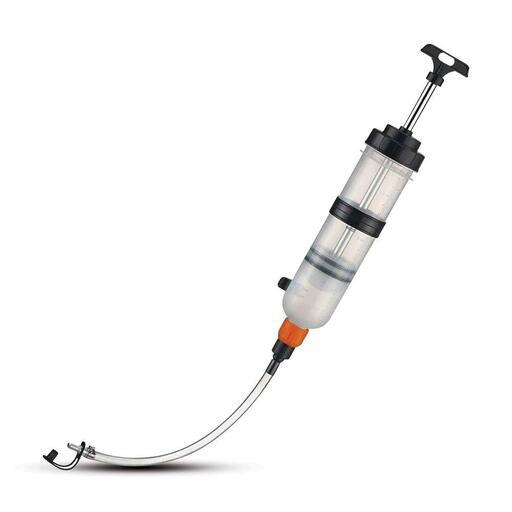
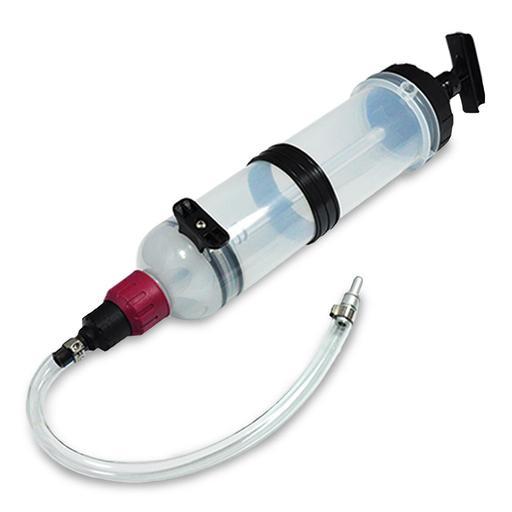
An oil transfer syringe gives you a simple way to move small amounts of fluid where accuracy matters. In automotive work, that often means topping up gearboxes, differentials, or other components where access is limited and pouring directly is not practical. An oil syringe allows you to draw fluid from a container and deliver it exactly where it is needed.
An oil extractor syringe works in both directions. It can remove fluid from a tight space or inject fresh oil during servicing. These tools are especially useful when working in confined areas where larger equipment cannot reach. With the right oil transfer syringe, fluid handling becomes controlled and far less messy.




Why Oil Transfer Syringes Matter
Small fluid adjustments are common in workshop servicing. Differential oil, transmission fluid, or engine oil may need to be topped up in areas where a bottle or funnel will not fit. An oil transfer syringe allows technicians to move fluid with precision and minimal waste.
Because the syringe can both draw and dispense fluid, it is also useful for removing excess oil or sampling fluid during inspection. This level of control helps keep servicing tidy and avoids spills around sensitive components.
A suitable oil transfer syringe helps you:
- Transfer small volumes of oil accurately
- Top up fluids in tight engine or drivetrain spaces
- Extract excess or contaminated fluid
- Reduce spills during servicing
- Maintain cleaner, more controlled fluid handling
Oil transfer syringes are commonly used in automotive workshops, maintenance environments, and service bays where precision fluid handling is required.
Key Design and Functional Features
Syringe capacity
Different capacities suit quick top-ups or slightly larger fluid transfers during servicing.
Nozzle length and design
Long or narrow nozzles help reach into confined engine and drivetrain areas.
Chemical-resistant materials
Durable plastics and seals are designed to handle common automotive oils and fluids.
Clear body markings
Graduated markings help measure fluid volumes accurately.
Smooth plunger operation
A well-sealed plunger allows controlled fluid draw and delivery.
Oil transfer syringes are often used alongside oil transfer pumps, fluid extractors, fluid transfer equipment, and oil/grease hoses & reels when managing fluids during vehicle servicing.
Safe Use and Ongoing Care Practices
Basic care will prolong syringe life.
- Only use the syringe with recommended fluids.
- Inject fluids slowly to avoid introducing air bubbles into the system.
- Keep the nozzle clean when inserting into other components.
- Empty and flush the syringe when finished.
- Store in a clean, dry area.
Flush the syringe with clean fluid and allow to dry if used with viscous oils or contaminated fluid before storing. Cleaning the syringe regularly will help maintain the plunger seal and ensure precise fluid delivery.
Why Buy Oil Transfer Syringes from Sydney Tools
From Sydney Tools you can find oil transfer syringe, oil syringe and oil extractor syringe which make dealing with small amounts of fluids much easier. Heavy duty products with simple plungers allow for easier and mess-free transfers.
You can expect:
- A quality range of oil transfer syringes
- Various sizes to match the amount of fluid you need to transfer
- Heavy duty design to stand up to workshop activities
- Affordable prices in store and online
- Easy guidance from our knowledgeable staff
- In store and online support.
Give yourself the upper hand and make adding or removing small amounts of fluid easy with the right oil syringe.
FAQs
What syringe capacity is most suitable for small-volume topping up versus larger fluid transfers?
Smaller syringes work well for precise top-ups, while larger capacities reduce repeated refilling when transferring more fluid.
How does nozzle length and shape affect access in confined engine or component areas?
Longer, narrow nozzles help reach recessed fill points and tight engine spaces.
Are there materials or seal types that resist degradation from different automotive fluids?
Chemical-resistant plastics and quality seals help syringes handle common oils and fluids.
What practices help prevent air bubbles from entering the fluid during syringe transfer?
Draw fluid slowly and keep the nozzle submerged while filling.
How do you clean and dry syringes when used with viscous or dirty oils?
Rinse the syringe out with an appropriate cleaning solvent and allow to dry before storing.
Can syringes for oil transfer be used with brake or transmission fluids instead of engine oil?
There are some that will work with more than one type of fluid. Check for material compatibility first.
What signs indicate that a syringe plunger seal is losing effectiveness?
Reduced suction, leakage, or inconsistent fluid movement can indicate seal wear.
Are there ergonomic plunger designs that reduce hand fatigue during extended use?
Yes. Larger handles and smoother plungers help reduce effort during repeated use.
How do I avoid cross-contamination when using the same syringe for multiple fluids?
Clean the syringe thoroughly between uses or dedicate separate syringes to specific fluids.
When is a syringe preferable to a small pump or bulb oiler for fluid transfer?
A syringe is ideal when precise control and small fluid volumes are required.
Find the Right Oil Transfer Syringe Today
Precisely dispense small amounts of fluid. View our online selection of oil transfer syringes or come into Sydney Tools for expert advice and dependable workshop fluid instruments.


