
Login
Login
- Popular Categories
- Shop By Brand
- Tool Accessories
- Air Compressor
- Hand Tools
- Laser Levels
- Mechanical Workshop
- Pressure Washers
- Welding
- Chainsaws
- Lawn Mowers
- Whipper Snippers
- Categories
- Adhesives & Sealants
- Air Tools
- Diamond Tools
- Fans
- Fasteners
- Generators
- Ladders
- Lubricants & Chemicals
- Power Garden
- Safety Equipment
- Scaffold
- Silica Dust Solutions
- Storage
- Test - Measure - Locate
- Transportation & Lifting
- Vacuum & Dust Extractors
- Water Pumps
Mechanical Workshop / Lifting Equipment
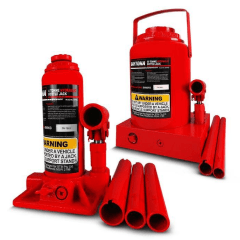
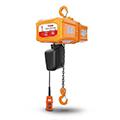
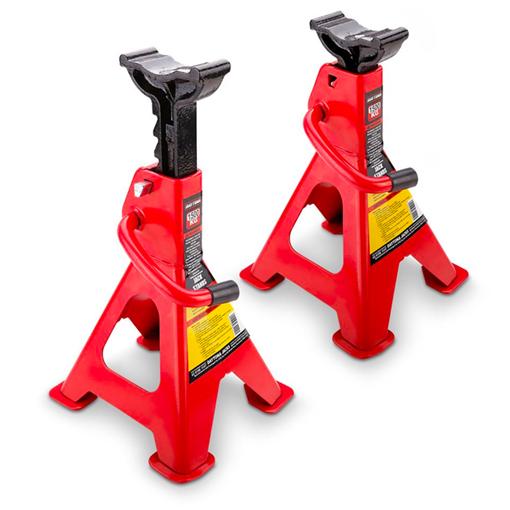
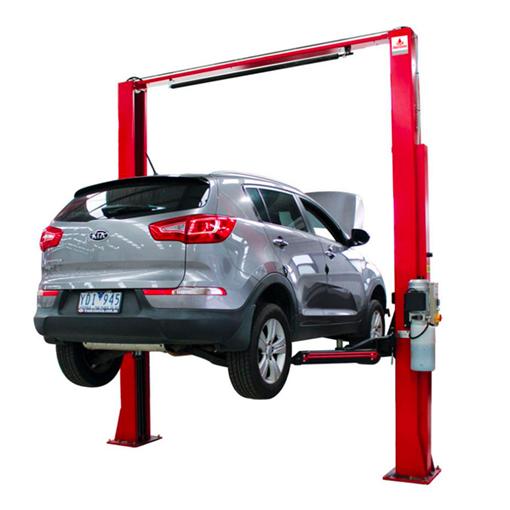
Lifting equipment is a fundamental part of any automotive workshop or garage, providing safe and reliable ways to elevate vehicles or heavy components for servicing, inspection and repair. Lifting equipment covers a wide range of solutions, from jacks stands and vehicle hoists to full vehicle lifts. Designed to improve accessibility beneath vehicles, reducing strain and supporting safer work practices.


Why Quality Lifting Equipment Is Crucial
Choosing the right lifting equipment is essential for the safe and stable elevation of vehicles and heavy components in automotive workshops and garages. Quality lifting solutions minimise the risk of injury, vehicle movement or equipment failure, while also protecting valuable assets from damage. By raising loads to secure, accessible working heights, reliable lifting equipment improves workflow efficiency and allows technicians to work comfortably and confidently beneath or around elevated vehicles and components.
Key Product Characteristics to Highlight
- Load capacity: Always match or exceed the vehicle or component weight to ensure safe lifting.
- Lifting range & height: Adequate lift height improves access to underbody areas and supports a wide range of service tasks.
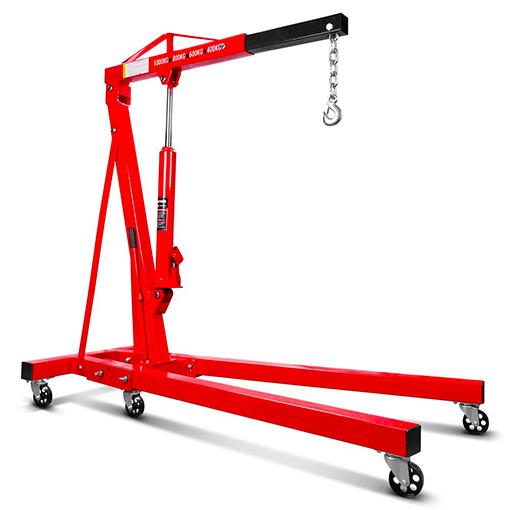
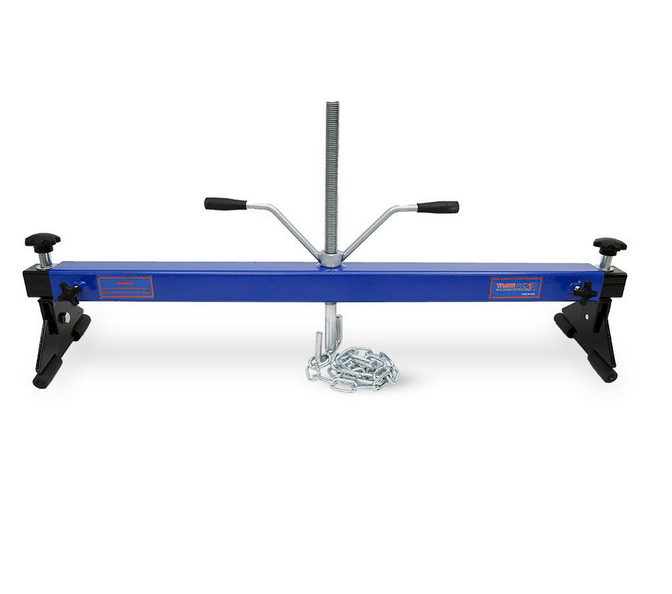
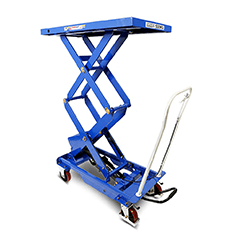
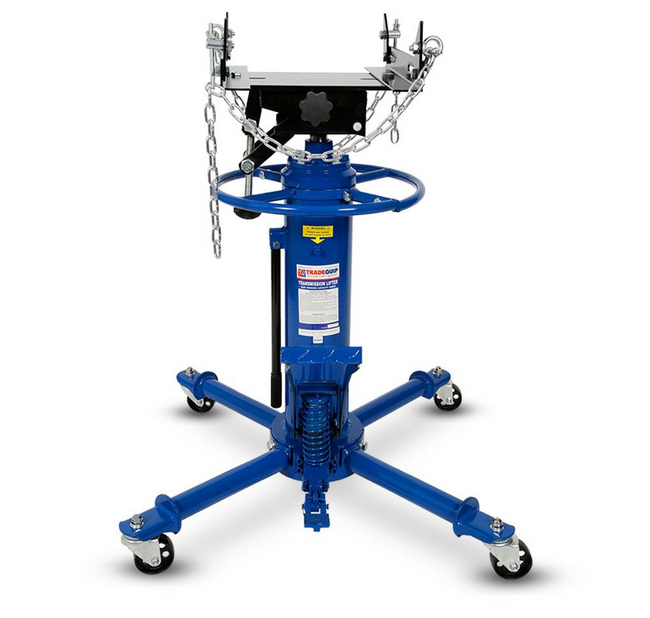
- System type: Options include hydraulic jacks, trolley and bottle jacks, scissor lifts, engine cranes, transmission jacks and full floor or two-post lifts — each suited to different tasks and workshop layouts.
- Build strength & finish: Heavy-duty steel construction, reinforced frames and protective finishes support durability in workshop environments.
- Stability features: Wide bases, reinforced arms, locking pins and mechanical safety locks help maintain secure positioning during use.
- Vehicle compatibility: Ensure compatibility with vehicle size, ground clearance and lift points across cars, SUVs and light commercial vehicles.
- Ease of operation & maintenance: Smooth lifting action, accessible controls and straightforward servicing improve daily usability and long-term reliability.
Best Practice Use & Care Advice
To maintain safe working conditions and extend equipment lifespan:
- Position lifting equipment on a level, stable surface before use.
- Follow all manufacturer instructions and safety guidelines.
- Ensure vehicles are correctly aligned and supported at approved lift points.
- Inspect equipment before each use for signs of wear, oil leaks, cracks or damage.
- Engage safety locks, stands or secondary supports once the load is raised.
- Lower vehicles slowly and in a controlled manner after work is completed.
- Conduct regular inspections and store equipment clean, dry and protected when not in use.
Why Buy Lifting Equipment from Sydney Tools
After a comprehensive range of lifting equipment suitable for both professional workshops and home garages Sydney Tools is the place to be from jack stands to transmission lifters. All products packed with clear specifications to make it easy to match lifting capacity systems. Customers will benefit from competitive prices, trusted build quality from reputable brands and expert advice to help select the right lifting solution.
Frequently Asked Questions (FAQs)
How do I determine which lifting equipment capacity is suitable for my vehicle?
Choose equipment rated above the vehicle’s gross weight to maintain a safety margin.
What safety checks should I perform on a jack or lift before every use?
Check for leaks, structural damage, smooth operation and properly functioning safety locks.
Are there lifting systems better suited for small cars versus large SUVs or trucks?
Yes, heavier vehicles typically require higher-capacity jacks or lifts with wider support points.
How should I position lifting gear to avoid vehicle imbalance when raising?
Always use manufacturer-recommended lift points and ensure even contact before lifting.
What is the best way to support a vehicle once it is lifted before working underneath?
Use approved jack stands, safety locks or secondary supports.
Can lifting equipment be used outdoors, or is it limited to workshop floors?
Some equipment can be used outdoors on level surfaces, but indoor workshop use is preferred.
How often should I inspect hydraulic components for wear or leaks?
Inspect regularly and before use, with more detailed checks scheduled periodically.
What storage practices help prolong the life of lifting equipment?
Store in a clean, dry area with moving parts relaxed and protected from corrosion.
Are there lifting accessories that improve safety or ease of use for awkward loads?
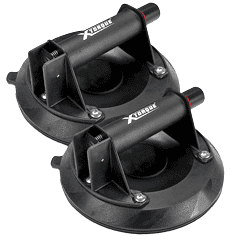
Yes, accessories such as adapters, extension arms and load levellers can improve control.
What signs indicate that lifting gear has worn past its safe service life?
Visible deformation, persistent leaks, unusual noises or unreliable lifting performance indicate replacement or servicing is required.
Find the right lifting equipment today
Whether you’re setting up a home garage or upgrading a busy workshop, the right lifting equipment makes every job safer and easier. Explore Sydney Tools’ full range of lifting solutions online or visit your nearest Sydney Tools store and choose gear you can trust to support your work, protect your vehicle and keep you moving efficiently every day.


