
Login
Login
- Popular Categories
- Shop By Brand
- Tool Accessories
- Air Compressor
- Hand Tools
- Laser Levels
- Mechanical Workshop
- Pressure Washers
- Welding
- Chainsaws
- Lawn Mowers
- Whipper Snippers
- Categories
- Adhesives & Sealants
- Air Tools
- Diamond Tools
- Fans
- Fasteners
- Generators
- Ladders
- Lubricants & Chemicals
- Power Garden
- Safety Equipment
- Scaffold
- Silica Dust Solutions
- Storage
- Test - Measure - Locate
- Transportation & Lifting
- Vacuum & Dust Extractors
- Water Pumps
Mechanical Workshop / Lifting Equipment / Engine Cranes
Engine cranes are essential tools for lifting and moving heavy engines, making them indispensable in automotive workshops and garages. Designed for lifting engines in and out of vehicles, these cranes provide the necessary strength and stability to handle the weight and complexity of engine removal and installation.









Why Choose Engine Cranes?
- Heavy-Duty Lifting: Engine cranes are specifically designed to lift and move heavy engines safely and efficiently.
- Versatility: Can be used for a range of tasks, including engine removal, vehicle repair, and even lifting heavy machinery.
- Ease of Use: Features like adjustable arms and smooth hydraulic mechanisms ensure that lifting and lowering engines is done safely and precisely.
- Durability: Built to withstand tough conditions, ensuring reliability and longevity in demanding environments.
Types of Engine Cranes Available
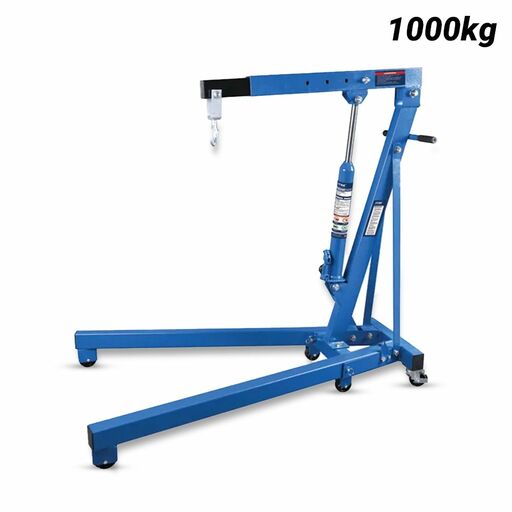
- Hydraulic Engine Cranes: Operate with a hydraulic pump to provide smooth lifting power. Ideal for heavy-duty lifting, they offer excellent control and stability.
- Manual Engine Cranes: Hand-operated cranes that are more affordable and suitable for lighter tasks. While they require more physical effort, they are perfect for smaller engine lifts.
- Folding Engine Cranes: Designed for portability and easy storage, folding cranes can be collapsed when not in use, making them ideal for limited spaces or mobile workshops.
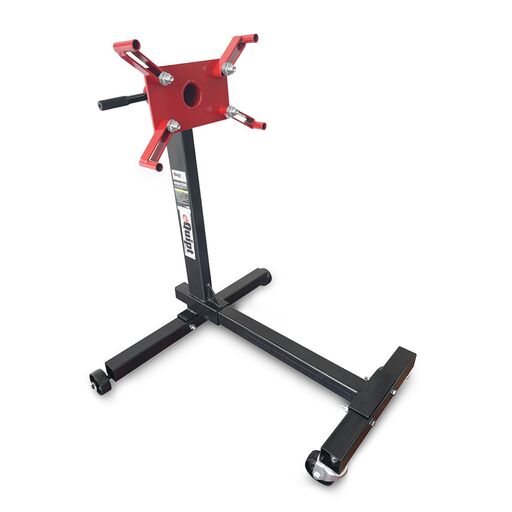
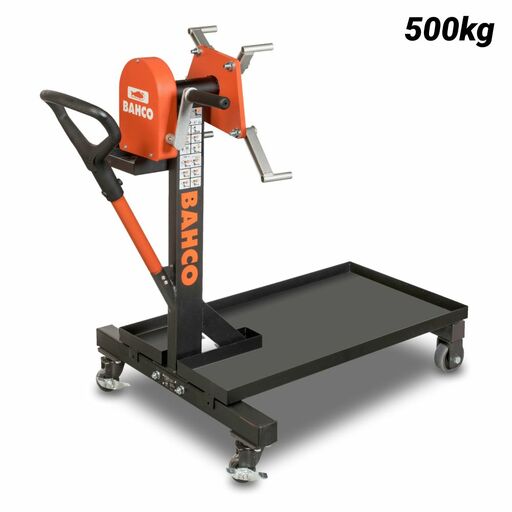
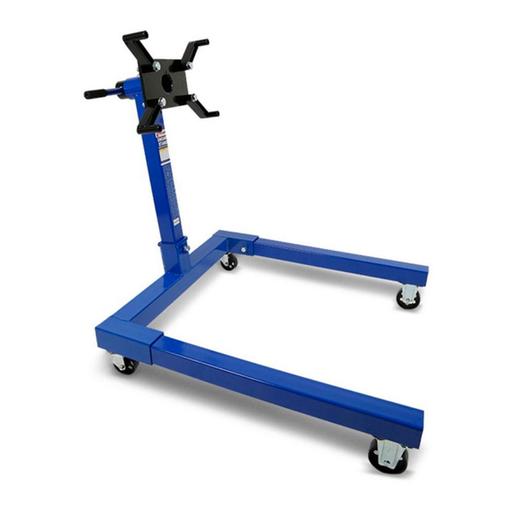
- Rotating Engine Cranes: Equipped with a rotating head, these cranes allow for precise positioning of engines, making them perfect for installations that require careful alignment.
How to Choose the Right Engine Crane
- Weight Capacity: Choose an engine crane with a lifting capacity that suits the weight of the engines you plan to lift. Ensure it can handle your heaviest load safely.
- Lifting Height: Consider the lifting height needed for your specific tasks. Some models offer greater lifting heights, which can be useful for taller vehicles or large engines.
- Portability: If you need a crane that can be moved easily, look for a model with wheels or one that folds for storage.
- Construction Quality: Opt for a crane made from strong, durable materials, such as steel, to ensure it lasts over time and performs reliably in demanding tasks.
- Hydraulic vs. Manual: Hydraulic cranes provide effortless lifting and are ideal for heavy-duty tasks, while manual cranes are more suitable for lighter jobs and are typically more affordable.
Maintenance Tips
- Regularly check hydraulic systems for leaks and ensure the pump operates smoothly.
- Keep the crane clean and lubricate moving parts to prevent wear and tear.
- Inspect the lifting mechanism for any signs of damage, especially the chains or cables, to ensure safe operation.
- Store the engine crane in a dry, secure location to prevent rust and corrosion, especially if it’s a manual model.
Frequently Asked Questions (FAQs)
How do I maintain my engine crane?
Keep the crane clean, check for leaks or damage, and lubricate moving parts regularly. Inspect the hydraulic pump and lifting cables to ensure they are functioning correctly.
Can I use an engine crane for lifting other heavy items?
Yes, many engine cranes are versatile and can be used for lifting other heavy machinery, such as transmissions or equipment. Always check the crane’s weight capacity to ensure it is safe for other uses.
How do I choose the right engine crane for my needs?
Consider the weight and size of the engines you need to lift, the required lifting height, and the crane’s portability. For larger tasks, hydraulic models are recommended for ease and power.
Are hydraulic engine cranes better than manual models?
Hydraulic cranes offer more lifting power and ease of use, making them ideal for heavy-duty tasks. Manual cranes are more affordable but require more physical effort and are suited for lighter jobs.
For a wide range of engine cranes, visit Sydney Tools online or in-store. Our expert team is ready to help you select the ideal crane tailored to your lifting needs.


