
Login
Login
- Popular Categories
- Shop By Brand
- Tool Accessories
- Air Compressor
- Hand Tools
- Laser Levels
- Mechanical Workshop
- Pressure Washers
- Welding
- Chainsaws
- Lawn Mowers
- Whipper Snippers
- Categories
- Adhesives & Sealants
- Air Tools
- Diamond Tools
- Fans
- Fasteners
- Generators
- Ladders
- Lubricants & Chemicals
- Power Garden
- Safety Equipment
- Scaffold
- Silica Dust Solutions
- Storage
- Test - Measure - Locate
- Transportation & Lifting
- Vacuum & Dust Extractors
- Water Pumps
Mechanical Workshop / Fluid Transfer & Lubrication
Fluid transfer tools make everyday servicing cleaner, safer and far less stressful. Whether you are draining old engine oil, extracting coolant, topping up transmission fluid or handling fuel, the right fluid transfer setup helps you move liquids where they need to go without spills or guesswork. In modern vehicles, access is often tight and gravity alone is rarely enough. A reliable fluid transfer pump gives you control when space and visibility are limited.
From quick oil changes to more involved drivetrain and cooling system work, having the right tool on hand makes a noticeable difference. Sydney Tools stocks a broad range of fluid transfer options to suit different jobs and workshop styles. You might choose a simple fluid hand pump for occasional maintenance, a fluid suction pump for clean extraction jobs, or a dedicated transmission fluid pump for accurate refilling. You can start with a single tool or build a flexible fluid transfer setup that supports regular servicing across multiple vehicles.
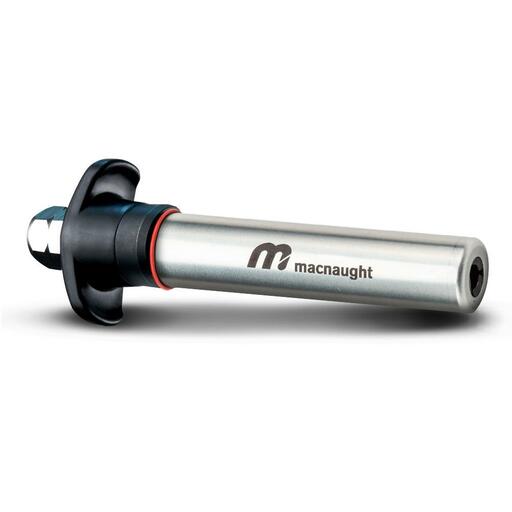
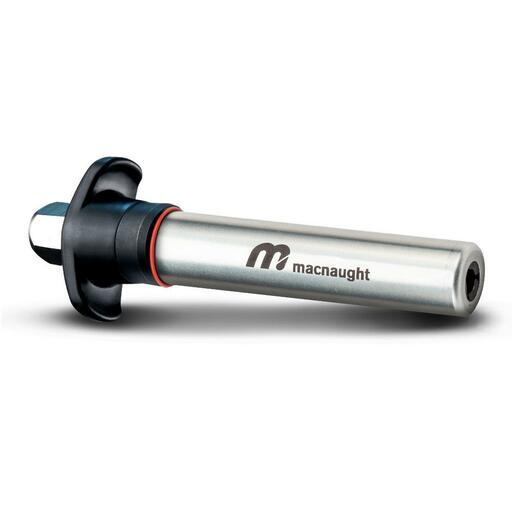


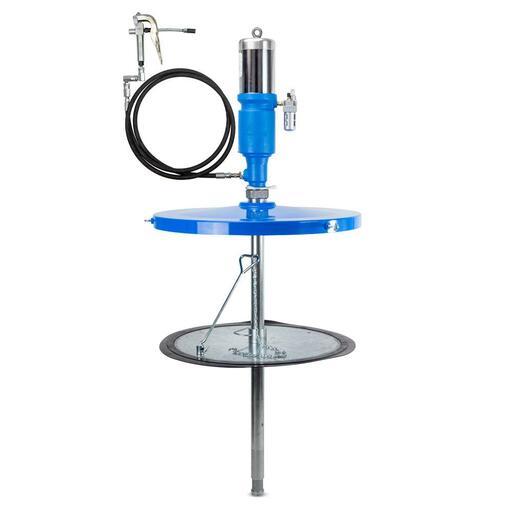


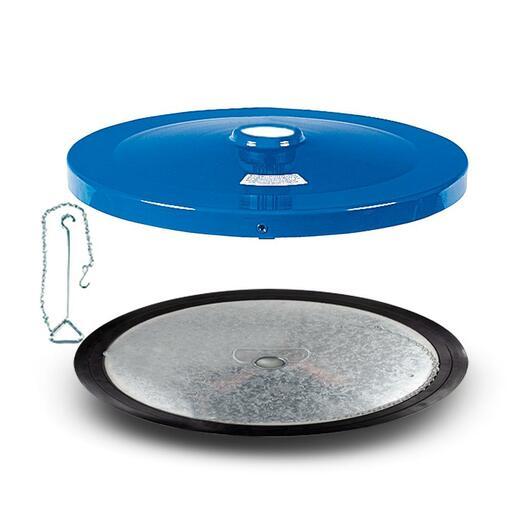




Why choosing the right fluid transfer tool matters
Automotive fluids are not all the same. Engine oil, coolant, transmission fluid and fuel behave differently, especially when hot or under pressure. Using the wrong fluid transfer tool can quickly turn a simple job into a messy one, or worse, damage seals and components. It can also create safety risks when you are dealing with hot or flammable liquids.
The right fluid extractor pump keeps the job calm and controlled. Instead of rushing to catch spills or guessing how much fluid has been removed, you can work at a steady pace with clear visibility. That means less cleanup, fewer mistakes and more confidence that the job has been done properly.
Fluid transfer tools help you:
- Drain and refill fluids with minimal mess
- Reach sumps and reservoirs with poor access
- Reduce contact with hot or contaminated fluids
- Measure and replace fluids more accurately
- Keep your workspace cleaner and safer
They suit home garages, mobile mechanics and professional workshops that deal with regular fluid changes.
Key features and specifications to compare
Pump style
Manual options, such as a fluid hand pump, are simple and reliable. They give you good control and suit most routine jobs. Suction-style tools are ideal for extracting fluids through dipstick tubes or narrow ports. Powered options move larger volumes faster and suit busy workshops or larger vehicles.
Fluid compatibility
Always check what fluids the tool is designed to handle. Some pumps suit oil and coolant only, while others are rated for fuel or transmission fluid. Using the correct tool protects seals and helps avoid premature wear.
Capacity and flow rate
Smaller pumps offer better control for precise refilling. Larger-capacity tools reduce time spent emptying containers when working on bigger engines or multiple vehicles.
Hose length and flexibility
Flexible hoses make it easier to reach deep or awkward areas without forcing the tool into place.
Measurement visibility
Clear containers and volume markings make it easier to track how much fluid has been removed or added, which helps prevent overfilling or underfilling.
Construction quality
Strong housings, durable hoses and quality seals reduce leaks and stand up better to repeated use.
Many workshops pair fluid transfer tools with oil transfer pumps, oil/grease hoses & reels or dedicated fluid extractors to cover a wide range of servicing tasks efficiently.
Safe use and maintenance advice
A few good habits make fluid transfer safer and extend tool life.
- Check the tool is rated for the fluid being used
- Let hot fluids cool where possible
- Secure hoses before pumping or extracting
- Work slowly to avoid splashes or overflow
- Clean tools thoroughly between different fluids
- Inspect hoses and seals regularly
- Store tools clean, dry and protected
Simple care goes a long way in preventing leaks, contamination and unexpected failures.
Why buy fluid transfer tools from Sydney Tools
Sydney Tools stocks fluid transfer equipment chosen for real workshop use. Clear product details make it easier to choose the right pump, capacity and compatibility for your work, whether you are maintaining your own vehicle or servicing cars every day.
You get:
- A wide range of fluid transfer pumps and accessories
- Solutions for oil, coolant, transmission fluid and fuel
- Manual and powered options
- Durable designs built for workshop conditions
- Competitive pricing online and in store
- Practical advice from knowledgeable staff
- Fast, reliable delivery across Australia
If you are unsure which fluid transfer tool suits your needs, you can contact Sydney Tools for guidance.
FAQs
Which fluid transfer tool suits oil, coolant or fuel work?
Manual pumps and extractors handle oil and coolant well. Fuel transfer jobs need tools specifically rated for petrol or diesel. Always check hose and seal compatibility before use.
What container size works best for typical vehicle jobs?
Mid-size containers suit most car oil changes and coolant drains. Larger tanks are better for 4WDs, trucks or repeated servicing where overflow could be an issue.
Can one transfer kit be used for different fluids?
Yes, but only if it is cleaned thoroughly between fluids. Many workshops keep separate tools for oil, coolant and fuel to avoid contamination.
What should I watch for when draining hot fluids?
Allow fluids to cool where possible. Wear gloves and work slowly to avoid burns or splashes.
How do I prevent cross-contamination between fluids?
Label tools clearly and clean hoses and pumps after every use. Dedicated tools for each fluid type offer the safest setup.
Are electric extractors better for large sump capacities?
They can save time and effort on larger engines. Manual extractors are still reliable for smaller vehicles and occasional use.
How can I tell when hoses or seals need replacing?
Look for cracks, stiffness, leaks or poor suction. These are early signs of wear.
Can I measure fluid volume accurately during transfer?
Many tools include clear measurement markings. These help track how much fluid is removed or added.
What safety steps apply when transferring flammable fluids?
Work in a ventilated area, keep ignition sources away and use fuel-rated equipment only.
How should fluid-transfer tools be cleaned and stored?
Drain fully, wipe clean and let parts dry before storage. Store hoses straight and away from heat to extend tool life.
Find the right fluid transfer solution today
Take the mess and uncertainty out of fluid servicing. Browse the full range of fluid transfer tools online or visit your nearest Sydney Tools store location to compare options and get practical advice for your workshop and vehicle needs.


