
Login
Login
- Popular Categories
- Shop By Brand
- Tool Accessories
- Air Compressor
- Hand Tools
- Laser Levels
- Mechanical Workshop
- Pressure Washers
- Welding
- Chainsaws
- Lawn Mowers
- Whipper Snippers
- Categories
- Adhesives & Sealants
- Air Tools
- Diamond Tools
- Fans
- Fasteners
- Generators
- Ladders
- Lubricants & Chemicals
- Power Garden
- Safety Equipment
- Scaffold
- Silica Dust Solutions
- Storage
- Test - Measure - Locate
- Transportation & Lifting
- Vacuum & Dust Extractors
- Water Pumps
Mechanical Workshop / Wedges & Punches
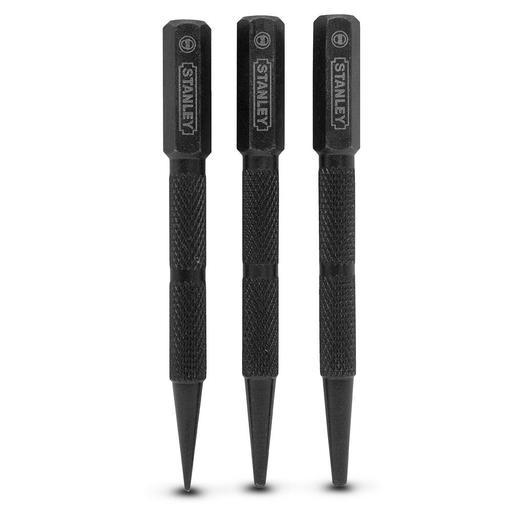
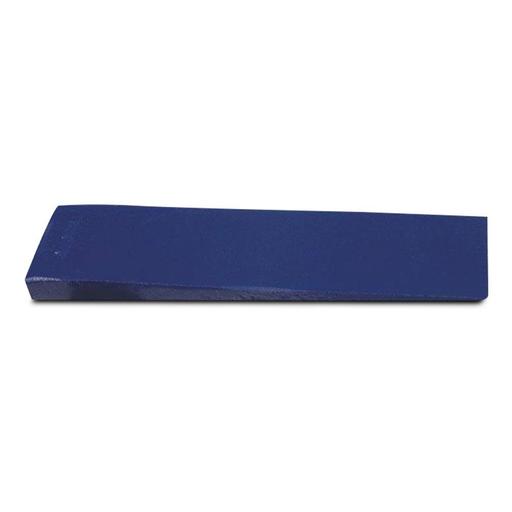
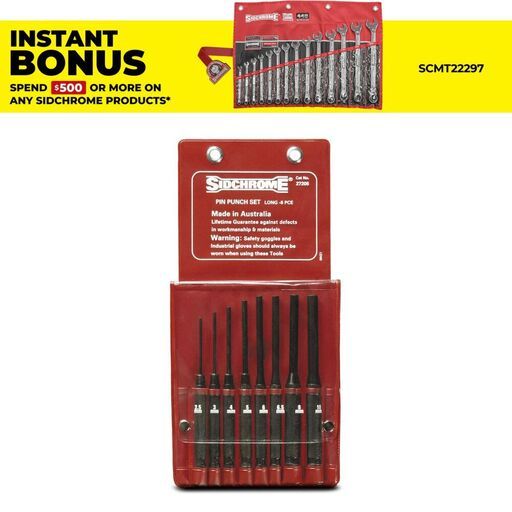
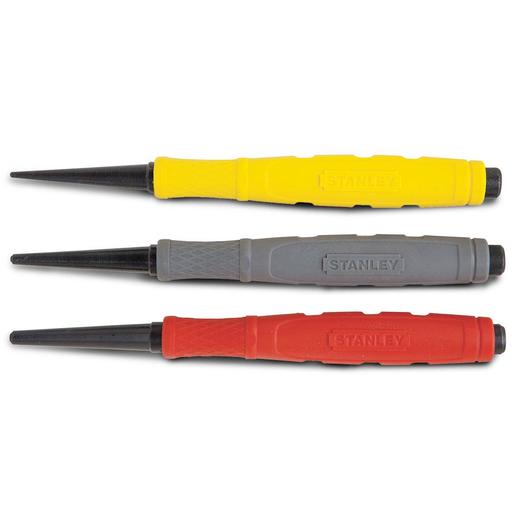
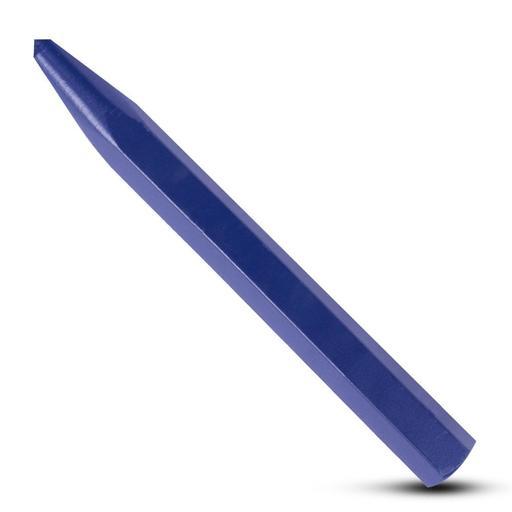
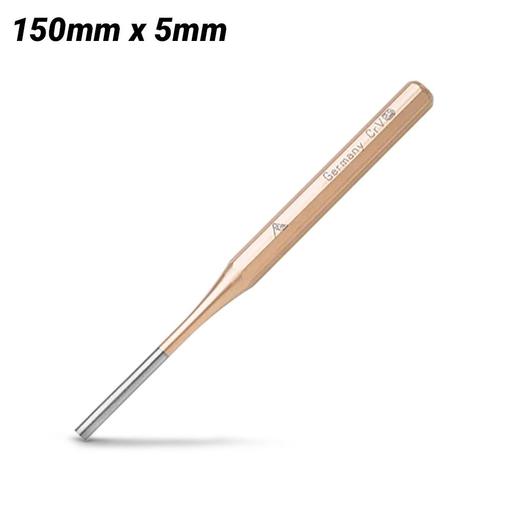
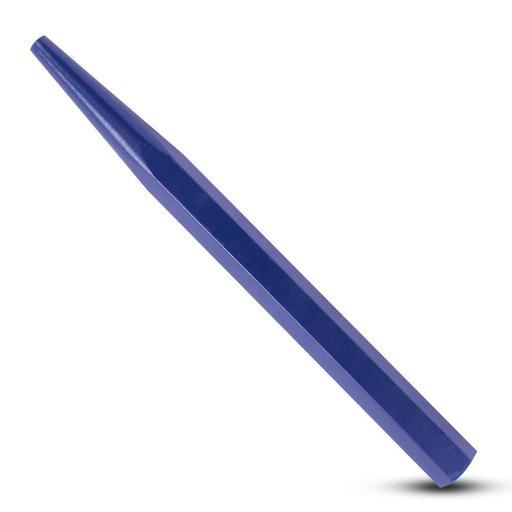
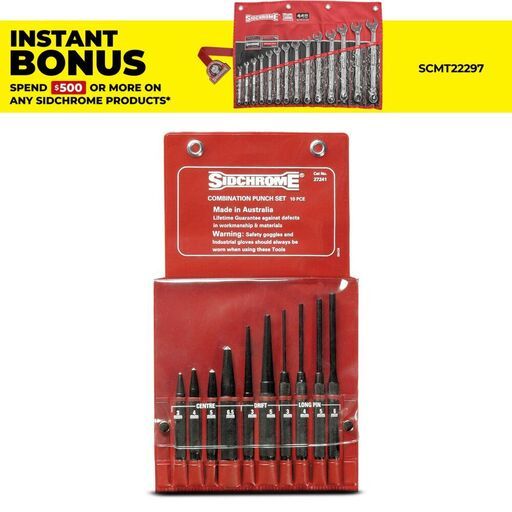
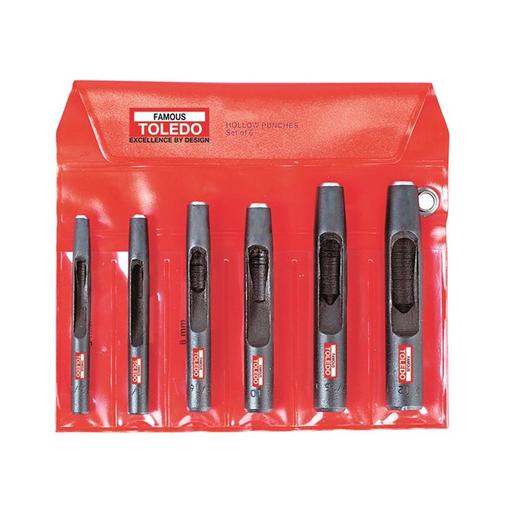
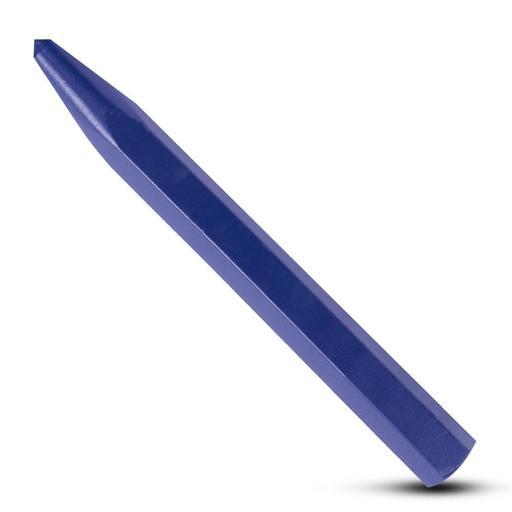
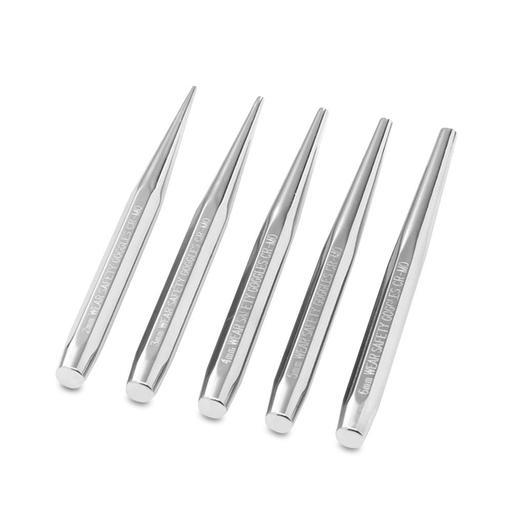
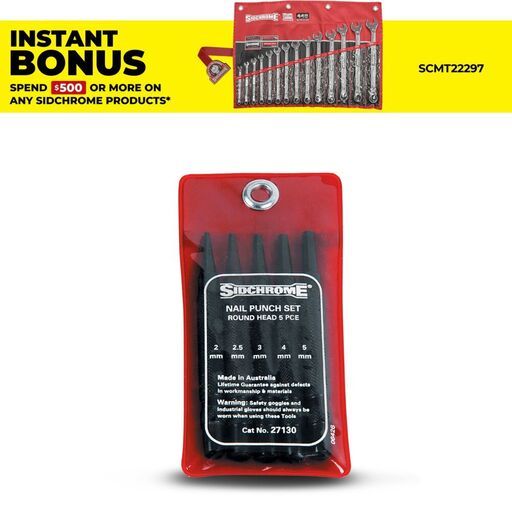
Wedges and punches are fundamental hand-tool accessories in automotive and mechanical work where controlled force, accuracy and durability are essential. Wedges are tapered tools designed to create separation, alignment, or holding force. In automotive and mechanical applications, they are commonly used to separate tight or seized components such as housings, joints, or fitted parts without excessive prying that could cause damage. Punches are straight, hardened tools used to transfer force from a hammer to a specific point. Different types of punches serve different purposes:




























Why Quality Wedges & Punches Matter
Choosing the right wedges and punches significantly improves control, accuracy, and safety when force must be applied to automotive components. Quality tools are manufactured with proper geometry, balance, and material hardness, allowing force to be transferred predictably and precisely.
Well-made wedges and punches reduce the risk of unintended slips, which can cause personal injury or damage to nearby parts. Their consistent shape and finish help keep the tool seated correctly during use. This is especially important in confined engine bays or around delicate trim and fittings.
Design & Functional Considerations
When selecting wedges and punches, several design factors influence performance and suitability:
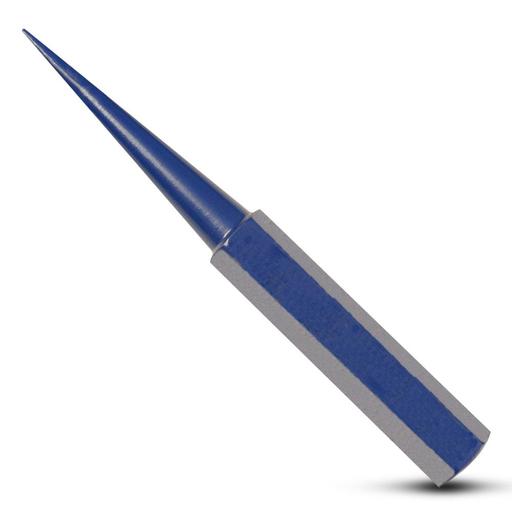
- Wedge size and angle: Narrow, tapered wedges are ideal for separating stuck panels, seals, or housings gradually, while wider wedges distribute force over a larger area to reduce damage.
- Punch types:
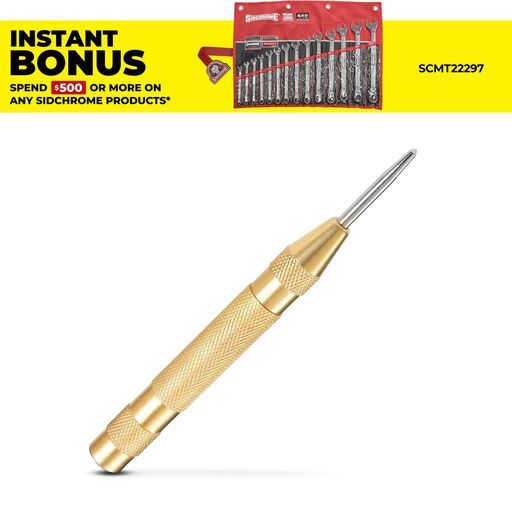
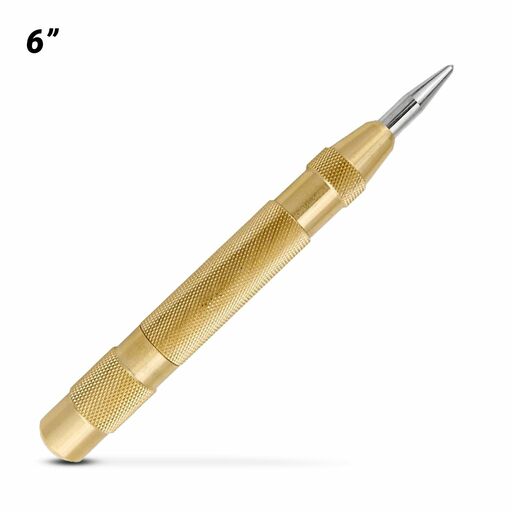
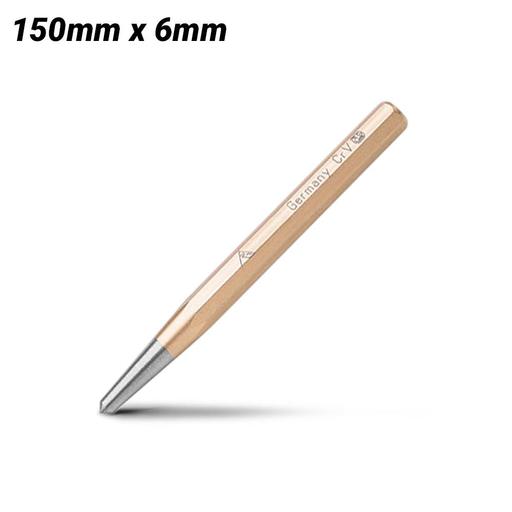
- Automatic Centre punches for marking drilling points
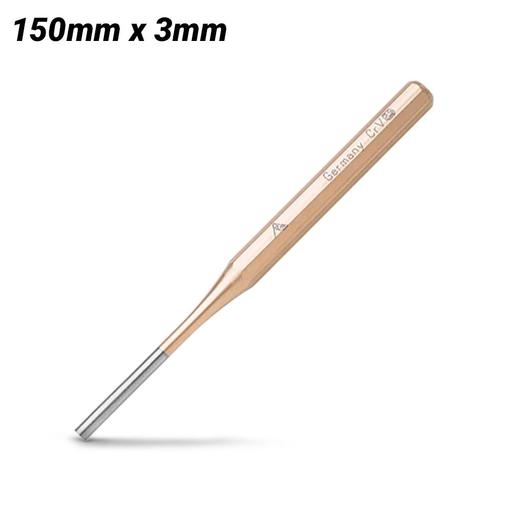
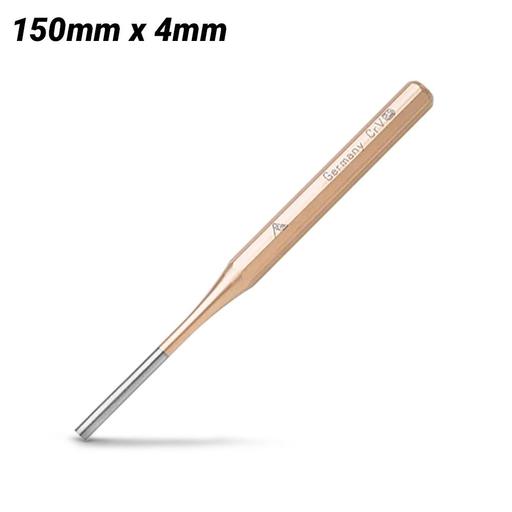
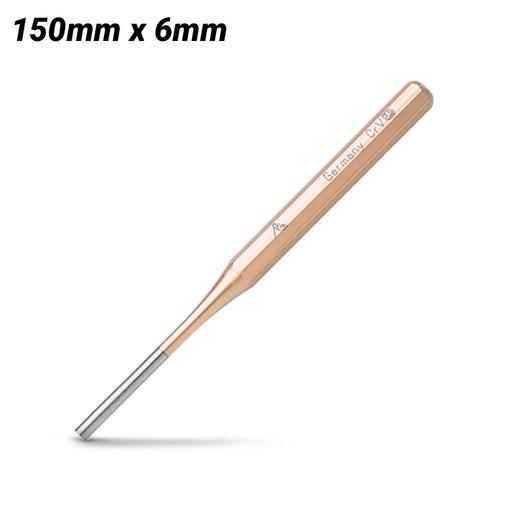
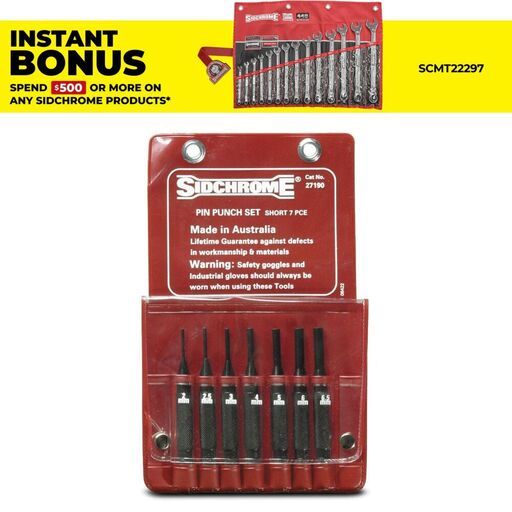
- Pin punches for driving out solid pins or fasteners
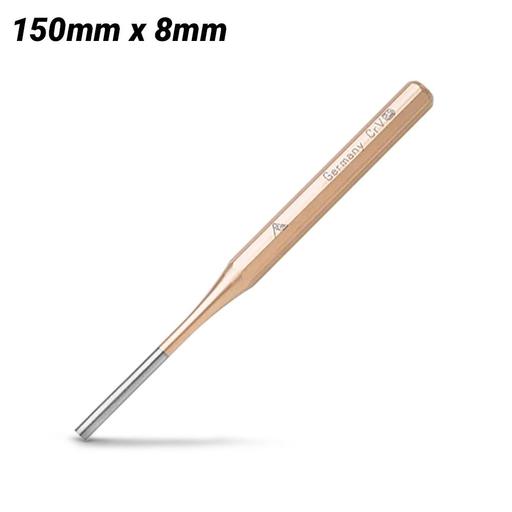
- Roll pin punches with a locating tip for spring or roll pins
- Drift (alignment) punches for lining up bolt holes or components
- Material strength: Forged or hardened steel provides durability and resistance to bending or chipping under repeated impact.
- Tip design and finish: Precisely machined tips ensure consistent impact surfaces and longer service life.
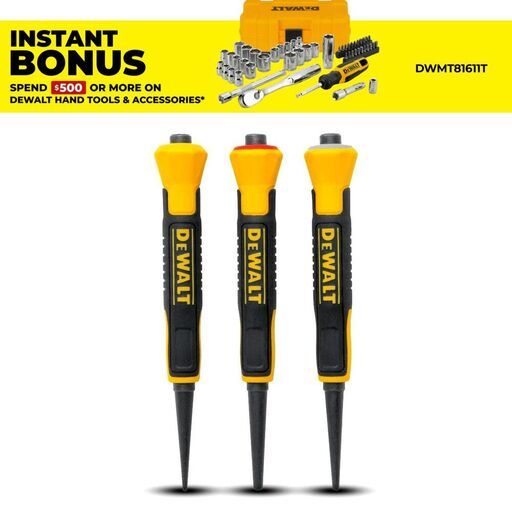
- Handle or grip options: Some punches include knurled or cushioned grips to improve handling and control.
- Compatibility: Tools should be suitable for use with common hammers or presses without excessive wear.
Safe Operation & Tool Care Tips
To use wedges and punches safely and effectively:
- Always wear eye protection and gloves to guard against flying debris or tool slippage.
- Ensure the workpiece is stable and supported before applying force.
- Use controlled blows rather than excessive force to maintain accuracy.
- Keep punches aligned with the target to prevent wandering or bending.
For tool care:
- Clean tools after use to remove grease, dirt, or metal shavings.
- Inspect tips regularly for mushrooming, cracks, or deformation.
- Dress damaged tips or replace tools that show excessive wear.
- Store wedges and punches neatly to prevent accidental damage and maintain tip integrity.
Why Buy Wedges & Punches from Sydney Tools
At Sydney Tools we offer a versatile range of wedges and punches designed for automotive service and workshop environments, packed with clear product specifications. Other customer benefits include competitive prices, durability, a wide selection of individual tools like dead blow hammers or ball pein hammers to assist in your wedge/punches task.
Frequently Asked Questions (FAQs)
When should I use a wedge rather than a punch in automotive work?
Use a wedge when you need to separate, spread, or hold components apart gradually rather than drive something out.
How can I prevent a punch from slipping when striking a hard surface?
Ensure the punch tip matches the fastener or mark, keep it aligned, and apply controlled blows instead of heavy strikes.
What punch type is best for driving out stubborn roll pins?
A roll pin punch with a locating tip helps keep the tool centered and reduces the risk of pin collapse.
Are tapered wedges safer for separating trim panels than flat ones?
Yes, tapered wedges apply force gradually and evenly, reducing the chance of cracking or surface damage.
How do I avoid mushrooming the end of a punch during repeated impact use?
Use properly hardened punches, avoid excessive force, and regularly inspect and dress the striking end.
Can wedges be used to help align bolt holes during assembly?
Yes, wedges can temporarily shift components into position before fasteners are installed.
What storage practices help keep punches and wedges in good condition?
Store them in racks, tool rolls, or drawers where tips are protected from impact and moisture.
Are there punches designed specifically for brake or suspension pin work?
Yes, heavy-duty pin and drift punches are commonly used for brake and suspension components.
How do I select the right punch diameter for a given fastener or pin?
Choose a punch slightly smaller than the pin diameter to maintain control without damaging the surrounding material.
Is it better to replace a slightly deformed punch tip or fully retire the tool?
Minor deformation can sometimes be dressed, but heavily deformed or cracked tools should be retired for safety.
Find the right punch set today
Explore the full range of wedges and punches at Sydney Tools and choose tools built for real workshop use. Browse online to compare options, or visit your local store to get hands-on advice from people who use these tools every day. Get set up properly and make your next job cleaner, safer, and easier.


