
Login
Login
- Popular Categories
- Shop By Brand
- Tool Accessories
- Air Compressor
- Hand Tools
- Laser Levels
- Mechanical Workshop
- Pressure Washers
- Welding
- Chainsaws
- Lawn Mowers
- Whipper Snippers
- Categories
- Adhesives & Sealants
- Air Tools
- Diamond Tools
- Fans
- Fasteners
- Generators
- Ladders
- Lubricants & Chemicals
- Power Garden
- Safety Equipment
- Scaffold
- Silica Dust Solutions
- Storage
- Test - Measure - Locate
- Transportation & Lifting
- Vacuum & Dust Extractors
- Water Pumps
Generators / Three Phase Generators
Three-phase generators are essential power sources in industrial and commercial settings, providing reliable and efficient electricity for various heavy-duty applications.
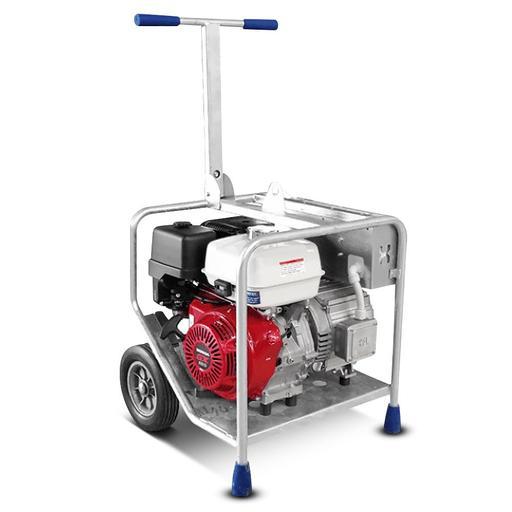


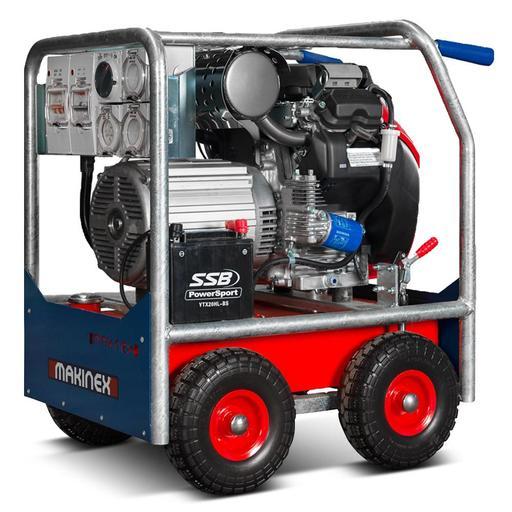
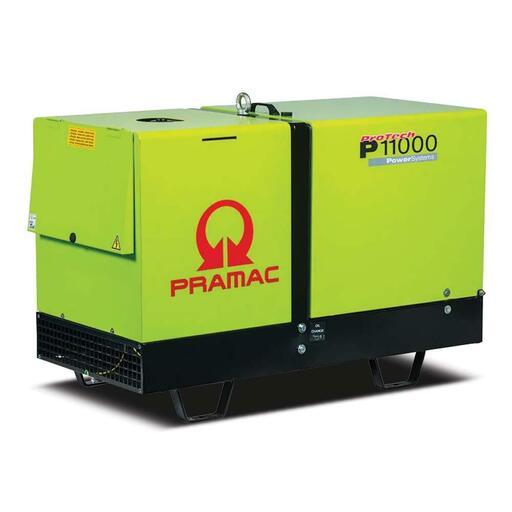

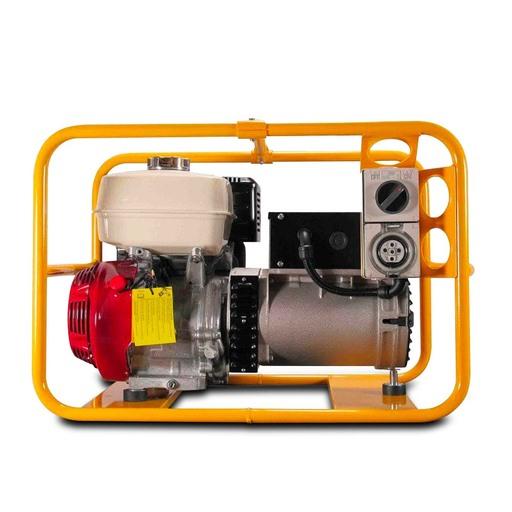
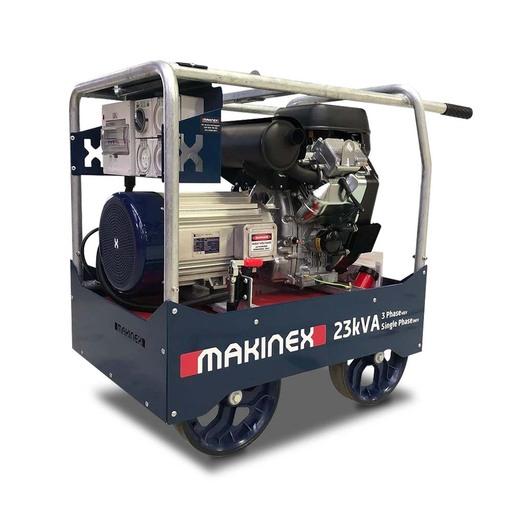


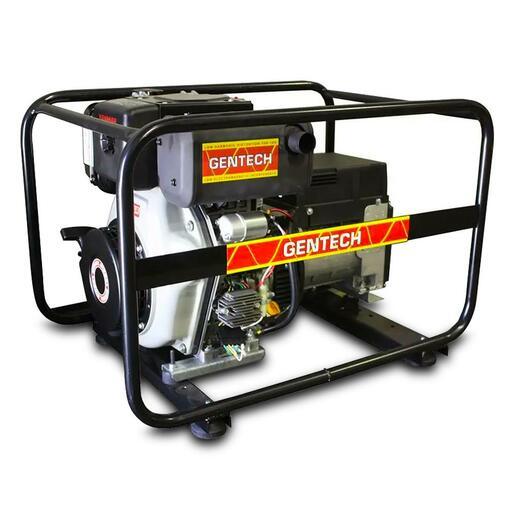

Understanding Three-Phase Generators:
Three-phase generators produce three alternating currents, each offset by 120 degrees, resulting in a continuous and balanced power supply. This configuration enhances efficiency and allows for the operation of high-power equipment.
Advantages of Three-Phase Generators:
- Increased Power Output: They deliver more power compared to single-phase generators, making them suitable for running large machinery and equipment.
- Enhanced Efficiency: The continuous power delivery reduces energy losses, leading to better overall efficiency.
- Balanced Load Distribution: Three-phase systems allow for even distribution of electrical loads, minimising the risk of overloading circuits.
Key Considerations When Selecting a Three-Phase Generator:
- Power Requirements: Assess the total wattage needed to operate your equipment effectively.
- Voltage Compatibility: Ensure the generator's output matches the voltage requirements of your machinery.
- Portability vs. Stationary Use: Determine whether you need a portable generator for flexibility or a stationary one for fixed installations.
- Fuel Type: Choose between diesel, petrol, or gas-powered generators based on fuel availability and efficiency considerations.
- Noise Levels: Consider generators with noise-reduction features if operating in noise-sensitive environments.
Safety Tips:
- Professional Installation: Have the generator installed by qualified electricians to ensure compliance with local electrical codes and safe operation.
- Regular Maintenance: Perform routine inspections and servicing to keep the generator in optimal working condition.
- Load Management: Avoid overloading the generator by adhering to its specified power limits.
Frequently Asked Questions (FAQs):
How does a three-phase generator differ from a single-phase generator?
A three-phase generator provides three separate electrical currents, offering a more consistent and higher power output suitable for heavy-duty applications. In contrast, a single-phase generator delivers power through a single current, suitable for lighter loads.
What size generator do I need for my industrial equipment?
Calculate the total wattage required by adding the power ratings of all equipment to be powered. It's advisable to select a generator with a capacity 10-20% higher than your total requirement to accommodate startup surges and ensure reliable operation.
Can I connect a three-phase generator to single-phase equipment?
Yes, but it's essential to use appropriate transformers or converters to match the voltage and phase requirements of your single-phase equipment, ensuring safe and efficient operation.
For a comprehensive selection of three-phase generators tailored to various industrial applications, visit Sydney Tools in-store or explore our online range.


