
Login
Login
- Popular Categories
- Shop By Brand
- Tool Accessories
- Air Compressor
- Hand Tools
- Laser Levels
- Mechanical Workshop
- Pressure Washers
- Welding
- Chainsaws
- Lawn Mowers
- Whipper Snippers
- Categories
- Adhesives & Sealants
- Air Tools
- Diamond Tools
- Fans
- Fasteners
- Generators
- Ladders
- Lubricants & Chemicals
- Power Garden
- Safety Equipment
- Scaffold
- Silica Dust Solutions
- Storage
- Test - Measure - Locate
- Transportation & Lifting
- Vacuum & Dust Extractors
- Water Pumps
Generators
Keep the power running wherever you are when you buy a generator from Sydney Tools’ mammoth range.
We’ve got petrol, diesel and silenced inverter generators from the best brands like Yamaha and Gensafe, and a full range of accessories, cords and outlets to ensure you’re ready for any situation.
Whether you need an outdoor portable and quiet unit to power your creature comforts on the campsite or a three phase generator for heavy duty applications on the work site, you’ll find it in our range.
Want a closer look? Drop into one of our 100+ locations across Australia to speak to our team.




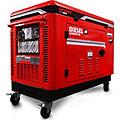
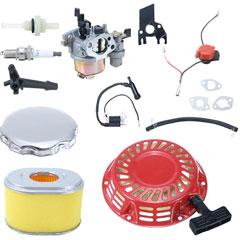

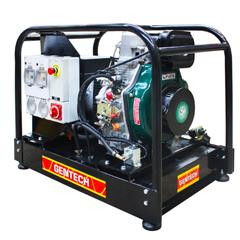

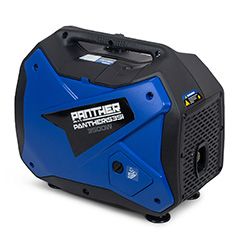

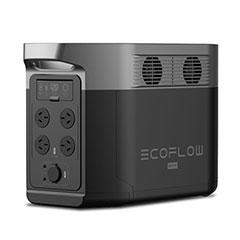

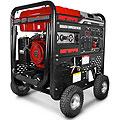
The Best Brand of Generators at Sydney Tools.
Here at Sydney Tools we are happy to provide you with all the best brands of generators from Gentec Generators, Dewalt Generators, to Westinghouse Silent Generators, Yamaha Silent Generators and Panther Generators.
FAQs (Frequently Asked Questions)
What is an inverter generator?
Inverter generators use electronics to regulate the output of electrical current. This means they provide a stable, ‘clean’ supply of power that’s great for powering sensitive devices like laptops and cameras that can be damaged by power flutters that you might get from a conventional generator.
Inverter generators are typically much quieter and more portable than conventional generators, and can also adjust the power draw based on use, so the inverter is also more fuel efficient.
A conventional generator is capable of producing a larger power output, so these are best for heavy duty applications where portability and noise levels aren’t the main concerns.
What size generator do I need?
The last thing you want is to buy a generator that’s not up to the job, but how do you know which one is best for your needs?
First, check the wattage on the generator—portable generators generally start around 2kW and can go up to 10kW or more.
A 2kW generator will be enough to power a few small appliances on a camping trip, but if you want to power larger appliances or power tools, you’ll need to look at larger output generators. A table saw for example can use around 2kW just by itself.
Check the starting watts and running watts on your tools and appliances. Starting an appliance or tool can require up to twice as much current as keeping it running.
Got tools on your mind? Make sure you check out Australia’s best range of power tools for every type of tool under the sun.
How long can a power generator run on a full tank?
The runtime of a power generator on a full tank depends on its fuel capacity, power output, and the load it's under. On average:
- Portable generators (typically gas-powered) can run anywhere from 4 to 12 hours on a full tank, depending on the size of the tank and how much power is being used.
- Larger standby generators can run for 24 to 48 hours or more, especially if they’re designed for extended operation (and have a larger fuel tank or are connected to a natural gas line).
How much power output does a typical generator provide?
- Small portable generators: Typically provide 1,000 to 4,000 watts (1 to 4 kW), good for powering small appliances, tools, or lights.
- Medium-sized generators: Can provide between 5,000 and 10,000 watts (5 to 10 kW), capable of running home appliances like refrigerators, lights, and a few other devices.
- Standby or larger generators: Can produce anywhere from 10,000 to 100,000 watts (10 kW to 100 kW), enough to power an entire home or a commercial building.
Can a power generator be used to run home appliances?
Yes, power generators can be used to run home appliances, smaller generators can power small devices like lights, fans and refrigerators. Medium generators are ideal for running HVAC systems and TVs. Standby generators (10,000 watts or higher) are ideal for powering an entire home.
Are power generators compatible with various fuel types?
Power generators typically run on specific types of fuel, but many generators offer options for different fuels. Common fuel types include:
- Gasoline: Common in portable generators but typically less efficient and has a shorter shelf life.
- Diesel: More efficient and durable, often used in larger commercial or standby generators.
- Propane: An alternative to gasoline or diesel, cleaner, and safer for storage.
- Natural Gas: Used by stationary standby generators, especially for homes in areas with access to natural gas lines.
- Dual-fuel: Some generators can run on both gasoline and propane, offering flexibility depending on availability.
Does the power generator come with a warranty?
Yes, most power generators come with a warranty that typically lasts from 1 to 3 years, depending on the manufacturer and model.
- Portable generators: Warranties usually range from 1 to 3 years.
- Standby generators: These may come with more extensive warranties, ranging from 5 to 10 years in some cases.
How do you maintain a power generator for long term use?
To ensure your generator runs efficiently and lasts longer, you need to perform regular maintenance:
- Change the oil regularly (every 50 to 100 hours of operation for gas-powered generators).
- Replace the air filter at least once a year to maintain airflow.
- Clean the fuel system and replace fuel filters as needed.
- Check the battery (for standby generators) and maintain it to ensure it charges correctly.
- Test the generator periodically, even when not in use, to make sure it’s operational and ready for an emergency.
- Inspect spark plugs and replace if necessary.
- Store the generator properly, especially if not in use for extended periods, to prevent rust and degradation.
How noisy is a power generator during operation?
- Portable generators: Can be quite noisy, typically producing between 60 and 80 decibels (dB), comparable to the noise level of a vacuum cleaner or heavy traffic.
- Inverter generators: These are quieter and typically range from 50 to 60 dB (similar to normal conversation).
- Standby generators: Generally quieter than portable ones, but still range from 60 to 75 dB depending on size and brand.
Where can I buy replacement parts for a power generator?
Here at Sydney Tools we are proud to offer you with free repair services within your warranty period.


