
Login
Login
- Popular Categories
- Shop By Brand
- Tool Accessories
- Air Compressor
- Hand Tools
- Laser Levels
- Mechanical Workshop
- Pressure Washers
- Welding
- Chainsaws
- Lawn Mowers
- Whipper Snippers
- Categories
- Adhesives & Sealants
- Air Tools
- Diamond Tools
- Fans
- Fasteners
- Generators
- Ladders
- Lubricants & Chemicals
- Power Garden
- Safety Equipment
- Scaffold
- Silica Dust Solutions
- Storage
- Test - Measure - Locate
- Transportation & Lifting
- Vacuum & Dust Extractors
- Water Pumps
Electrical / Tape Measures, Squares & Levels / Engineers Square
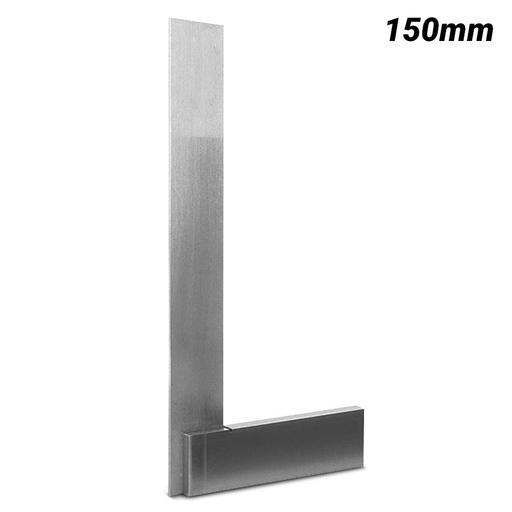
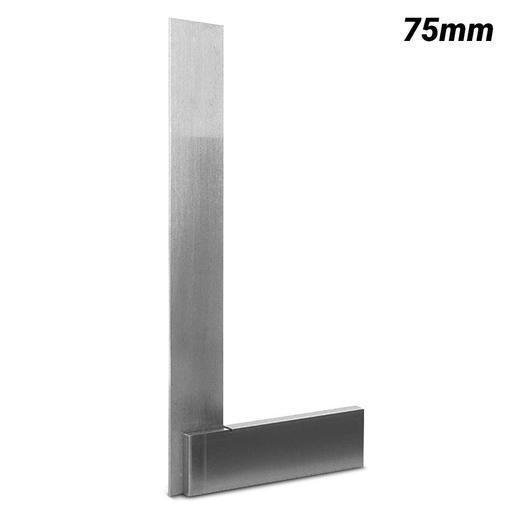
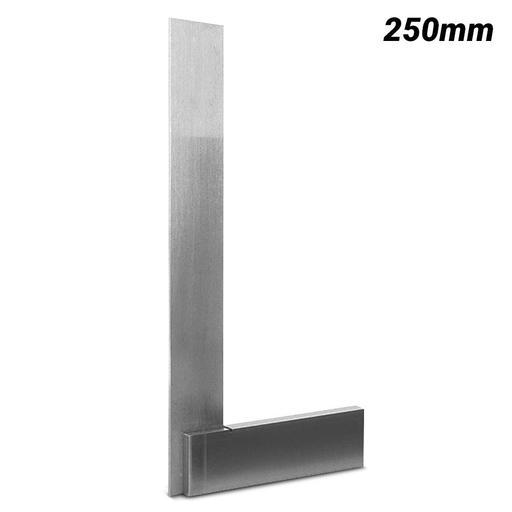
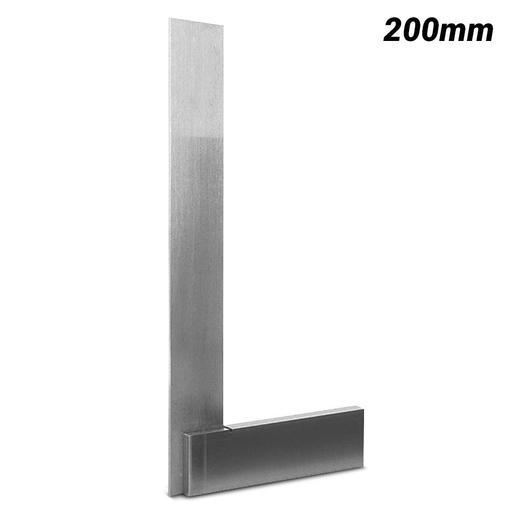
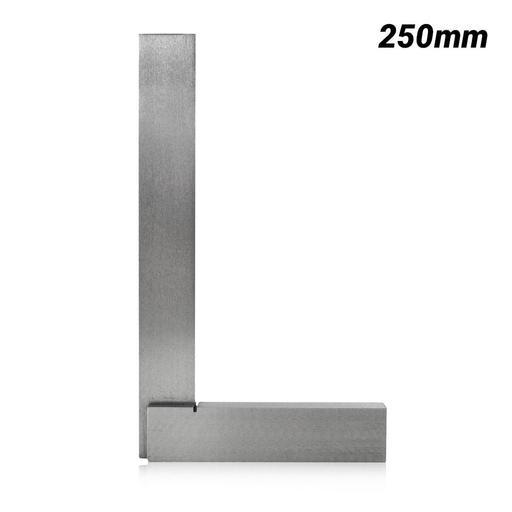
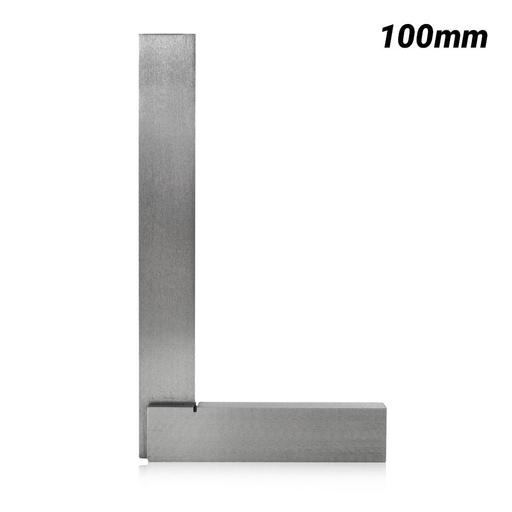
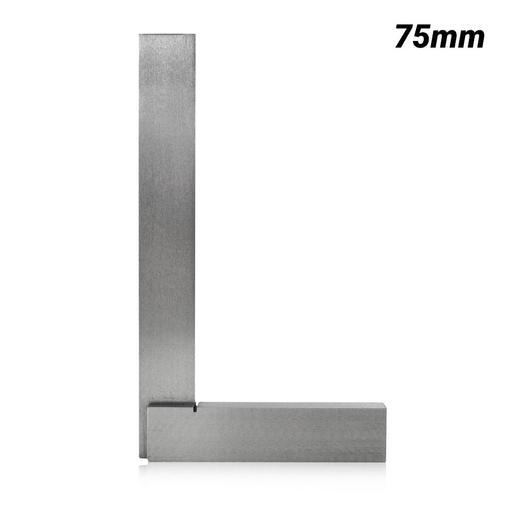
An engineers square is built for accuracy. It is used to measure, mark, and check 90-degree angles where precision actually matters. In fabrication and machinery setup, even a slight error can throw alignment out and affect the finished result.
Precision squares are used to check that edges, joints and components are correctly positioned, sitting square before cutting, welding, drilling or assembling begins. Precision squares are widely used throughout workshops, on fabrication benches and machine setups where one measurement will need to be repeated.
Whether you are checking a workpiece or setting up machinery, a quality engineers square gives you a reliable reference point to work from.


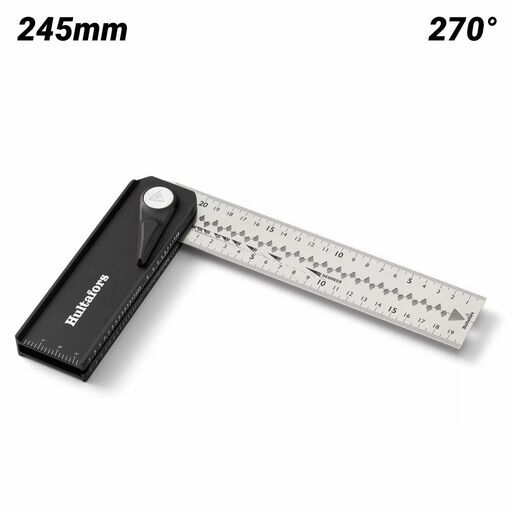

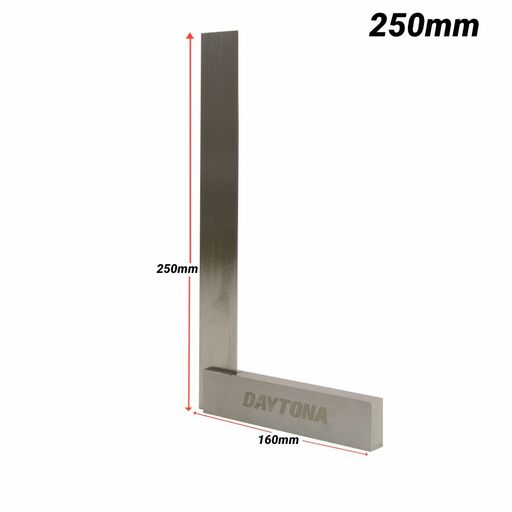
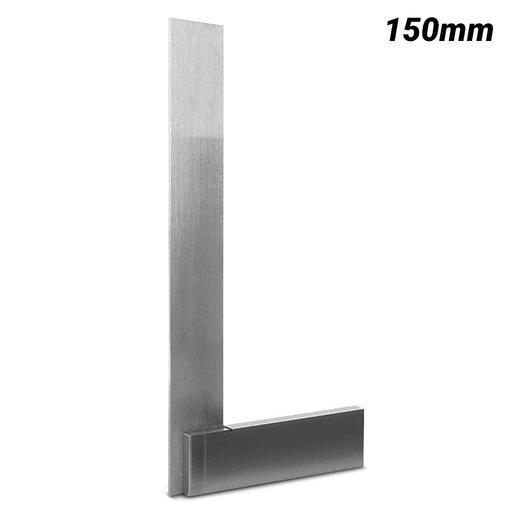
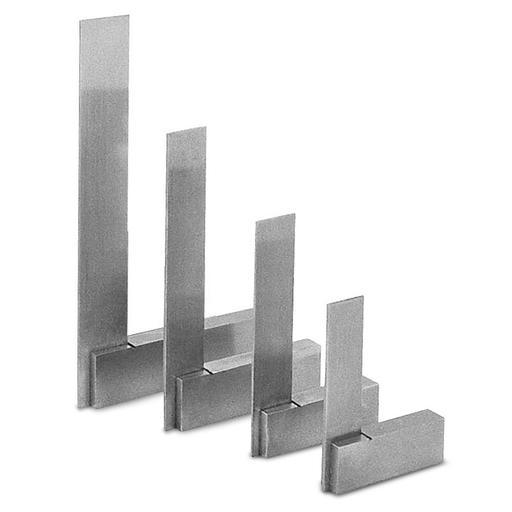



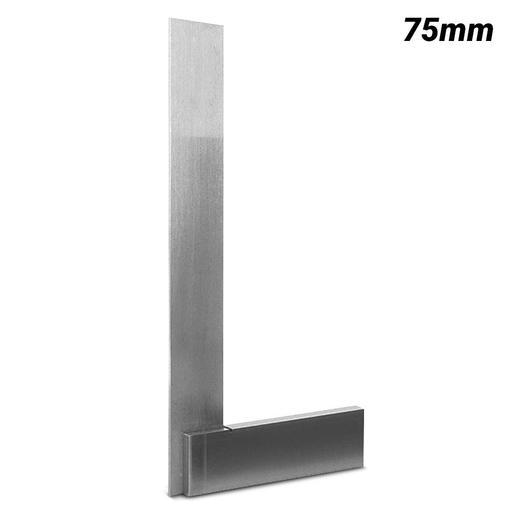


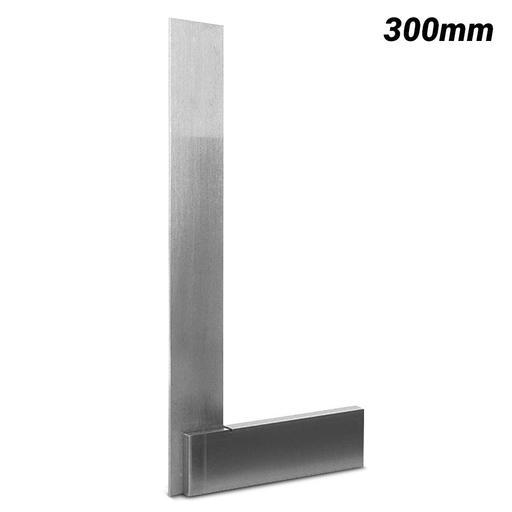


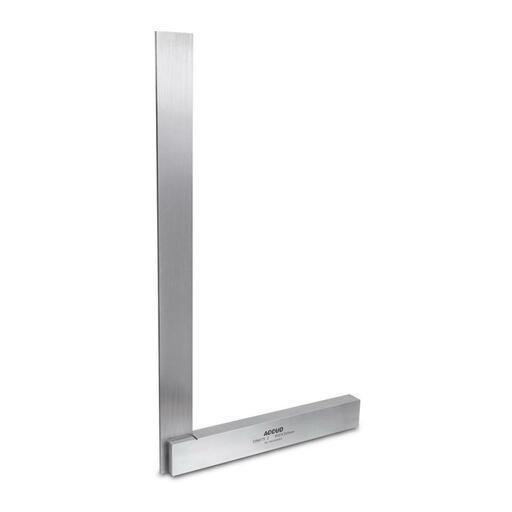
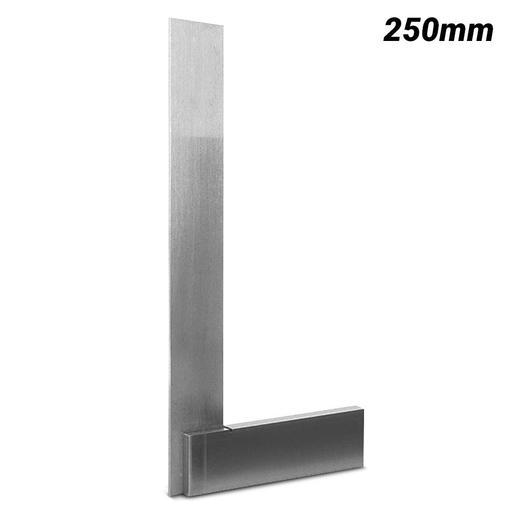


Precision Engineering and Workshop Accuracy
In metalwork and machining, small errors become big problems quickly.
An engineers square is used to check whether a surface, edge, or component is truly square before work moves any further. That could mean checking fabricated sections, lining up machine components, or confirming cuts before welding or assembly.
They are also commonly used as a reference tool inside workshops and toolrooms where accuracy needs to stay consistent across multiple setups.
A precision square becomes especially useful when working with machinery where alignment affects drilling, cutting, or overall fitment. Even slight deviations can create problems once parts are assembled together.
On the bench, these tools are often used alongside screwdriver sets, copper hand tools, and hand snips when measuring, fitting, or adjusting fabricated components.
Hardened Steel Construction and Accuracy Grades
Most engineer's squares are made from hardened steel or stainless steel to help maintain accuracy over time.
The classic stock-and-blade design gives the tool rigidity while keeping measurements consistent along the edge. Some models are also available in different accuracy grades depending on the type of work being done.
A few key features make a noticeable difference in workshop use:
-
Hardened or stainless steel construction
-
Precision-ground measuring edges
-
Different workshop accuracy grades
-
Stock-and-blade design for stability
-
Relief grooves for sitting flush on edges
The small notch inside the corner is there for a reason too. It allows the square to sit flat even if the workpiece has a slight burr, weld edge, or radius left behind after machining or cutting.
Handling and Calibration Maintenance
Precision tools need a bit more care than standard layout gear.
-
Keep surfaces clean and free of swarf
-
Avoid dropping the square onto hard surfaces
-
Store it away from loose tools
-
Lightly oil carbon steel models
-
Periodically check accuracy against a known reference
A single drop onto concrete can knock a square out of alignment without it being obvious straight away. Dirt, metal filings, or surface damage can also affect readings during setup work.
Keeping the edges clean and protected helps maintain accuracy and extends the life of the tool.
Why Buy Engineer's Squares from Sydney Tools
Sydney Tools stocks a practical range of engineers square options suited to fabrication, machining, and workshop use. From compact workshop sizes to larger precision setups, there are tools suited to both general trade work and detailed engineering applications.
You can expect:
-
A strong range of engineer's squares
-
Precision square options for workshop use
-
Different sizes and accuracy grades
-
Competitive pricing online and in store
-
Helpful advice when selecting measuring tools
With the right setup, measuring and alignment work becomes faster, cleaner, and far more consistent.
FAQs
What is the difference between an engineer's square and a try square?
Engineer's squares are built for higher precision and metalworking accuracy.
What do different accuracy grades mean?
Higher grades provide tighter tolerances for precision work.
Why is there a notch in the inside corner?
It allows the square to sit flush over small burrs or radiused edges.
Can an engineers square be used for woodworking?
Yes, though they are primarily designed for precision metalworking tasks.
How do I check if my square is still accurate?
Compare it against a known reference edge or master square.
Why use hardened steel instead of standard steel?
It improves durability and helps maintain long-term accuracy.
How should a precision square be stored?
Keep it clean, dry, and protected from knocks or drops.
Is stainless steel better for humid workshops?
Yes, it offers better corrosion resistance in damp environments.
Find the Right Engineers Square Today
Get accurate measurements and cleaner setups with the right tools. Browse the range online or visit your nearest Sydney Tools store for practical advice and dependable workshop measuring equipment.


