
Login
Login
- Popular Categories
- Shop By Brand
- Tool Accessories
- Air Compressor
- Hand Tools
- Laser Levels
- Mechanical Workshop
- Pressure Washers
- Welding
- Chainsaws
- Lawn Mowers
- Whipper Snippers
- Categories
- Adhesives & Sealants
- Air Tools
- Diamond Tools
- Fans
- Fasteners
- Generators
- Ladders
- Lubricants & Chemicals
- Power Garden
- Safety Equipment
- Scaffold
- Silica Dust Solutions
- Storage
- Test - Measure - Locate
- Transportation & Lifting
- Vacuum & Dust Extractors
- Water Pumps
Electrical / Heat Shrink
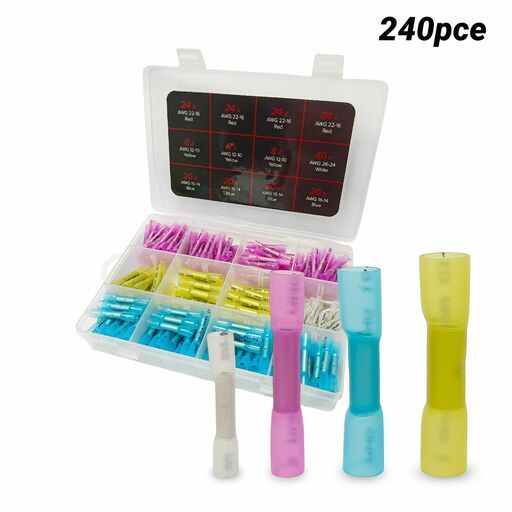
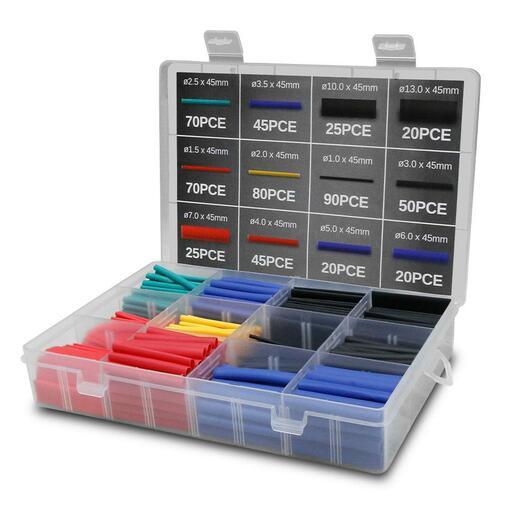
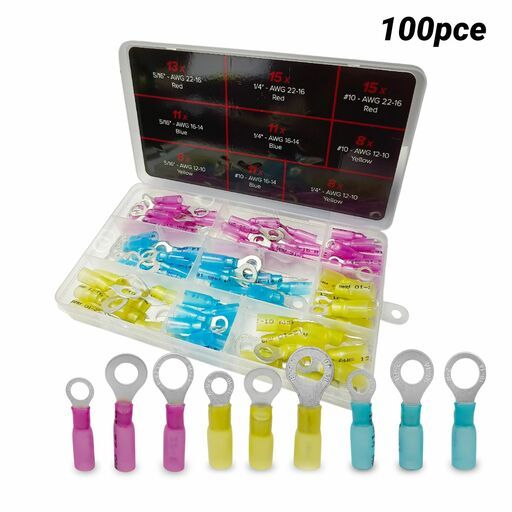
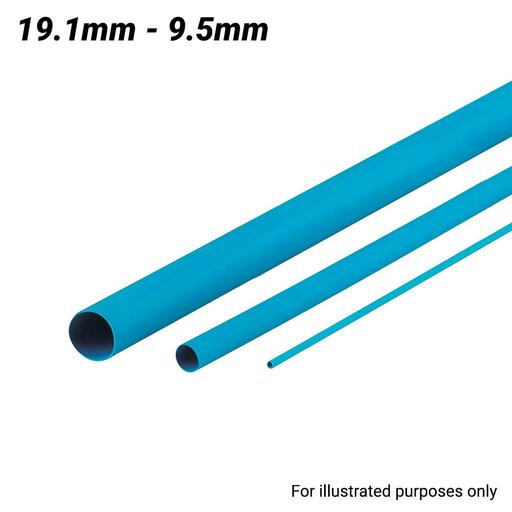
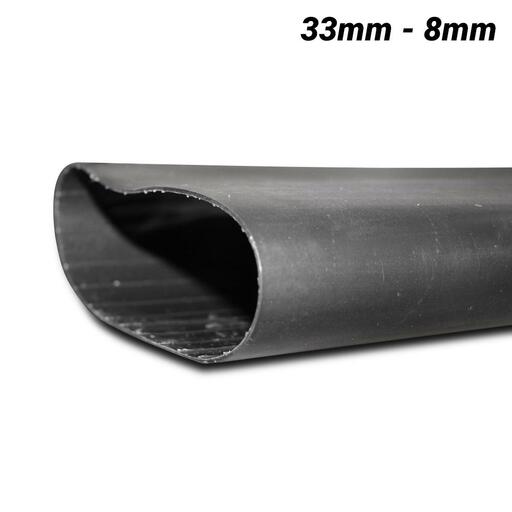
Heat shrink is a type of thermoplastic tubing used in electrical, automotive, marine and industrial applications to insulate, protect and seal wire connections and terminals. When heat is applied, the tubing contracts to form a tight, moisture-resistant covering over joints, splices and exposed conductors.
Designed to improve both safety and durability, heat shrink for wires provides a secure outer layer that helps protect electrical systems from abrasion, vibration, contaminants and environmental exposure in workshop and field environments.




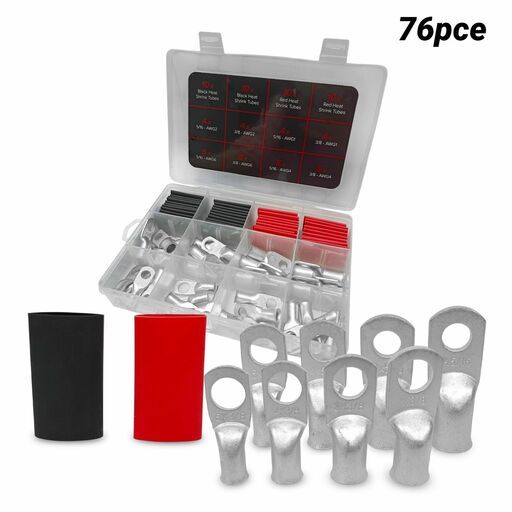
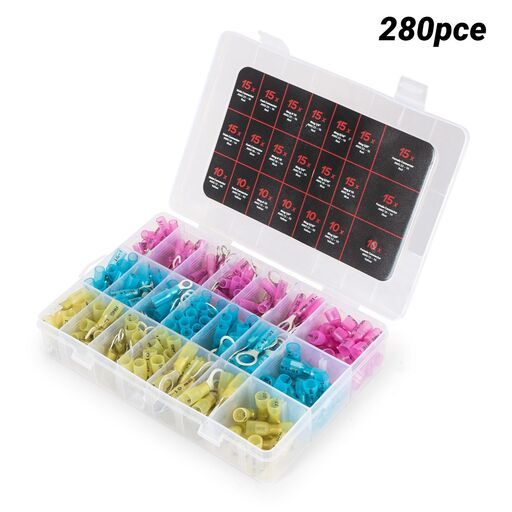

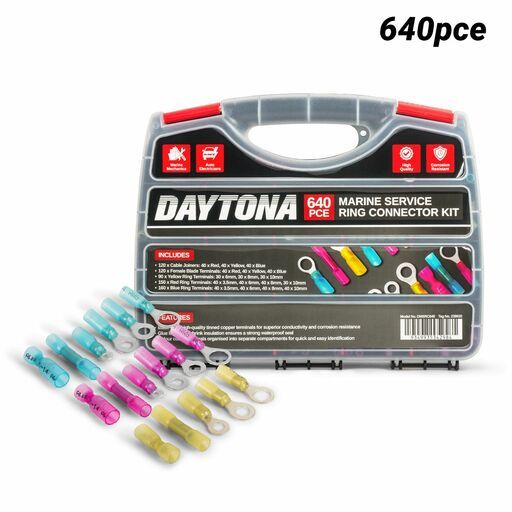

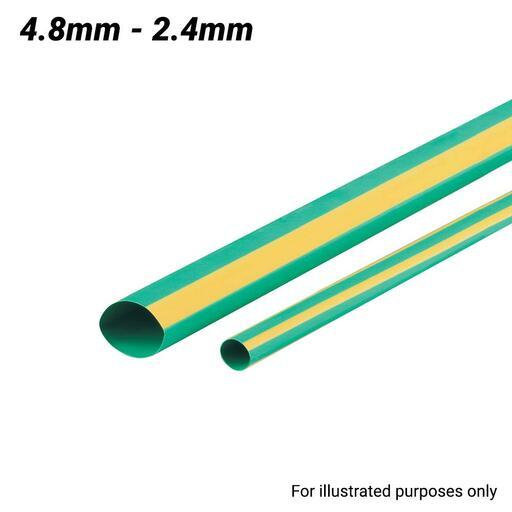
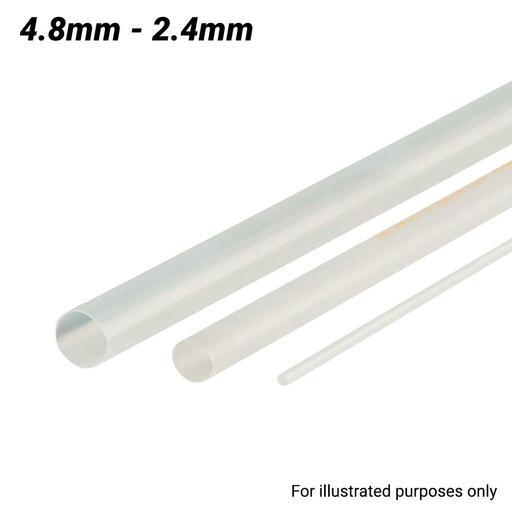
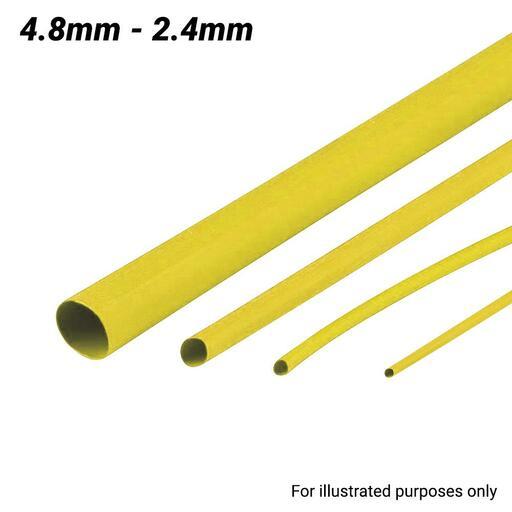
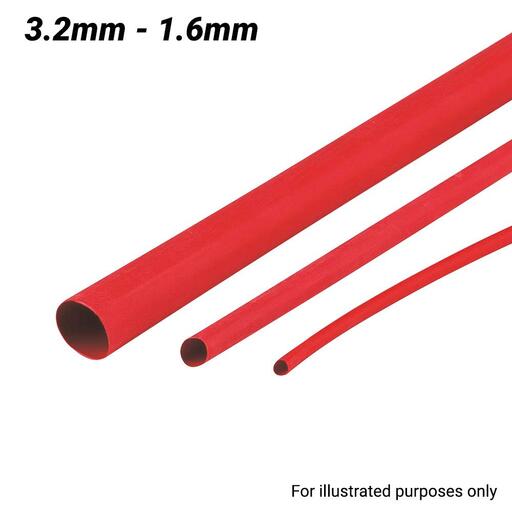
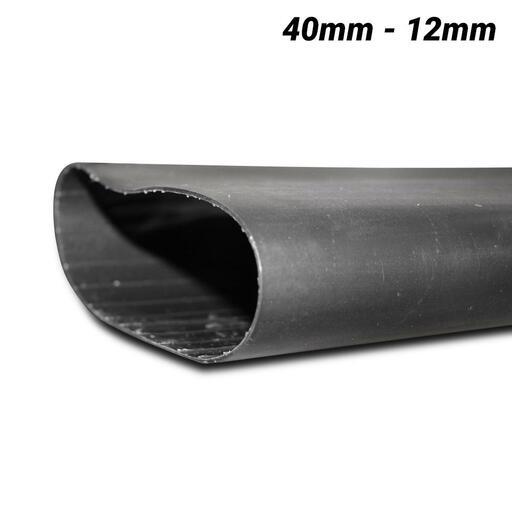
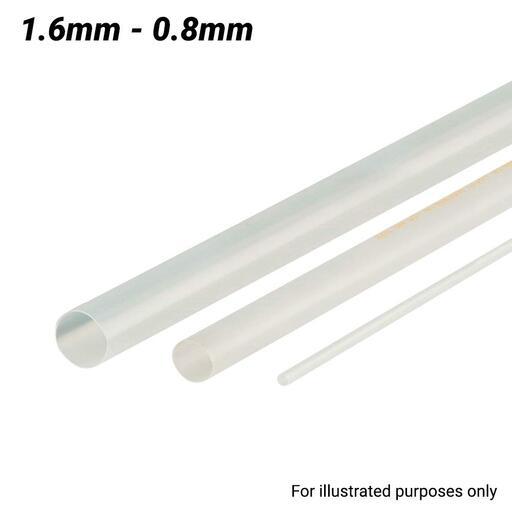


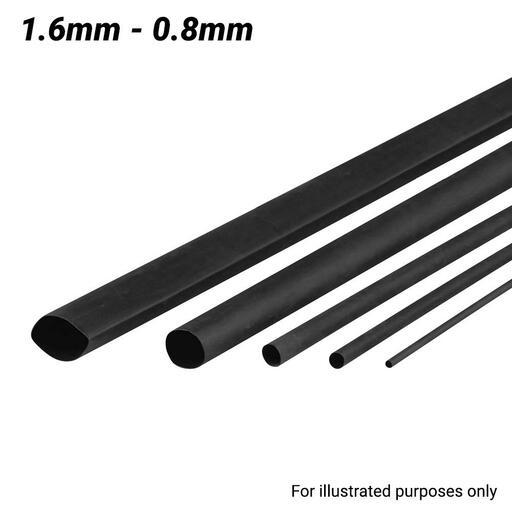

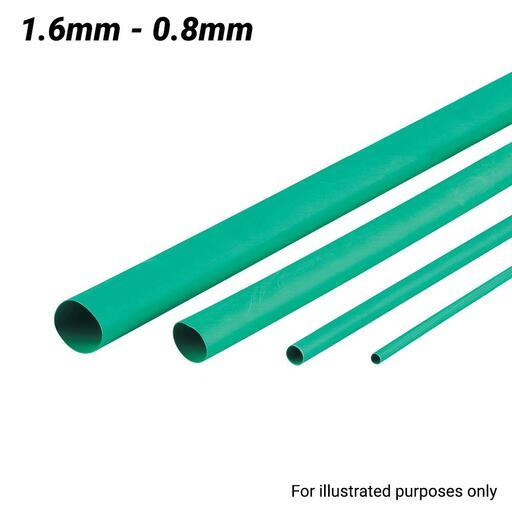

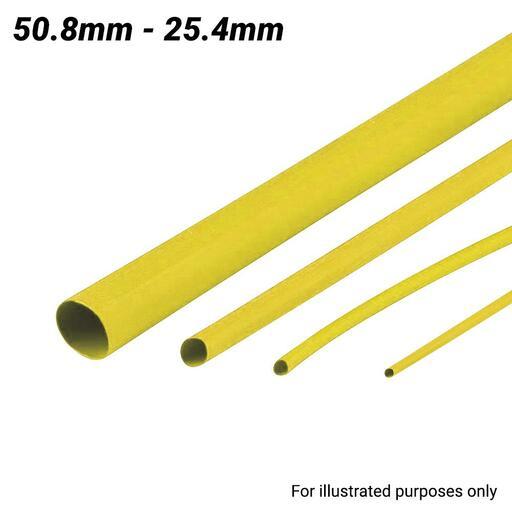
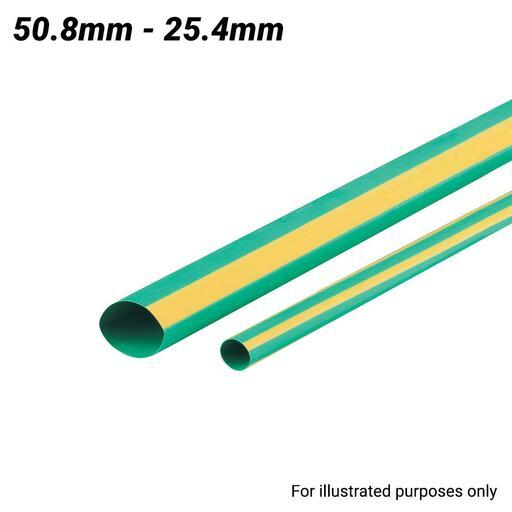

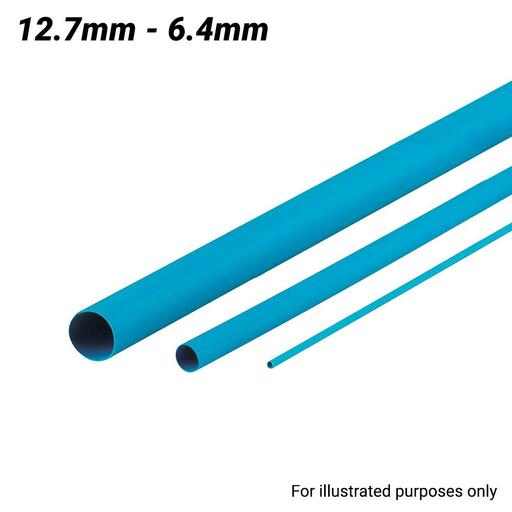
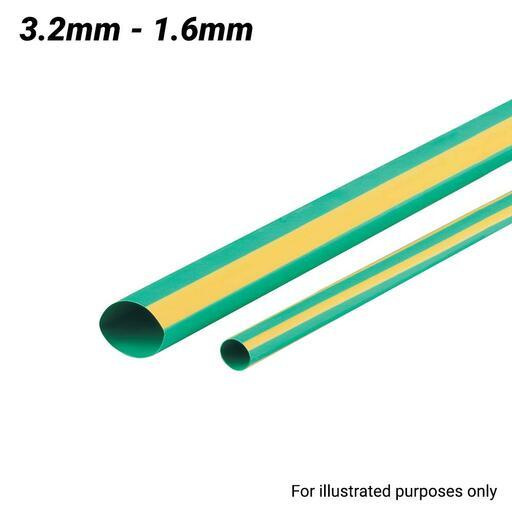

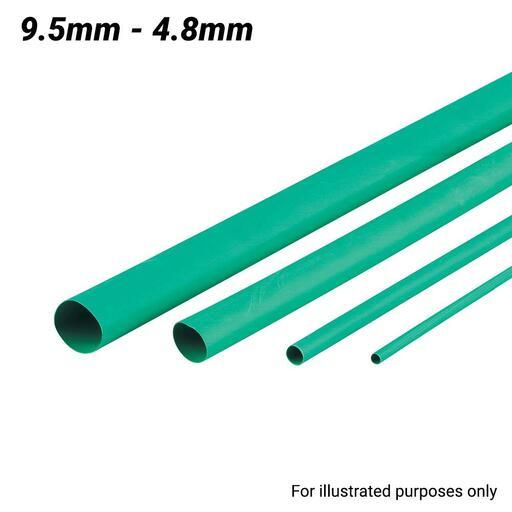
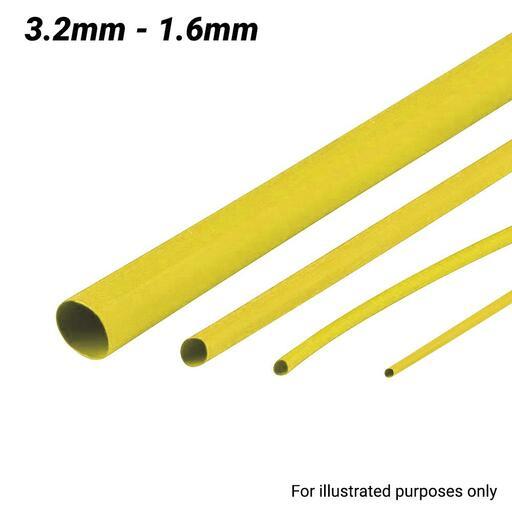


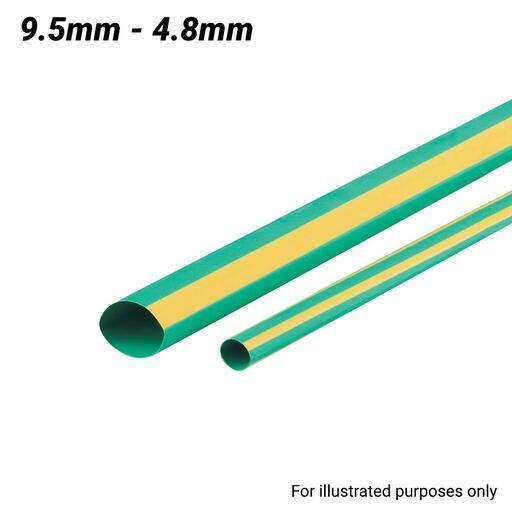
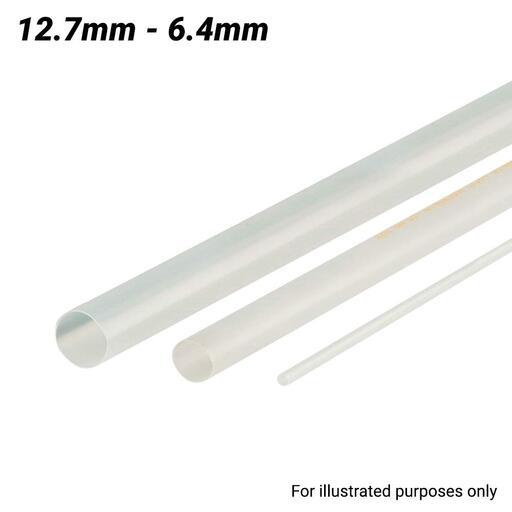
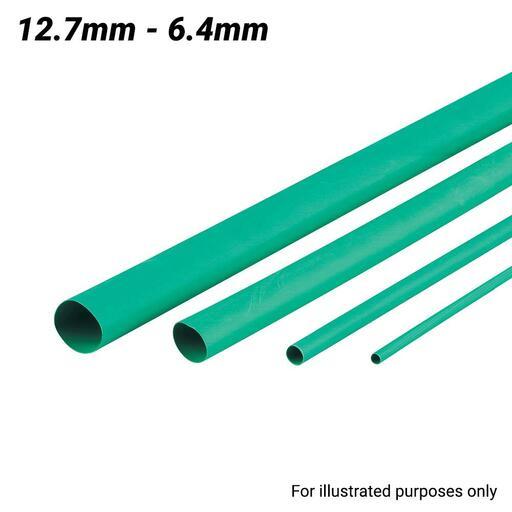

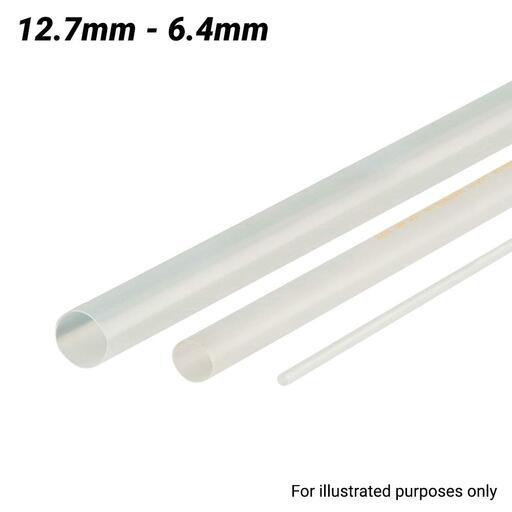
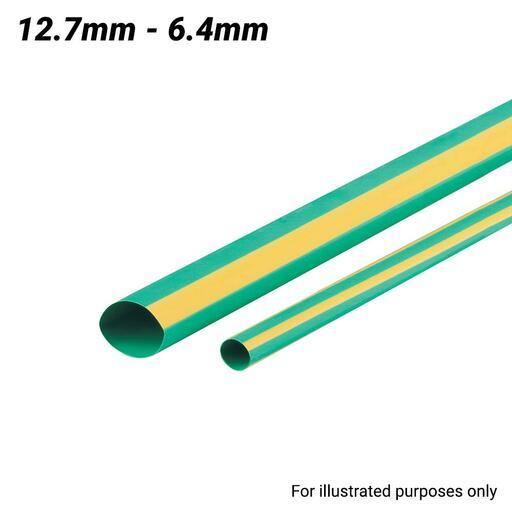
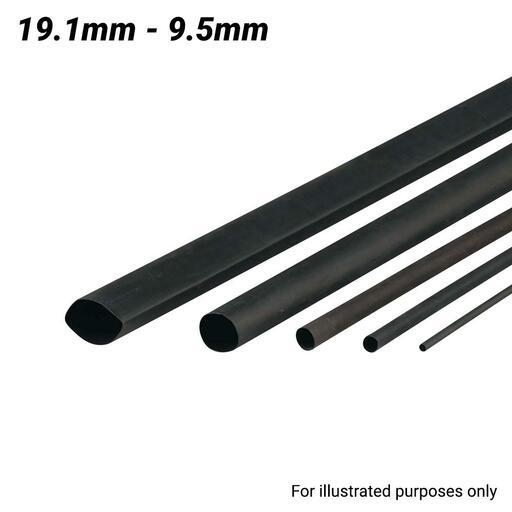

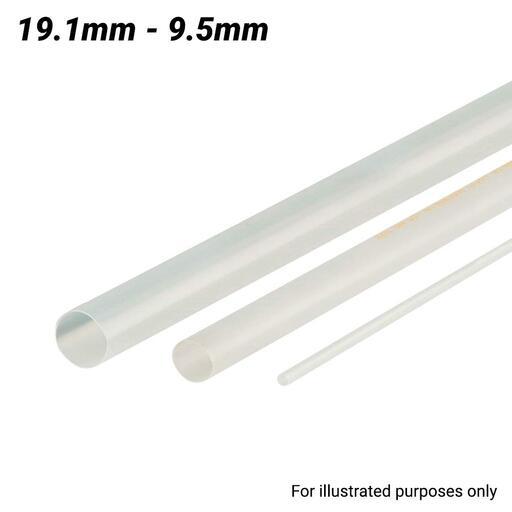


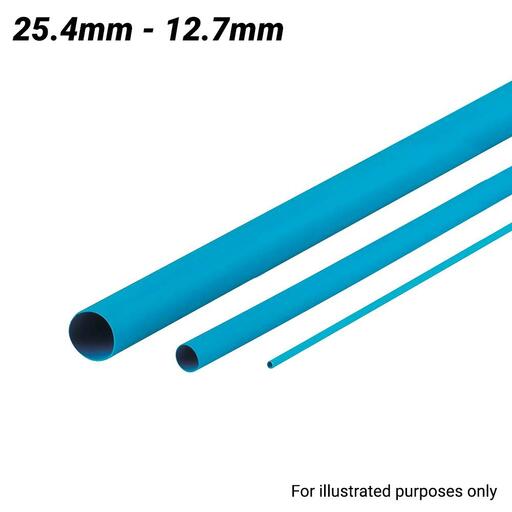
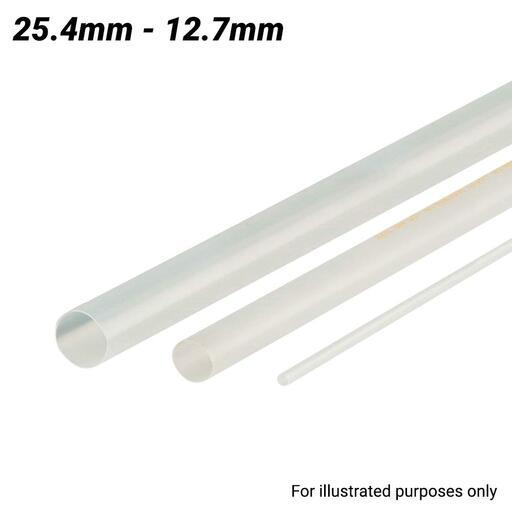

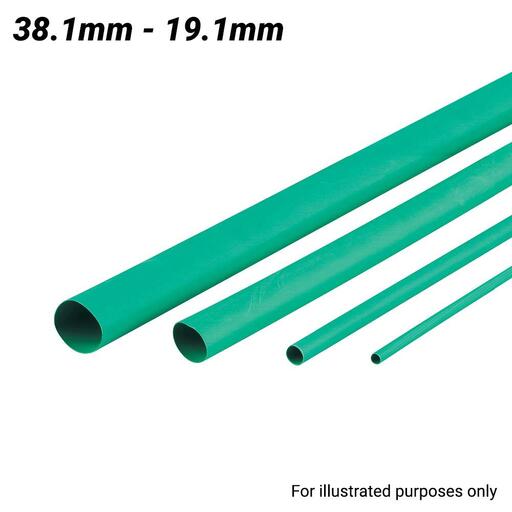
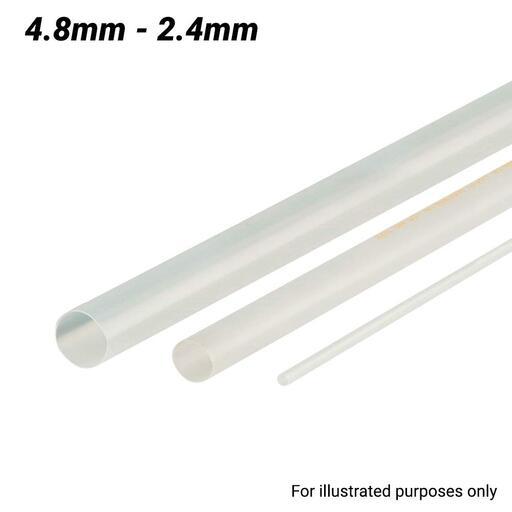
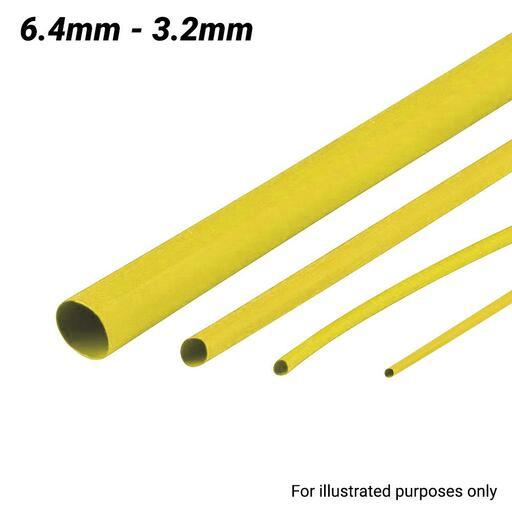


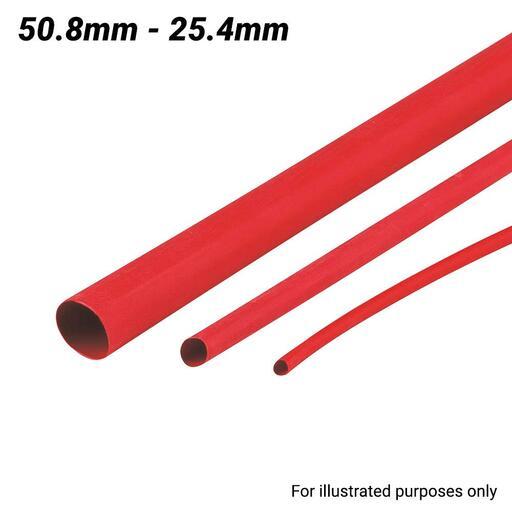

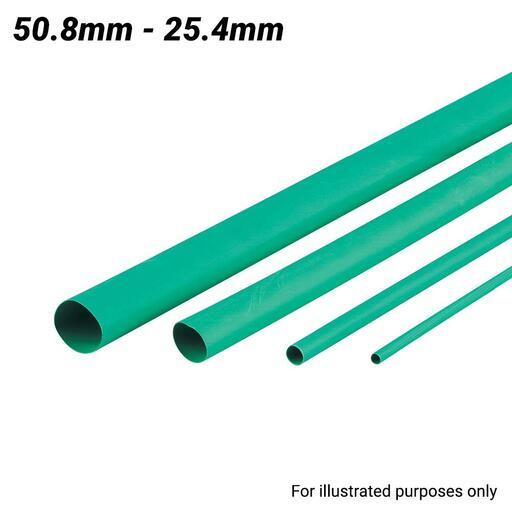
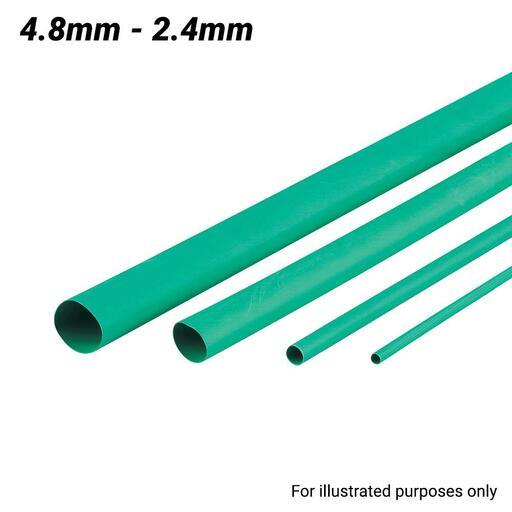
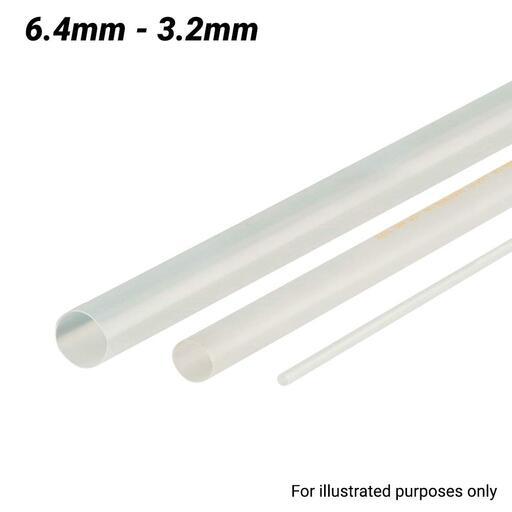
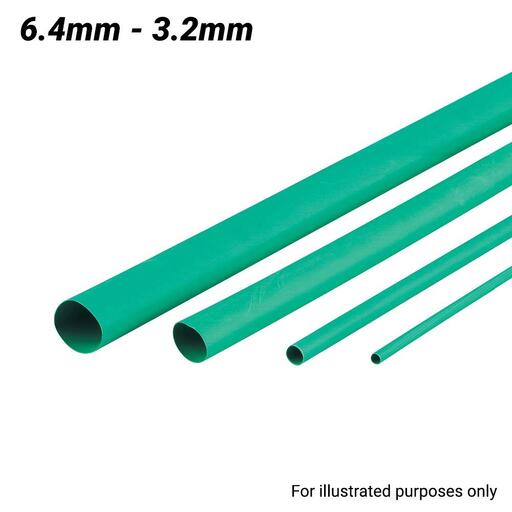
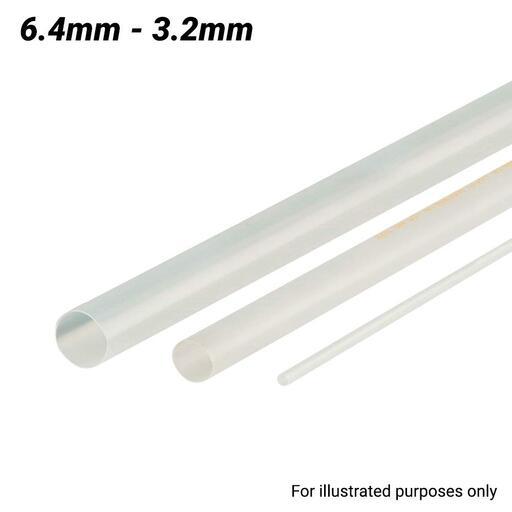
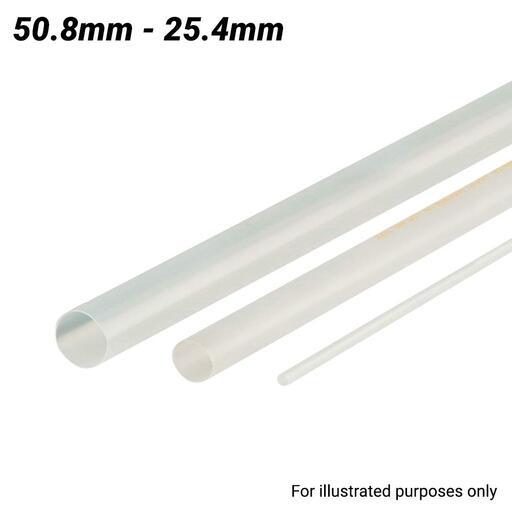
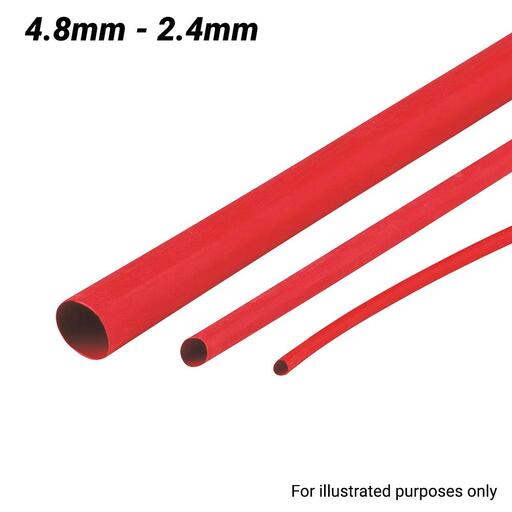

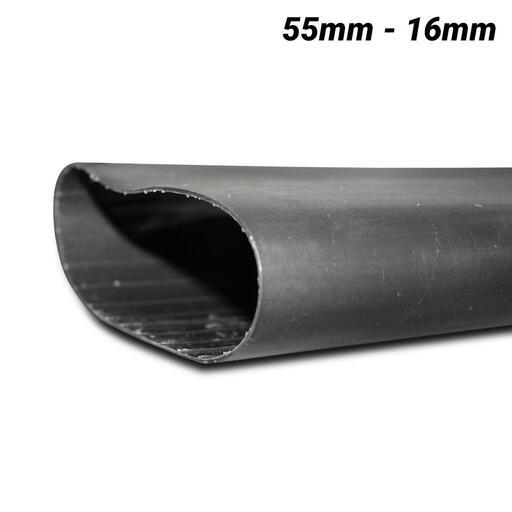


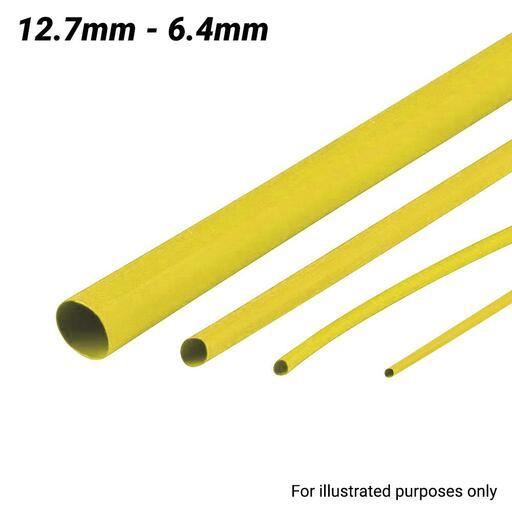




Typical Uses for Heat Shrink Tubing
Heat shrink tubing is commonly used when technicians need to:
- Protect wire splices and soldered joints
- Insulate bare conductors
- Reinforce strain relief at terminals and connectors
- Create a sealed barrier with waterproof heat shrink against moisture and chemicals
- Bundle and organise grouped wiring
Purpose-built tubing improves the mechanical strength and environmental resistance of electrical connections, supporting long-term system reliability across residential, commercial, automotive and industrial installations.
Key Material and Functional Attributes
Selecting the correct heat shrink tubing involves understanding several important attributes:
- Shrink Ratio - The shrink ratio (e.g. 2:1, 3:1) indicates how much the tubing will contract when heated.
- Size Selection - Tubing should fit comfortably over the wire or connector before heating and shrink tightly without excessive compression once heat is applied.
- Wall Thickness - Thicker wall tubing offers enhanced mechanical protection and abrasion resistance, while thin wall options provide lightweight insulation where space is limited.
- Temperature Rating - Choose tubing rated for the expected operating temperature, particularly in automotive engine bays or industrial machinery where heat exposure may be elevated.
- Material Properties - Flame-retardant, adhesive-lined (dual-wall) and chemically resistant materials are available for specialised environments requiring additional protection.
- Colour and Identification - Clear or colour-coded tubing supports circuit identification and organised wiring layouts.
Recommended Application and Care Practices
To achieve optimal results:
- Measure wire and connector dimensions before selecting tubing
- Ensure the tubing slides easily over the connection prior to heating
- Apply heat evenly along the length using an appropriate heat source
- Avoid direct flame contact that may scorch or damage insulation
- Rotate the cable during heating for consistent contraction
- Inspect the joint after cooling to confirm full shrinkage and secure fit
Why Buy Heat Shrink from Sydney Tools
At Sydney Tools we offer a wide selection of heat shrink tubing suited to electrical, automotive, marine and industrial wiring tasks. With competitive pricing and access to in-store and online support, customers can confidently select the appropriate tubing size, shrink ratio and material type for insulating and protecting connections.
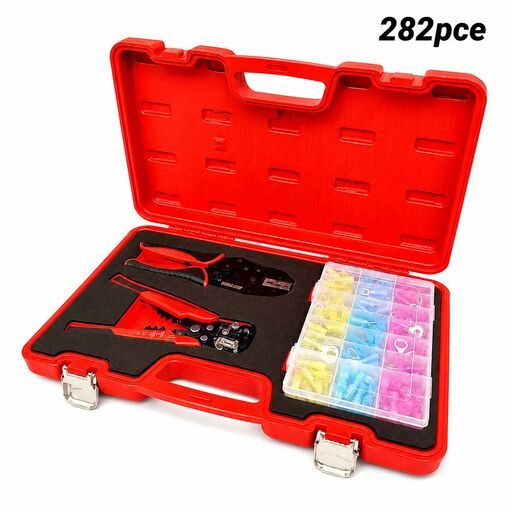
Not only do we offer a range of heat shrink but also a wide range of Cable Cutters & Strippers, Crimpers & Presses and Test Leads to further assist you in your tasks.
Frequently Asked Questions (FAQs)
What do shrink ratio numbers (e.g. 2:1, 3:1) mean and which should I use?
The ratio indicates how much the tubing reduces in diameter when heated. For example, 2:1 shrinks to half its original size. Higher ratios such as 3:1 are useful when covering connectors or irregular shapes.
How do I select the correct heat shrink size for a specific wire or connector?
Choose tubing with an internal diameter slightly larger than the cable or connector before heating, ensuring it will shrink tightly around the connection after heat is applied.
Can heat shrink tubing provide moisture protection on outdoor installations?
Yes, particularly adhesive-lined (dual-wall) tubing, which forms a sealed barrier that helps resist moisture ingress in outdoor or marine environments.
What temperature ratings are typical for automotive versus industrial applications?
Automotive tubing often supports moderate to high temperature ranges found near engines, while industrial-grade tubing may offer higher continuous temperature ratings depending on the material specification.
Is there a recommended way to apply heat for even shrinking without damage?
Use a controlled heat source such as a heat gun, apply heat evenly while rotating the cable, and avoid concentrating heat in one spot.
Can colour-coded heat shrink help with circuit identification?
Yes. Colour-coded tubing assists with phase identification, polarity marking and organised wiring systems.
Are there flame-retardant options suitable for high-risk environments?
Yes. Flame-retardant heat shrink tubing is available for installations where fire resistance is a key requirement.
How should unused heat shrink tubing be stored to maintain quality?
Store tubing flat or coiled neatly in a dry, cool environment away from UV exposure and moisture.
Can heat shrink be used on cable bundles or only individual wires?
It can be used on both individual wires and bundled cables, provided the correct size and shrink ratio are selected.
What signs indicate heat shrink may have deteriorated and needs replacement?
Cracking, brittleness, discolouration, loosening around the joint or loss of sealing integrity are indicators that replacement may be required.
Find the Right Heat Shrink Today
Give your electrical projects a professional, directional finish with tools designed for longevity. Browse our full range of heat shrink solutions online or visit your nearest Sydney Tools store location to find the perfect size and ratio for your next job.


