
Login
Login
- Popular Categories
- Shop By Brand
- Tool Accessories
- Air Compressor
- Hand Tools
- Laser Levels
- Mechanical Workshop
- Pressure Washers
- Welding
- Chainsaws
- Lawn Mowers
- Whipper Snippers
- Categories
- Adhesives & Sealants
- Air Tools
- Diamond Tools
- Fans
- Fasteners
- Generators
- Ladders
- Lubricants & Chemicals
- Power Garden
- Safety Equipment
- Scaffold
- Silica Dust Solutions
- Storage
- Test - Measure - Locate
- Transportation & Lifting
- Vacuum & Dust Extractors
- Water Pumps
Electrical / Dry-Wells
Dry wells are used to protect temperature sensors in pressurised systems. They create a sealed barrier between the probe and the process fluid, which means sensors can be removed or replaced without draining the system or opening pipework.
A dry well temperature calibrator setup is commonly found in HVAC, plumbing, industrial, and electrical applications where downtime is expensive or simply not practical. The well helps shield the sensor from pressure, corrosion, vibration, and constant fluid movement while still allowing accurate temperature readings.
In busy plant rooms and industrial sites, dry wells make routine servicing and calibration far easier without interrupting the rest of the system.
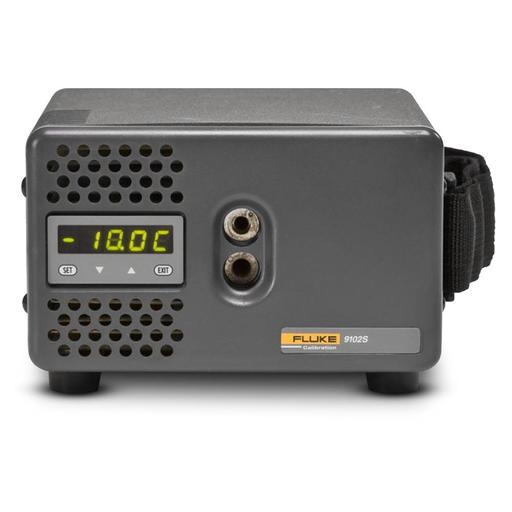


System Protection and Process Continuity
Dry wells are designed for systems that need to stay running.
Instead of shutting down a pressurised line just to replace a faulty sensor, technicians can remove the probe while the well stays sealed in place. That saves time and avoids unnecessary disruption across heating systems, process equipment, and commercial plumbing setups.
You will often see dry wells used in HVAC plants, industrial control systems, and larger electrical installations where temperature monitoring needs to stay consistent under load.
A dry well temperature calibrator is also useful during testing and servicing where stable readings matter for system checks and compliance work.
On larger jobs, these systems are often installed alongside cordless battery powered water pump equipment, concrete saws, and M class vacuum cleaner dust extractors during maintenance or fit-out work.
Material Composition and Fitting Types
The material you choose depends on the environment.
Stainless steel dry wells are commonly used where corrosion, pressure, or aggressive chemicals are involved. Brass versions are more common in general plumbing and heating systems where conditions are less demanding.
A few details make a big difference when selecting the right setup:
-
BSP and NPT thread compatibility
-
Correct insertion length
-
Pressure and temperature ratings
-
Proper probe fit inside the well
-
Corrosion resistance for the application
A close fit between the sensor and the well improves heat transfer and helps readings respond faster. If there is too much space inside the bore, temperature response can become slower and less consistent.
Longer wells are also useful on larger pipework where the probe needs to sit deeper into the flow for a more accurate reading.
Installation and Heat Transfer Efficiency
Correct installation plays a big role in performance.
-
Apply thermal paste inside the well
-
Match the pressure rating to the system
-
Position the well correctly in the flow
-
Inspect seals and threads before fitting
-
Check regularly for wear or corrosion
Thermal compound helps remove air gaps between the sensor and the internal wall of the well. That improves response time and gives more stable readings.
Positioning matters too. In flowing systems, dry wells are usually installed facing into the direction of flow to improve accuracy.
Regular inspections also help spot corrosion or thread wear before leaks become a problem.
Why Buy Dry Wells from Sydney Tools
Sydney Tools stocks a practical range of dry wells and temperature sensor fittings suited to industrial, plumbing, and electrical work. Whether you are replacing an existing setup or fitting out a new system, there are options suited to different pressures, thread types, and operating conditions.
You can expect:
-
A solid range of industrial dry wells
-
Options for different thread configurations
-
Materials suited to harsh environments
-
Competitive pricing online and in store
-
Helpful support when choosing fittings
With the right setup, temperature monitoring becomes easier to maintain and far more reliable over time.
FAQs
What is the difference between a thermowell and a dry well?
The two terms are commonly used interchangeably in industrial applications.
Do I need thermal grease inside a dry well?
Yes. It improves heat transfer and helps readings respond more accurately.
Can brass dry wells be used in steam systems?
Higher-pressure steam systems generally require stainless steel.
What thread types are commonly used?
BSP and NPT are the most common industrial thread standards.
Can a dry well be installed horizontally?
Yes, provided the positioning suits the flow and application.
Does wall thickness affect response time?
Yes. Thicker walls can slightly slow temperature transfer.
Are these suitable for PT100 and thermocouple probes?
Many dry wells are designed to suit both sensor types.
What material handles corrosive environments best?
Stainless steel is commonly preferred where corrosion resistance matters.
Can sensors be replaced while the system is pressurised?
Yes. That is one of the main advantages of using a dry well.
Find the Right Dry Well Today
Keep systems protected and easier to maintain with the right setup. Browse the range online or visit your nearest Sydney Tools store for practical advice and dependable industrial solutions.


