
Login
Login
- Popular Categories
- Shop By Brand
- Tool Accessories
- Air Compressor
- Hand Tools
- Laser Levels
- Mechanical Workshop
- Pressure Washers
- Welding
- Chainsaws
- Lawn Mowers
- Whipper Snippers
- Categories
- Adhesives & Sealants
- Air Tools
- Diamond Tools
- Fans
- Fasteners
- Generators
- Ladders
- Lubricants & Chemicals
- Power Garden
- Safety Equipment
- Scaffold
- Silica Dust Solutions
- Storage
- Test - Measure - Locate
- Transportation & Lifting
- Vacuum & Dust Extractors
- Water Pumps
Electrical / Concrete Saws
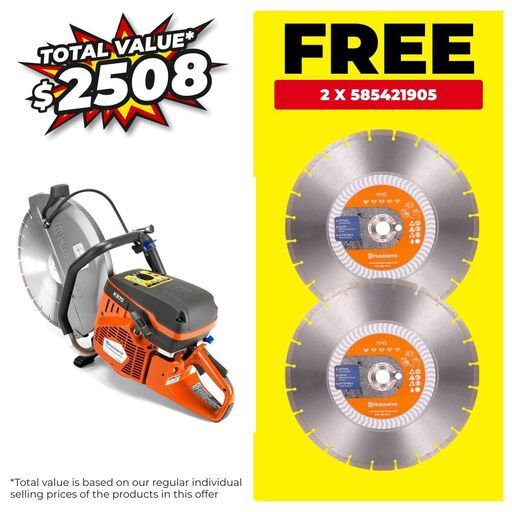
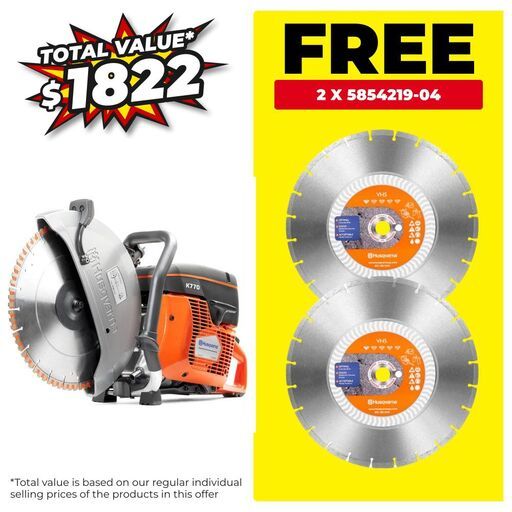
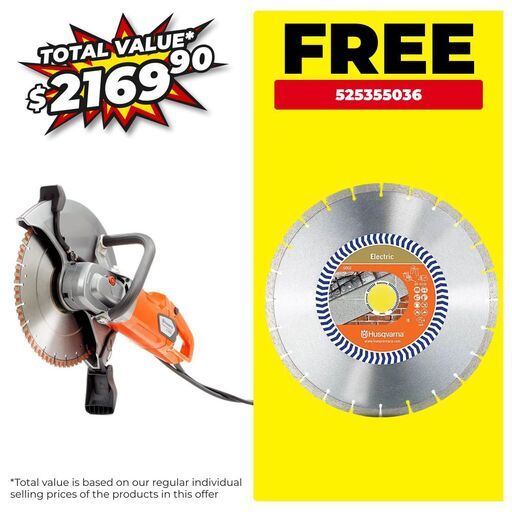
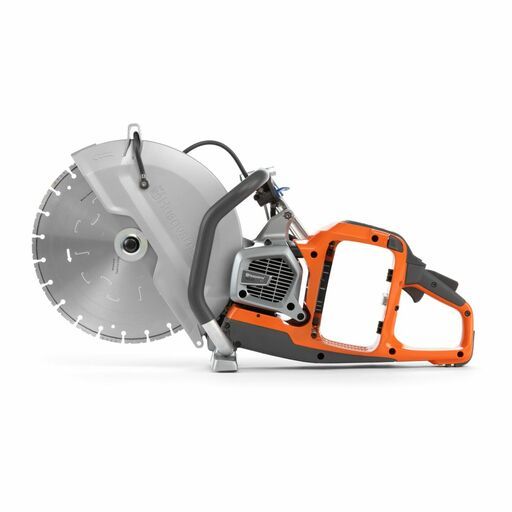
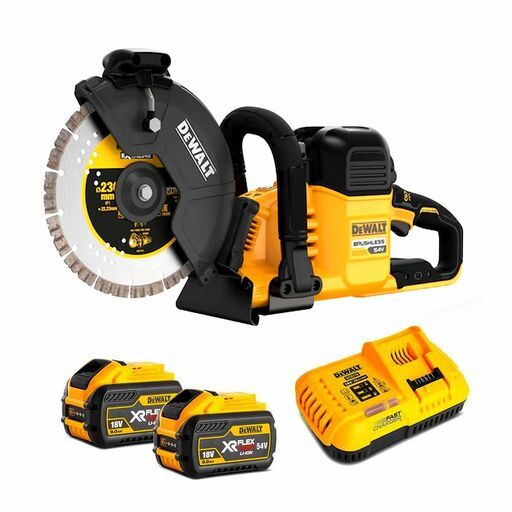
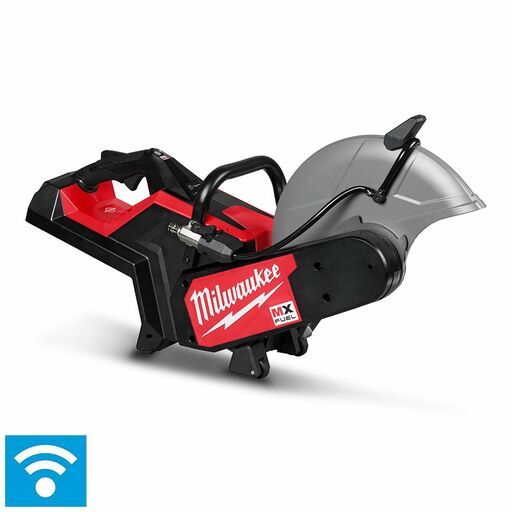
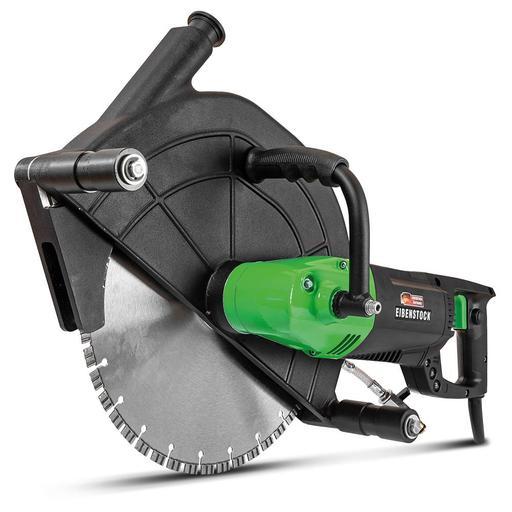
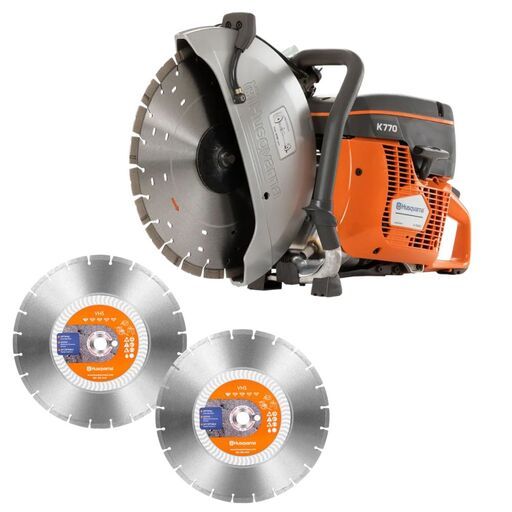
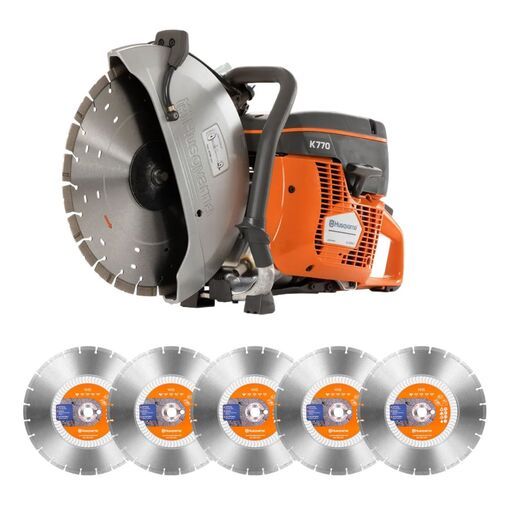
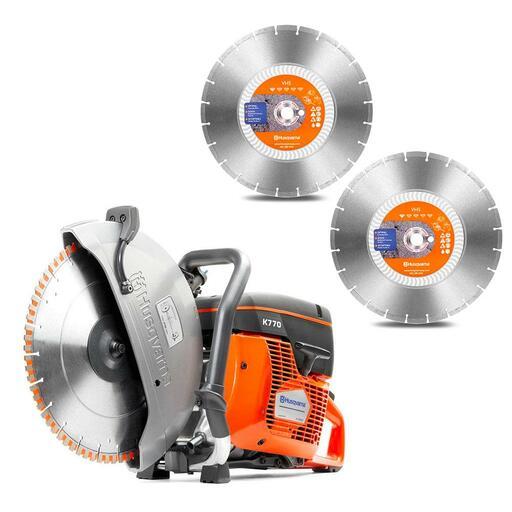
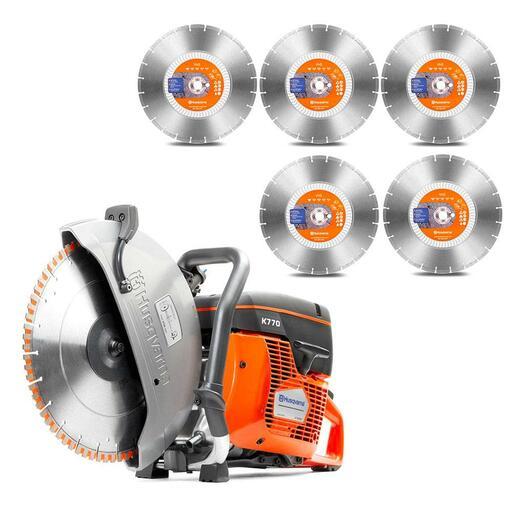
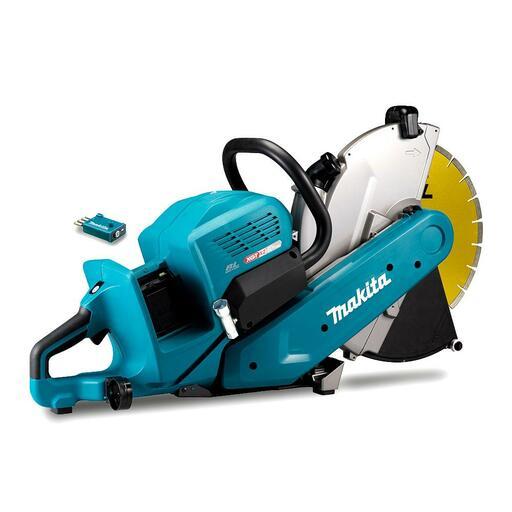
Concrete saws are built for jobs where ordinary cutting tools fall short. They are used on concrete, masonry, asphalt, and reinforced slabs when you need a clean, controlled result.
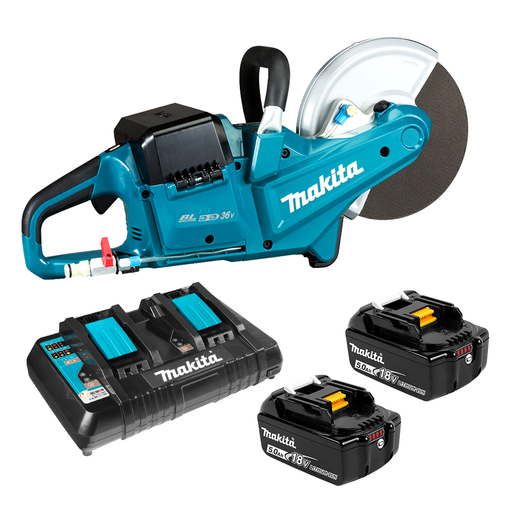
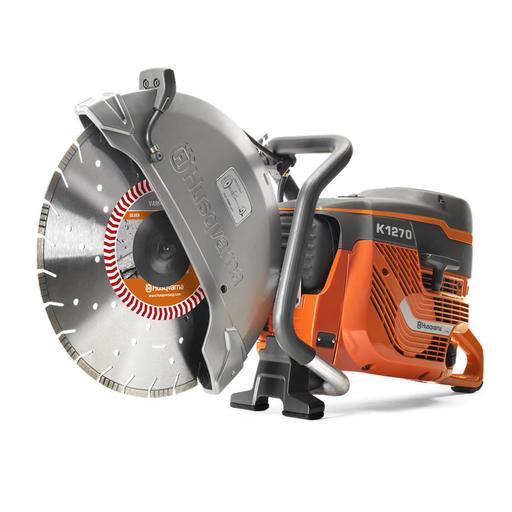
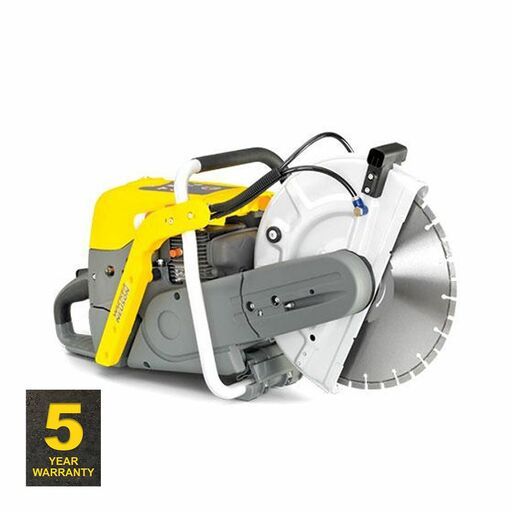
An electric concrete saw or petrol unit drives a diamond blade with enough torque to cut deep without forcing the tool. That is why a concrete cutting saw is often used at the start of construction, trenching, and renovation work where accuracy matters from the first cut.



















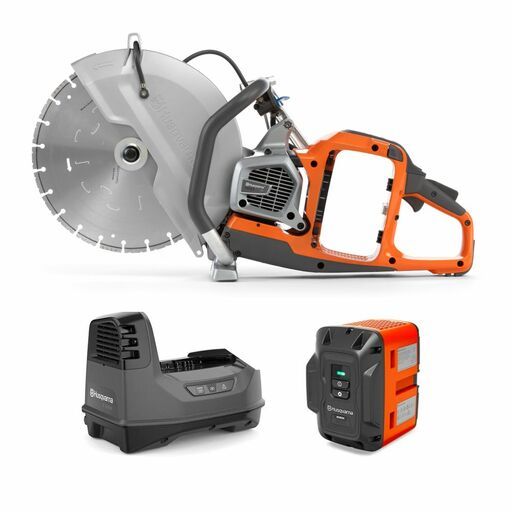

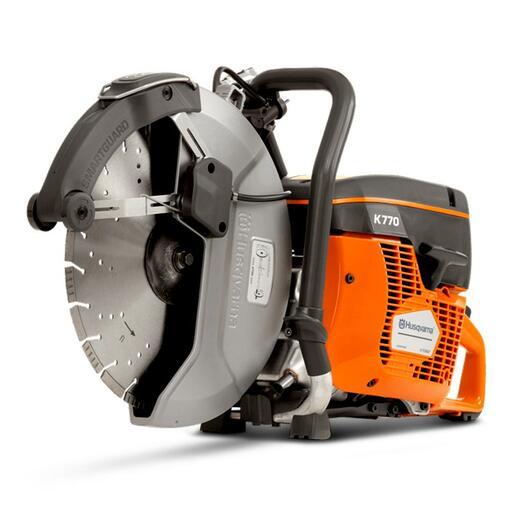
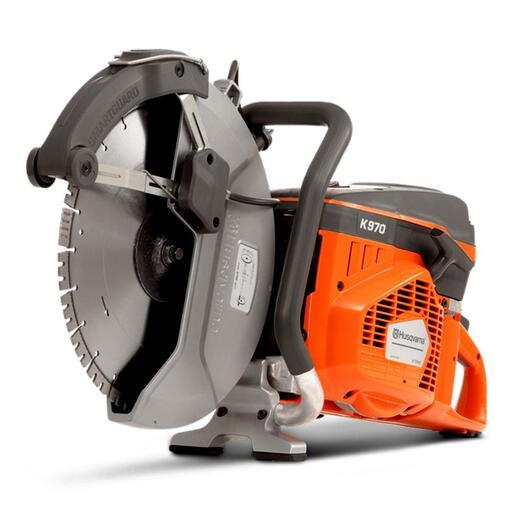
Structural Demolition and Infrastructure Trenching
Concrete saws are part of day-to-day site work. They are used to cut expansion joints, open up walls for doors and windows, and trench for electrical or plumbing runs.
On driveways and roadwork, they separate sections of slab or asphalt before removal. A clean cut makes the next step easier and helps avoid damage to surrounding areas.
For indoor work, an electric concrete saw is usually the better option. It avoids fumes and suits enclosed spaces. Outdoors, petrol units are more common, especially on larger jobs where power is not always available.
They also come into play during renovation work where you need to keep things neat. A controlled cut reduces mess and keeps the job on track.
Motor Configurations and Blade Cooling Systems
The right setup depends on the job at hand.
Handheld cut-off saws are suited to general cutting and tighter spaces. Walk-behind units are better for long, straight runs across slabs where consistency matters.
Typical concrete saws are fitted with a water feed system. This cools the saw blade and also assists in dust control during cutting. Dust control and blade cooling also results in better blade life and a more manageable work area. As with any sawing operation, blade selection is equally important. Different diamond blades are used for cutting different materials, ranging from softer asphalt to dense reinforced concrete. Many other features, such as vibration control, soft-start motors, filtration and so on make the tool more comfortable to use and also assist in long-term protection of the tool from dust. Concrete saws are frequently used with diamond blades, dust extraction shrouds & cutting guards, H class vacuum cleaner dust extractors and floor scrapers and stripper equipment when preparing or finishing surfaces.
Blade Selection and Operational Integrity
Using the right blade is critical. It needs to match the saw and the material being cut.
-
Check the blade rating before use
-
Inspect flanges and mounting points
-
Keep belts correctly tensioned
-
Use water feed where needed
-
Clean the system after each job
A stable setup helps keep the cut straight. Worn parts can cause vibration, which affects both finish and safety.
Flushing the water system helps prevent buildup. Keeping filters clean also protects the motor when working in dusty conditions.
Why Buy Concrete Saws from Sydney Tools
Sydney Tools stocks a practical range of concrete saws for trade and site use. Whether you need an electric concrete saw for indoor work or a more heavy-duty option for larger jobs, there are choices to suit.
You can expect:
-
A solid range of concrete saws
-
Options for electric and petrol setups
-
Compatibility with quality diamond blades
-
Competitive pricing online and in store
-
Helpful advice when needed
With the right setup, cutting becomes quicker and easier to manage.
FAQs
What is the maximum cutting depth for a standard 14-inch concrete saw?
It varies by model, though most handle standard slab depths.
When should I choose a battery-powered saw over a petrol-driven model?
Battery or electric models suit indoor or enclosed areas.
How does a wet-cut system differ from a dry-cut setup?
Wet cutting uses water to cool the blade and reduce dust.
Is it necessary to use a specific blade for cutting reinforced rebar?
Yes, blades designed for reinforced concrete handle steel better.
What are the signs that a diamond blade has become dull?
Slower cutting and increased heat are common signs.
Can these saws be used for cutting green concrete versus cured slabs?
Yes, though blade choice should match the material.
How often should the drive belt tension be checked?
Check it regularly during heavy use.
Are there attachments for vacuum-assisted dust extraction?
Yes, compatible shrouds and extraction systems are available.
Does the saw include adjustable water flow control?
Many models do.
What safety PPE is required when operating a concrete saw?
Eye, hearing, hand, and respiratory protection are recommended.
Find the Right Concrete Saw Today
Take control of heavy cutting jobs. Browse the range online or visit your nearest Sydney Tools store for practical advice and dependable cutting solutions.


