
Login
Login
- Popular Categories
- Shop By Brand
- Tool Accessories
- Air Compressor
- Hand Tools
- Laser Levels
- Mechanical Workshop
- Pressure Washers
- Welding
- Chainsaws
- Lawn Mowers
- Whipper Snippers
- Categories
- Adhesives & Sealants
- Air Tools
- Diamond Tools
- Fans
- Fasteners
- Generators
- Ladders
- Lubricants & Chemicals
- Power Garden
- Safety Equipment
- Scaffold
- Silica Dust Solutions
- Storage
- Test - Measure - Locate
- Transportation & Lifting
- Vacuum & Dust Extractors
- Water Pumps
Electrical / Diamond Blades
Diamond blades are built for materials that wear out standard cutting discs fast. Concrete, brick, tile, asphalt, and reinforced slabs all put heavy load on the blade, especially during long cuts on site.
A quality diamond cutting blade uses industrial diamond segments bonded to a steel core to maintain cutting performance under pressure. Whether fitted to grinders, cut-off saws, or larger concrete saws, the right blade helps the job move quicker and cut cleaner.
From chasing walls to cutting slabs, diamond saw blades are used every day across construction, electrical, and renovation work.

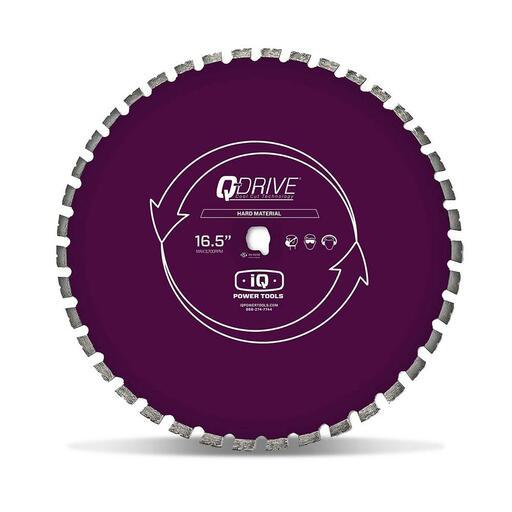
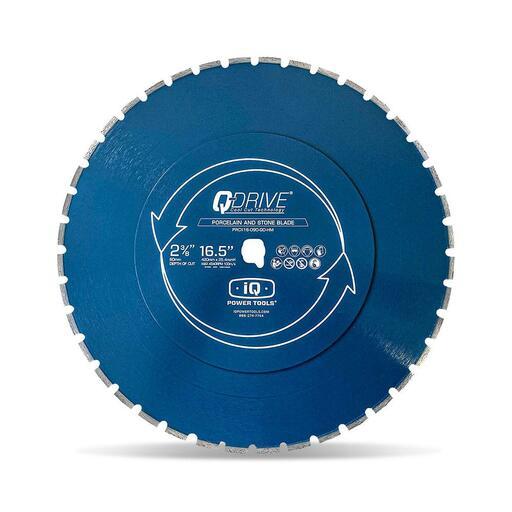


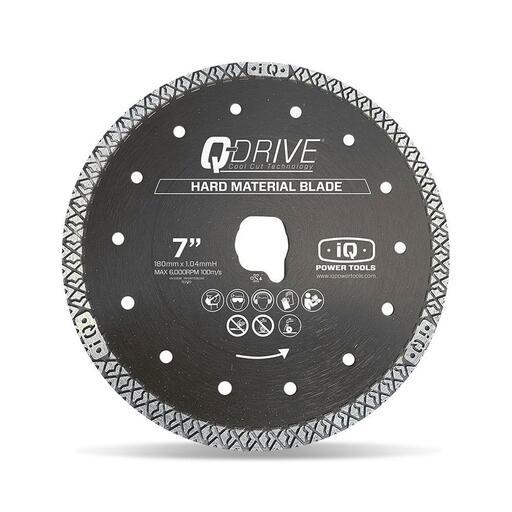
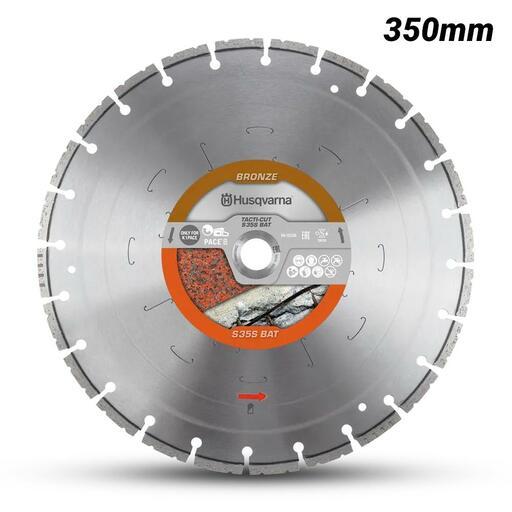










Built for Concrete and Masonry Work
The right blade makes a noticeable difference once cutting starts.
A diamond cutting disc is commonly used for trimming pavers, cutting concrete, chasing walls, or opening sections of slab during renovation work. Different rim styles suit different materials and finishes.
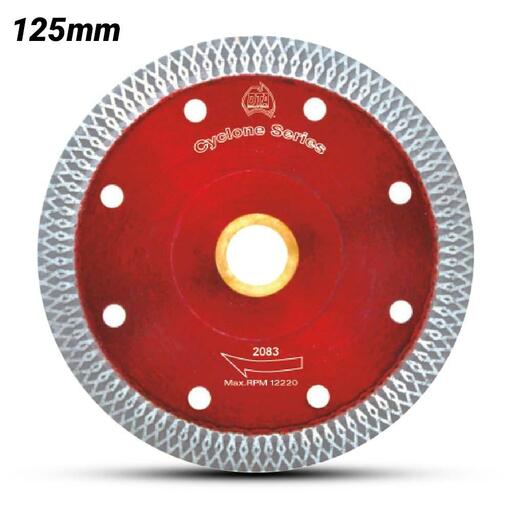
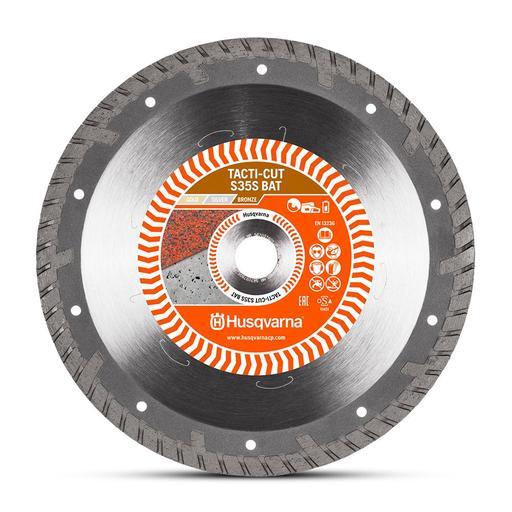
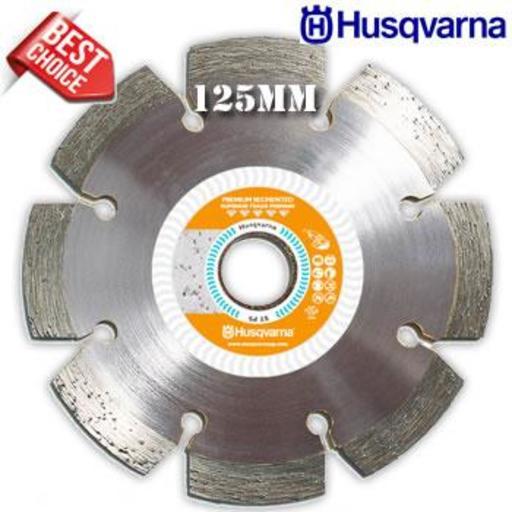
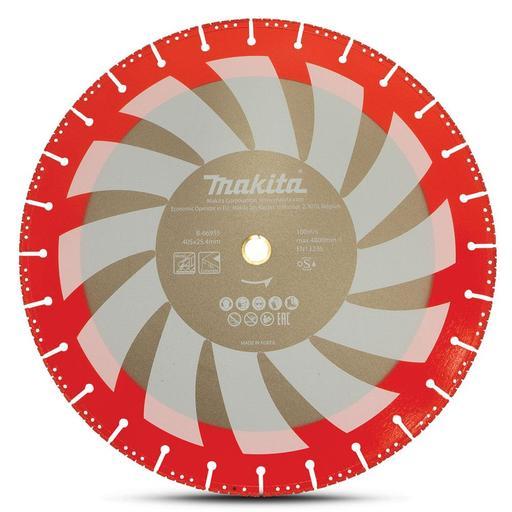
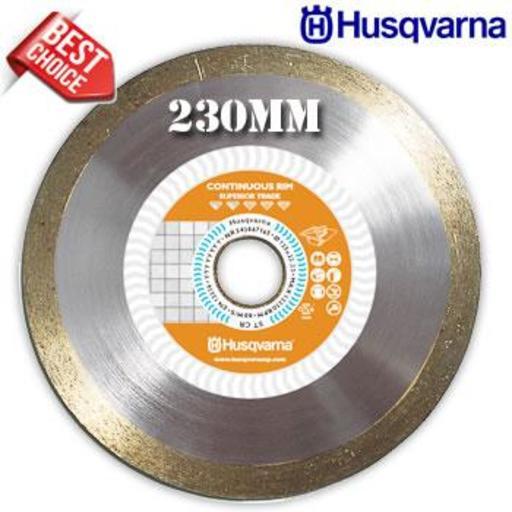
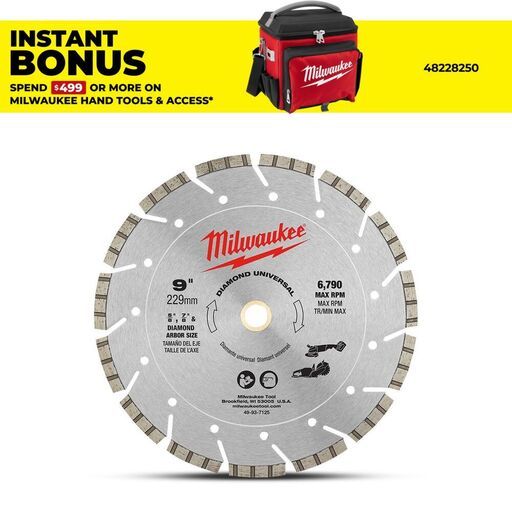
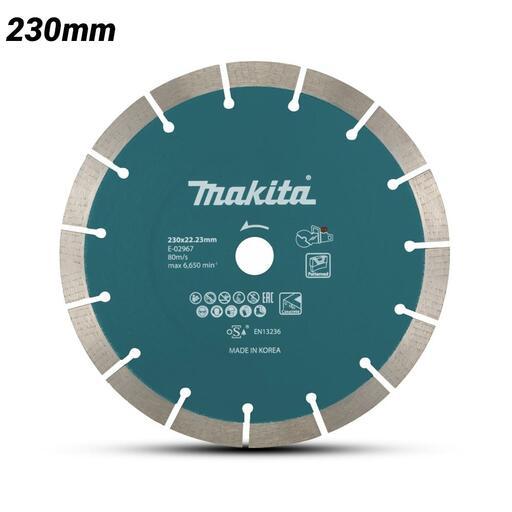
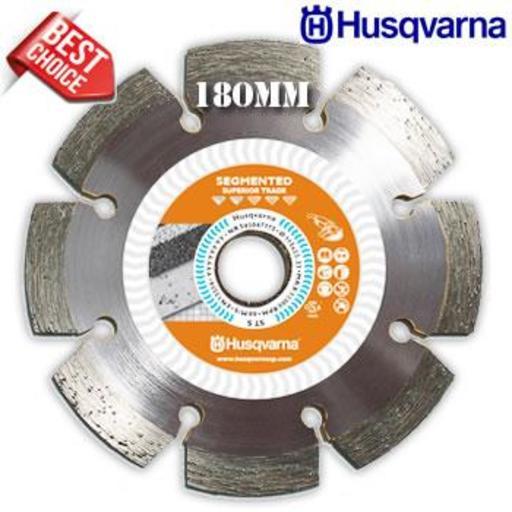
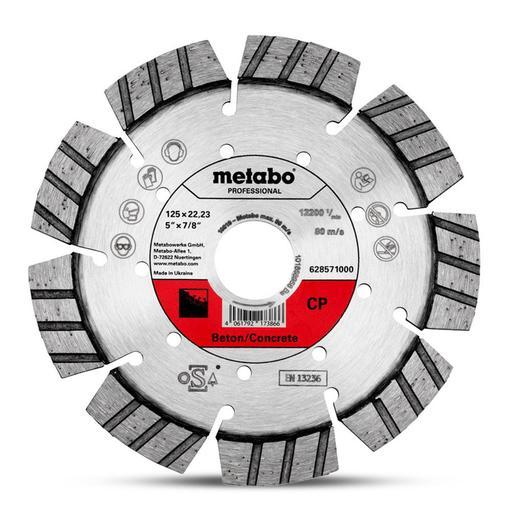
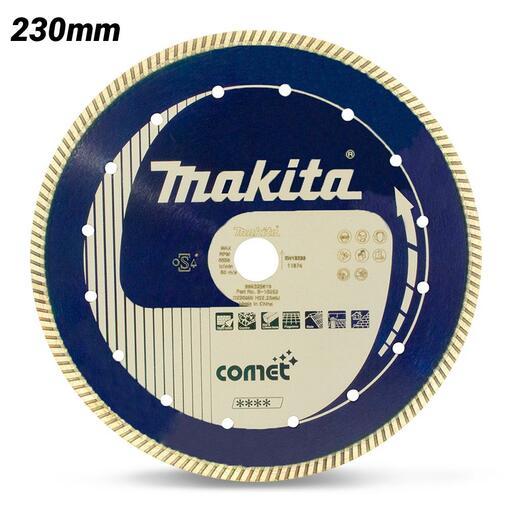
Segmented blades are designed for fast cutting and clearing dust quickly. Turbo rims give a smoother finish while still cutting efficiently. Continuous rim blades are usually preferred for tile and finer masonry where cleaner edges matter more.
For heavier work, diamond blades are often paired with concrete saws when cutting reinforced concrete or asphalt. They are also regularly used alongside a concrete nailer, M class vacuum cleaner dust extractors, and H class vacuum cleaner dust extractors during demolition and site prep.
Blade Design and Cutting Performance
Not every diamond blade suits the same material.
The steel core provides strength, while the diamond bond affects how the blade wears and cuts. Harder bonds suit abrasive materials like asphalt. Softer bonds work better in dense concrete because they expose fresh cutting diamonds faster.
Laser welded blades are built for tougher cutting and higher heat. Cold pressed blades are more common for lighter work and smaller tools.
Different blade styles suit different jobs:
-
Segmented blades for fast concrete cutting
-
Turbo blades for smoother finishes
-
Continuous rim blades for tile and masonry
-
Wet-cut blades for cooling and dust control
-
Reinforced concrete blades for structural work
Matching the blade to the material helps improve cut quality and blade life.
Blade Care and Safe Use
A diamond blade works best when matched properly to both the tool and material.
-
Check RPM ratings before use
-
Use the correct blade for the material
-
Let the blade do the work
-
Inspect for cracks or uneven wear
-
Keep mounting flanges clean and secure
If the blade starts cutting slowly or generating excess heat, it may be glazed. Running it through a softer abrasive material can help expose fresh diamond segments again.
Wet cutting helps cool the blade and reduce dust. Dry cutting should be done in shorter passes to avoid overheating.
Why Buy Diamond Blades from Sydney Tools
Sydney Tools stocks a practical range of diamond blades suited to trade, workshop, and site use. Whether you need a compact diamond cutting disc or larger diamond saw blades for heavy-duty work, there are options to suit different materials and cutting conditions.
You can expect:
-
A strong range of diamond cutting blade options
-
Blades suited to concrete, masonry, and tile
-
Options for wet and dry cutting
-
Competitive pricing online and in store
-
Helpful advice from knowledgeable staff
With the right blade fitted, cutting becomes faster, cleaner, and easier to control.
FAQs
What is the difference between a Cold Pressed and Laser Welded blade?
Laser welded blades are built to handle harder use, like heavier cutting and higher heat.
Can I use a wet diamond blade for dry cutting?
Some blades will do both but may not perform as well.
How do I choose between a segmented, turbo, or continuous rim?
Segmented is good for fast cuts, turbo is good for smoother applications, and continuous rim is good for clean finish.
What does glazing mean and how do I fix it?
Glazing occurs when the blade no longer cuts as easily. A softer abrasive can remove it.
Can these blades be used on angle grinders and petrol saws?
It depends on the blade size, arbor fitment and the RPM rating of the grinder or saw.
What does the term bond hardness refer to?
Bond hardness will determine how fast new diamond segments are exposed.
How can I tell if a blade is marked for cutting reinforced concrete?
Look in the product details for reinforced concrete suitability.
Does the thickness of the steel core have any influence on the accuracy of the cut?
Yes. A thicker core will enhance stability, thinner blades will usually cut faster.
Find the Right Diamond Blade Today
Get cleaner cuts and reliable performance on site. Browse the range online or visit your nearest Sydney Tools store for practical advice and dependable cutting solutions.


