
Login
Login
- Popular Categories
- Shop By Brand
- Tool Accessories
- Air Compressor
- Hand Tools
- Laser Levels
- Mechanical Workshop
- Pressure Washers
- Welding
- Chainsaws
- Lawn Mowers
- Whipper Snippers
- Categories
- Adhesives & Sealants
- Air Tools
- Diamond Tools
- Fans
- Fasteners
- Generators
- Ladders
- Lubricants & Chemicals
- Power Garden
- Safety Equipment
- Scaffold
- Silica Dust Solutions
- Storage
- Test - Measure - Locate
- Transportation & Lifting
- Vacuum & Dust Extractors
- Water Pumps
Electrical / Concrete Nailer
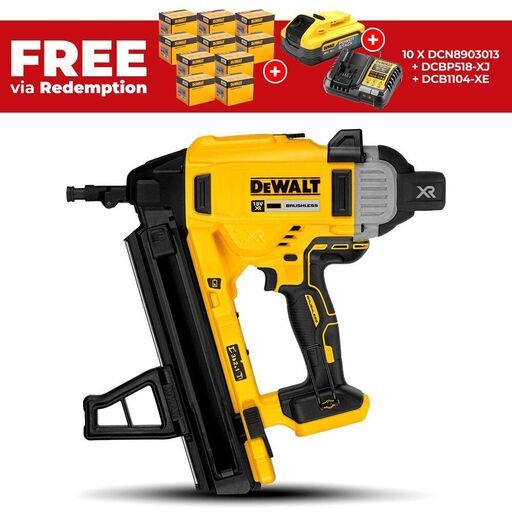
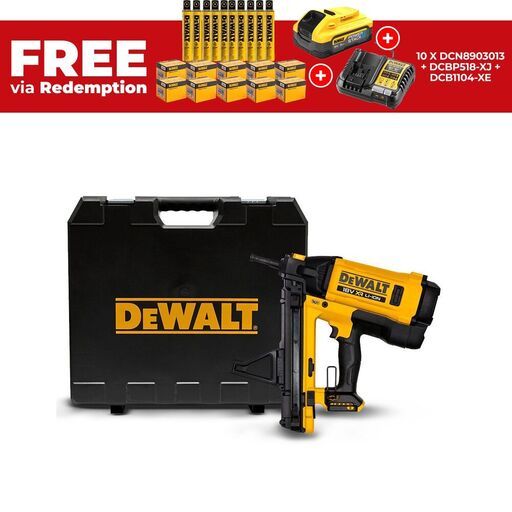
Concrete nailers are specialised power fastening tools used by tradespeople to drive nails, pins, studs and fasteners into concrete, block, brick and other masonry substrates. These tools deliver controlled impact or blast-of-air force to install anchors and fixings quickly and accurately without pre-drilling.
















Typical Uses for Concrete Nailers
Concrete nailers are commonly used by electricians, carpenters and installers when they are in need to secure components such as conduit clips, cable trays, brackets, fasteners and supports directly to concrete, masonry or steel surfaces during construction, fit-out, and renovation projects.
Using a purpose-built nailer significantly reduces the physical effort required compared to manual hammering. It also helps improve installation speed, fastening consistency, and overall productivity on site, particularly when multiple fixings need to be installed across large areas.
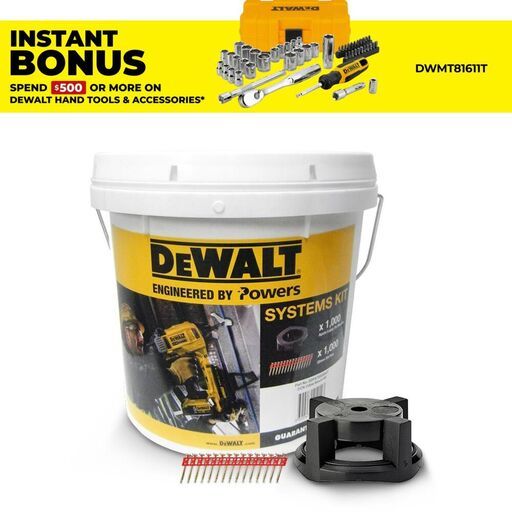
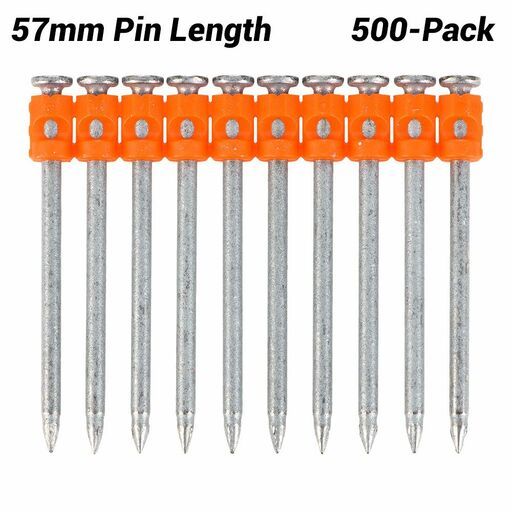
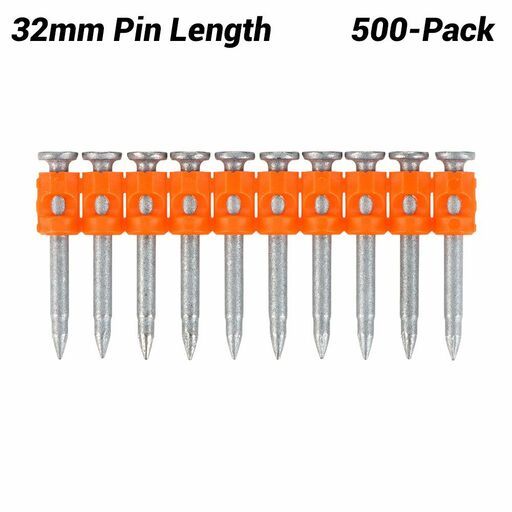
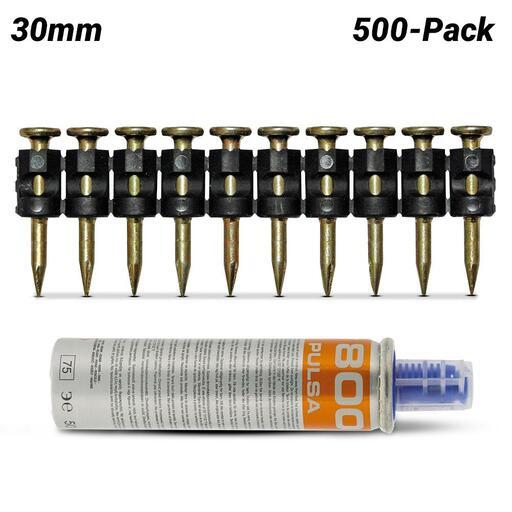
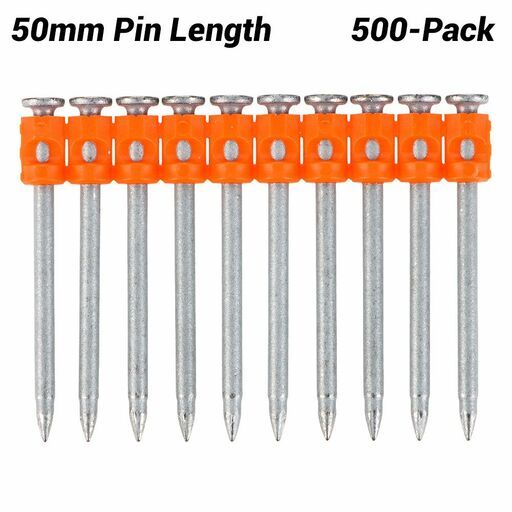
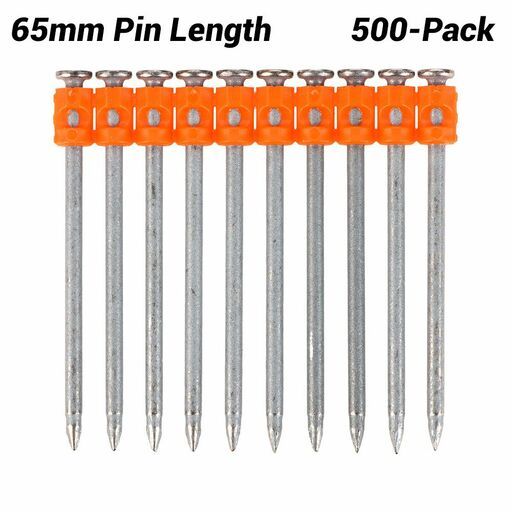
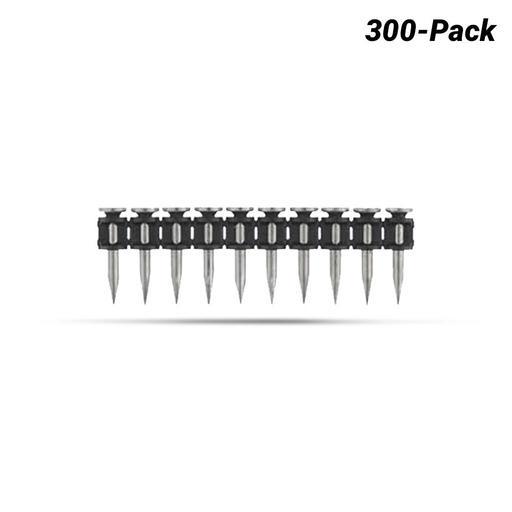
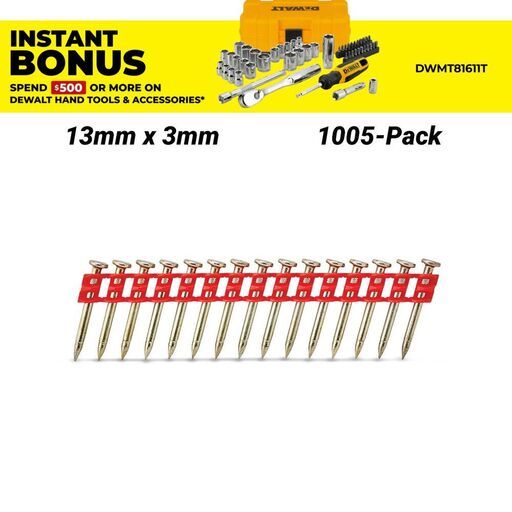
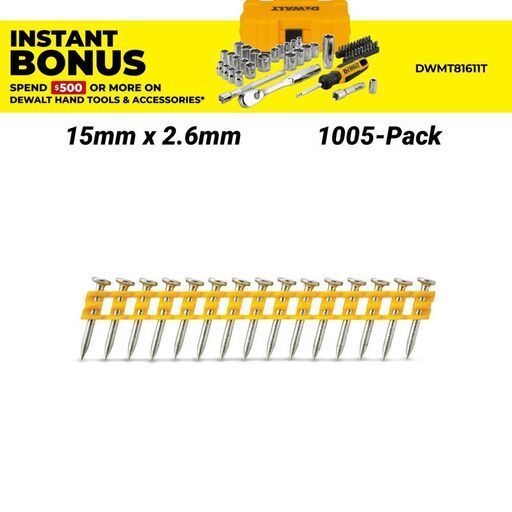
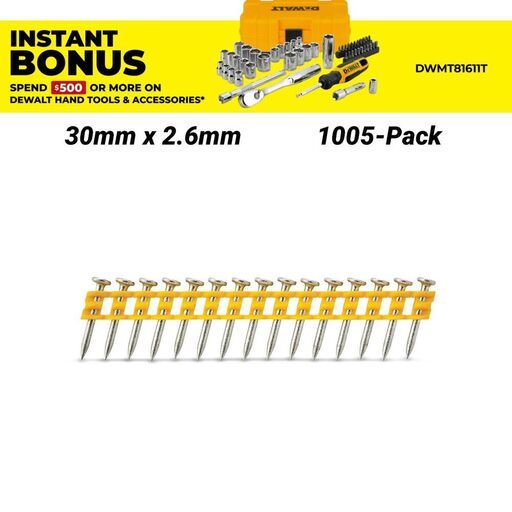
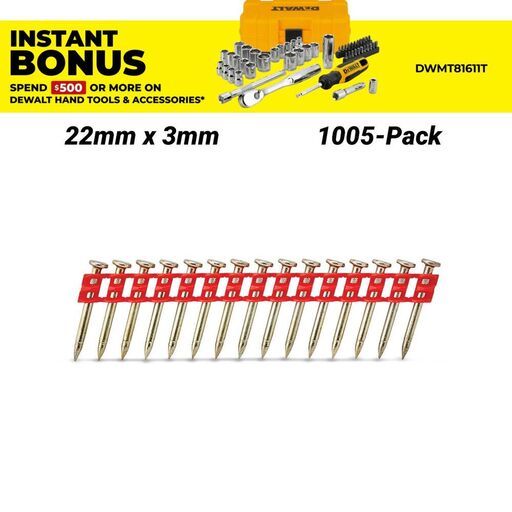
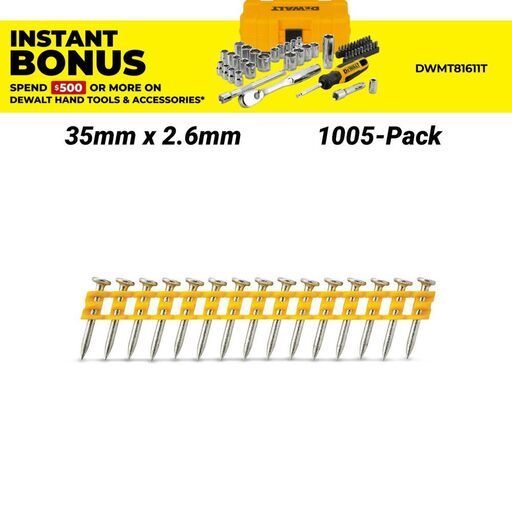
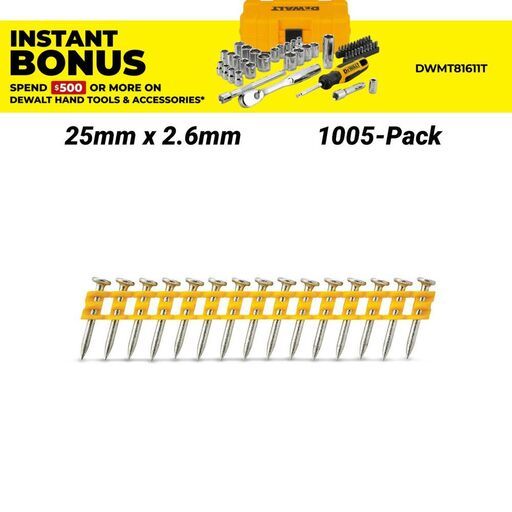
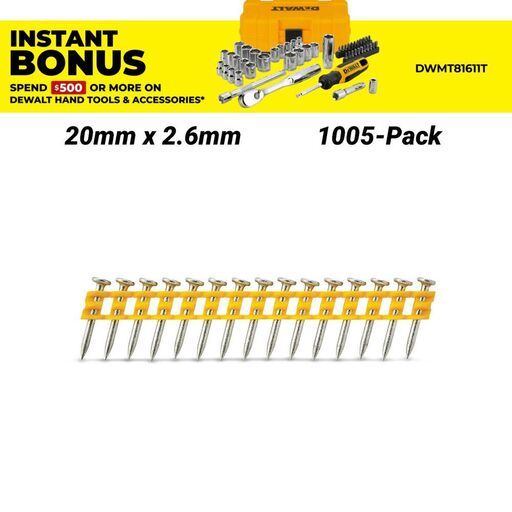
Concrete nailers typically use specialised fasteners such as concrete nailer pins and ramset concrete nail gas pins, which are engineered to penetrate tough materials like concrete and masonry while maintaining strong holding power.
Key Design and Functional Attributes
- Power Source: Different concrete nailers use different drive mechanisms.
- Pneumatic - powered by compressed air from a compressor
- Gas - uses a fuel cell and battery ignition
- Cordless battery - battery driven motor system
- Ergonomic Design: Comfortable grip, reduced vibration, balanced and manageable weight helps improve user comfort during extended use.
- Durability and Build: Robust build quality and housing suited to resist dust, debris, and heavy construction environments ensuring long service life in demanding job sites.
- Drive Depth Control: Depth adjustment systems allow the operators to fine-tune penetration.
- Nail/Pin Size: Concrete nailers use hardened pins in various lengths and diameters. Pin lengths should match the thickness of the material plus an additional approximately 20-30mm to ensure secure fastening.
Selecting the right nailer and compatible fastener combination is essential for archiving secure and consistent anchoring results. Matching the power source, pin size and drive setting to the application helps ensure strong, dependable fixings while improving productivity and reducing the risk of tool or material damage.
Safe Use and Ongoing Care Practices
When selecting a concrete nail gun ensure to check specifications are rated for the intended substrate and compatible with the required fastener type and size. Maintain safe body positioning with stable foot placement and blanched poster.
Wearing appropriate PPE equipment such as safety glasses, hearing protection and protective gloves to guard against flying debris, nose exposure and hand injuries. Inspecting the tool fasteners before use by checking nailer, magazine, safety mechanism, and fasteners for damage, wear, or defects before operating.
Keeping your equipment clean by removing dust, concrete particles and debris, maintaining smooth operation and reducing the chance of jams. Store in a protective case or dry storage area to protect from moisture, dirt and accidental damage. Follow manufacturing maintenance guidelines for maintenance.
Why Buy Concrete Nailers from Sydney Tools
At Sydney Tools we offer a wide range of concrete nailers from high end brands like Ramset, Makita and Dewalt suited for electrical, carpentry and general construction anchoring tasks. Whether you're after a ramset TrakFast concrete nailer or a ramset CableMaster concrete nailer we have a variety. With competitive prices and access to in-store and online support to help customers choose the right nailer and fasteners for secure installation in masonry and structural surfaces.
Frequently Asked Questions (FAQs)
What licensing or training requirements apply to operating concrete nailers in Australia?
In Australia, concrete nailers, particularly powder actuated tools, may require users to complete manufacturer training or a recognised safety course before operation.
How does substrate density affect fastening reliability?
Substrate density influences how easily the pin penetrates and how securely it holds. High density may require greater driving force or hardened fasteners to achieve proper embedment, while low density materials can allow deeper penetration but may reduce holding strength.
Can concrete nailers be used in overhead applications, and what precautions apply?
Users should ensure the tool is rated for overhead work, maintain firm footing or stable access equipment, and wear full PPE including eye and head protection. Using the correct fastener length and maintaining a secure grip helps reduce the risk of misfires or dropped materials.
What environmental conditions can influence fastening consistency in masonry?
Moisture, dust, temperature and surface contamination can affect fastening performance. Wet or dust may reduce friction and holding strength.
How do fastener coatings impact long-term corrosion resistance?
Fasters are often available with zinc plating, galvanisation, or specialised corrosion-resistant coatings. This helps protect the fasteners from moisture, chemicals and environmental exposure.
What signs indicate that a concrete nailer’s internal piston or driver blade needs servicing?
Signs of wear or servicing needs include inconsistent driving depth, frequent fastener jams, reduced driving power, unusual vibration, or visible wear on the driver blade.
Are there noise level considerations when using concrete nailers on commercial sites?
Yes, concrete nailers can produce significant noise levels. Commercial sites require operators to wear hearing protection and follow site noise management policies.
How does temperature affect gas-powered concrete nailer performance?
Cold conditions may reduce gas pressure and combustion efficiency, leading to weaker driving force, while very hot environments may affect fuel stability. Following recommended operating temperature ranges helps maintain consistent performance.
What inspection steps should be taken before using a nailer on post-tensioned slabs?
Before fastening into a post tensioned slab, users should confirm the location of tensioned cables or reinforcement using construction drawings or scanning equipment.
When is mechanical anchoring preferred over driven pin fastening?
Mechanical anchors may be preferred when higher load capacity, structural fixing, or removable connections are required.
Find the Right Concrete Nail Gun Today
Achieve a professional, high-velocity finish on your next anchoring project. Browse our full range of concrete nail guns online or visit your nearest Sydney Tools store locations to find the perfect concrete nailer gun for your trade.


