
Login
Login
- Popular Categories
- Shop By Brand
- Tool Accessories
- Air Compressor
- Hand Tools
- Laser Levels
- Mechanical Workshop
- Pressure Washers
- Welding
- Chainsaws
- Lawn Mowers
- Whipper Snippers
- Categories
- Adhesives & Sealants
- Air Tools
- Diamond Tools
- Fans
- Fasteners
- Generators
- Ladders
- Lubricants & Chemicals
- Power Garden
- Safety Equipment
- Scaffold
- Silica Dust Solutions
- Storage
- Test - Measure - Locate
- Transportation & Lifting
- Vacuum & Dust Extractors
- Water Pumps
Electrical / Concrete Nailer Pins
Concrete drive pins are made for direct fixing into hard materials. They are used to secure metal track, timber battens, and electrical fittings straight into concrete, masonry, or steel. Instead of drilling and anchoring, you drive the fastener in with a nailer and move on.
They are designed to work with tools like a concrete nailer, including systems such as the Ramset TrakFast concrete nailer and Ramset CableMaster concrete nailer. The process is quick, consistent, and well suited to high-volume work. Drive pins for concrete are a standard choice on jobs where speed matters.

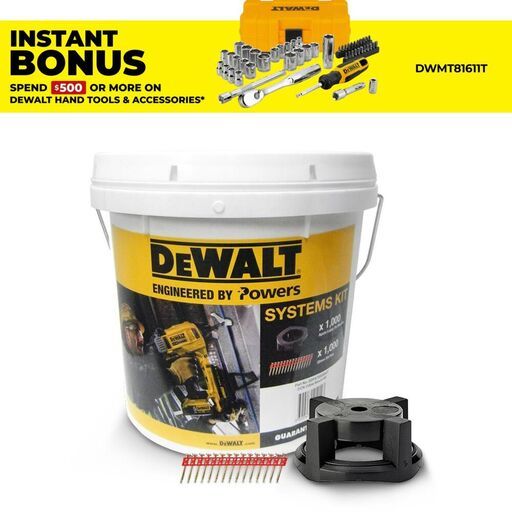


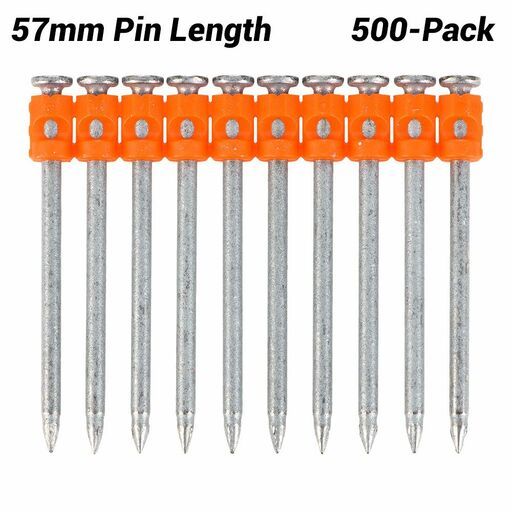
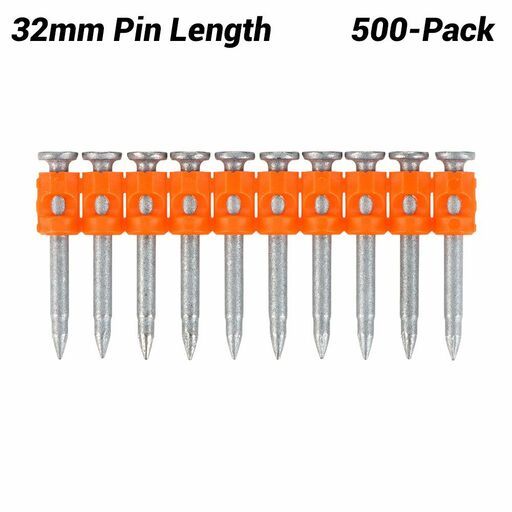

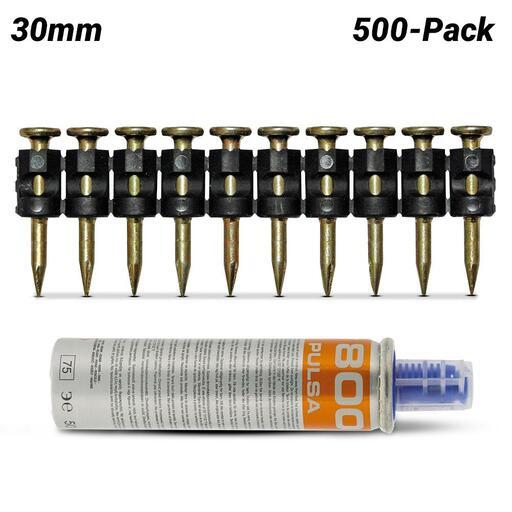


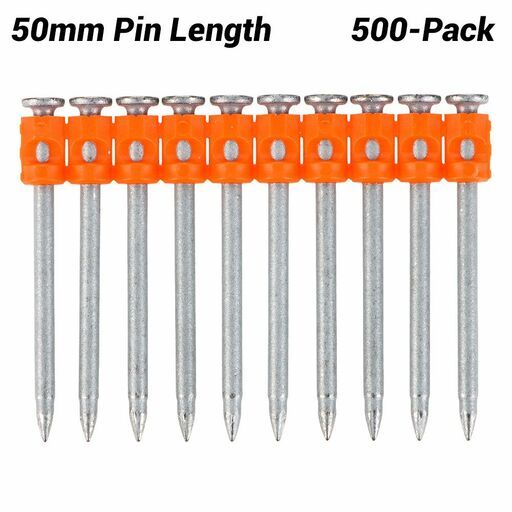
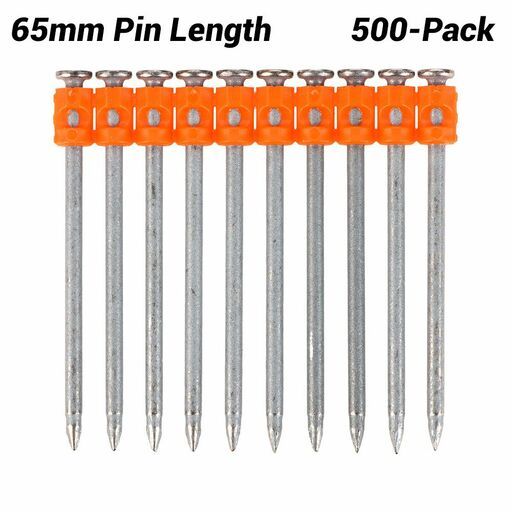

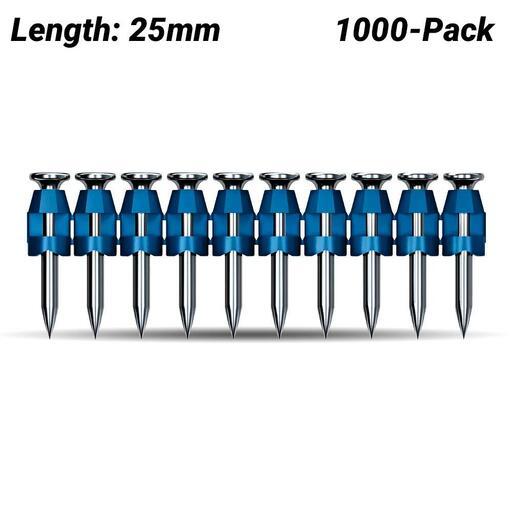


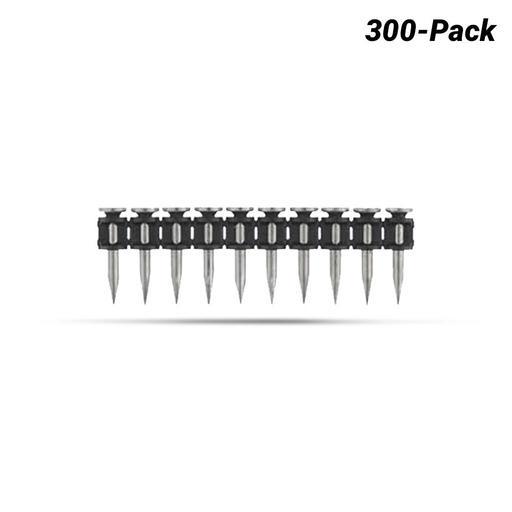
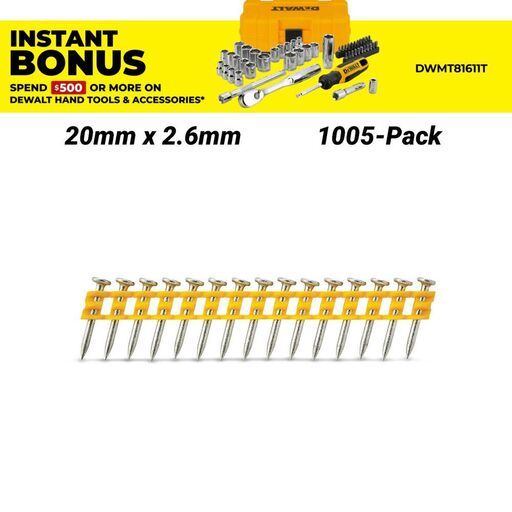

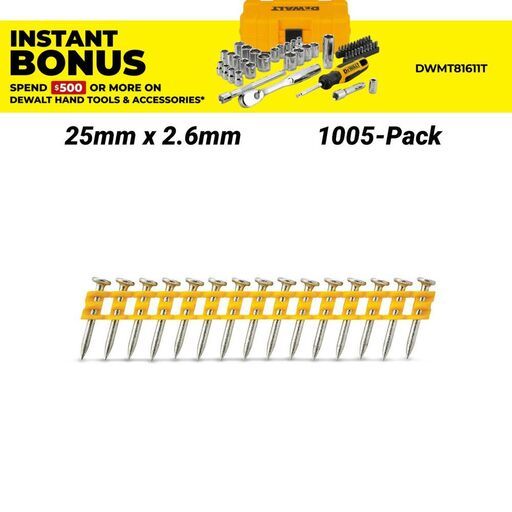
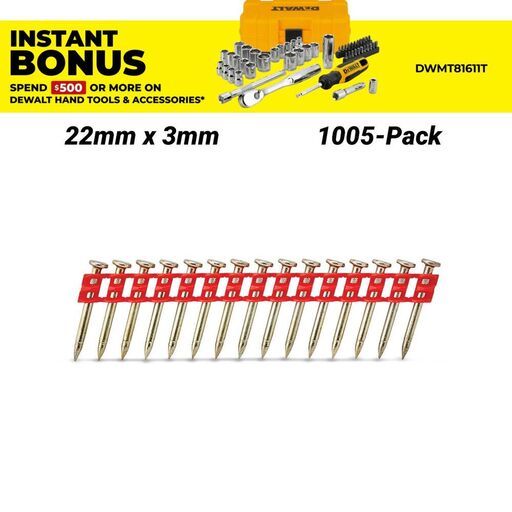
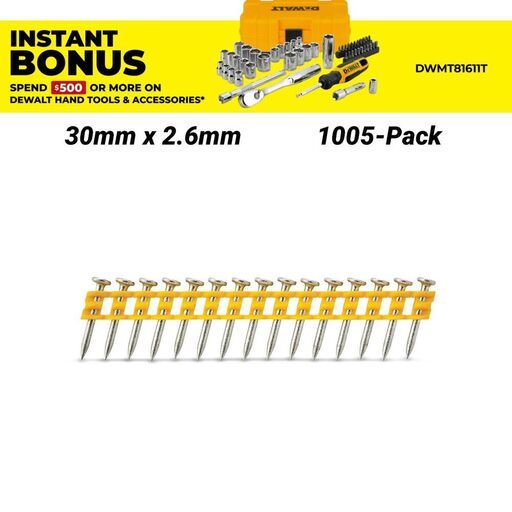
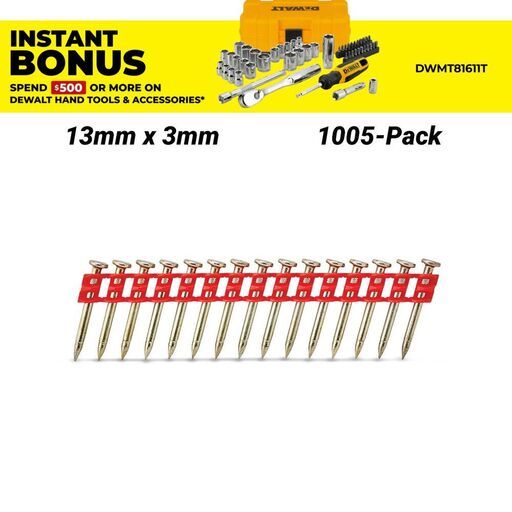
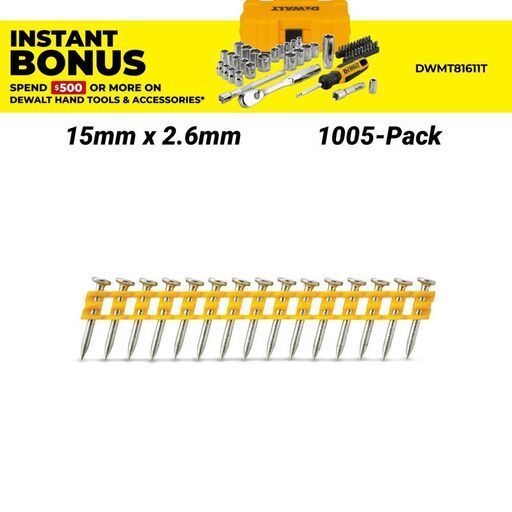
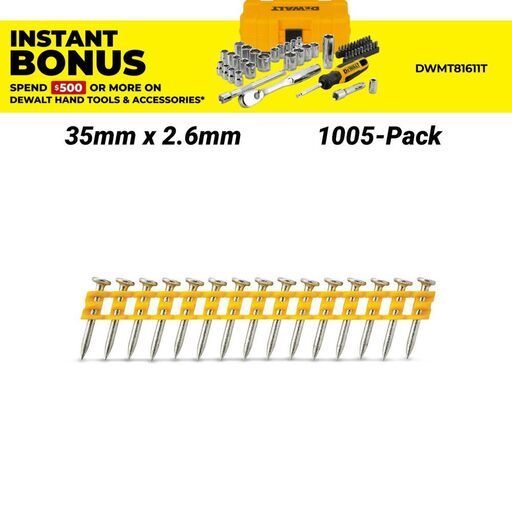
High-Load Fastening in Masonry and Steelwork
On site, direct fixing saves time straight away. Concrete drive pins let you secure brackets, track, or mesh without stopping to drill or clean up dust.
They are commonly used for partition track, cable tray supports, and general fixing across slabs and steel. In large commercial builds or basement work, where there are hundreds of fixings, the time saving adds up quickly.
Each pin holds as soon as it is driven. There is no waiting for anchors to set, which keeps the job moving and reduces downtime between steps.
Metallurgical Properties and Drive Pin Geometry
Drive pins for concrete are built from hardened steel so they can take the impact without bending. When they hit dense material, they need to go in clean and hold firm.
The point shape helps with that. A well-formed tip reduces resistance and improves penetration. Shank size also matters. It affects how the pin grips and how much pull-out strength you get once it is set.
Pins are supplied in collated strips to suit different tools. Coatings like galvanised or zinc finishes help protect against corrosion, especially in damp areas or exposed conditions.
Many are designed to run with systems such as Ramset concrete nail gas pins, which are built for consistent feeding and reliable firing.
Substrate Compatibility and Penetration Depth
Getting the length right is key. The pin needs enough embedment to hold, but not so much that it damages the base material.
Too short and it will not grip properly. Too long and you risk cracking or blowout. It is also worth checking the concrete strength before you start, as harder slabs need the right combination of pin and tool.
Always check for reinforcement or services before firing. Using the correct tool for the pin type also matters. Matching the system helps keep performance consistent and reduces the risk of misfires or poor fixing.
Why Buy Concrete Nail Gun Nails from Sydney Tools
Sydney Tools stocks a practical range of concrete drive pins for trade and construction work. Whether you are working on a large site or a smaller fit-out, there are options to suit your setup.
You can expect:
-
A solid range of drive pins for concrete
-
Compatibility with common gas and battery nailers
-
Options for different fixing tasks
-
Competitive pricing online and in store
-
Helpful advice when you need it
With the right pins, direct fixing becomes faster and more reliable across the job.
FAQs
What is the difference between standard concrete pins and premium step-shank nails?
Step-shank designs can improve grip in certain materials.
Can these nails be used for fixing into structural I-beams or only concrete?
Some pins suit steel, depending on the specification.
How do I determine the correct nail length for 13mm steel track?
Allow for the material thickness plus required embedment.
Are these fasteners compatible with both gas and cordless battery nailers?
Only if the pin matches the tool system.
What is the benefit of a knurled shank for steel-to-steel applications?
It can improve hold and reduce movement.
Are there specific nails designed for green or uncured concrete?
Some pins are better suited to softer material.
Do these pins meet fire-rating requirements for cable support?
Certain types are rated depending on the application.
How does the collation material affect tool performance?
It influences feed and how the strip behaves during use.
Is a specific washer size required for fixing timber plates to masonry?
Yes, washers should match the pin and application.
What is the typical pull-out strength of a 22mm pin in 32MPa concrete?
It varies, so check manufacturer data for guidance.
Find the Right Concrete Drive Pins Today
Get fast, reliable fixing into concrete and steel. Browse the range online or visit your nearest Sydney Tools store for practical advice and dependable fastening solutions.


