
Login
Login
- Popular Categories
- Shop By Brand
- Tool Accessories
- Air Compressor
- Hand Tools
- Laser Levels
- Mechanical Workshop
- Pressure Washers
- Welding
- Chainsaws
- Lawn Mowers
- Whipper Snippers
- Categories
- Adhesives & Sealants
- Air Tools
- Diamond Tools
- Fans
- Fasteners
- Generators
- Ladders
- Lubricants & Chemicals
- Power Garden
- Safety Equipment
- Scaffold
- Silica Dust Solutions
- Storage
- Test - Measure - Locate
- Transportation & Lifting
- Vacuum & Dust Extractors
- Water Pumps
Electrical / Cable Ties
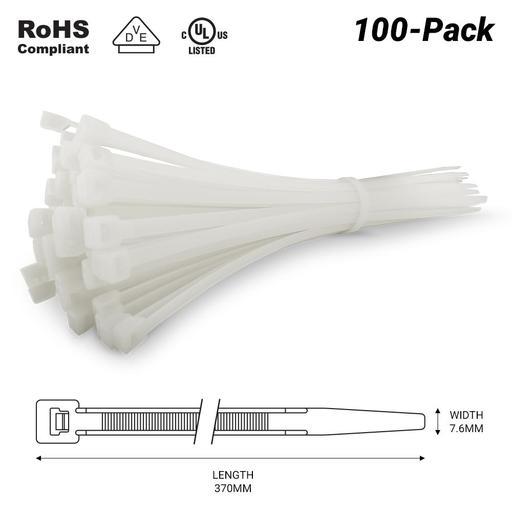
Cable ties are one of those small items you reach for constantly. They keep cables, hoses, and wiring together so the job stays tidy and under control. In electrical and data work, they help keep runs clean through switchboards, racks, and trays.
The locking head is simple and reliable. Pull it tight and it holds. That is why wire ties are used across so many trades. Wire cable ties make installs easier to set up and just as easy to work on later.
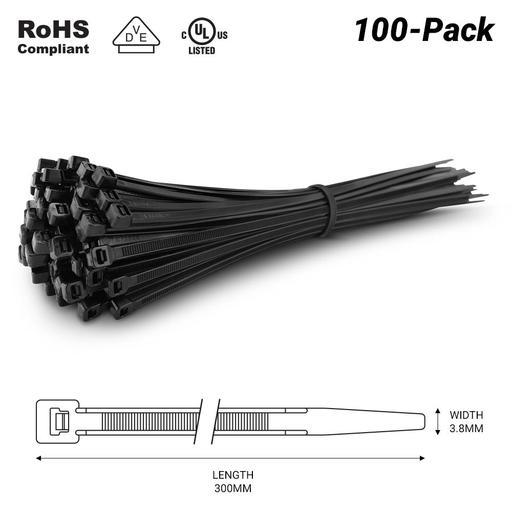
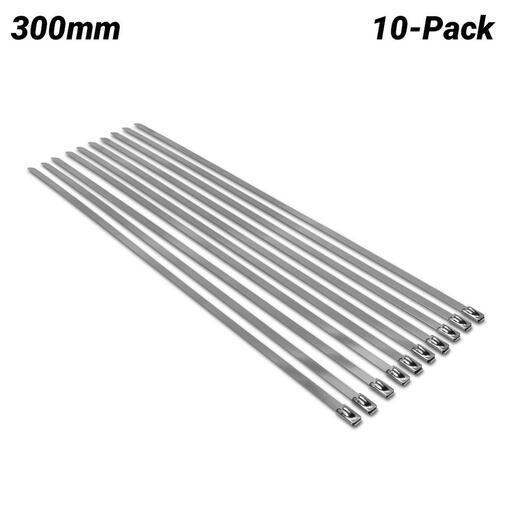


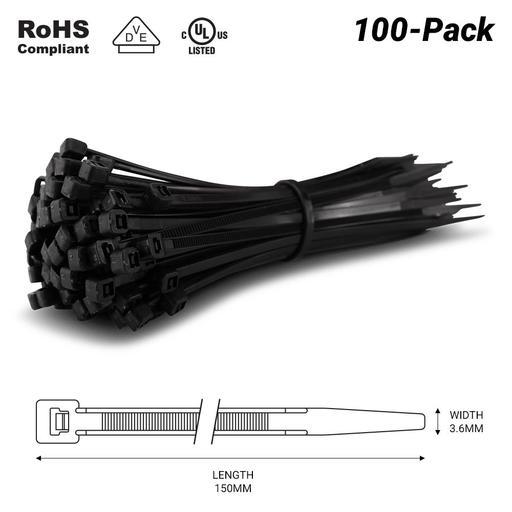
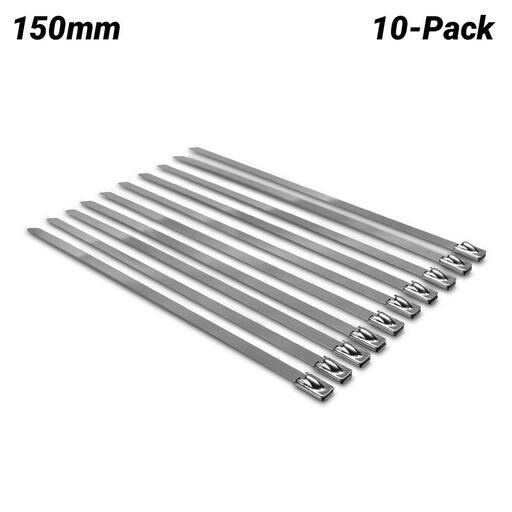
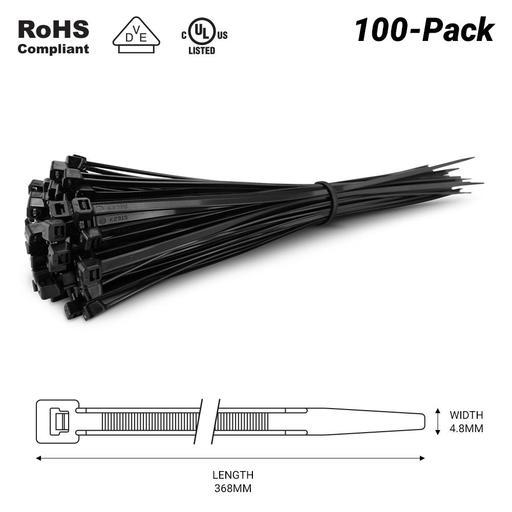

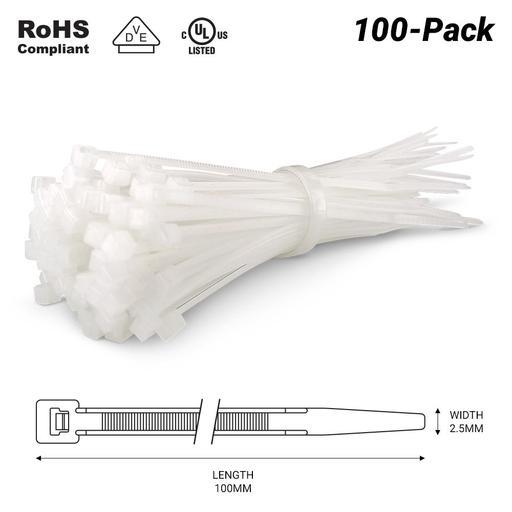
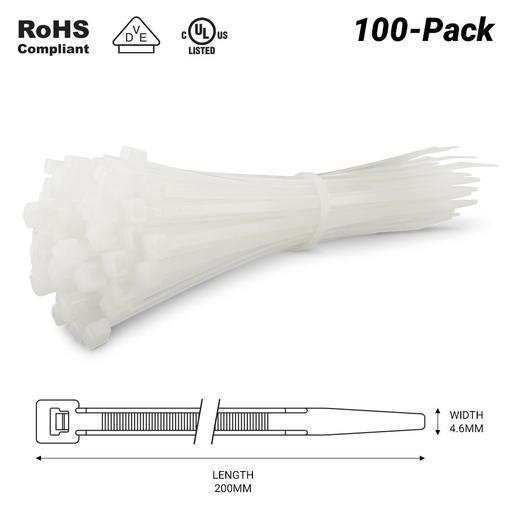
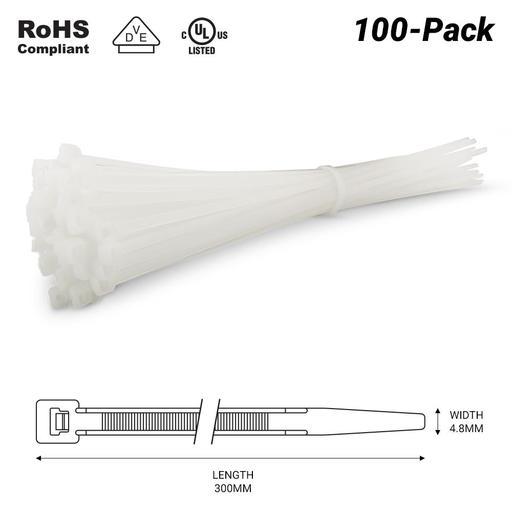

Systematic Cable Management and Site Installation
Good cable management saves time. It keeps layouts clear and makes fault finding or changes much easier later on. Cable ties give you a quick way to group cables so everything stays organised.
On commercial sites, they separate power and data runs and keep installations consistent. In automotive work, they secure wiring looms and keep cables clear of moving parts. On site, they often double as a quick fix when something needs to be held in place.
At home or during rough-in, they tidy loose cords and hold sleeving where it needs to sit. It is a small step, but it makes the finished job easier to work with.
A suitable cable tie helps you:
-
Bundle and secure cables neatly
-
Keep routing clear and easy to follow
-
Support temporary and permanent fixes
-
Reduce clutter around the job
-
Improve safety around wiring
Tensile Strength and Material Composition
The right cable tie depends on where it will be used.
Standard Nylon 66 ties cover most general work. For outdoor use, UV-stabilised options handle sun exposure better and last longer. In harsher environments, stainless steel ties are used where strength and durability matter more.
Tensile strength shows how much load a tie can handle. It is important to match the size to the bundle. Too small and it can fail. Too large and it becomes harder to tighten properly.
Releasable ties are useful when adjustments are needed. Heat-stabilised options suit areas like engine bays or plant where temperatures run higher.
Cable ties are often used alongside a 1/4" hex wire stripper, cable cutters & strippers, tool pouches & accessories, and a waist tool belt set during installs.
Fastening Protocols and Environmental Durability
How you apply cable ties affects how well they hold.
-
Tighten enough to secure without crushing the cable
-
Use UV-resistant ties outdoors
-
Match the tie size to the bundle
-
Trim the tail cleanly and flush
-
Avoid over-tightening smaller cables
A tensioning tool can help keep things consistent on larger jobs. Cutting the tail flush removes sharp edges and makes the install safer to handle later.
Keeping the locking head clear of debris also helps it engage properly and hold as intended.
Why Buy Cable Ties from Sydney Tools
Sydney Tools stocks a wide range of cable ties suited to trade and workshop use. Whether it is a quick tidy-up or a full install, there are options to suit.
You can expect:
-
A broad range of cable ties in different sizes and materials
-
Options for indoor, outdoor, and heavy-duty use
-
Reliable performance across different environments
-
Competitive pricing online and in store
-
Helpful support when you need it
With the right ties on hand, cable management stays simple and under control.
FAQs
What temperature range is acceptable for normal Nylon 66 ties?
They suit general use, though exact limits vary by product.
When should stainless steel cable ties be used over plastic ones?
In high-load, high-temperature, or corrosive environments.
How does UV stabilisation help outdoor cable ties?
It slows material breakdown from sun exposure.
Are there cable ties rated for plenum air spaces?
Yes, some are designed for those applications.
Why use a releasable cable tie?
It allows removal without cutting.
How do I choose the right tensile strength?
Select a rating that exceeds the expected load.
Can cable ties be used in high vibration areas?
Yes, though stronger types may be required.
Why do some cable ties have a mounting hole?
To fix them directly to a surface.
Do nylon ties have a shelf life?
They last well if stored away from heat and moisture.
What tool is best for cutting stainless steel ties?
Use cutters designed for metal ties for a clean finish.
Find the Right Cable Ties Today
Keep your wiring neat and easy to manage. Browse the range online or visit your nearest Sydney Tools store for practical advice and dependable cable management solutions.


