
Login
Login
- Popular Categories
- Shop By Brand
- Tool Accessories
- Air Compressor
- Hand Tools
- Laser Levels
- Mechanical Workshop
- Pressure Washers
- Welding
- Chainsaws
- Lawn Mowers
- Whipper Snippers
- Categories
- Adhesives & Sealants
- Air Tools
- Diamond Tools
- Fans
- Fasteners
- Generators
- Ladders
- Lubricants & Chemicals
- Power Garden
- Safety Equipment
- Scaffold
- Silica Dust Solutions
- Storage
- Test - Measure - Locate
- Transportation & Lifting
- Vacuum & Dust Extractors
- Water Pumps
Electrical / Waist Tool Belt Set
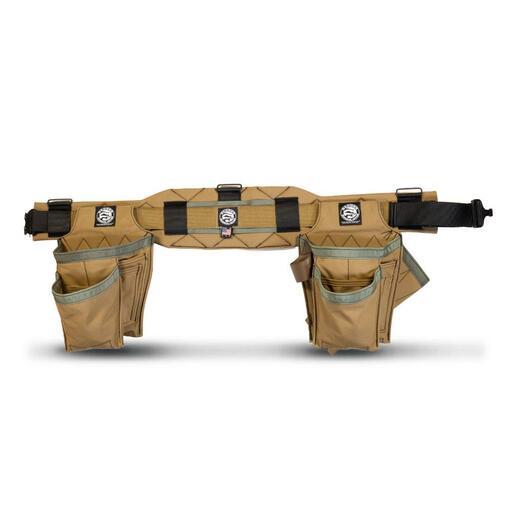
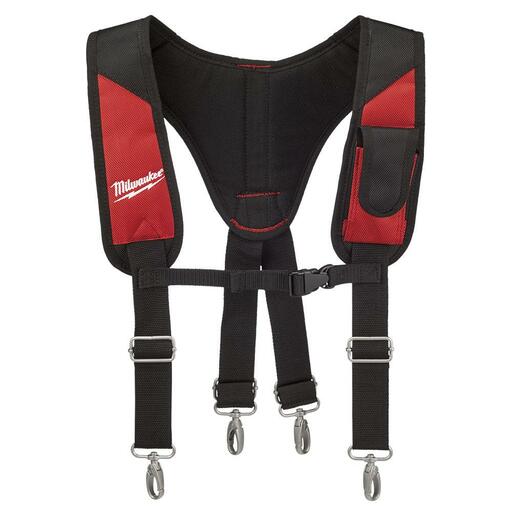
Tool belts are wearable equipment that is designed to hold and organise hand tools, fasteners and accessories for tradespeople and technicians working on electrical, construction and maintenance tasks. These belts keep essential tools readily accessible while balancing comfort and mobility during on-site work.


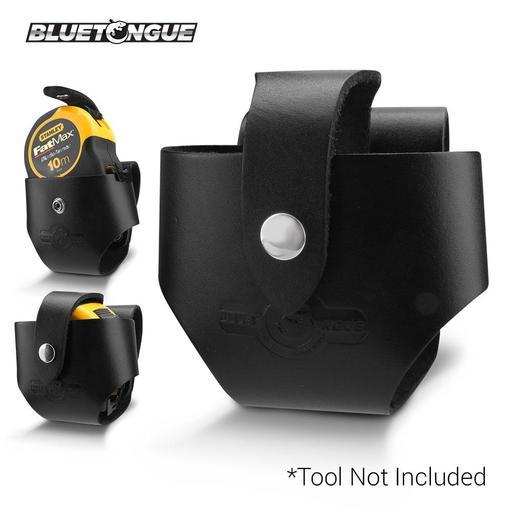
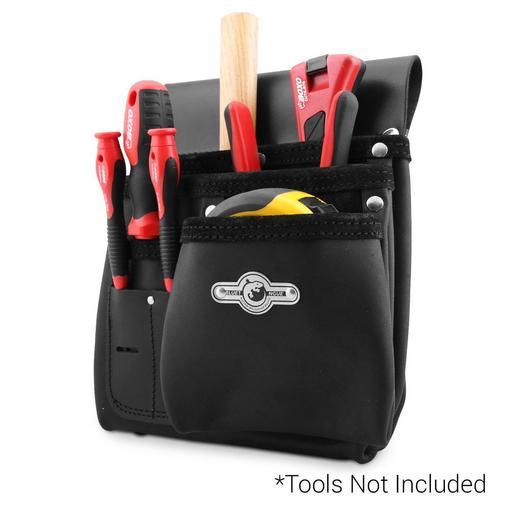

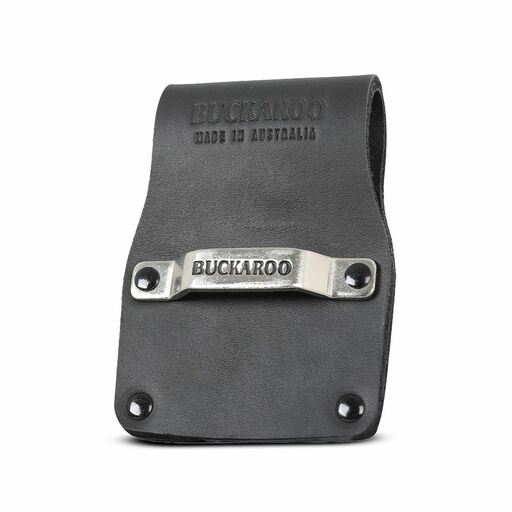


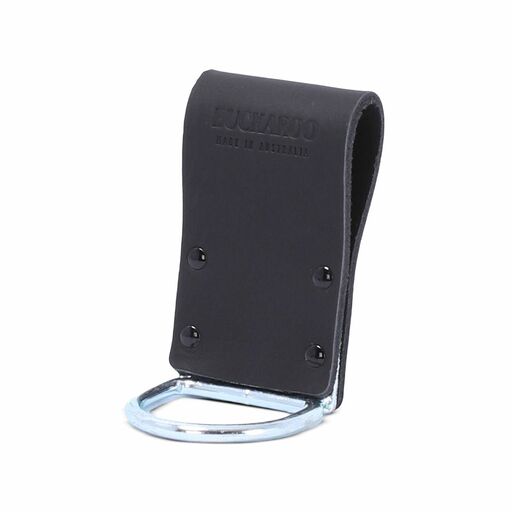
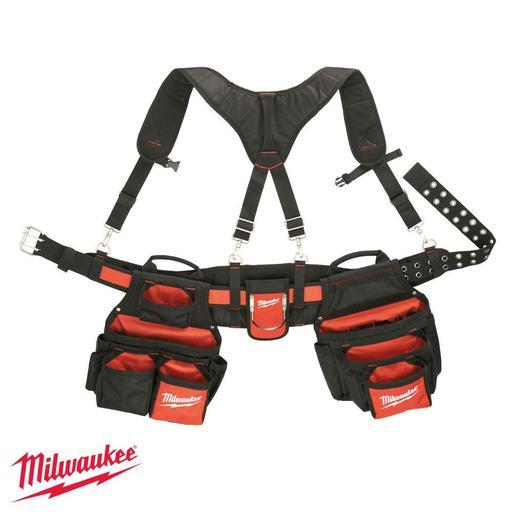
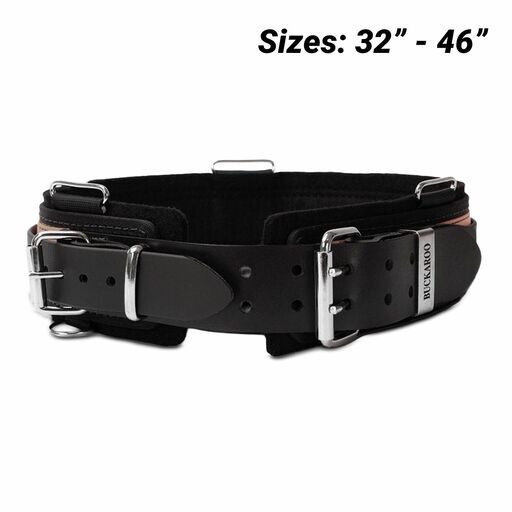

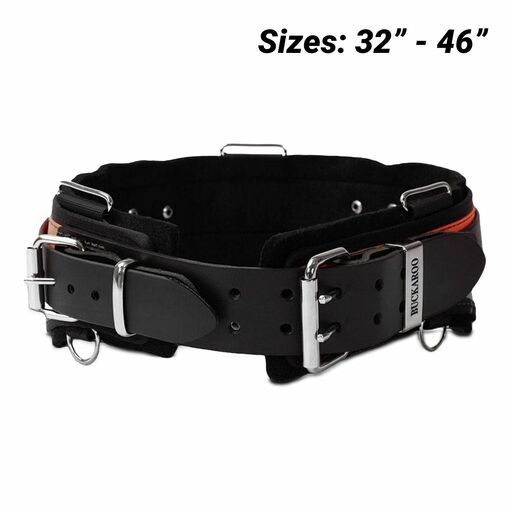
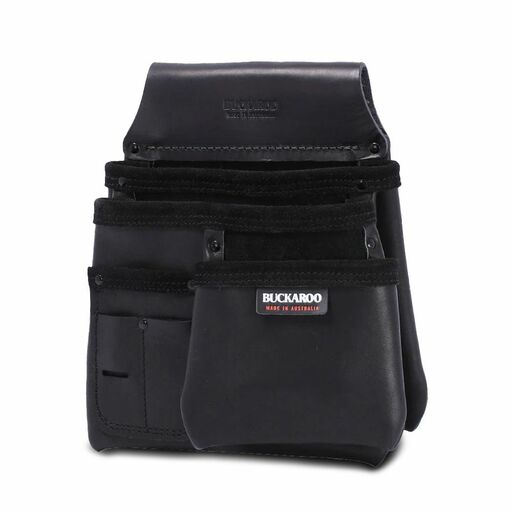
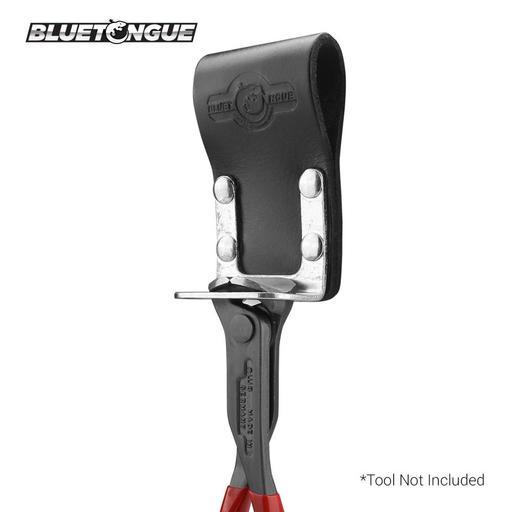

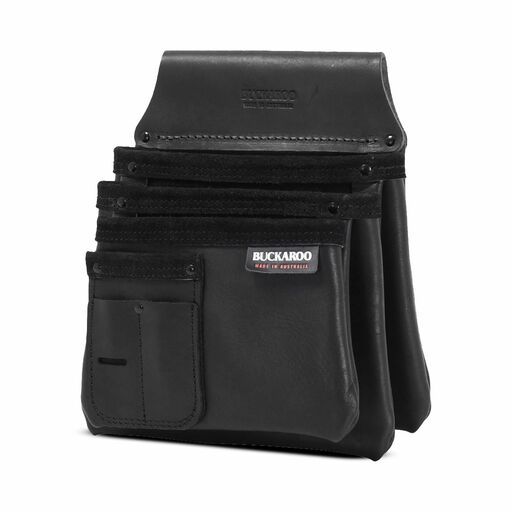
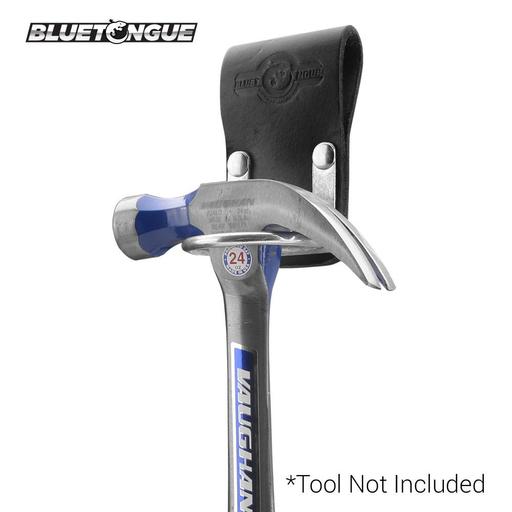
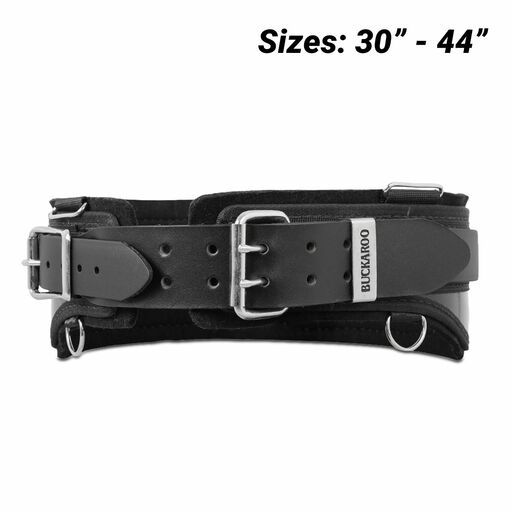


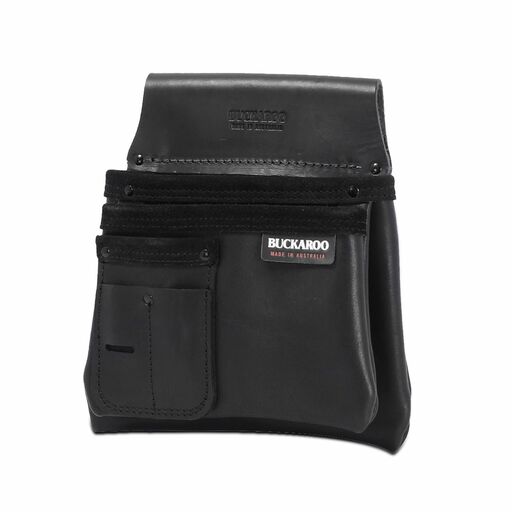


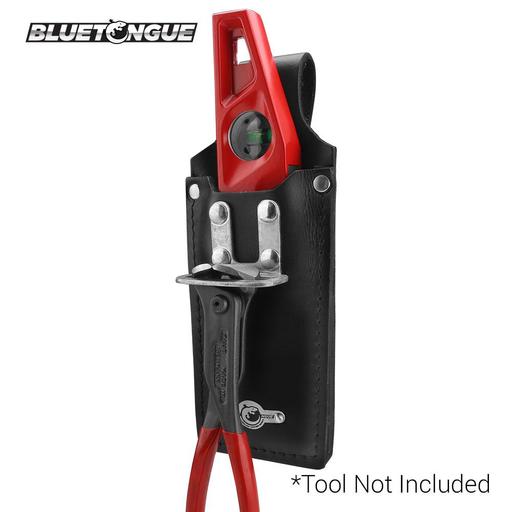
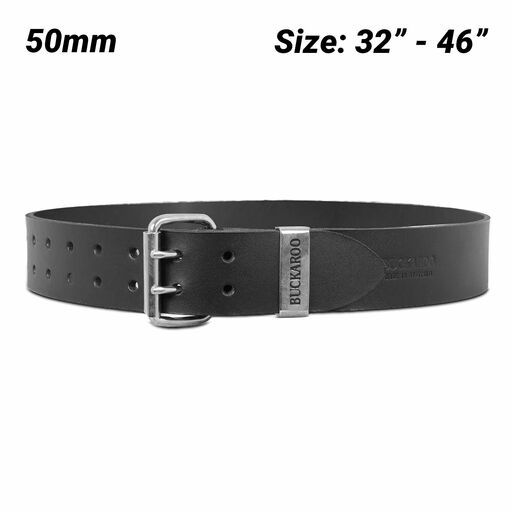


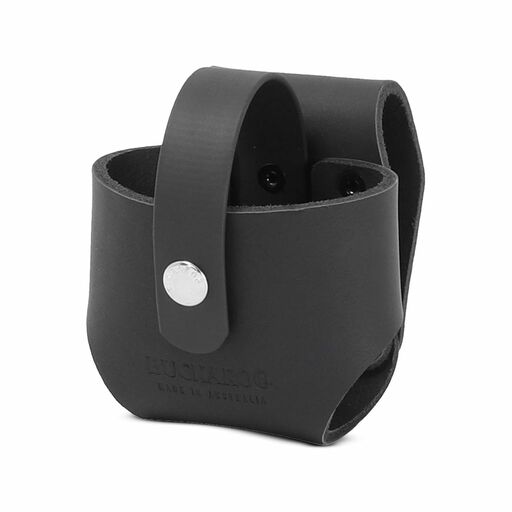


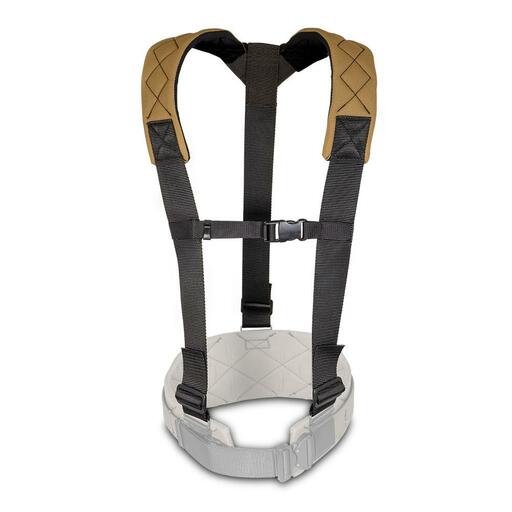

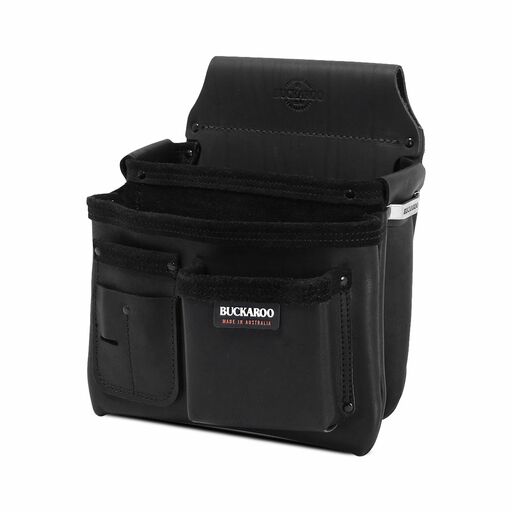
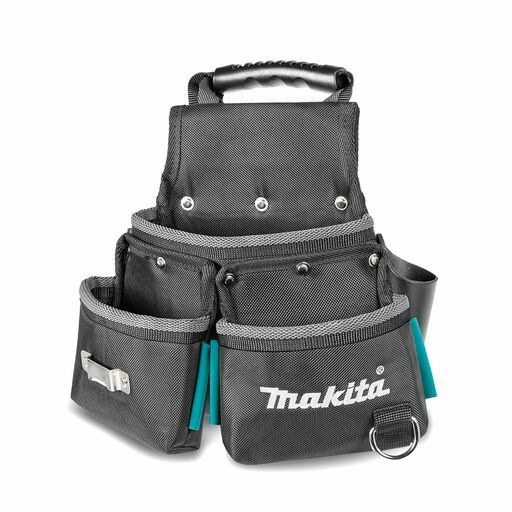
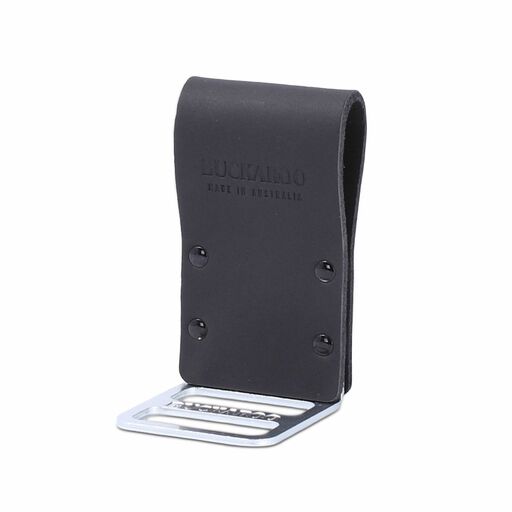
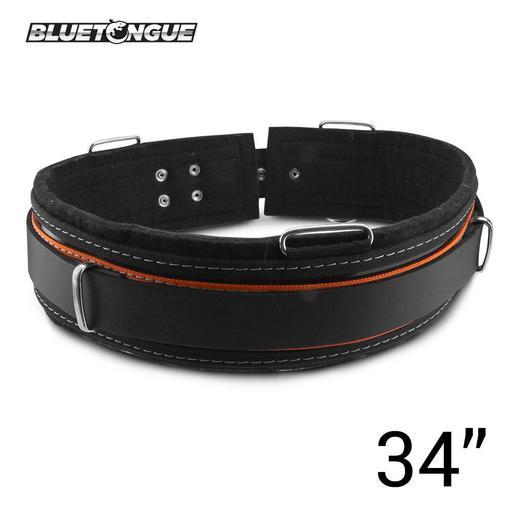
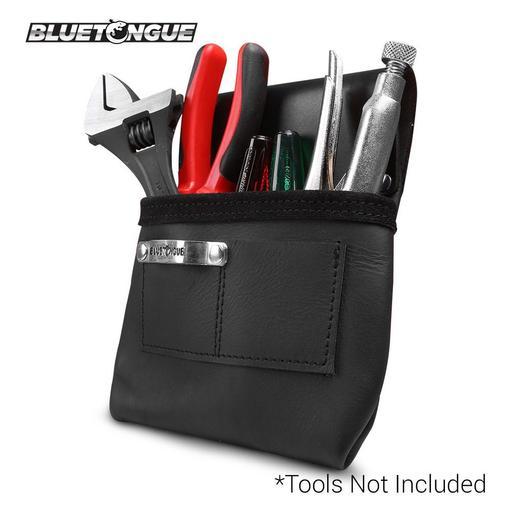


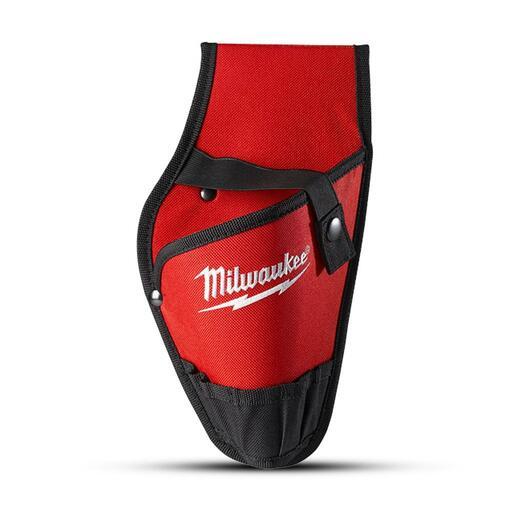
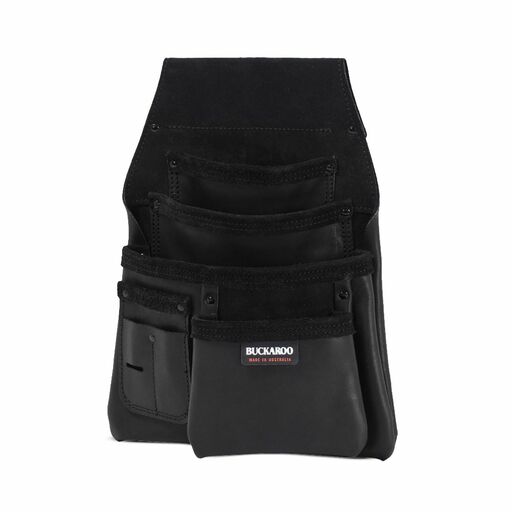
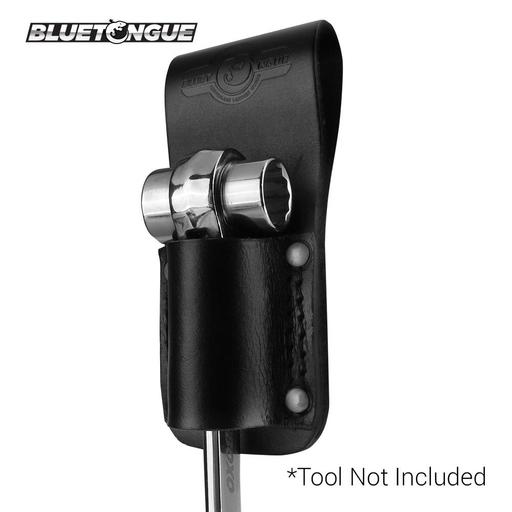


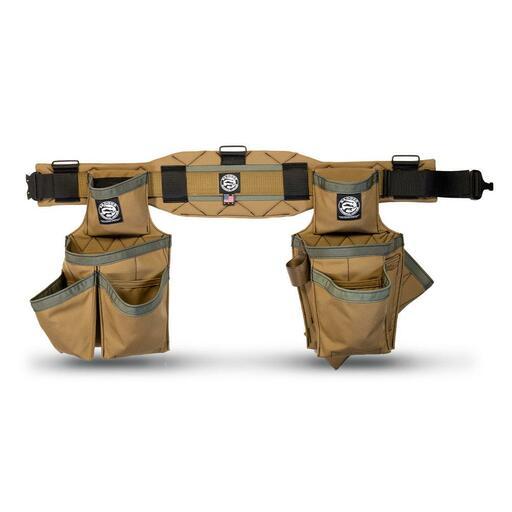
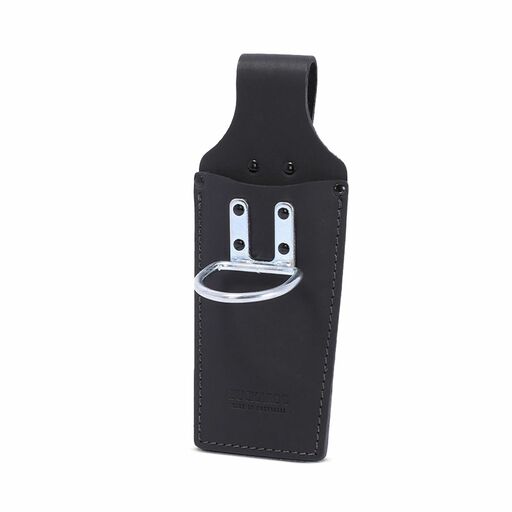
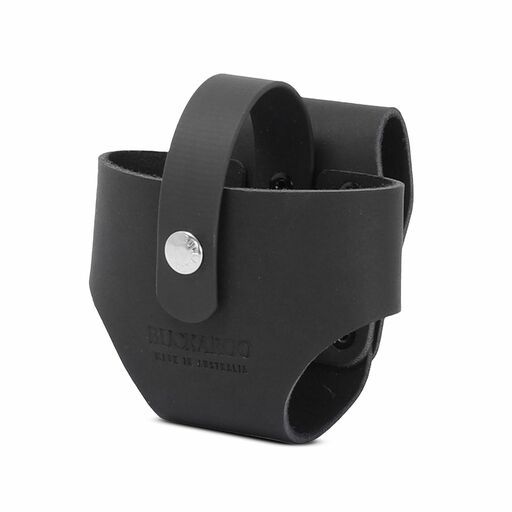

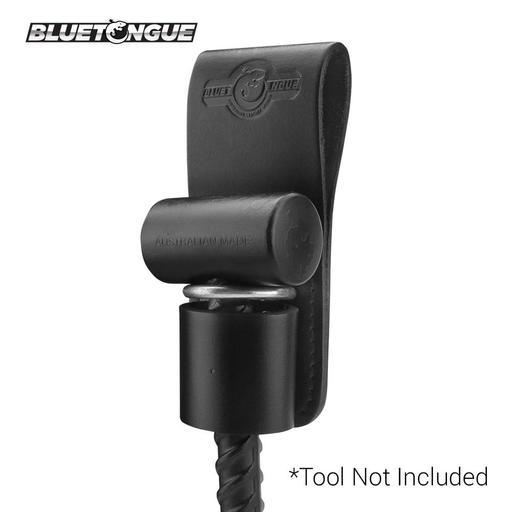
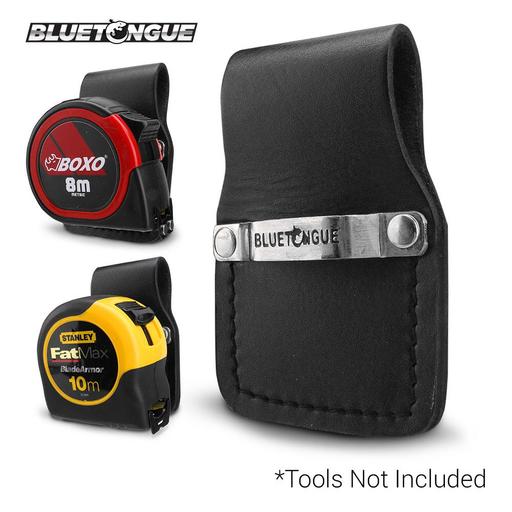
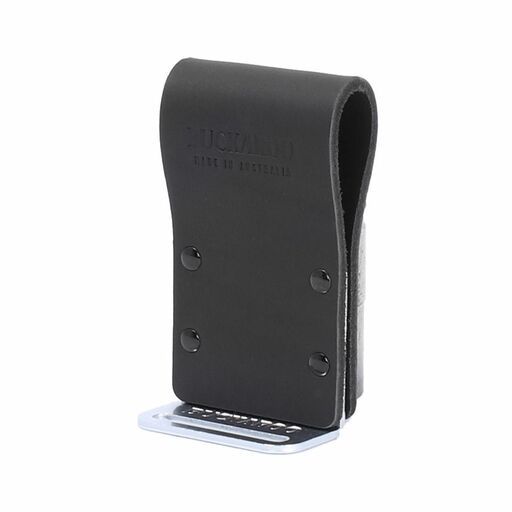
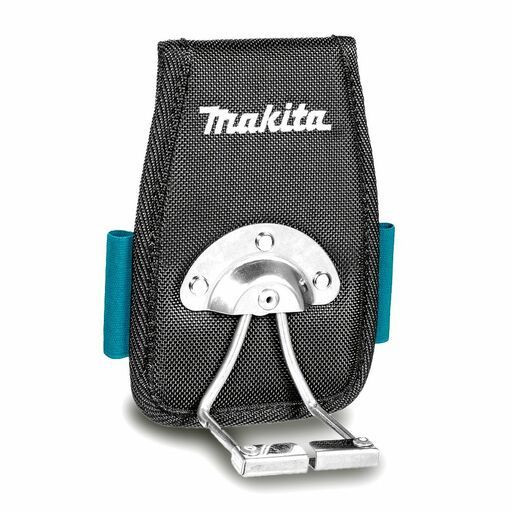
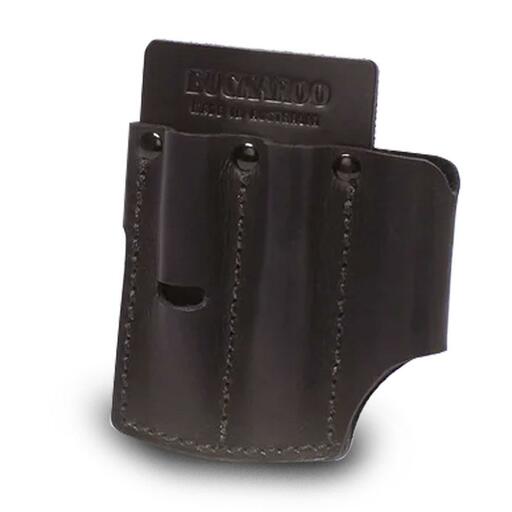
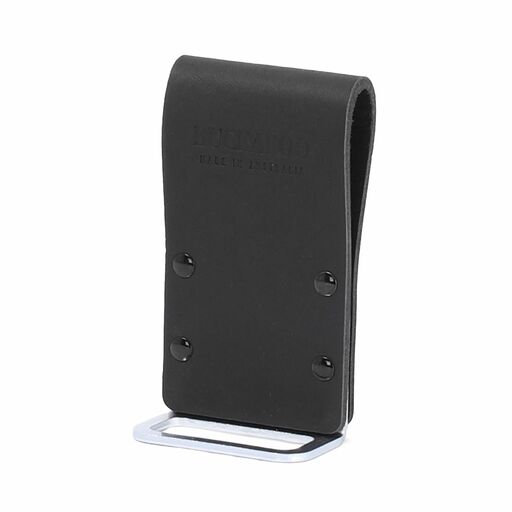


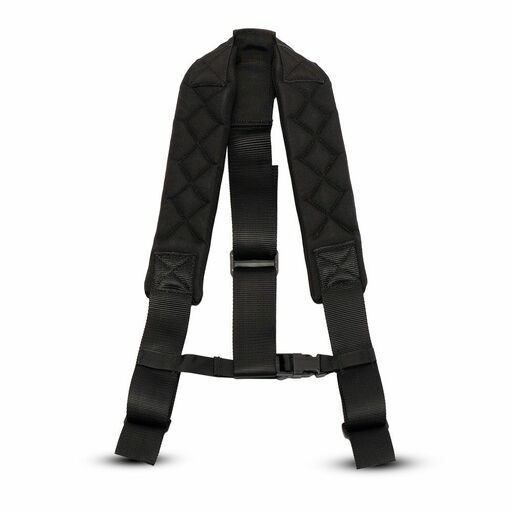


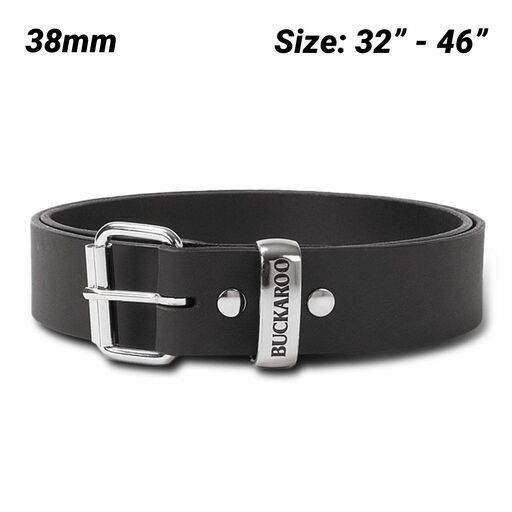



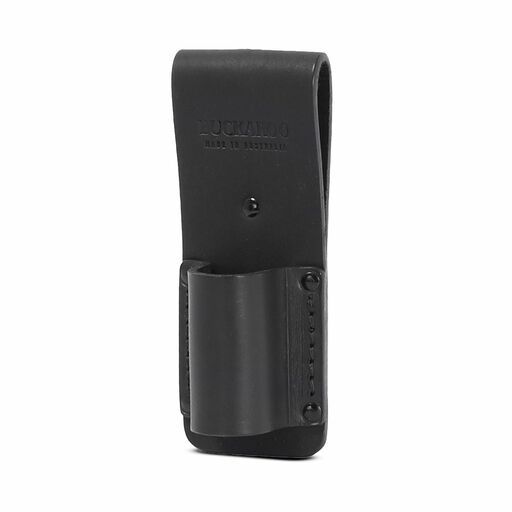
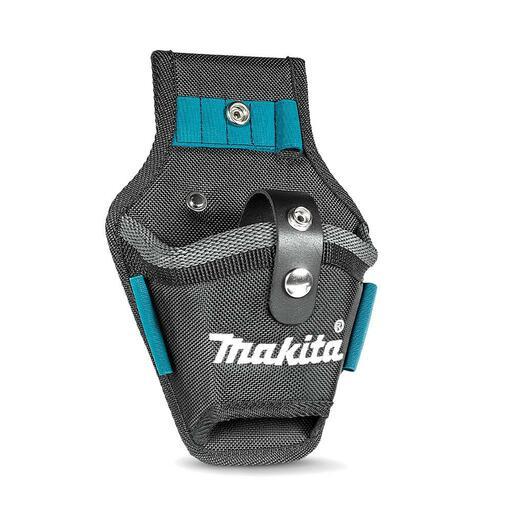

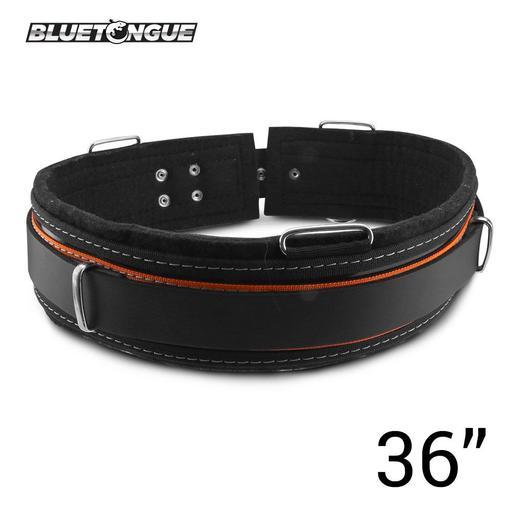


Typical Uses for Tool Belts on Site
An electrician tool belt is used when electricians, installers and tradespeople need to keep screwdrivers, pliers, testers, fasteners and other tools close at hand while working at heights, in confined spaces or across active job zones. Purpose-built belts help reduce time spent retrieving tools and improve workflow efficiency throughout installation and servicing tasks.
Key Design and Functional Attributes
When selecting wait tool belts important to consider the following:
- Durable Belt Material: Heavy duty nylon, polyester fabric, canvas or reinforced leather are all materials that resist tearing, abrasion, and wear by carrying heavy tools or working in demanding environments.
- Adjustable Sizing: buckle closures, quick release clips or hook and loop adjustment allow the belt to fit different waist sizes comfortably.
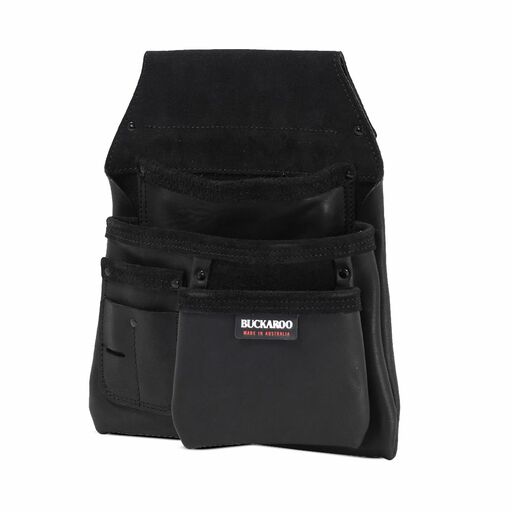
- Multiple Pouches and Tool Loops: Effective tool belts include multiple pouches, sleeves and loops to hold commonly used hand tools that accommodate items such as screwdriver sets, combination pliers, measuring tapes, cutters and fasteners.
- Quick Access Compartments: Frequently used tools benefit from quick-access pockets or open-top pouches positioned at the front or sides of the belt. This allows workers to retrieve and replace tools easily without slowing down their workflow.
- Padded Support for Comfort: Many waist tool belts include padded waist supports or breathable padding that distribute weight evenly around the hips. Padding helps reduce pressure points and fatigue during long workdays.
- Reinforced Stitching: Reinforced stitching, riveted stress points, and double-layer fabric construction increase the belt’s structural integrity. Help prevent seams and pockets from tearing under the weight of tools.
- Balanced Layout: Choosing a belt with an appropriate arrangement of pockets and holders ensures tools remain organised without overloading one area, allowing the wearer to work more comfortably and efficiently.
Safe Use and Ongoing Care Practices
Maintaining the craftsmanship of your electrician belt ensures it remains a reliable partner for every job:
- Distribute Tool Weight: Distribute evenly across both sides of the belt to prevent strain on the lower back and hips.
- Selecting the Right Tool Belt: Select a model with the correct fit and carrying capacity for your intended work. A properly sized belt ensures the load sits securely on the hips and remains comfortable during long periods of use.
- Regularly Inspect: Check the fasteners, buckles, rivets and sticking to ensure the belt remains safe and reliable.
- Cleaning: Keep pouches clean and free of debris such as dust, metal shavings, or fasteners that may accumulate during use.
- Storage: When not in use, store in a dry, well ventilated environment away from moisture or direct sunlight.
- Avoid Overloading: Carrying only the tools required for the task improves comfort and extends the belt’s lifespan.
Why Buy Tool Belts from Sydney Tools
At Sydney Tools we have an extensive range of tool belts suited to electrical, construction and general trade applications. Packed with competitive pricing and access to in-store and online support to help customers choose the right belt configuration and size for organised, on-site tool carrying.
Frequently Asked Questions (FAQs)
What size and fit considerations should I use when choosing a tool belt?
Choose a tool belt that fits comfortably around your waist or hips with enough adjustment range to accommodate clothing layers.
Can tool belts be customised with additional pouches or attachments?
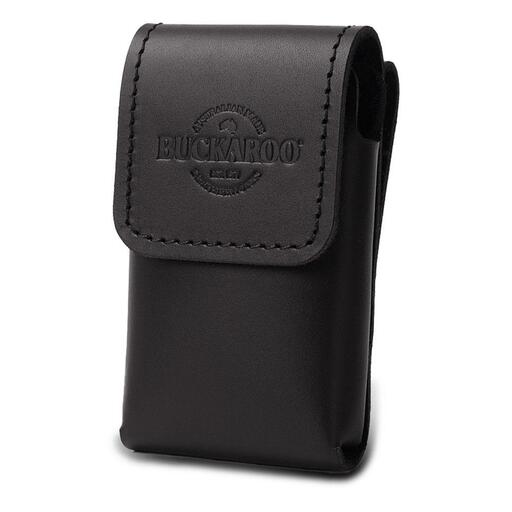
Many tool belts allow users to add or preposition pouches, holsters or attachments. For additional tool pouches and accessories Sydney Tools have you covered. This flexibility helps tailor the belt to specific tasks and tool preferences.
Are there designs better suited for electrical work versus general construction?
Yes. Electrical tool belts often feature smaller, specialised pockets for tools like pliers, wire strippers, torches and testers, as well as compartments for connectors and small components. General construction belts tend to include larger pouches designed for items such as nails, screws, tape measures, and heavier hand tools.
How does belt padding affect comfort during extended wear?
Padding helps distribute weight more evenly across the hips and waist, reducing pressure points and strain.
What materials offer the best balance of durability and weight?
Materials such as heavy-duty nylon, polyester, canvas, and reinforced leather are commonly used.
Are quick-release buckles or closures useful for working at heights?
Quick-release buckles can be useful because they allow the belt to be removed quickly in emergencies or when transitioning between tasks.
How should tool belts be cleaned without damaging pouches?
For most fabric belts, use a soft brush or damp cloth with mild soap to remove dirt and debris. Avoid harsh chemicals or soaking the belt for long periods. Leather belts should be wiped clean and occasionally treated with a leather conditioner.
Can tool belts help reduce fatigue when climbing ladders or moving frequently?
Yes. A well-designed belt that balances tool weight evenly and keeps tools easily accessible can reduce unnecessary movement and strain.
What features help keep small parts organised and secure?
Look for dedicated small pockets, zippered compartments, or covered pouches designed to hold fasteners and small components.
How do reinforced stitching and materials impact long-term performance?
Reinforced stitching, riveted stress points, and durable materials help tool belts withstand the weight of tools and repeated daily use.
Find the Right Electrician Tool Belt Today
Stay organised and agile on every project with the perfect carry solution. Browse our full range of tool belts online or visit your nearest Sydney Tools store locations to test the fit and feel of a professional waist tool belt in person.


