
Login
Login
- Popular Categories
- Shop By Brand
- Tool Accessories
- Air Compressor
- Hand Tools
- Laser Levels
- Mechanical Workshop
- Pressure Washers
- Welding
- Chainsaws
- Lawn Mowers
- Whipper Snippers
- Categories
- Adhesives & Sealants
- Air Tools
- Diamond Tools
- Fans
- Fasteners
- Generators
- Ladders
- Lubricants & Chemicals
- Power Garden
- Safety Equipment
- Scaffold
- Silica Dust Solutions
- Storage
- Test - Measure - Locate
- Transportation & Lifting
- Vacuum & Dust Extractors
- Water Pumps
Electrical / Cable Pulling
If you’ve ever found yourself caught between a cable job and a less than stellar bit of cable pulling equipment, you’ll know exactly how annoying it can be. Here at Sydney Tools, we stock hardware and trade supplies from all the leading brands in hardware, and you can see cable pulling tools as part of that offering here.
From larger rolling winches, to cable grips and all the other bits and pieces that make life easy – look here online to us at Sydney Tools, or come pay us a visit in store. Our team can help you find the specific gear you’re looking for, or get you equipped with the whole lot.
Need a hand with our cable pulling accessories? Don’t hesitate to reach out to our friendly team for any assistance.


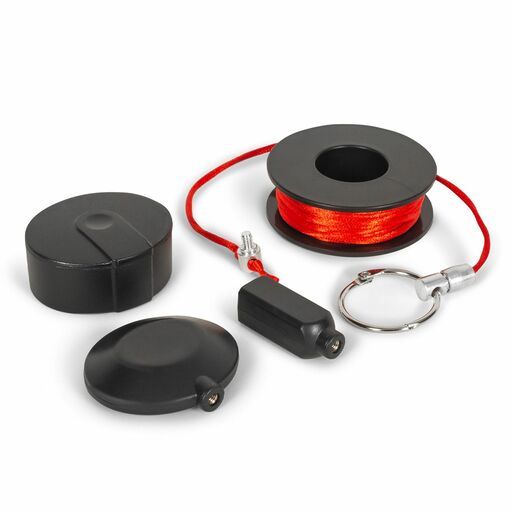


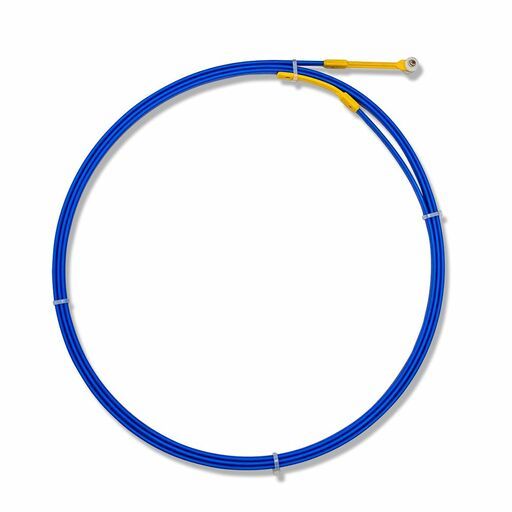
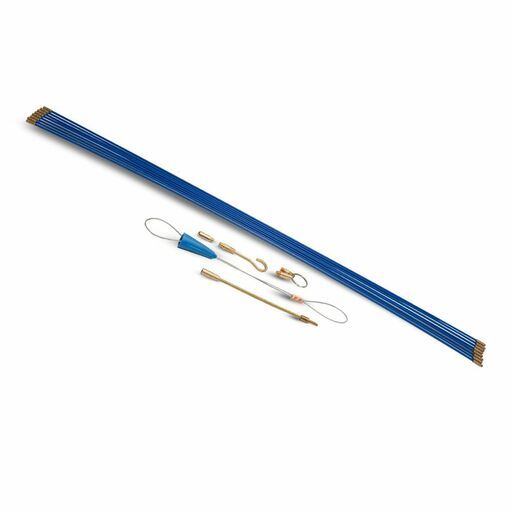


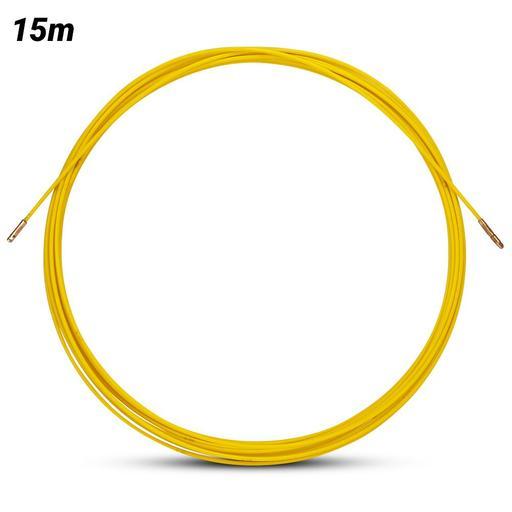
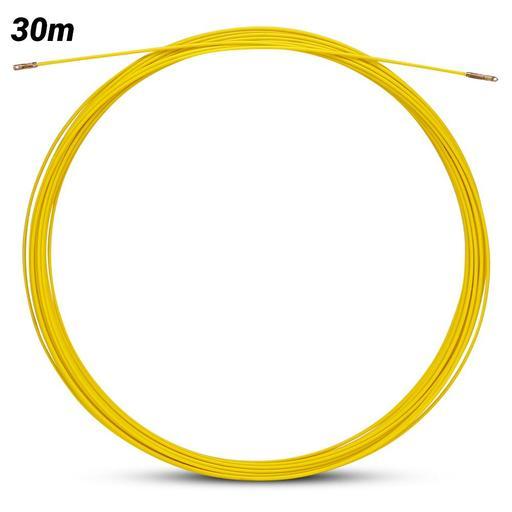

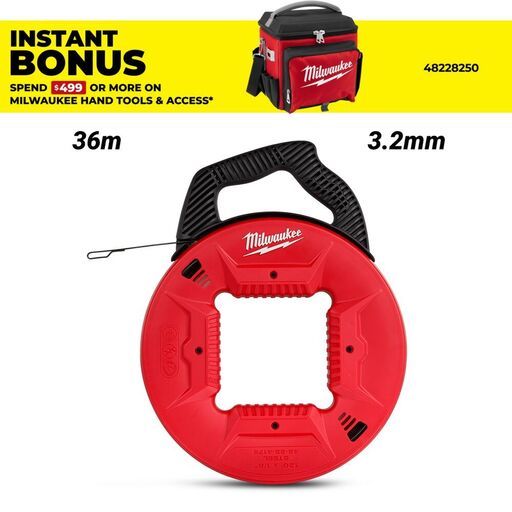


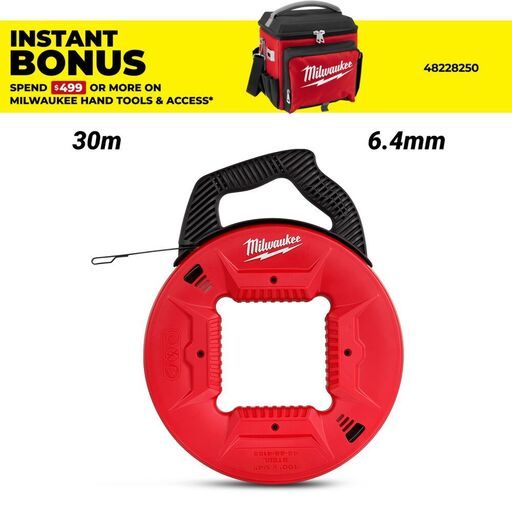

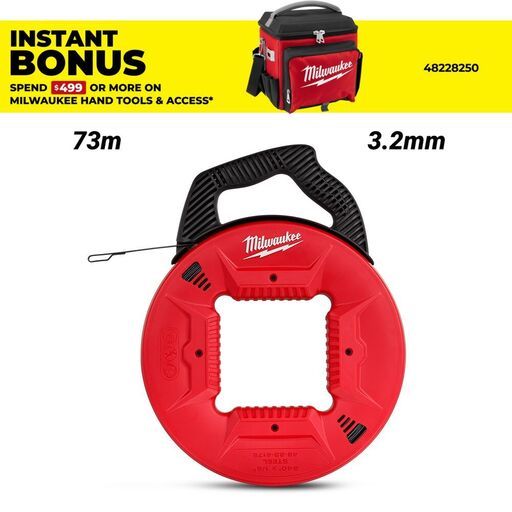
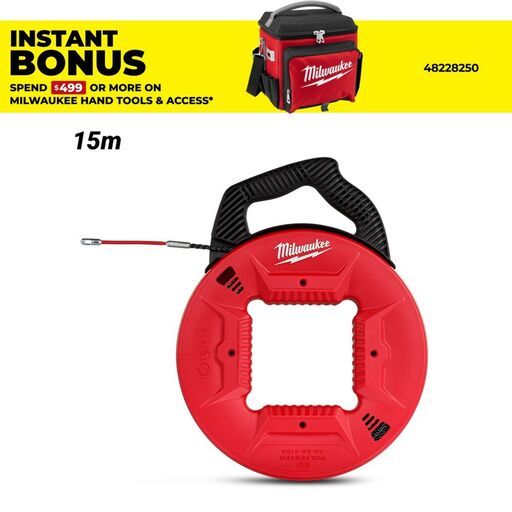
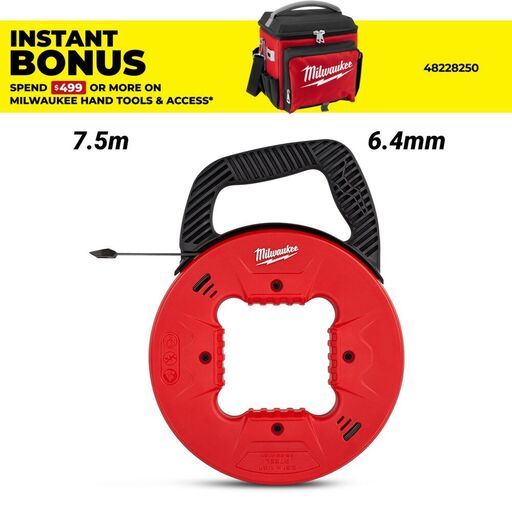


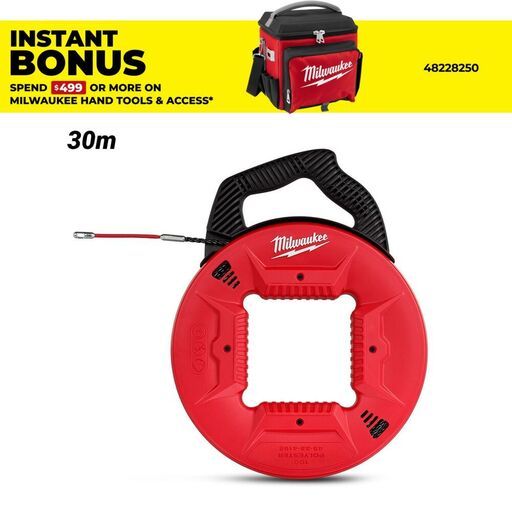


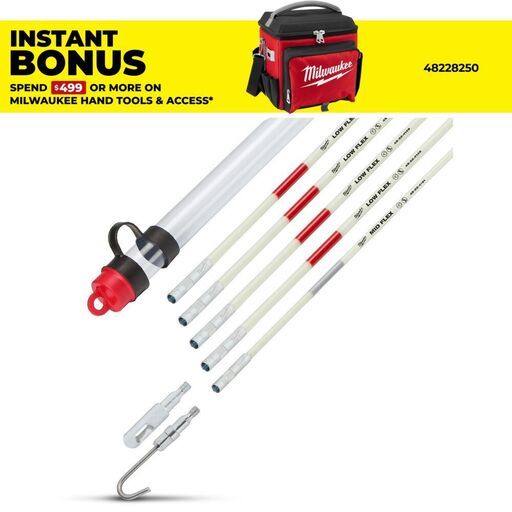


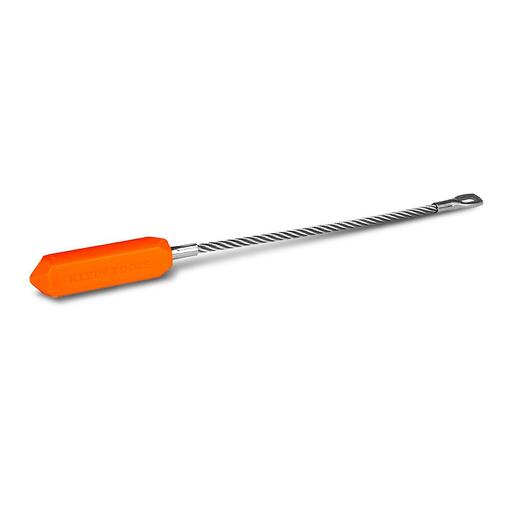


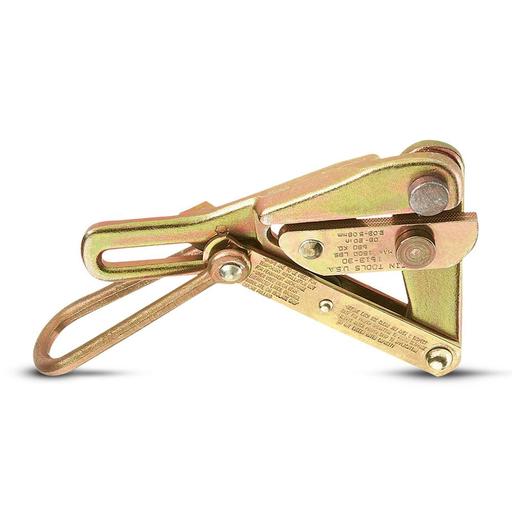

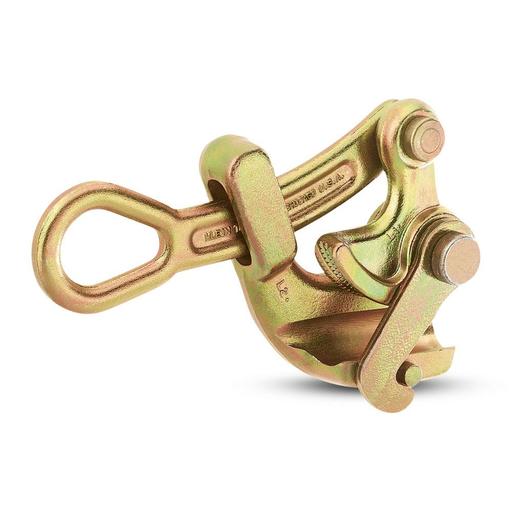


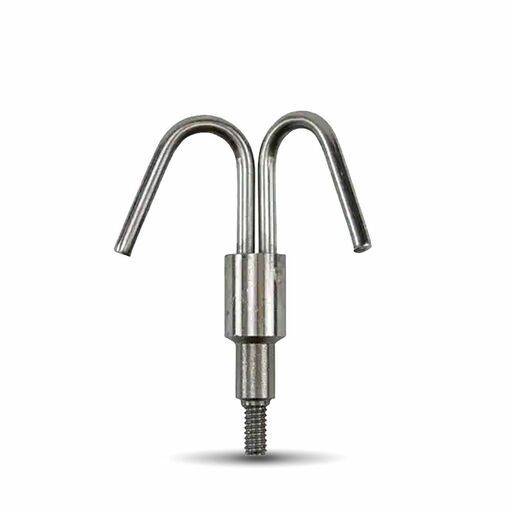
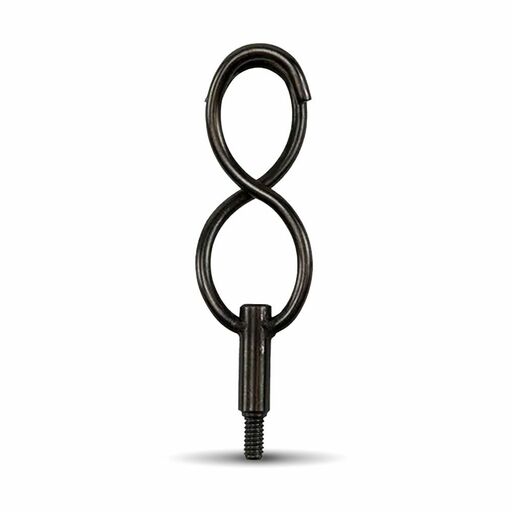


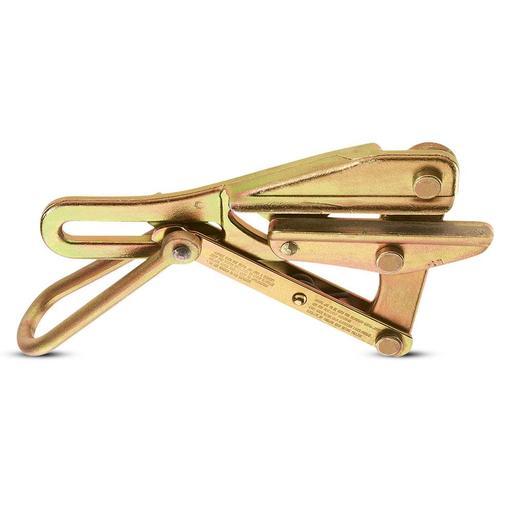


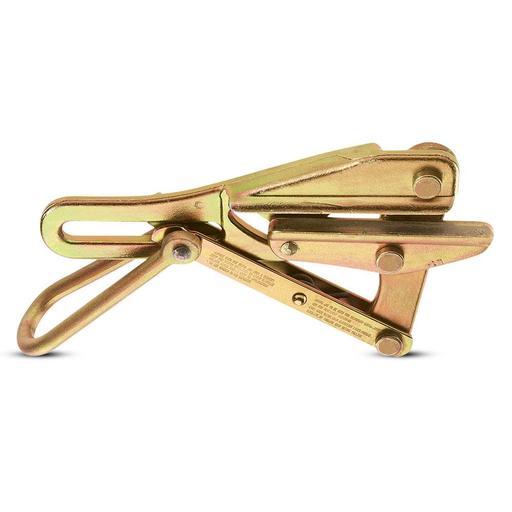
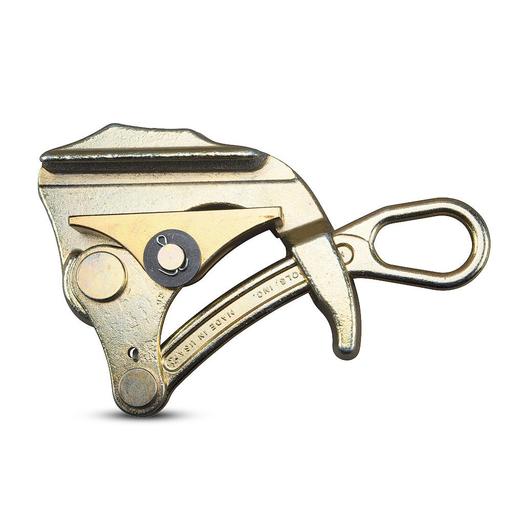
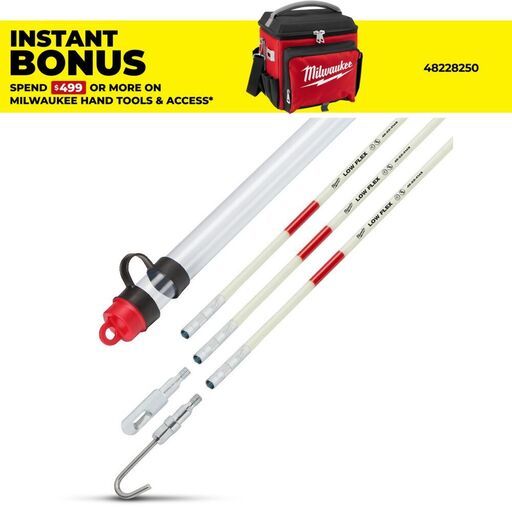

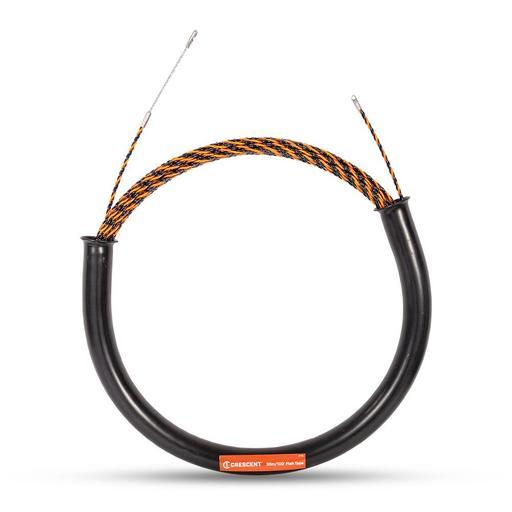
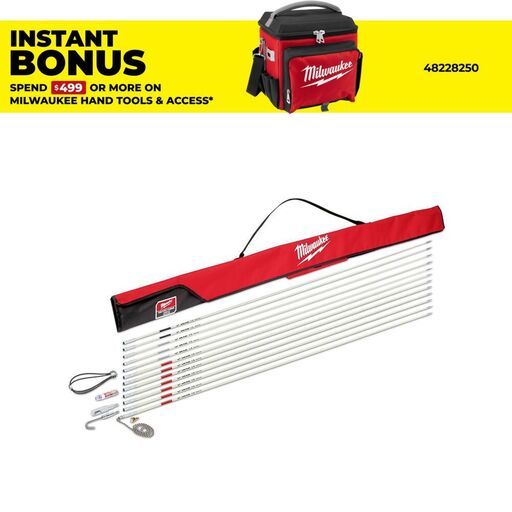
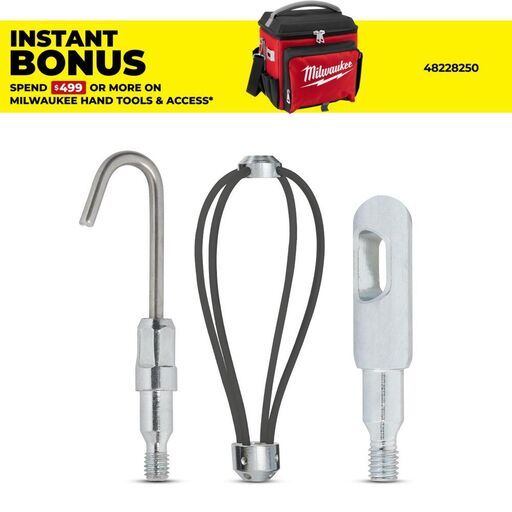
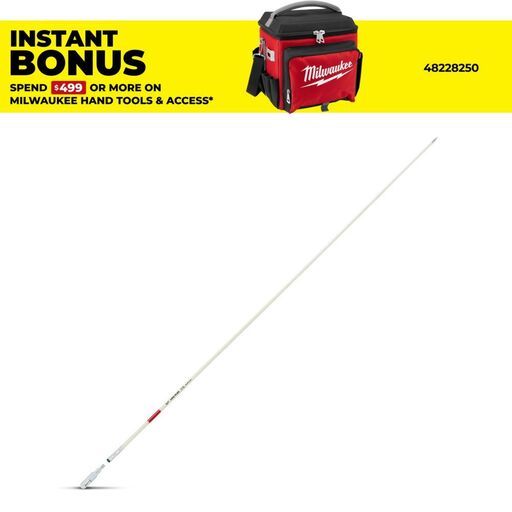
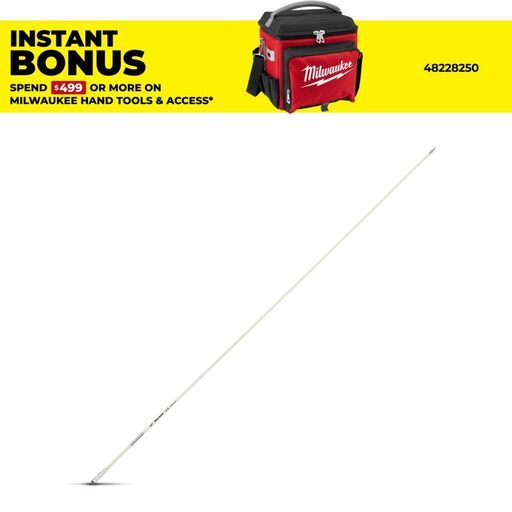
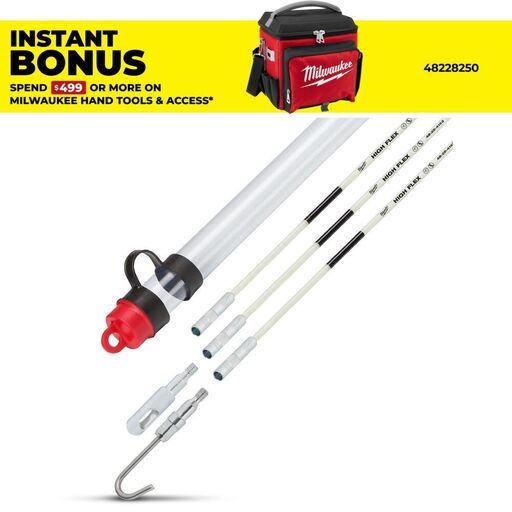


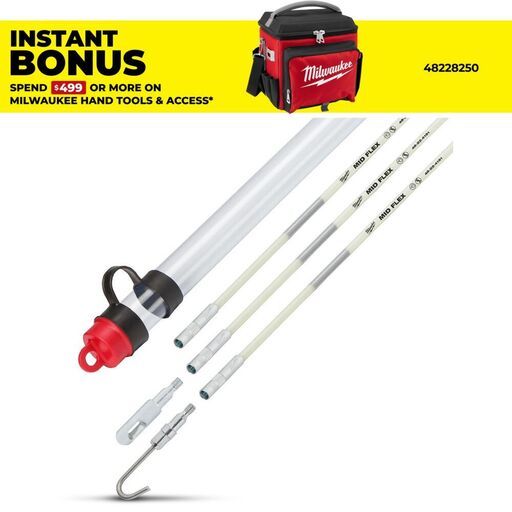
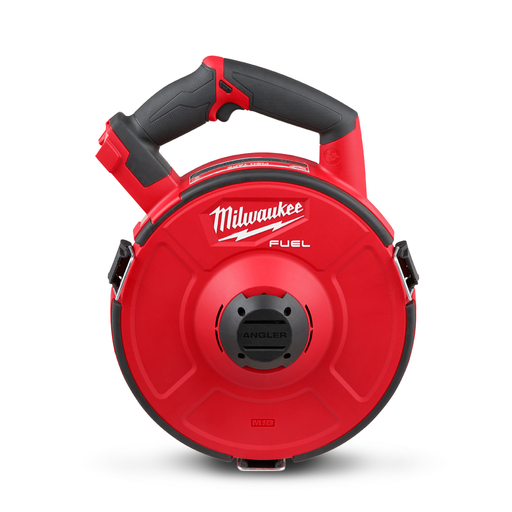
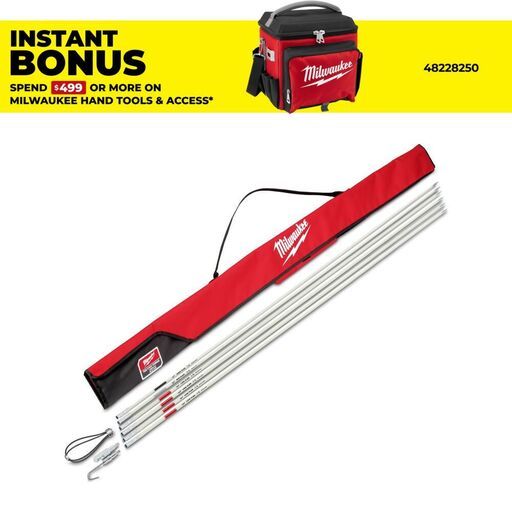
Shop Sydney for reliable cable pulling tools and equipment
Shop online with Sydney Tools for the cable laying equipment and installation gear you need. Whether it’s a full spool of fish wire, or just the double sided tape you need to keep things tidy. If you’re at all unsure about what you need, don’t hesitate to reach out to the team – we’re always here to help.
We have a standing Price Match Promise on any and all identical products from other Australian Authorised Dealers. To find your nearest Sydney Tools hardware store, you can look to our store locator.
Frequently Asked Questions (FAQs) about Cable Pulling:
What is cable pulling?
Cable pulling involves the installation of electrical cables through conduits or designated pathways within buildings or underground systems. This process ensures the safe and efficient distribution of electrical power or data signals.
What tools are essential for effective cable pulling?
Key tools include:
Fish Tape: A tool used to route new wiring through walls and conduits.
- Cable Pulling Grips (Towing Socks): Devices that connect to the end of a cable to facilitate its movement through conduits.
- Cable Lubricants: Substances are applied to reduce friction between the cable and conduit, easing the pulling process.
- Cable Pullers: Mechanical devices that assist in pulling heavy cables through conduits, reducing manual effort.
How does a cable puller work?
A cable puller utilises a power source to rotate a capstan, which in turn pulls the cable and a specialised pulling rope through the conduit. This mechanised approach streamlines the cable installation process, especially for longer distances or larger cables.
Why is cable lubrication important during pulling?
Applying lubricant reduces friction between the cable and the conduit, facilitating smoother movement. This not only makes the pulling process more manageable but also minimises the risk of damaging the cable's protective sheath.
What are towing socks, and how are they used?
Towing socks, also known as wire rope pullers or cable pulling grips, are devices that attach to the end of a cable to assist in pulling it through conduits or tunnels. They function by tightening around the cable when pulled, similar to a Chinese finger trap, ensuring a secure grip without causing damage.
Are there specific considerations for cable pulling in healthcare or cleanroom environments?
Yes, in settings like hospitals or cleanrooms, it's crucial to prevent debris from contaminating the area during cable installation. Tools like the HEPACART™ Cabling Access Point (CAP) help contain dust and debris, maintaining the integrity of the environment.
How can one-person cable pulling be achieved?
Tools like the Rack-A-Tiers Pull Buddy allow a single individual to pull wires through conduits efficiently. These devices protect the conductors during the pull and simplify the process, making it feasible for one person to handle tasks that might typically require assistance.
What safety precautions should be taken during cable pulling?
It's essential to:
- Use appropriate personal protective equipment (PPE).
- Ensure all tools are in good condition.
- Be cautious of potential hazards like sharp edges or electrical components.
- Avoid overexertion by utilising mechanical aids when handling heavy cables.


