
Login
Login
- Popular Categories
- Shop By Brand
- Tool Accessories
- Air Compressor
- Hand Tools
- Laser Levels
- Mechanical Workshop
- Pressure Washers
- Welding
- Chainsaws
- Lawn Mowers
- Whipper Snippers
- Categories
- Adhesives & Sealants
- Air Tools
- Diamond Tools
- Fans
- Fasteners
- Generators
- Ladders
- Lubricants & Chemicals
- Power Garden
- Safety Equipment
- Scaffold
- Silica Dust Solutions
- Storage
- Test - Measure - Locate
- Transportation & Lifting
- Vacuum & Dust Extractors
- Water Pumps
Electrical / Angle Grinders
Angle grinders are versatile power tools used by tradespeople and technicians for cutting, grinding, sanding and surface preparation tasks. These handheld grinders use a rotating abrasive disc allowing the user to work on metal, masonry and other materials which are commonly encountered in electrical, construction and fabrication work.
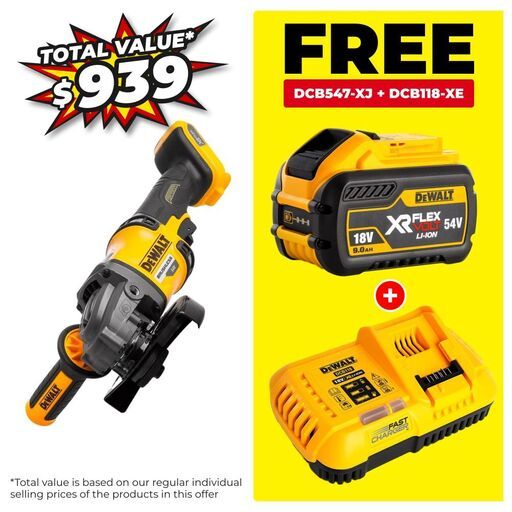


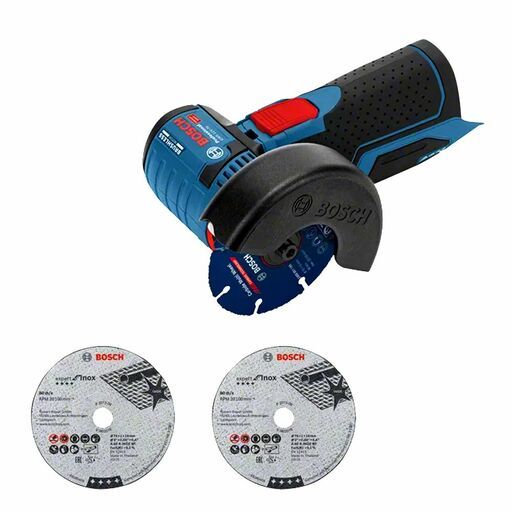


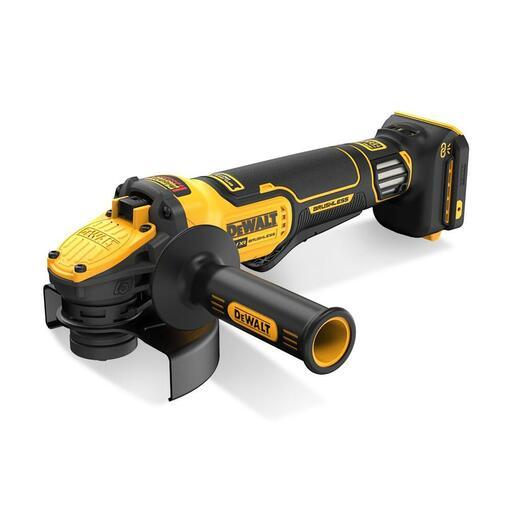


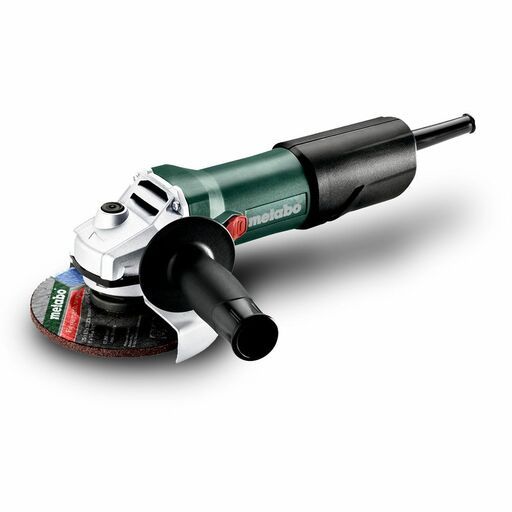



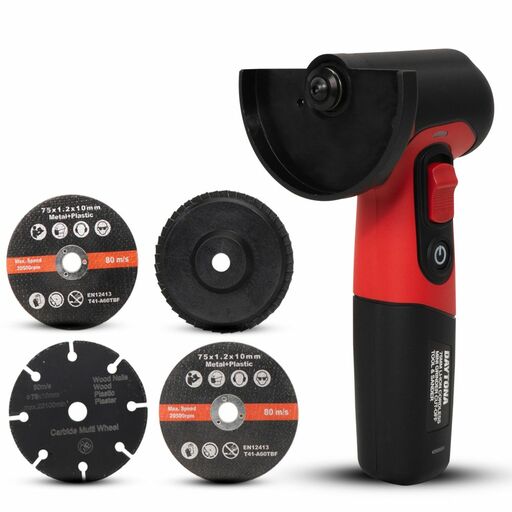
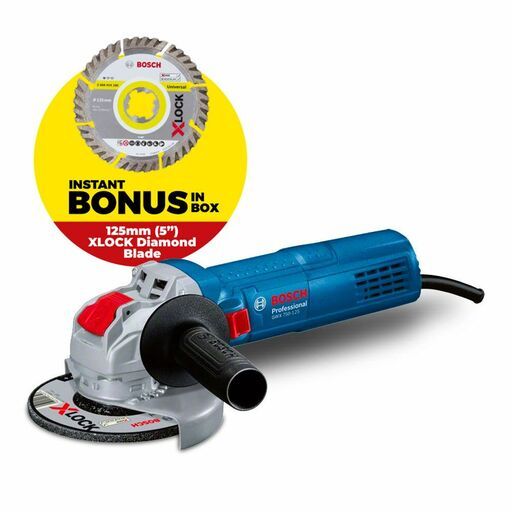


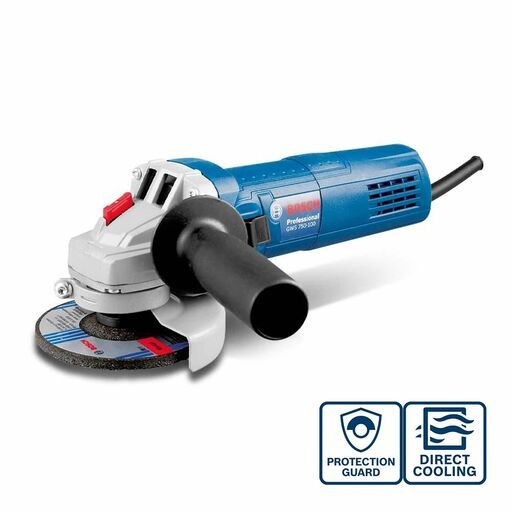
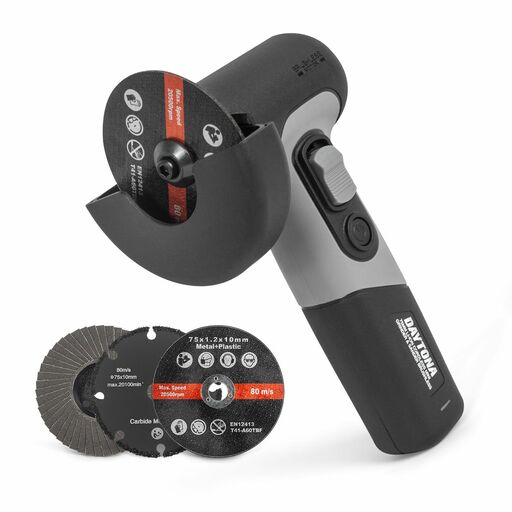
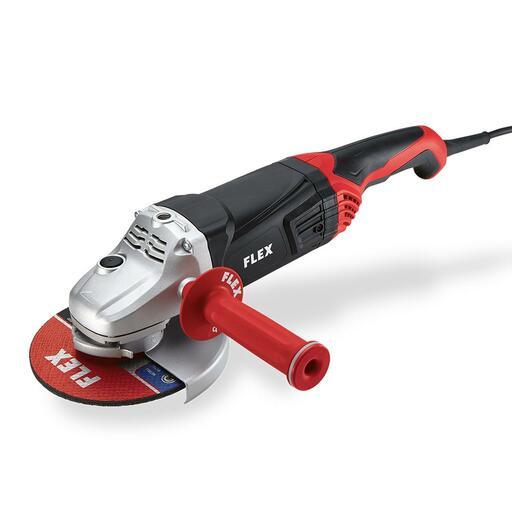


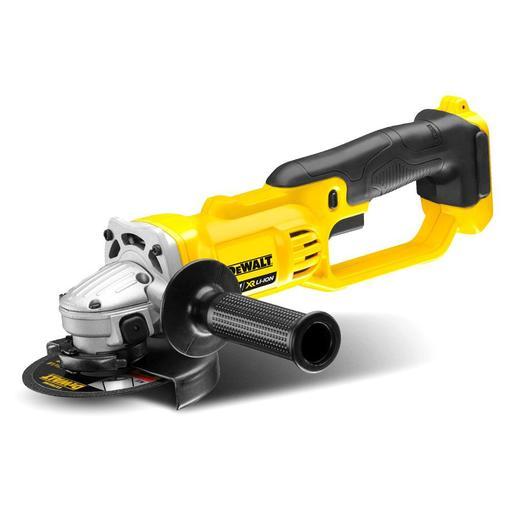

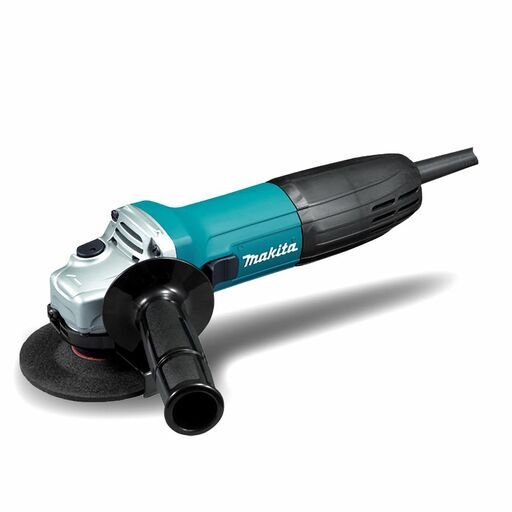


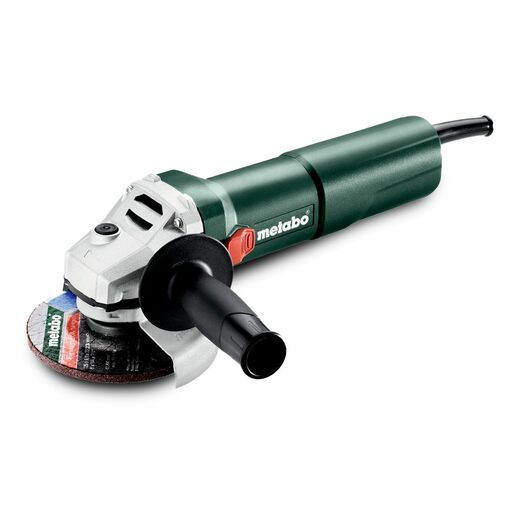


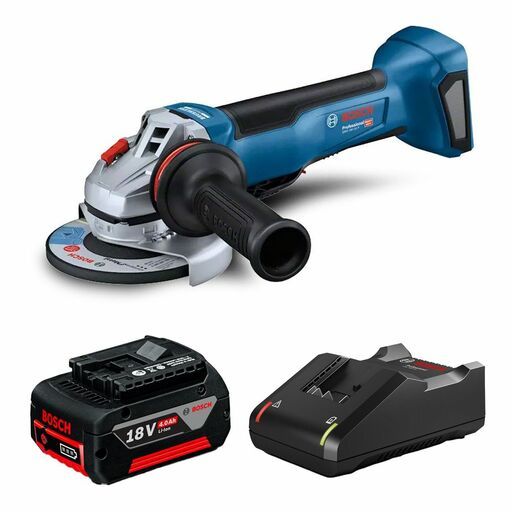


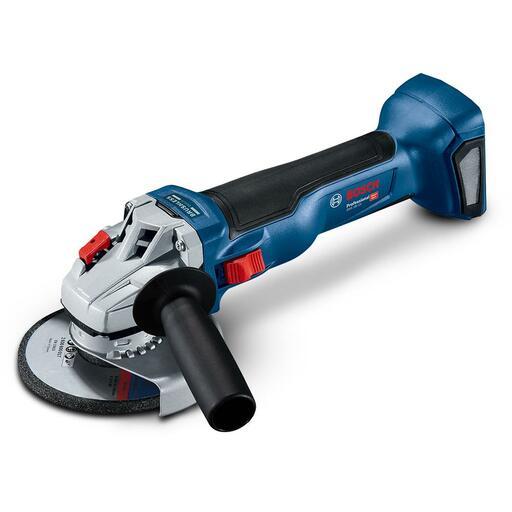


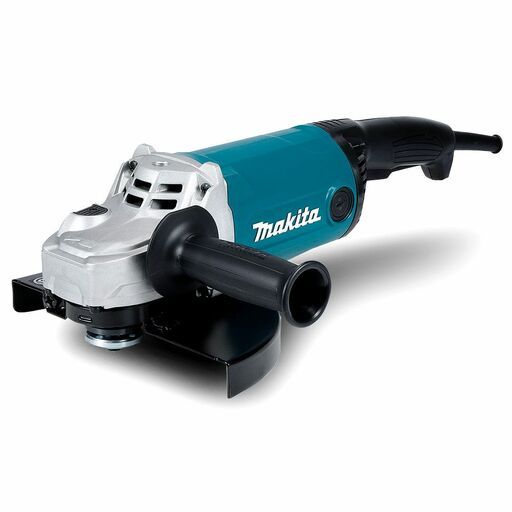


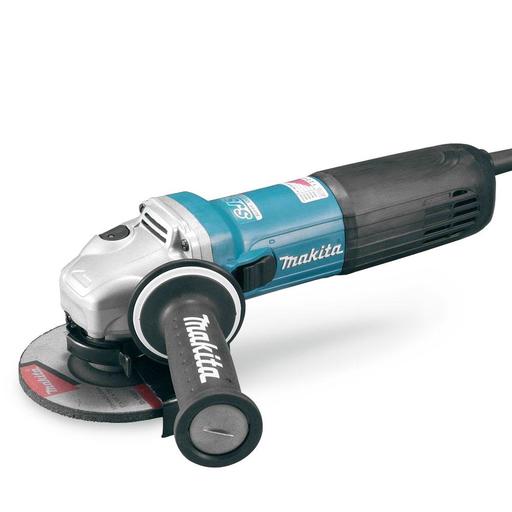
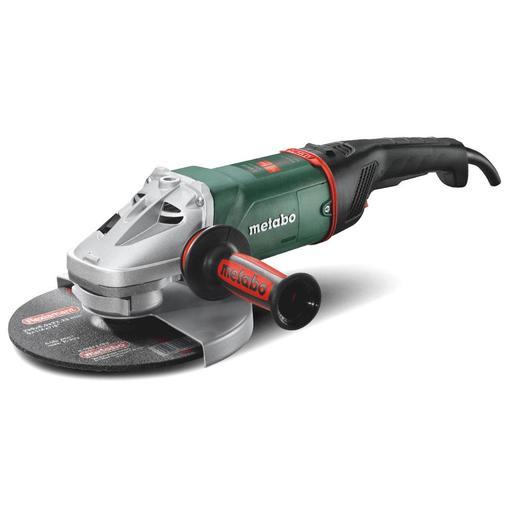
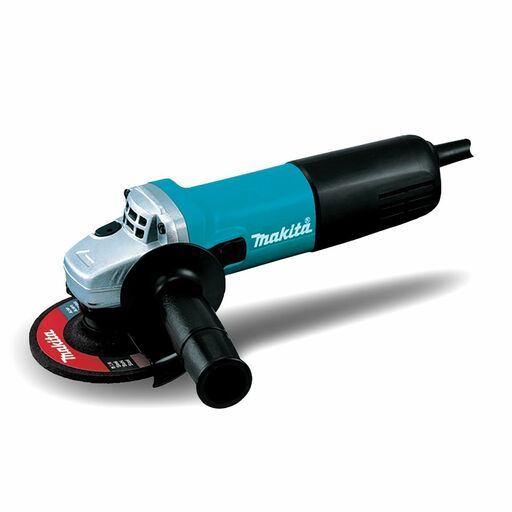
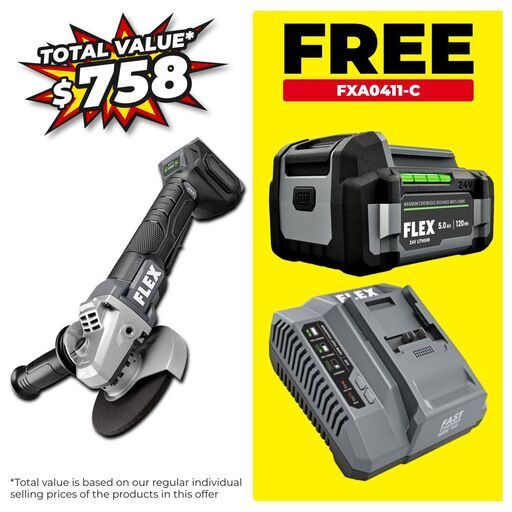

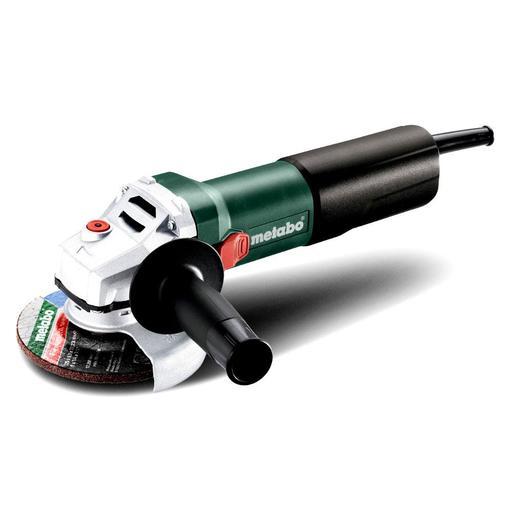


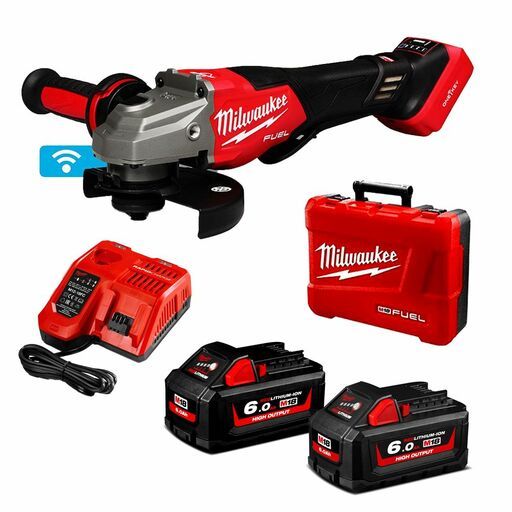
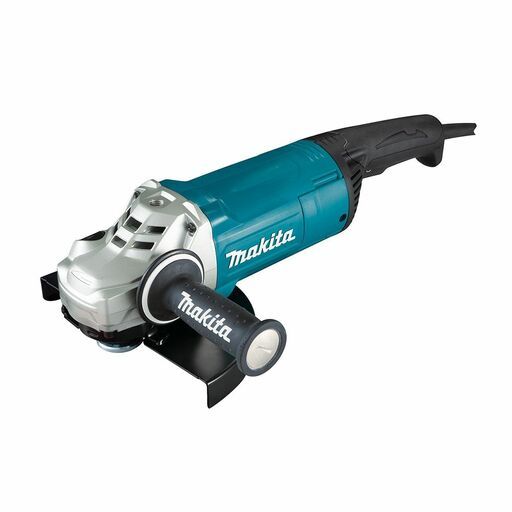


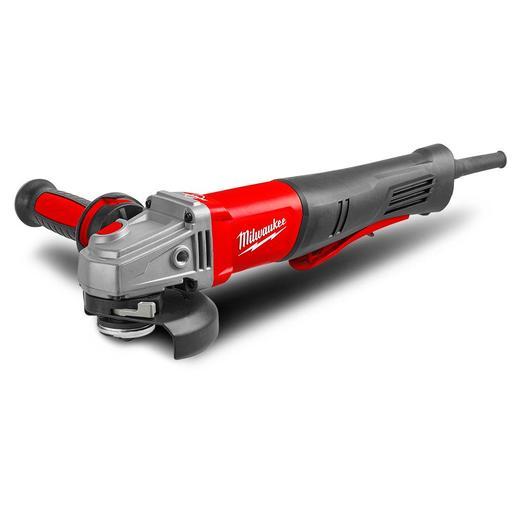


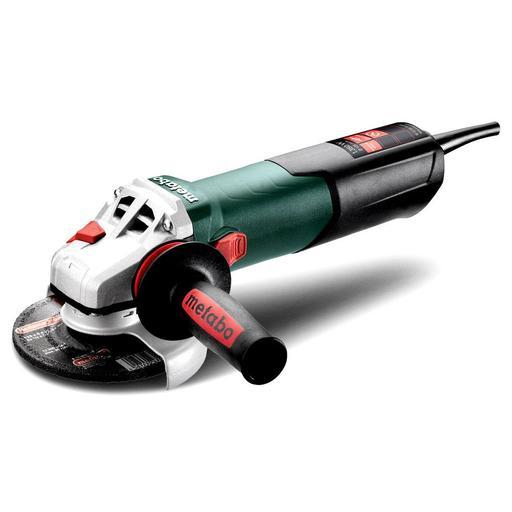


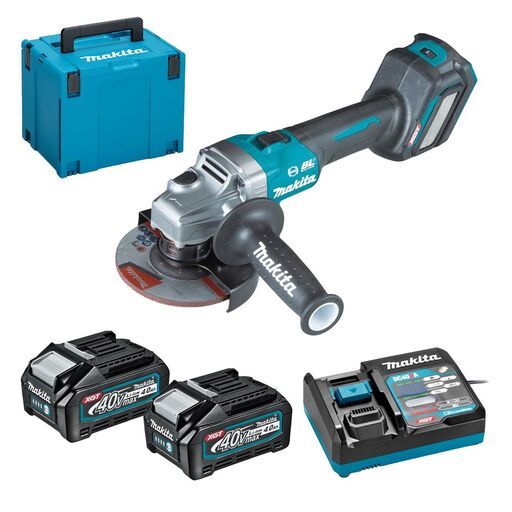
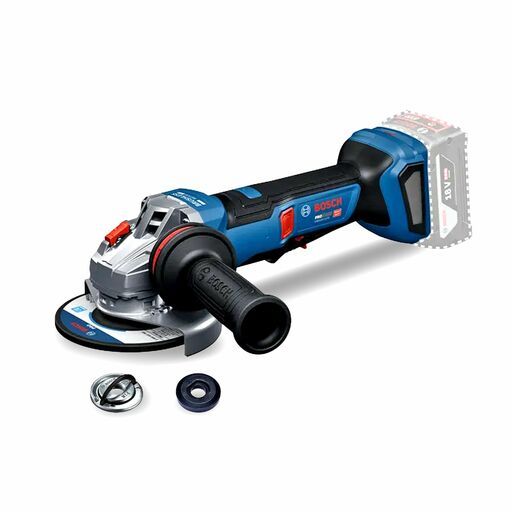


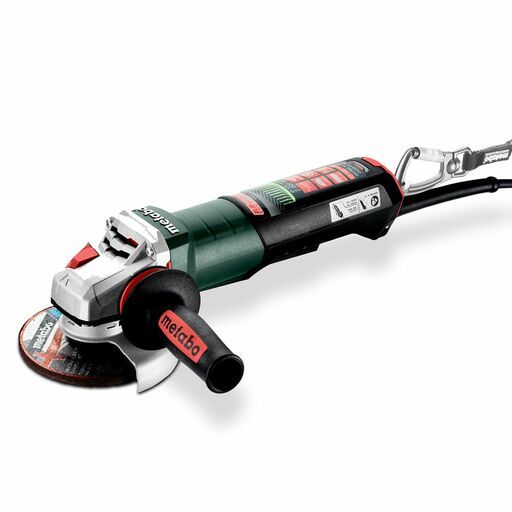

Typical Applications for Angle Grinders
Angle grinders are commonly used by electricians, metalworkers, and other tradespeople when they need to perform tasks such as cutting conduit and metal fabrication, grinding welds, removing rust or surface coatings, and preparing materials for installation. Their versatility makes them a staple tool on construction sites, workshops, and maintenance jobs.
A key advantage of angle grinders is the wide range of purpose-built discs and accessories available. By changing the attachment whether it is a diamond blade or not, users can tailor the tool for specific tasks, such as cutting metal or masonry, grinding and smoothing welds, sanding surfaces, removing coatings, or polishing for a finished surface. This flexibility allows a single tool to handle multiple stages of a job, from initial cutting through to final surface finishing.
Key Design and Performance Attributes
Selecting the right electric angle grinder involves a considered look at the specifications that define its professional-grade utility:
- Disc Size and Compatibility: Angle grinders support different disc diameters from 100mm, 115mm, 125mm, and 230mm. Smaller grinders offer better control for precision work, while larger models provide greater cutting depth and are suited to heavy-duty applications.
- Motor Power and Speed: Most grinders are designed with motors that deliver high rotational speed and torque to handle demanding tasks. Operating at high revolutions per minute (RPM) to efficiently cut and grind materials, some include variable speed controls allowing users to adjust the speed for different applications and materials.
- Ergonomic Design: Comfort and control are improved through grips, adjustable side handles and blanched tool weight, reducing fatigue during extensive use.
- Durability: Built with robust housing, sealed bearing and efficient cooling systems to withstand any jobsite environment.
- Accessories: Designed to be compatible with a wide range of discs and attachments, making this tool versatile from cutting and shaping to preparation and finishing.
Safe Use and Ongoing Care Practices
When operating an angle grinder insure the following:
- Selecting a disc that is appropriate for the material and the job at hand, whether cutting, grinding, or finishing.
- Ensure workpieces are securely clamped or supported before grinding or cutting to prevent movement and maintain control of the tool.
- Appropriate personal protective equipment (PPE), including eye protection, hearing protection, and respiratory protection, particularly when working with materials that produce sparks or dust.
- Where possible, use dust extraction shrouds & cutting guards to help control debris and improve safety.
Before starting work, inspect discs for cracks, chips, or other signs of damage, and never use a disc that is compromised. Keep the grinder clean and free of dust, metal filings, and debris, especially around vents and moving parts to ensure proper cooling and performance.
When not in use, store the grinder in a protective case or toolbox to prevent accidental damage. Always follow the manufacturer’s guidelines when fitting guards or changing discs and accessories to ensure safe operation and maintain the tool’s performance.
Why Buy Angle Grinders from Sydney Tools
At Sydney Tools we offer an extensive range of angle grinders and accessories suited to cutting, grinding and surface preparation tasks in electrical, construction, fabrication and general workshop settings. Not only do we offer angle grinders but also a wide selection of concrete saws for heavy-duty tasks, and diamond core drill bits & sets for precision tasks. With competitive prices and access to in-store and online support to assist you in choosing the right corded angle grinder or cordless equivalent for your specific application..
Frequently Asked Questions (FAQs):
What certifications or compliance standards should an angle grinder meet for professional trade use?
For professional use, angle grinders should comply with AS/NZS 62841.2.3 and carry a regulatory compliance mark (RCM) indicating compliance with electrical safety standards.
How does vibration level affect long-term usability and operator fatigue?
Prolonged exposure may also increase the risk of hand arm vibration syndrome (HAVS). Grinders with vibration-dampening handles, balanced design, and anti-vibration technology help improve comfort and usability during longer tasks.
Are cordless angle grinders suitable for heavy-duty cutting compared to corded models?
18V - 36V and above can handle many heavy-duty tasks, with advanced brushless motors and high capacity batteries. However, corded grinders provide continuous power for extended cutting or demanding industrial application.
What is the difference between paddle switch and slide switch grinders in practical use?
Paddle switch grinders require the user to hold the trigger to keep the tool running improves safety, whereas slide switch grinder allows the tool to run without constant pressure, which can be more convenient for long tasks, but requires careful handling.
How does soft start functionality impact control during initial power-up?
Soft start increases the motor speed when the grinder is switched on, this improves control, reduces kickback risk and minimises stress on components.
What considerations apply when selecting grinders for confined or overhead work?
Compact size, light weight, and ergonomic design. Smaller grinders such as 100mm or 125mm models are often easier to manoeuvre.
Can variable speed control improve results when working on different materials?
Yes, variable speed grinders allow users to adjust the RPM to match the material and accessory being used. Low speed is beneficial for polishing, sanding or delicate surface work, while high speed is typically for cutting and heavy grinding.
How do dust extraction features influence performance in enclosed environments?
Using dust extraction shrouds & cutting guards connected to a vacuum system helps reduce airborne dust when cutting materials like concrete or masonry. This improves visibility, air quality, and workplace safety, especially in enclosed environments.
What factors determine compatibility between grinders and aftermarket accessories?
Depends on several factors including disc diameter, arbor size (commonly 22.23mm), spindle thread (often M14), and maximum RPM rating. Accessories must also be rated for the grinder’s operating speed and suitable for the intended material.
When should carbon brushes or internal components be serviced in a power grinder?
Carbon brushes typically wear over time and should be inspected periodically according to the manufacturer’s service guidelines. Signs that servicing may be required include reduced power, excessive sparking, or intermittent operation. Regular maintenance helps ensure consistent performance and prolongs tool life.
Find the Right Angle Grinder Today
Equip your workshop with the raw power and precision needed for a professional-grade finish. Browse our full range of angle grinders online or visit your nearest Sydney Tools store locations to compare the performance of our electric angle grinder and corded angle grinder models in person.


