
Login
Login
- Popular Categories
- Shop By Brand
- Tool Accessories
- Air Compressor
- Hand Tools
- Laser Levels
- Mechanical Workshop
- Pressure Washers
- Welding
- Chainsaws
- Lawn Mowers
- Whipper Snippers
- Categories
- Adhesives & Sealants
- Air Tools
- Diamond Tools
- Fans
- Fasteners
- Generators
- Ladders
- Lubricants & Chemicals
- Power Garden
- Safety Equipment
- Scaffold
- Silica Dust Solutions
- Storage
- Test - Measure - Locate
- Transportation & Lifting
- Vacuum & Dust Extractors
- Water Pumps
Mechanical Workshop / Thread Restorer Files
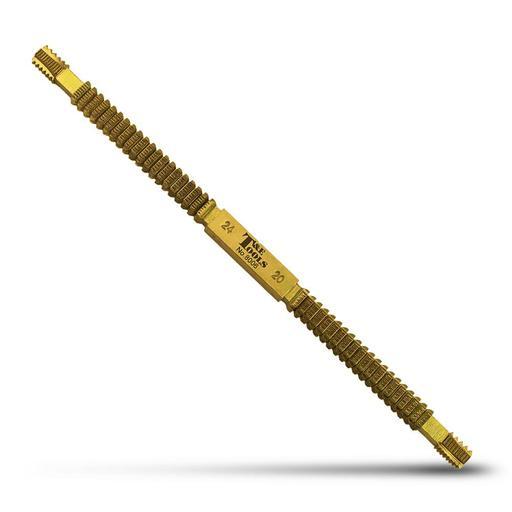
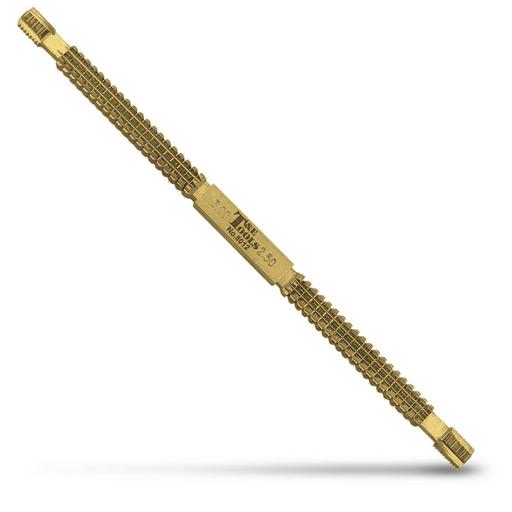
A thread restorer is used to clean up and repair damaged threads without cutting a new one. In automotive and workshop jobs, threads can become burred, flattened, or clogged with debris. A thread file helps bring the original profile back so fasteners can engage properly again.
Thread restorer files are designed with multiple thread pitches along one tool. This allows you to match the correct profile and work along the damaged section with control. When used correctly, a thread repair file can save time and avoid replacing parts unnecessarily.
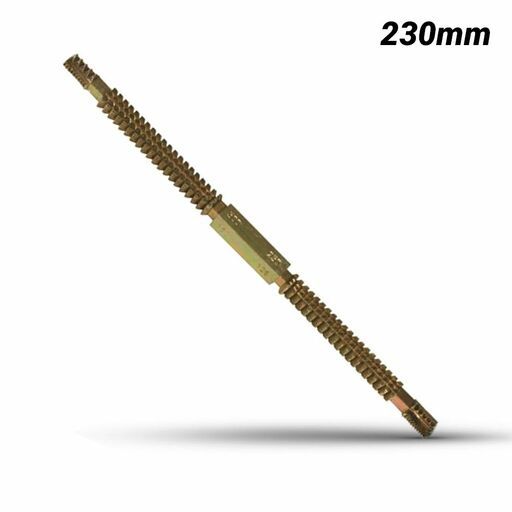
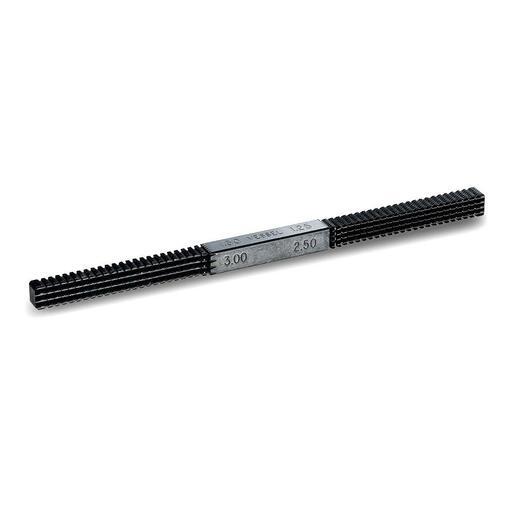
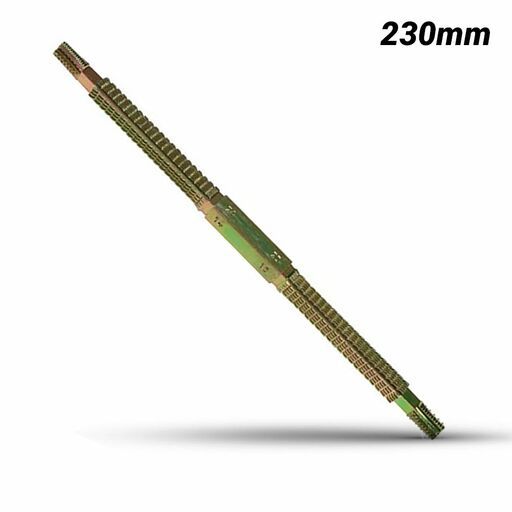


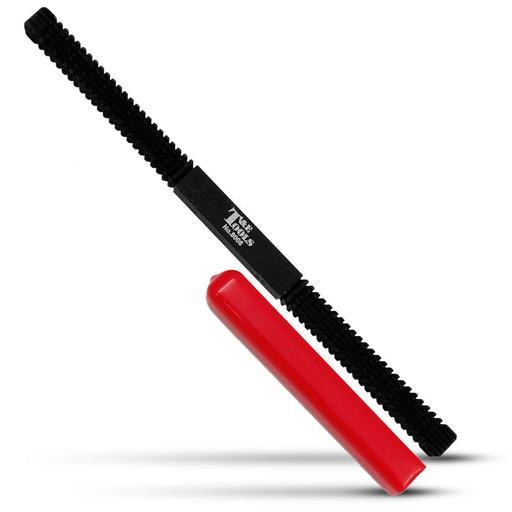
Why Thread Restorer Files Matter
Damaged threads can stop a job quickly. A nut may not seat, or a bolt may bind partway through. In many cases, the thread is not beyond repair. A thread restorer allows you to correct minor damage and restore function without re-cutting the entire thread.
In workshop use, this helps reduce downtime and avoids replacing components that are still serviceable. A thread file also gives you control over material removal, which helps maintain thread integrity.
A quality thread restorer allows you to:
-
Clean up damaged or burred threads
-
Restore positive fastener engagement
-
Avoid unnecessary part replacement
-
Retain original thread profiles
-
Work faster and more efficiently
Ideal for automotive servicing and repair, machine repair and fabrication, or general workshop maintenance.
Key Design and Functional Features
Multiple thread pitch profiles
One file includes several pitch options to match common thread sizes.
Defined cutting edges
Precision edges help reshape threads without removing excess material.
Flat and contoured surfaces
Different shapes improve access across various thread positions.
Clear pitch markings
Marked profiles make it easier to select the correct thread size.
Durable file construction
Hardened materials resist wear during repeated use.
Thread restorer files are often used alongside taps, dies, tap and die sets, and die holders when working on thread repair tasks.
Safe Use and Ongoing Care Practices
Proper handling will preserve both the file and the tool.
-
Select a file that has the same pitch as the thread.
-
Work slowly and methodically over the damaged portion.
-
Don't exert too much pressure.
-
Periodically examine your progress while working.
-
Brush away chips from the thread as you work.
After use, clean the file to remove metal particles and prevent clogging. Store in a dry area to protect the cutting edges and maintain performance.
Why Buy Thread Restorer Files from Sydney Tools
Sydney Tools offers a practical range of thread restorer files suited to workshop use. These tools are designed to help restore threads quickly and keep components serviceable.
You can expect:
-
A reliable set of thread restoring files
-
Different pitches for standard thread sizes
-
Made to last for many uses
-
Easily identifiable with clear markings
-
Affordable prices online and in store
-
Expert advice from our friendly staff
With the right tool, damaged threads can often be restored rather than replaced.
FAQs
How do you know which size thread profile to use when making restoration files?
Match the pitch of the thread to the original size and spacing of the threads.
How can I tell when I'm restoring damaged threads and when to cut a new fastener?
If the damage is minor and the profile remains visible, restoration is usually possible.
Can thread restorer files correct threads in blind holes, and what challenges does that pose?
Access is limited in blind holes, which makes alignment and even filing more difficult.
What abrasive grades are most effective for common automotive thread pitches?
Files are typically designed for standard thread pitches rather than abrasive grades.
How do I maintain the file's abrasive surface from clogging between uses?
Clean the file to remove build up of metal.
Can I over-file and remove too much material, and if so, how can I prevent it?
Yes, work slowly and frequently check your progress.
What techniques ensure even restoration along the length of the thread?
Use even strokes and follow the thread profile along its entire length.
Can thread restorer files handle fine pitch versus coarse pitch threads equally well?
They can, provided the correct pitch section of the file is used.
How does file shape affect access in hard-to-reach threaded areas?
Slim or contoured shapes improve access in tight spaces.
When should a thread restorer file be replaced due to wear rather than continued use?
Buy a new one when the cutting edges become blunt or the file no longer restores the thread.
Find the Right Thread Restorer File Today
Restore damaged threads with confidence. Browse the range online or visit your nearest Sydney Tools store for practical advice and dependable workshop tools.


