
Login
Login
- Popular Categories
- Shop By Brand
- Tool Accessories
- Air Compressor
- Hand Tools
- Laser Levels
- Mechanical Workshop
- Pressure Washers
- Welding
- Chainsaws
- Lawn Mowers
- Whipper Snippers
- Categories
- Adhesives & Sealants
- Air Tools
- Diamond Tools
- Fans
- Fasteners
- Generators
- Ladders
- Lubricants & Chemicals
- Power Garden
- Safety Equipment
- Scaffold
- Silica Dust Solutions
- Storage
- Test - Measure - Locate
- Transportation & Lifting
- Vacuum & Dust Extractors
- Water Pumps
Mechanical Workshop / Dies
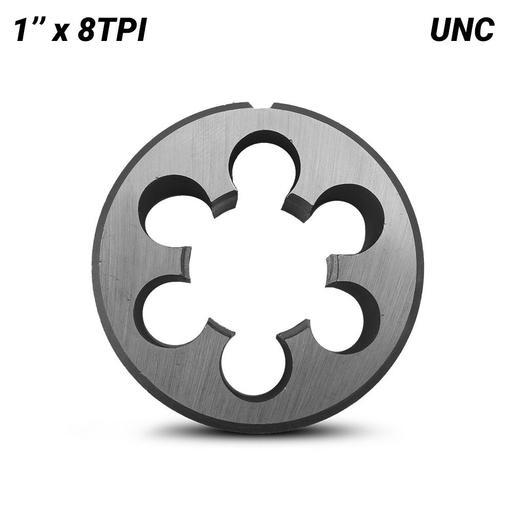
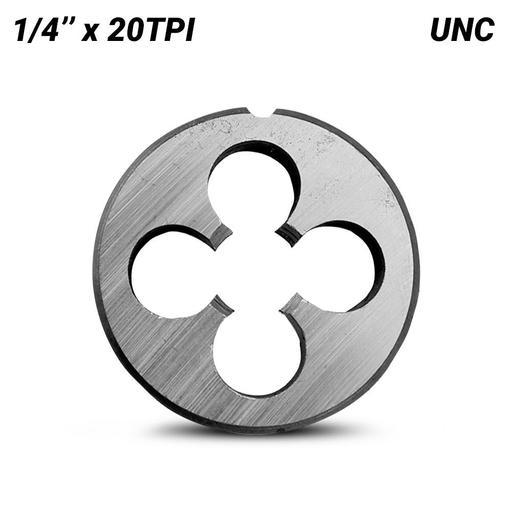
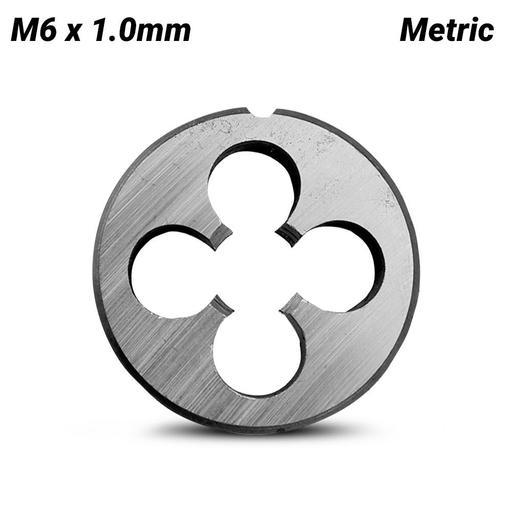
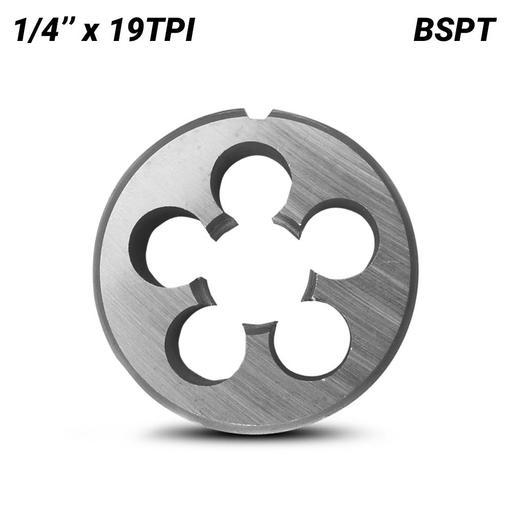
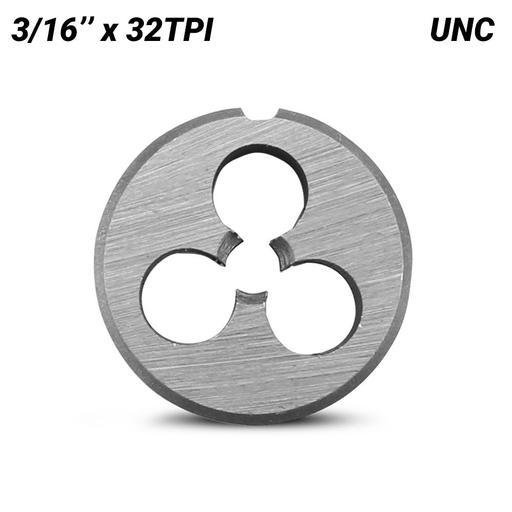
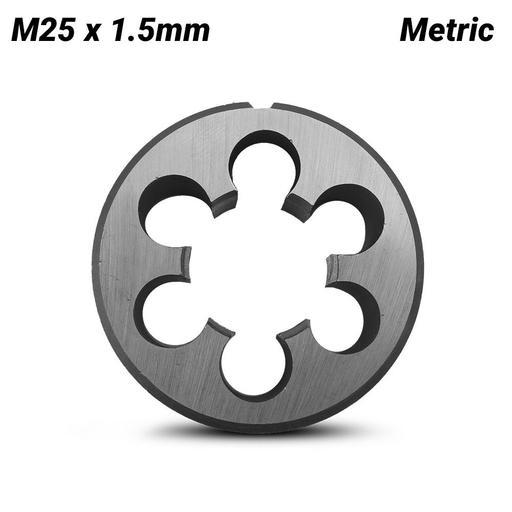
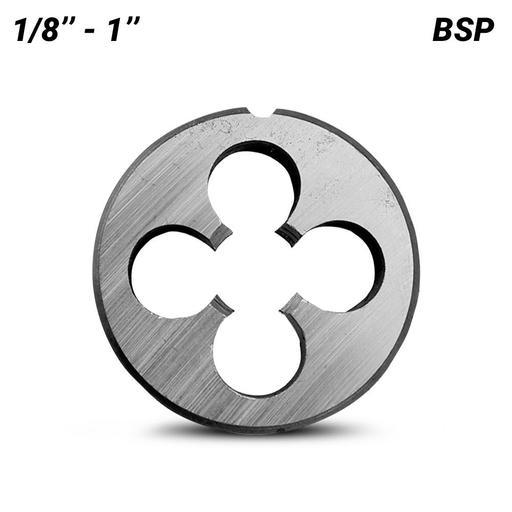
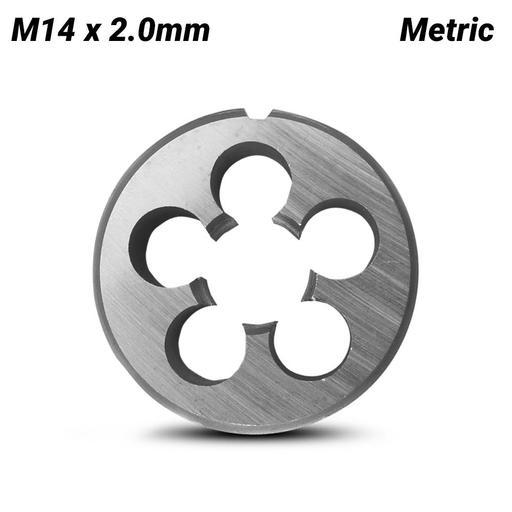
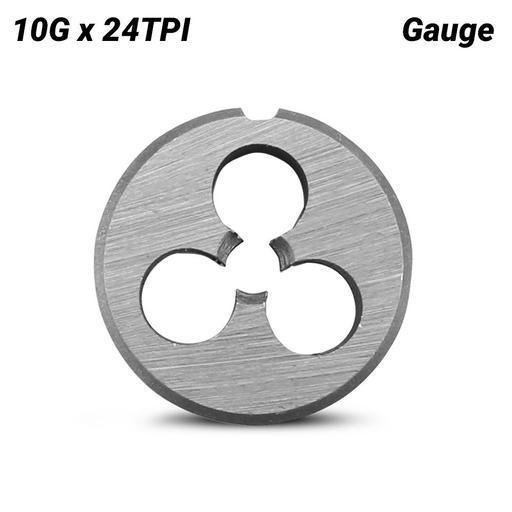
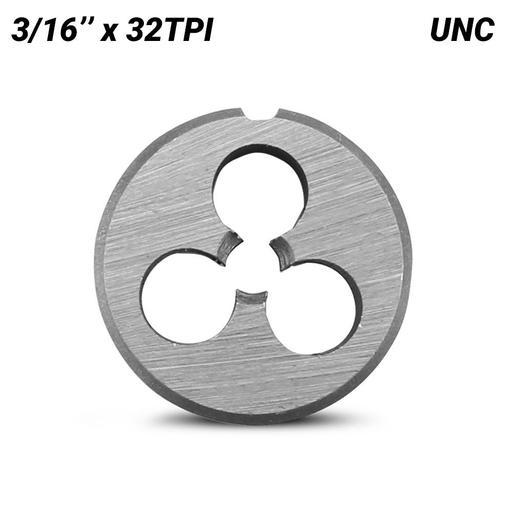
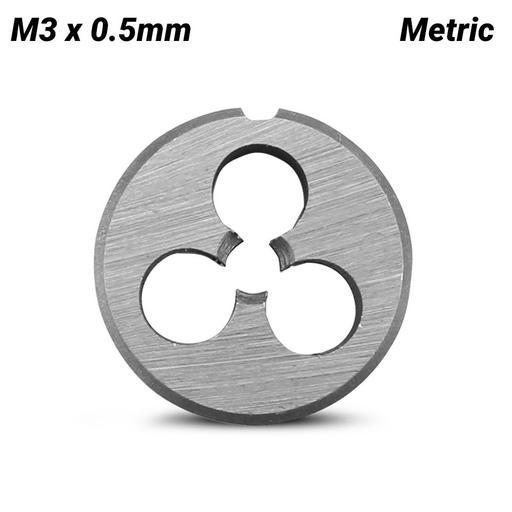
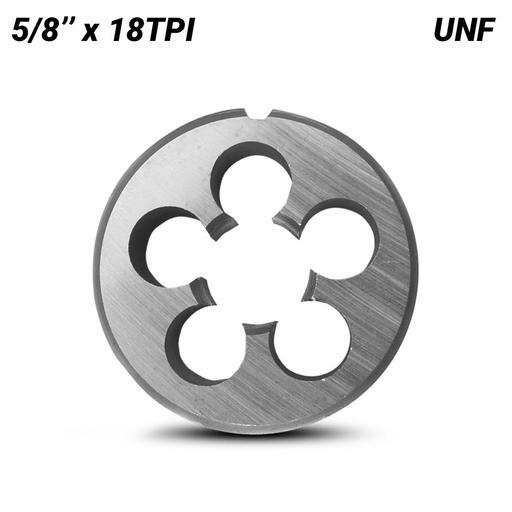
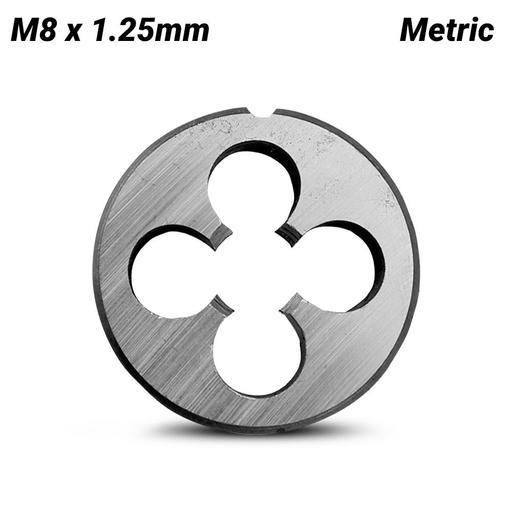
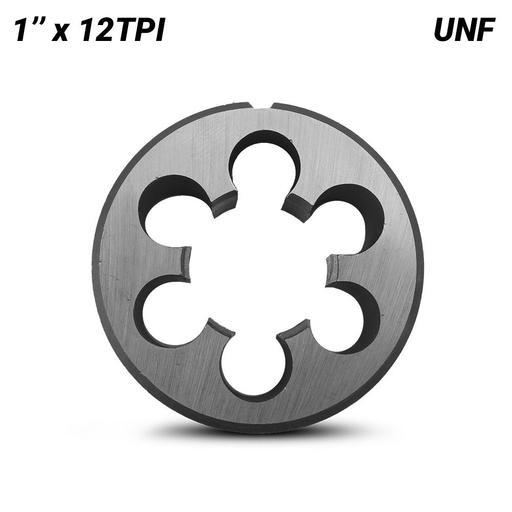
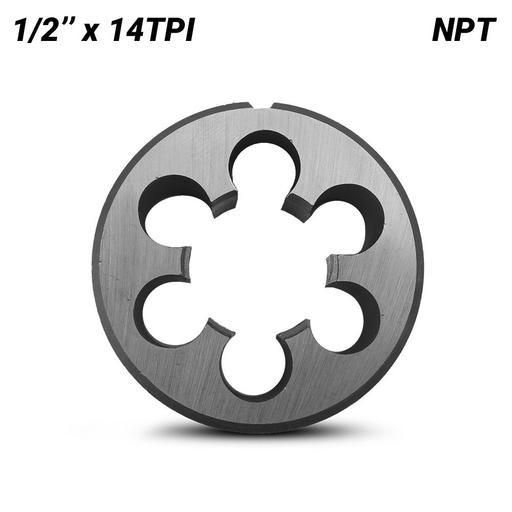
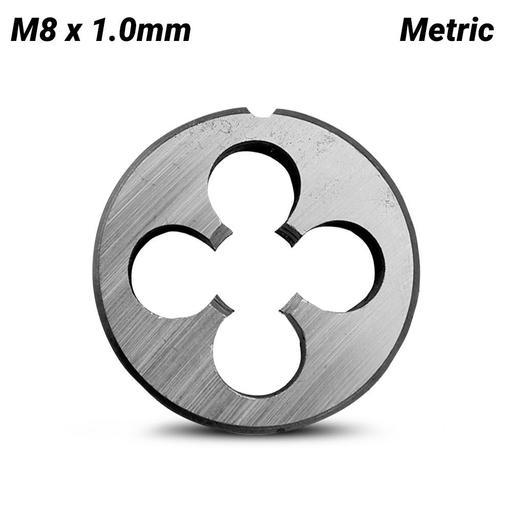
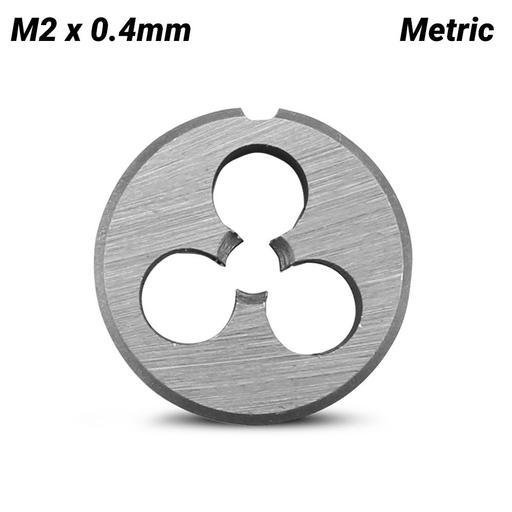
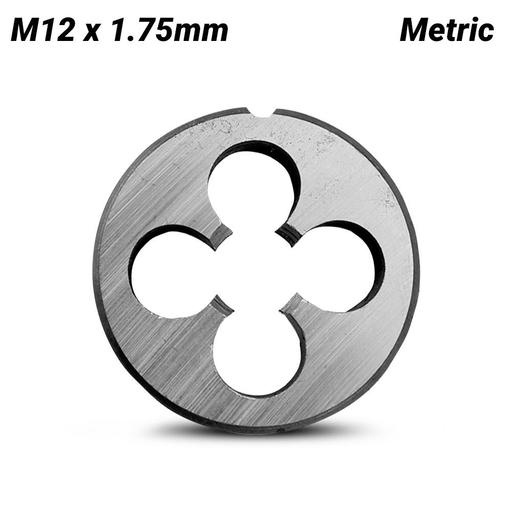
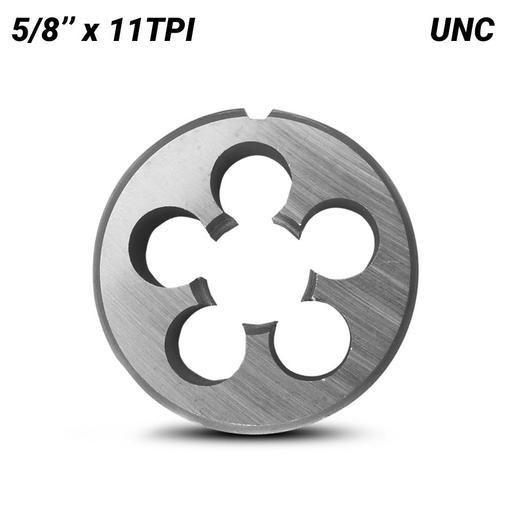
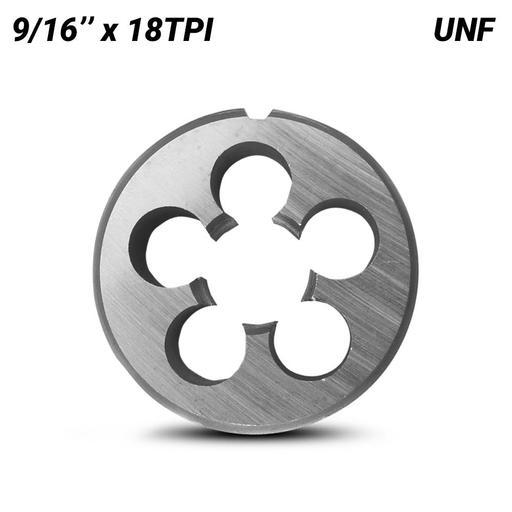
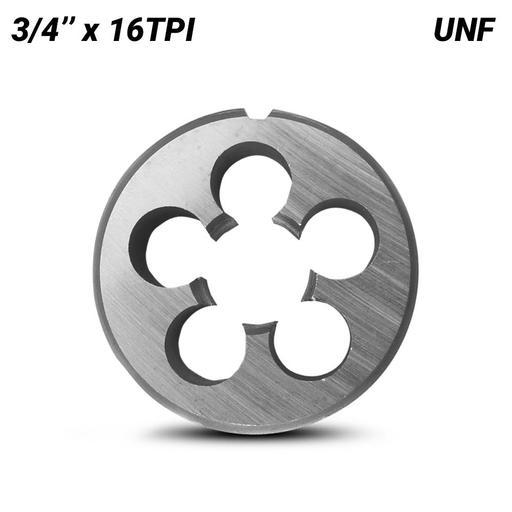
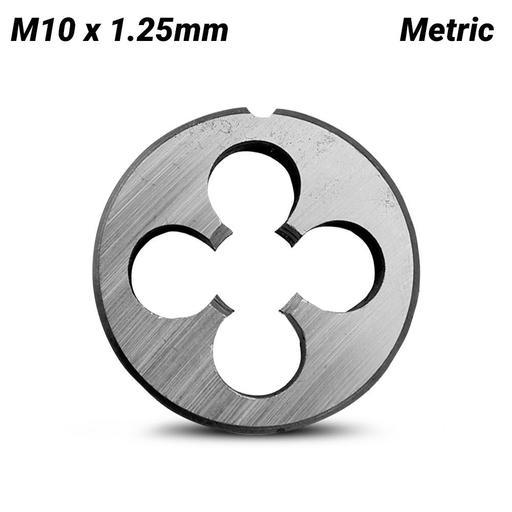
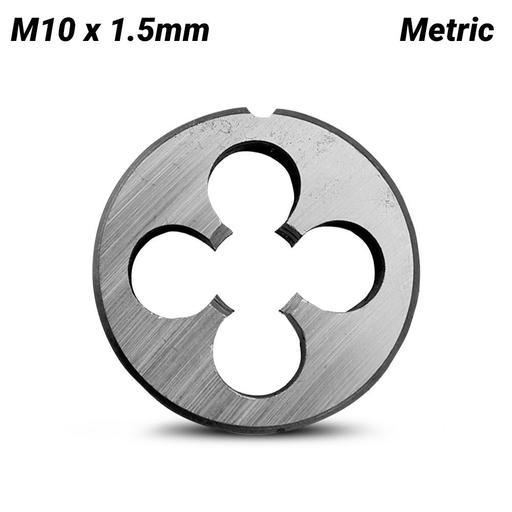
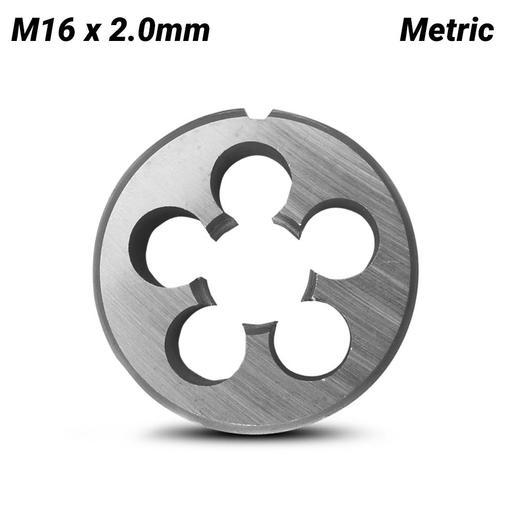
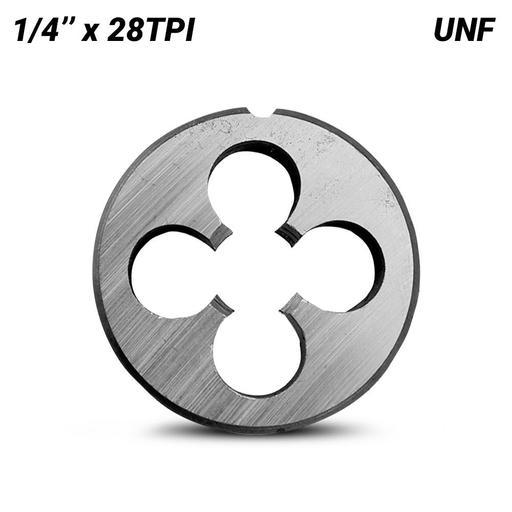
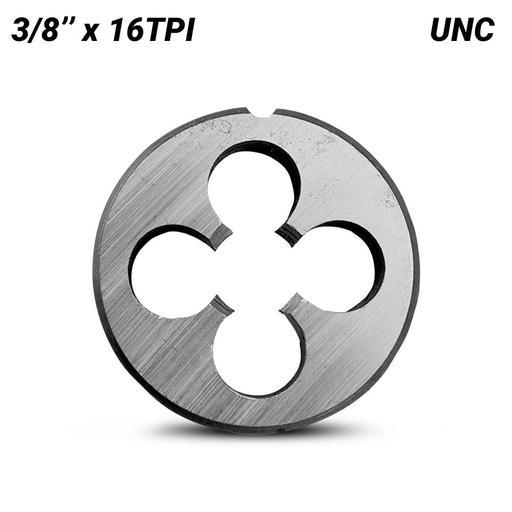
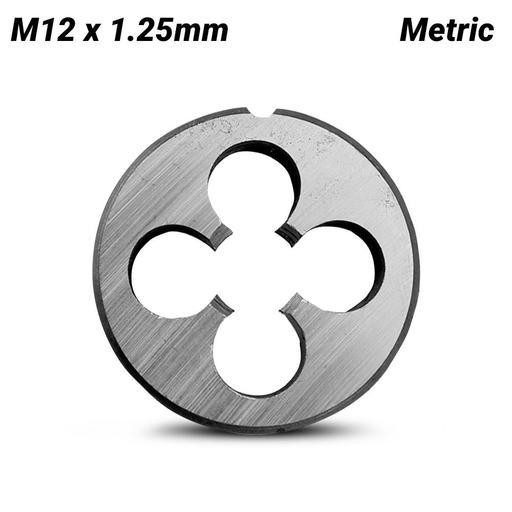
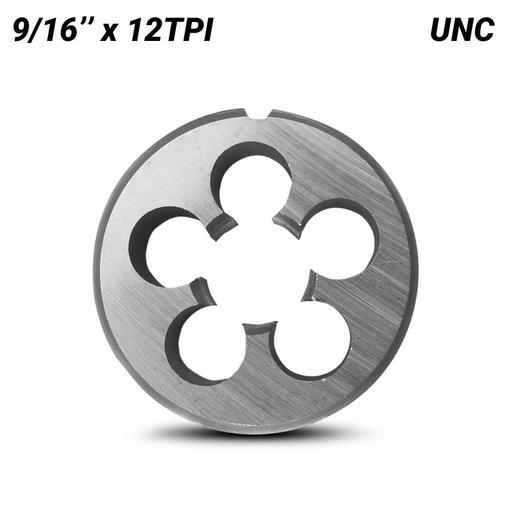
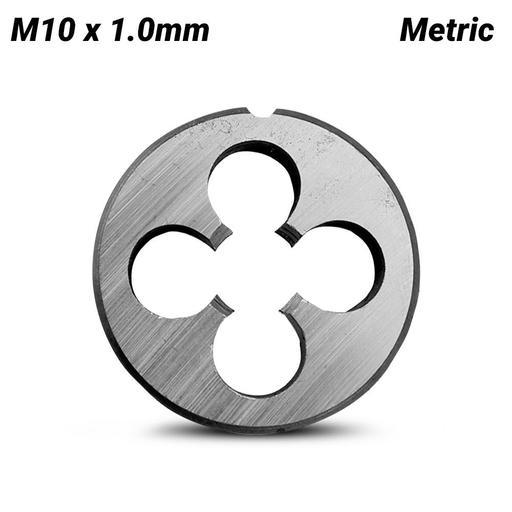
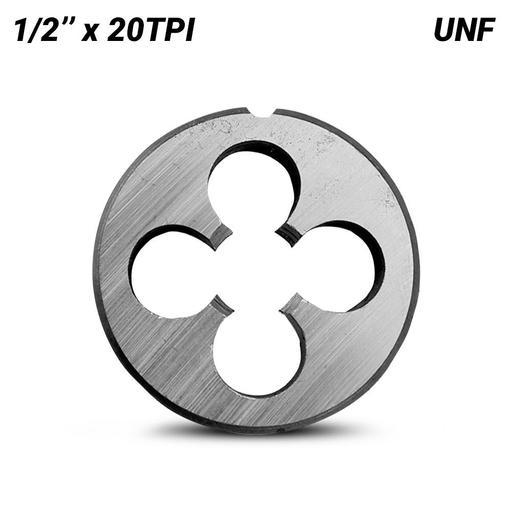
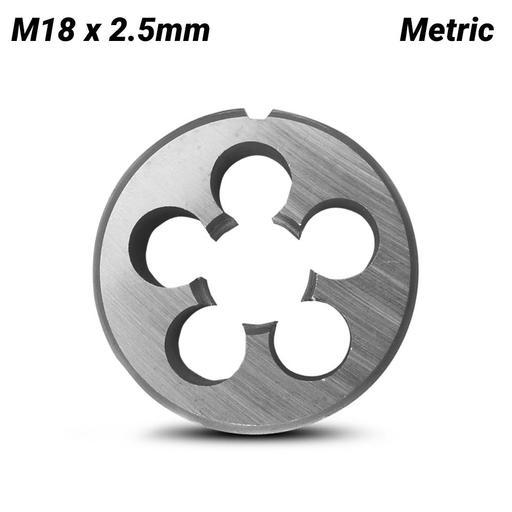
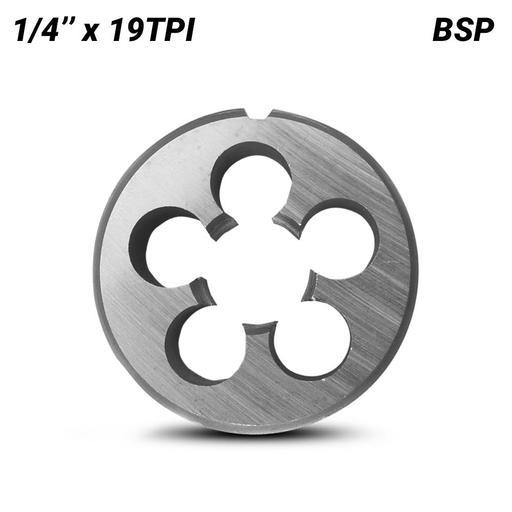
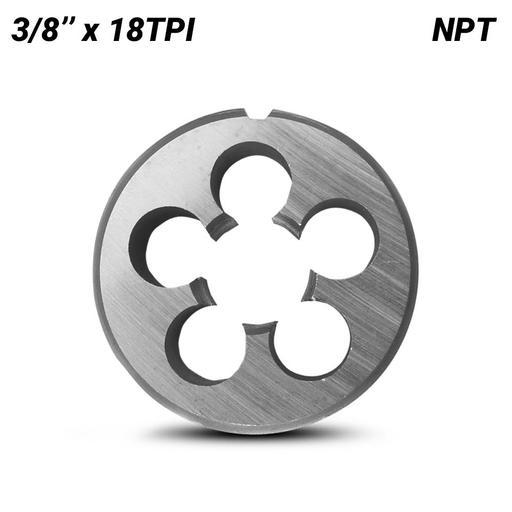
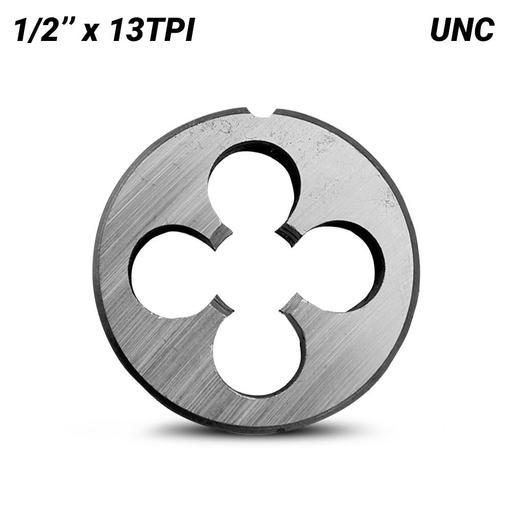
Threading dies are one of those tools you reach for when a damaged thread threatens to slow the whole job down. In automotive and workshop work, a burred or flattened thread can stop a nut from seating or a component from clamping correctly. A quality threading die lets you clean up bolts and studs or cut new external threads so parts go together the way they should.
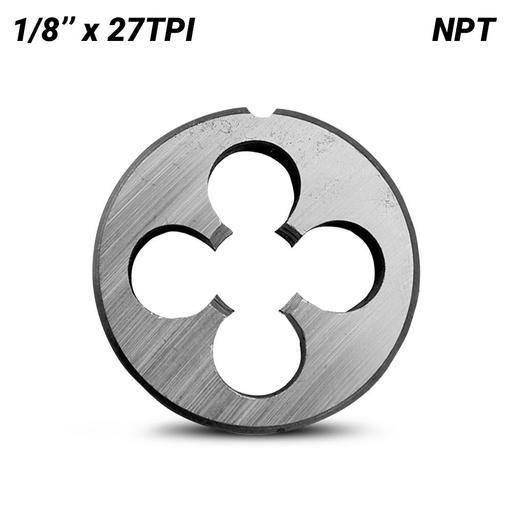
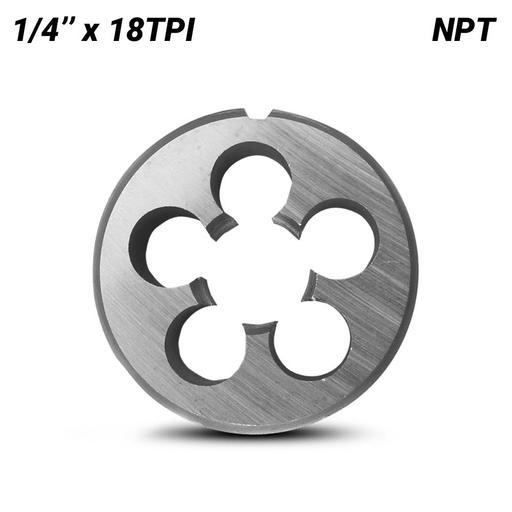
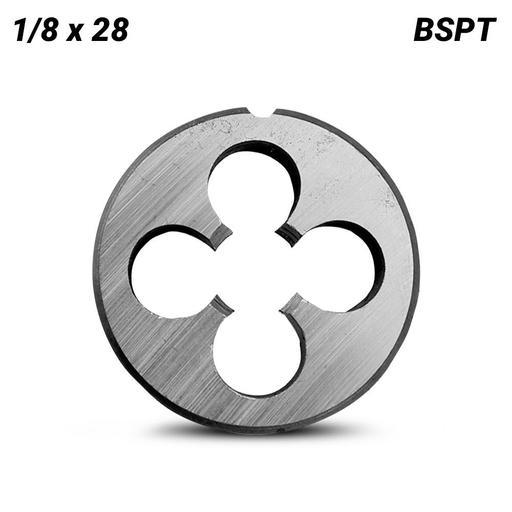
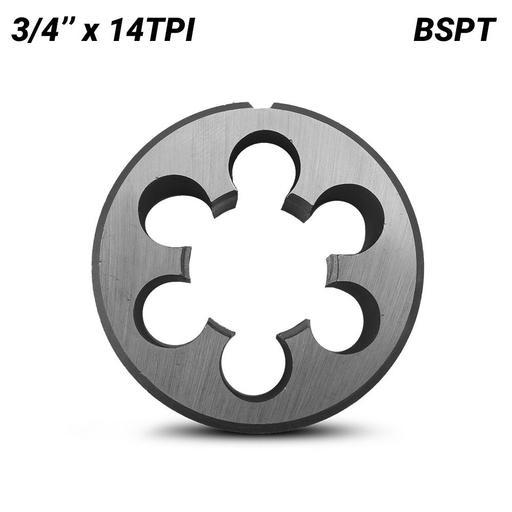
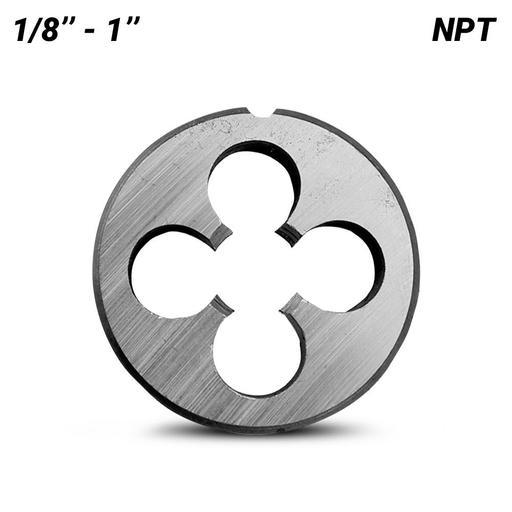
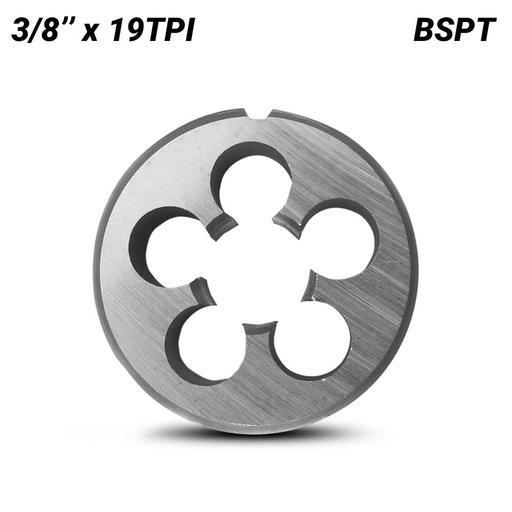
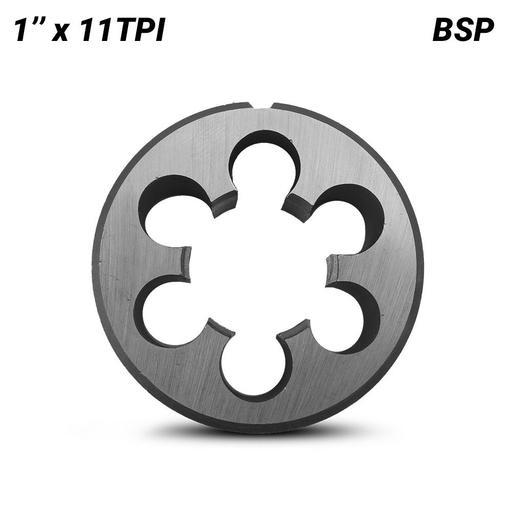
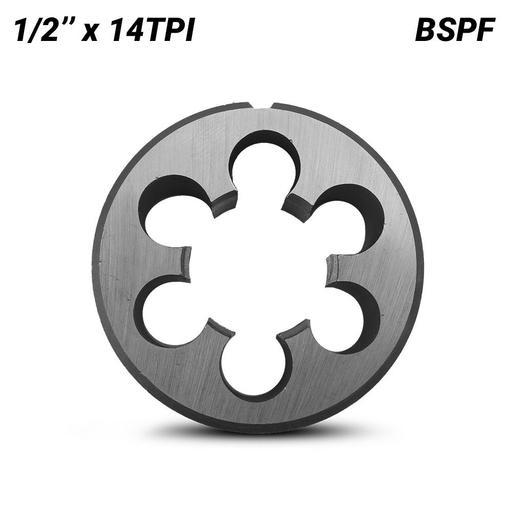
Pipe threading dies are designed for pipe and fitting work. They cut consistent, well-formed threads that suit mechanical and fluid systems. With the right die, the cut feels smooth and controlled, not forced or uneven.
























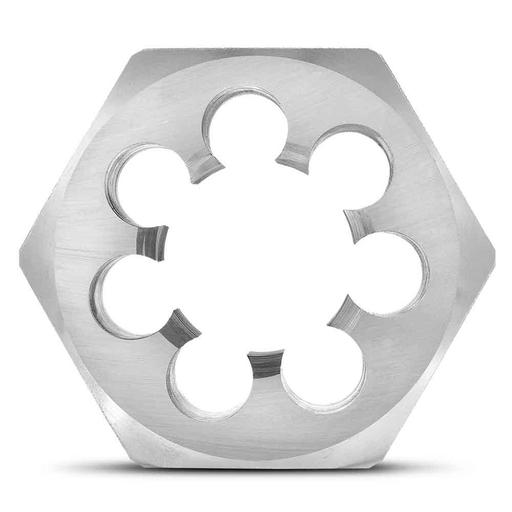
Why Quality Threading Dies Matter
Threads carry load and hold assemblies in place. If the profile is rough or inaccurate, fasteners can bind, loosen, or wear prematurely. Well-made threading dies help produce clean, defined threads that engage properly and hold firm under tension.
In automotive repair and fabrication, restoring a thread can save replacing an entire part. A dependable die supports accurate cutting, better fit, and fewer problems once everything is tightened down.
A suitable threading die helps you:
- Cut clean external threads on bolts and shafts
- Restore damaged or corroded threads
- Maintain correct pitch and thread form
- Improve engagement between mating components
- Support accurate repair and fabrication work
They suit automotive servicing, fabrication tasks, pipe work, and general mechanical maintenance.
Key Design and Functional Features
Fixed and adjustable designs
Fixed dies provide consistent sizing for standard applications. Adjustable dies allow slight variation to fine tune fit when required.
Chamfered entry
A well-shaped lead-in helps the die start square and reduces the chance of cross-threading.
Material composition
Carbon steel suits general workshop use. Alloy dies offer improved wear resistance for repeated cutting.
Clear pitch identification
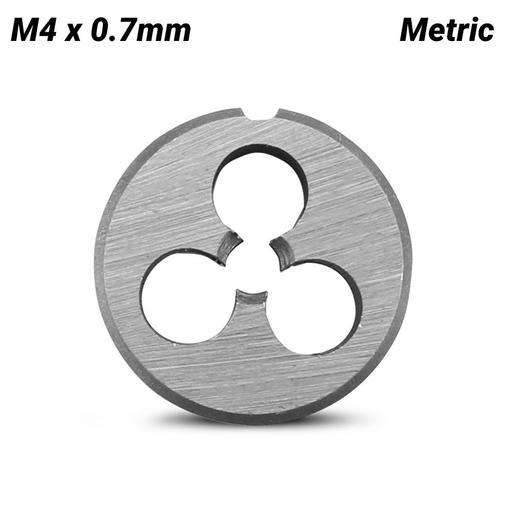
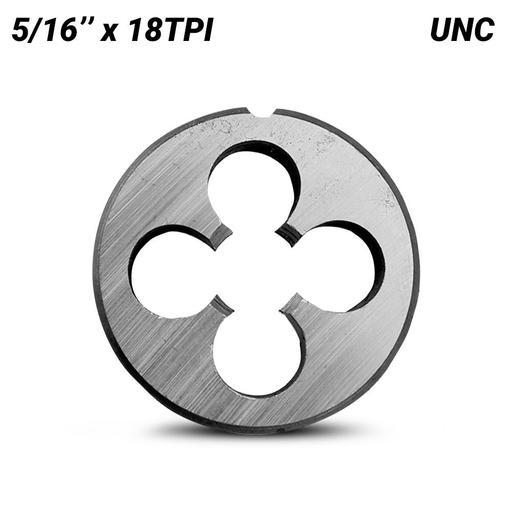
Clearly marked sizes and thread pitches make selection quicker and reduce setup errors.
Precision cutting edges
Sharp, accurately machined teeth improve finish quality and reduce drag during cutting.
Threading dies are commonly used with die holders, tap and die sets, taps, and tap wrenches when working across both external and internal threads.
Safe Use and Ongoing Care Practices
Good technique safeguards the die and the part being threaded.
- Verify size and pitch before beginning
- Square the die to the shaft
- Push evenly with moderate pressure
- Back off frequently to break chips
- Use appropriate cutting lubricant
After using a threading die, clean out metal chips and wipe down the die. Store threading dies in protective cases to avoid nicks and corrosion. Inspect the cutting edges for dullness or chipping before using.
Why Buy Threading Dies from Sydney Tools
Sydney Tools' range of threading dies and pipe threading dies is practical and automotive- and workshop-ready. Labels and quality construction aim to make thread cutting consistent and reliable in a variety of applications.
You'll find:
- A range of threading dies you can rely on
- Variety for both bolt and pipe threading
- Labels that clearly mark size and pitch
- Robust construction for frequent workshop use
- Good prices online and in-store
- Clear advice from experienced team members
Thread cutting with the right die is a controlled, predictable process.
FAQs
What factors determine whether a fixed or adjustable die is best for a specific threading task?
Fixed dies suit standard sizing, while adjustable dies allow small fit adjustments where needed.
How does the chamfer affect the ease of starting a die into a new thread?
Proper chamfering will centre the die onto the shaft and help start the die cutting straight.
Can dies be used on hardened shafts?
Yes, if the proper die material and lubricant are used.
How can you tell if a die's cutting edges are dull or damaged?
Poor thread quality, greater cutting resistance, or visible nicks on the tooth
What's the best approach to minimise or remove thread chip build-up on long threading operations?
Periodically reverse the die to break and clear chips.
Are there differences in performance between carbon and alloy threading dies?
Alloy dies typically have better edge retention with repeated use.
How does the accuracy of the thread pitch influence the fit of nuts and mating parts?
Pitch accuracy is crucial for smooth engagement and even load distribution.
What storage practices best protect dies from nicks and corrosion over time?
Keep them clean, dry, and stored in dedicated cases.
Can dies cut threads on tapered or non-standard shafts effectively?
Specialised dies are required for tapered or non-standard thread forms.
What maintenance practices help extend the usable life of threading dies?
Use lubrication, clear chips regularly, and inspect cutting edges before each use.
Find the Right Threading Dies Today
Restore and cut threads with confidence. Browse the full range of threading dies and pipe threading dies online or visit your nearest Sydney Tools store for practical advice and dependable workshop threading tools.


