
Login
Login
- Popular Categories
- Shop By Brand
- Tool Accessories
- Air Compressor
- Hand Tools
- Laser Levels
- Mechanical Workshop
- Pressure Washers
- Welding
- Chainsaws
- Lawn Mowers
- Whipper Snippers
- Categories
- Adhesives & Sealants
- Air Tools
- Diamond Tools
- Fans
- Fasteners
- Generators
- Ladders
- Lubricants & Chemicals
- Power Garden
- Safety Equipment
- Scaffold
- Silica Dust Solutions
- Storage
- Test - Measure - Locate
- Transportation & Lifting
- Vacuum & Dust Extractors
- Water Pumps
Mechanical Workshop / Grease Guns
A grease gun may be one of the most familiar tools in the workshop, but its role is anything but minor. By pushing grease under pressure, it sends lubricant exactly where it is needed. Bearings, suspension joints, steering components, and other moving parts all rely on proper lubrication to keep friction and wear under control. Used regularly, a grease gun helps parts move freely, cuts down noise, and extends service life well beyond what dry or neglected components can manage.
Most workshops quickly find that a single grease injector does not suit every task. Manual lever and pistol-grip grease guns remain reliable go-to options for everyday servicing and quick jobs. Pneumatic and battery-powered models step in when there are multiple grease points to cover, stubborn fittings to deal with, or awkward access where steady pressure saves time and effort. Whether you are greasing one joint or working through a full service, the right grease gun kit makes the job cleaner, easier, and far more consistent.
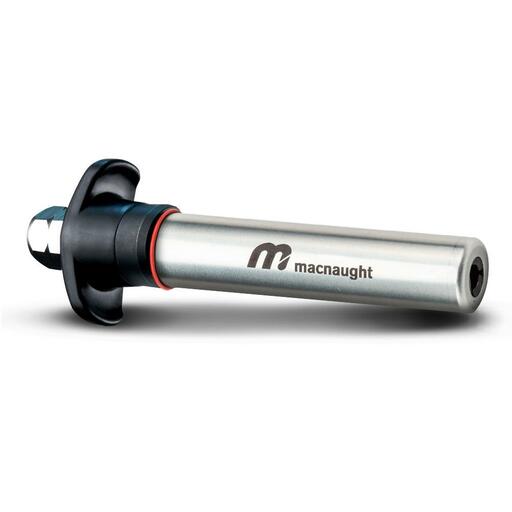
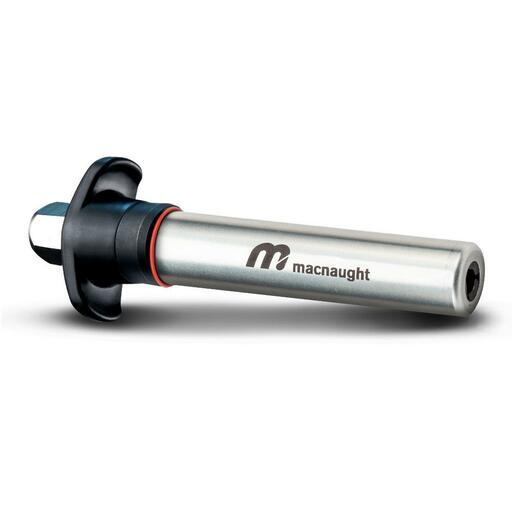


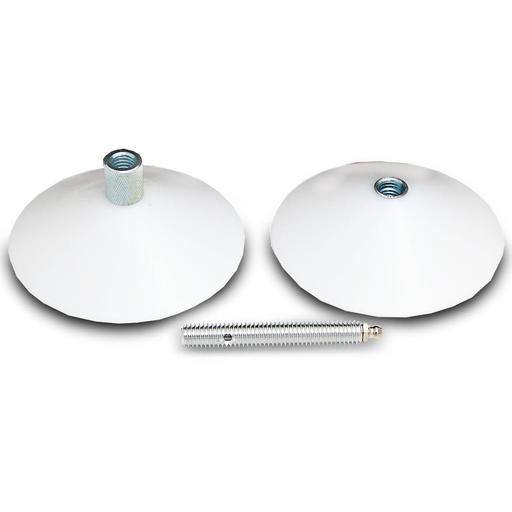
Why the Right Grease Gun Matters
Lubrication only does its job when grease reaches the right place in the right way. A poorly matched grease gun can quickly turn a simple task into a messy and frustrating one, with uneven delivery, missed grease nipples, or seals pushed past their limits. A well-chosen grease gun applies grease smoothly and predictably, helping components move as they should.
The right tool also reduces fatigue and downtime. A quality grease gun maintains steady pressure, feels better in the hand, and lets you move efficiently from one fitting to the next without constant reprime or blocked couplers. That reliability supports preventative maintenance routines and helps avoid early wear in suspension, driveline, and steering systems.
A suitable grease gun helps you:
- Apply grease accurately and consistently
- Reduce friction and component wear
- Reach awkward or recessed grease nipples
- Speed up routine servicing
- Keep components running smoothly and quietly
They suit home garages, mobile servicing, and professional workshops where lubrication is part of everyday maintenance.
Key Features and Specifications to Consider
Grease compatibility
Most grease guns accept standard cartridges, bulk fill, or both. The right choice depends on how often you lubricate and whether you use more than one grease type.
Pressure capability
Higher pressure helps push grease into tight or partially blocked fittings. This is especially useful on older vehicles or heavier components.
Hose or extension length
Flexible hoses make it easier to reach suspension and steering points tucked behind other parts. Rigid extensions offer better control where fittings are open and easy to access.
Delivery mechanism
Manual grease guns are simple, reliable, and well suited to general servicing. Pneumatic and battery-powered options deliver consistent flow with less effort, making them ideal for frequent or high-volume lubrication work.
Ergonomics
Comfortable grips and smooth triggers matter more than you might expect, especially during longer lubrication jobs.
Build quality
Solid metal construction, reliable seals, and quality internals help a grease gun stand up to regular workshop use.
Coupler design
A secure coupler reduces grease loss and mess. Locking or quick-release couplers give better control on stubborn fittings.
Air-bleed and priming
Easy priming and air-bleed valves help keep grease flowing smoothly after cartridge changes.
Grease gun setups often work best alongside accessories such as grease gun nipple set, oil/grease hoses & reels for cleaner storage, or an oil transfer syringe for small or precise lubrication jobs.
Safe Use and Maintenance Advice
Good lubrication is as much about habits as it is about tools. Taking a few extra moments before and after greasing helps keep things clean and prevents problems down the track.
Before connecting the grease gun, wipe the grease fitting clean so dirt is not pushed into the component. Use the correct grease for each bearing or joint, and apply it slowly rather than forcing it in. As resistance builds or fresh grease appears, that is your cue to stop. Over-greasing can do more harm than good, especially to seals.
Once the job is done, wipe the nozzle and coupler clean and store the grease gun in a dry, tidy spot. Check hoses and couplers from time to time for leaks or wear. If you switch between different grease types, purge the old grease properly to avoid contamination or compatibility issues later on.
Why Buy Grease Guns from Sydney Tools
Sydney Tools stocks grease guns to suit everything from occasional automotive maintenance through to demanding, day-in-day-out workshop use. Clear product information makes it easier to compare manual, pneumatic, and automatic grease gun options without guessing how they will perform on the job.
You can expect:
- A wide range of grease guns and grease gun kits
- Manual, pneumatic, and battery-powered options
- Durable construction built for workshop conditions
- Compatible accessories and replacement parts
- Competitive pricing online and in store
- Practical advice from experienced staff
Whether you are looking after a single vehicle or keeping a workshop running smoothly, the right grease injector makes lubrication simpler, cleaner, and far more reliable.
FAQs
Which grease gun type suits routine automotive lubrication jobs?
Manual lever or pistol-grip grease guns handle most standard servicing tasks.
How do I choose the correct grease for different components?
Always follow manufacturer recommendations for bearings, joints, and suspension points.
Are flexible hoses better than rigid extensions?
Flexible hoses suit tight or awkward access. Rigid extensions work best where fittings are easy to reach.
How can I avoid over-greasing seals?
Apply grease slowly and stop once resistance increases or fresh grease appears.
Should pressure be released after use?
Yes. Releasing pressure helps protect seals and hoses during storage.
Can one grease gun handle multiple grease types?
Yes, but only if it is thoroughly purged between grease changes.
How do I prevent contamination when changing cartridges?
Clean the gun and coupler before installing a new cartridge.
How often should grease guns be inspected?
Check hoses, seals, and couplers regularly, especially in busy workshops.
Are pistol-grip grease guns better for precision work?
They offer good control and are often preferred for lighter or more precise lubrication.
When is an automatic grease gun worth considering?
For frequent servicing, hard-to-reach fittings, or reduced hand fatigue, powered models save time and effort.
Find the Right Grease Gun Today
Protect moving parts and keep maintenance on track. Browse the full range of grease guns online or visit your nearest Sydney Tools store for practical advice and reliable workshop lubrication solutions.


