
Login
Login
- Popular Categories
- Shop By Brand
- Tool Accessories
- Air Compressor
- Hand Tools
- Laser Levels
- Mechanical Workshop
- Pressure Washers
- Welding
- Chainsaws
- Lawn Mowers
- Whipper Snippers
- Categories
- Adhesives & Sealants
- Air Tools
- Diamond Tools
- Fans
- Fasteners
- Generators
- Ladders
- Lubricants & Chemicals
- Power Garden
- Safety Equipment
- Scaffold
- Silica Dust Solutions
- Storage
- Test - Measure - Locate
- Transportation & Lifting
- Vacuum & Dust Extractors
- Water Pumps
Mechanical Workshop / Fuel Line Disconnection Tools
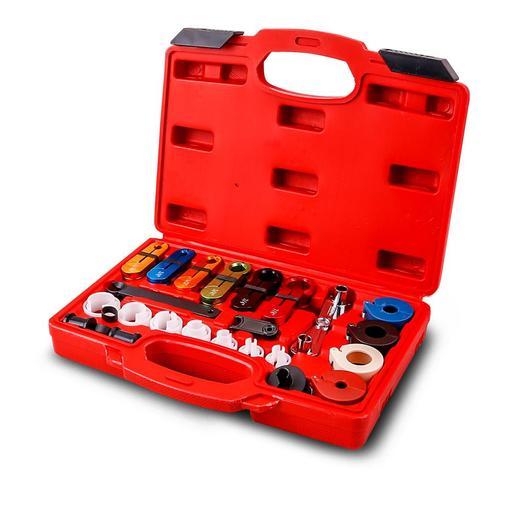
A fuel line disconnect tool is one of those tools that quickly proves its value once you have used it properly. Modern vehicles rely on quick-connect and snap-on fuel fittings that are designed to stay sealed under pressure. They are not meant to be pried apart by hand or levered with screwdrivers. A proper fuel line removal tool is made to release those locking tabs cleanly, so fittings separate without damage or unnecessary force.
Fuel systems are often tucked into tight engine bays, surrounded by wiring, sensors, and plastic components that do not cope well with rough handling. Using the right fuel line tool takes the uncertainty out of the job. It allows fuel hoses, rails, and return lines to come apart smoothly, helping avoid broken clips, cracked fittings, or leaks that only show up after everything is back together. Whether it is routine servicing or a deeper fuel-system repair, the correct tool keeps the process safer, calmer, and far more predictable.






Why Choosing the Right Fuel-Line Tool Matters
Fuel-line connectors rely on small locking mechanisms to stay sealed while the system is pressurised. Trying to release them without the correct tool often leads to bent retainers, damaged plastic housings, or compromised sealing surfaces. A proper fuel line disconnect tool engages those locks the way they were designed to be released, allowing the line to come free without stress or distortion.
The right tool also makes the job less tiring and far less frustrating. Instead of wrestling with stubborn connectors or risking fuel spray, pressure is applied exactly where it needs to be, with minimal effort. That helps preserve the integrity of the fuel system and reduces the risk of leaks once everything is reassembled.
A quality fuel line tool helps you:
- Release connectors cleanly and safely
- Protect plastic clips and fuel-rail fittings
- Reduce fuel leaks and repeat work
- Work more confidently in tight engine bays
- Maintain long-term fuel-system reliability
They are equally useful for DIY servicing, mobile repairs, and professional workshops where fuel safety matters every time the bonnet is open.
Key Features and Specifications to Evaluate
Fitment size and compatibility
Fuel lines vary in diameter and connector style. Choosing tools that match common fuel-line fittings across different vehicle makes ensures a proper fit and cleaner release.
Tool design
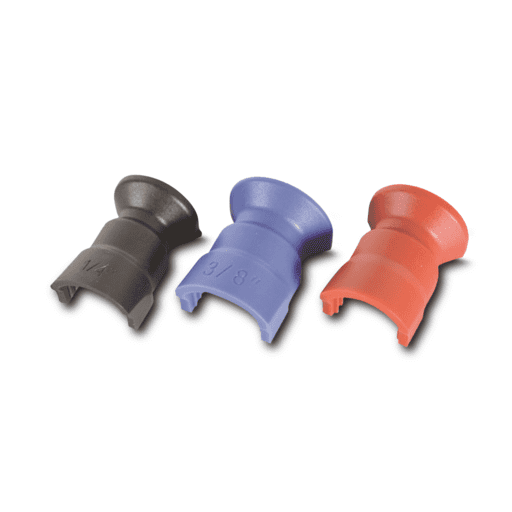
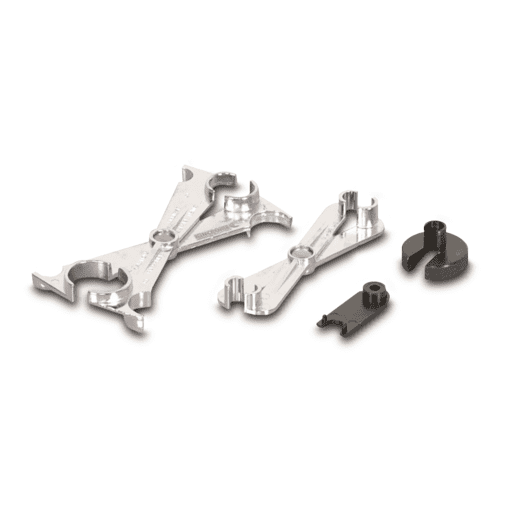
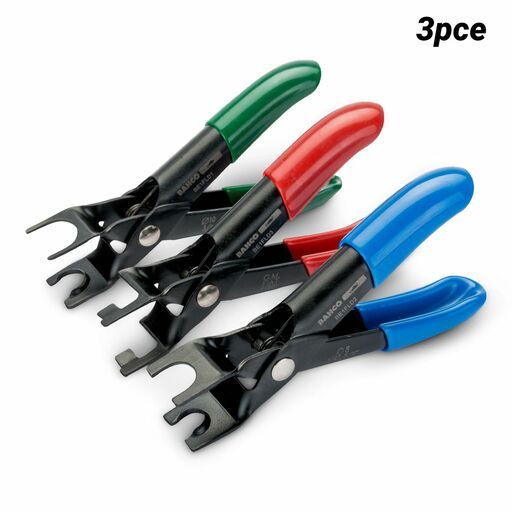
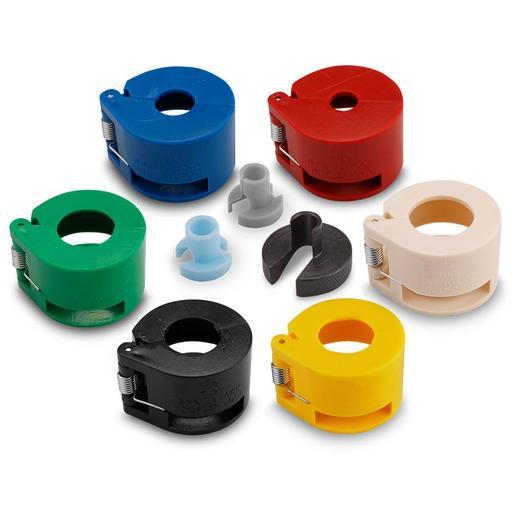
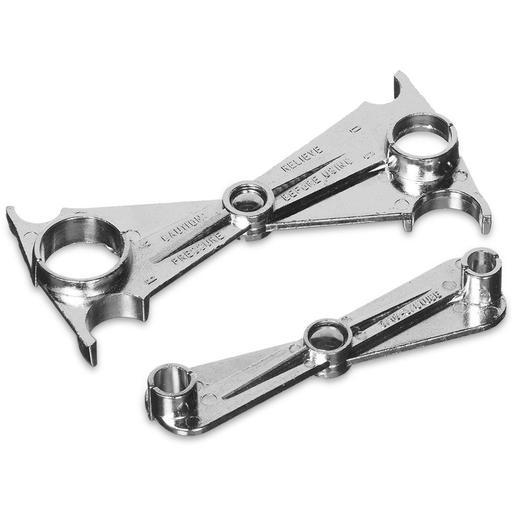
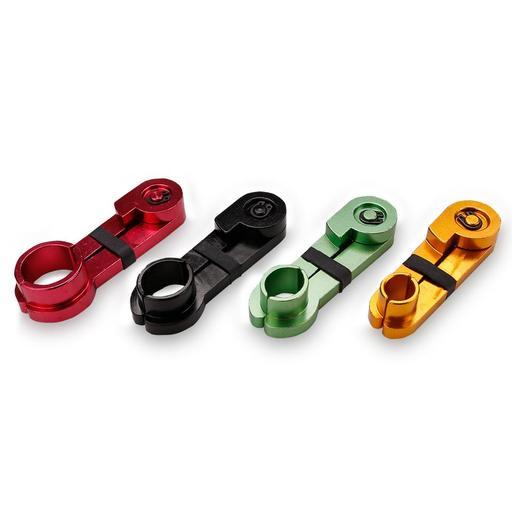
Slotted sleeves, ring styles, fork tools, and wedge designs all serve different connector layouts. The right shape makes access easier and reduces the risk of slipping.
Material choice
Plastic or nylon tools are ideal for protecting delicate fittings and painted surfaces. Steel tools offer durability for stubborn connectors or repeated workshop use.
Grip and control
Well-shaped tools give better feel and control, especially when working in tight spaces or with oily hands.
Access profile
Low-profile designs help reach connectors buried near firewalls, under intakes, or behind engine components.
Multi-size kits
Kits with several sizes reduce tool swapping and are practical when working on different vehicles throughout the day.
Fuel-system work often overlaps with other maintenance tasks using tools like filter wrenches, pipe & filter pliers, or oil transfer pumps, so having the right supporting tools on hand helps keep the job moving smoothly.
Safe Use and Best-Practice Guidelines
Fuel systems always deserve a careful approach.
- Relieve fuel-system pressure before disconnecting any lines
- Disconnect the battery to reduce ignition risk
- Wear gloves and eye protection
- Work in a well-ventilated area
- Place a drip tray or absorbent mat beneath the connection
- Select the correct tool size for the fitting
- Apply gentle, controlled pressure to release the connector
Once the line is removed, inspect clips, seals, and fittings for damage. Replace worn retainers or O-rings where needed. Clean up any spilled fuel straight away. Store fuel-line tools clean and dry, and check them regularly for wear or distortion before reuse.
Why Buy Fuel-Line Disconnection Tools from Sydney Tools
Sydney Tools stocks fuel-line disconnection tools chosen with real servicing conditions in mind. The range covers common fuel-line sizes and connector styles found on modern vehicles, with clear compatibility information to help you choose the right tool without trial and error.
You can expect:
- A practical range of fuel line disconnect tools
- Multi-size kits for broader vehicle coverage
- Designs suited to tight engine-bay access
- Competitive pricing online and in store
- Straightforward advice from experienced staff
- Reliable availability across Australia
Whether it is a one-off repair or regular fuel-system work, the right fuel line removal tool makes the job cleaner, safer, and far less frustrating.
FAQs
What tool shape works best when fittings sit close to other components?
Low-profile or slotted sleeve tools usually offer the best access in tight spaces.
Can these tools reduce hand strain during repeated removals?
Yes. Proper engagement means less force and fewer awkward hand positions.
How do I avoid scratching fuel-rail surfaces?
Use plastic or nylon tools and apply steady, controlled pressure.
Are colour-coded tools useful on multi-size fuel systems?
They help identify sizes quickly when working across different connectors.
What if a connector feels loose after refitting?
Inspect the clip or seal and replace damaged retainers before driving.
How do I know when a tool is worn?
Loss of grip, rounded edges, or flex under pressure indicate it is time to replace it.
Are compact tools better for firewall access?
Yes. Slim, low-profile tools work better in confined rear-engine areas.
How should I check for leaks after reconnecting lines?
Cycle the ignition, inspect visually, and monitor for fuel odour or seepage.
Do different brands use different connector styles?
Yes. Multi-tool kits cover the widest range of designs.
Can these tools be used on EVAP or heater quick-connect lines?
Often yes, but always confirm compatibility with the fitting type.
Find the Right Fuel Line Tool Today
Work safely and confidently around fuel systems with tools designed for the job. Browse the full range of fuel-line disconnection tools online or visit your nearest Sydney Tools store for practical advice and dependable workshop solutions.


