
Login
Login
- Popular Categories
- Shop By Brand
- Tool Accessories
- Air Compressor
- Hand Tools
- Laser Levels
- Mechanical Workshop
- Pressure Washers
- Welding
- Chainsaws
- Lawn Mowers
- Whipper Snippers
- Categories
- Adhesives & Sealants
- Air Tools
- Diamond Tools
- Fans
- Fasteners
- Generators
- Ladders
- Lubricants & Chemicals
- Power Garden
- Safety Equipment
- Scaffold
- Silica Dust Solutions
- Storage
- Test - Measure - Locate
- Transportation & Lifting
- Vacuum & Dust Extractors
- Water Pumps
Mechanical Workshop / Diagnostic Tools
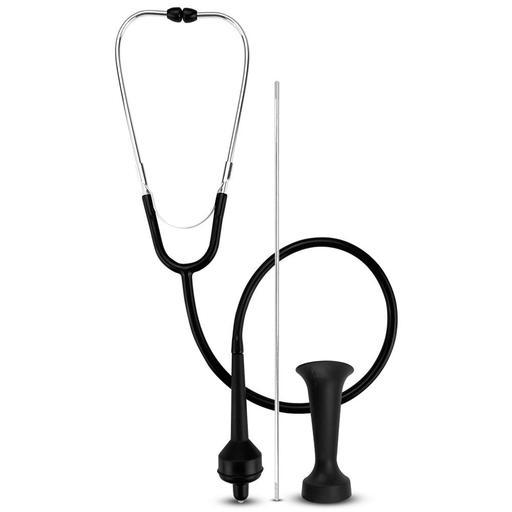
Diagnostic Tools – Precision Testing for Automotive & Mechanical Systems
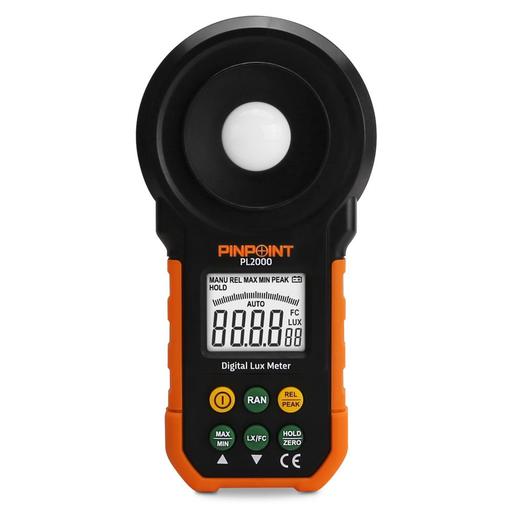
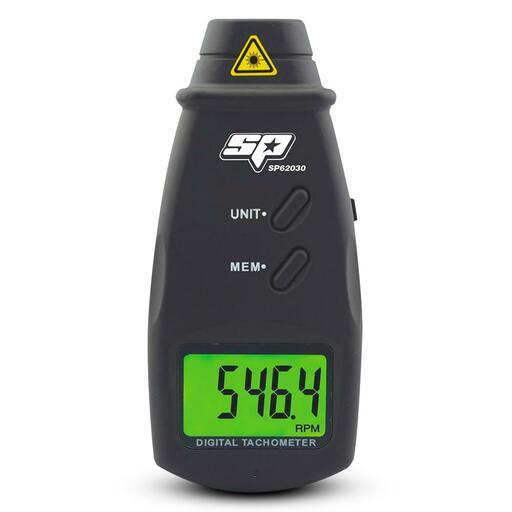
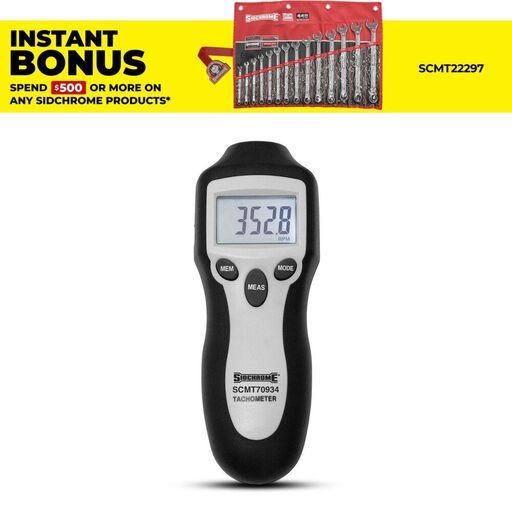
Modern vehicles and machinery require accurate diagnostics to identify faults and optimise performance. Diagnostic tools help mechanics, auto electricians, and DIY enthusiasts quickly detect issues in engines, electrical systems, and onboard electronics. Sydney Tools stocks a wide range of diagnostic tools designed for professional and personal use, ensuring precision and efficiency.



































Why Choose Diagnostic Tools?
Having the right diagnostic tool allows for faster troubleshooting and repairs, reducing downtime and preventing costly issues. Key benefits include:
- Quick & Accurate Fault Detection – Identifies engine, electrical, and system errors efficiently.
- Enhanced Vehicle Performance – Helps monitor and optimise fuel efficiency, emissions, and engine health.
- Cost Savings – Reduces reliance on workshops for minor diagnostics and repairs.
- User-Friendly Operation – Many tools feature digital displays and easy-to-use interfaces.
- Versatile Applications – Suitable for cars, trucks, motorcycles, and heavy-duty machinery.
Types of Diagnostic Tools Available
Choosing the right diagnostic tool depends on the vehicle type, system requirements, and level of detail needed.
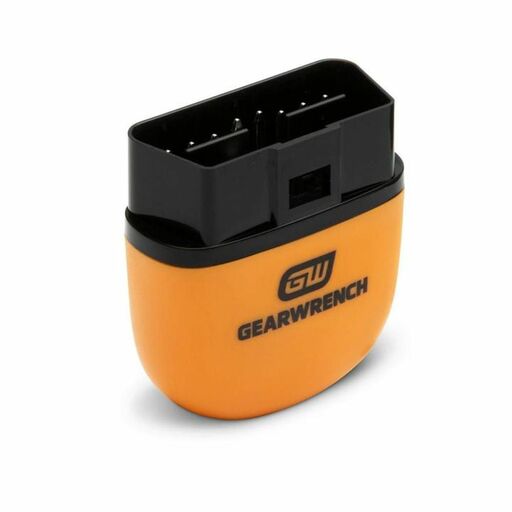
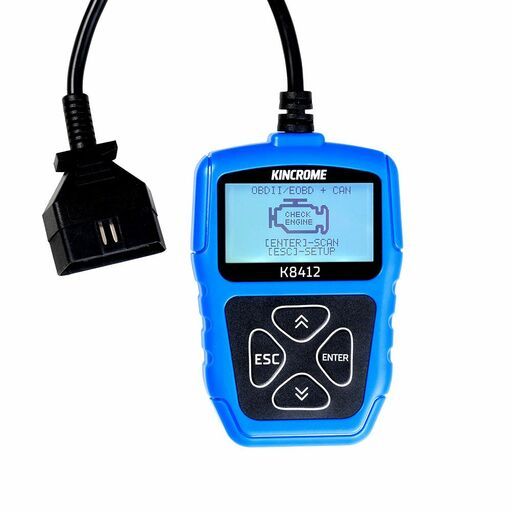
1. OBD2 Scan Tools & Code Readers
- Best for: Identifying engine faults and error codes
- Ideal for: Checking vehicle health, emissions, and real-time data
- Pros: Plug-and-play functionality, works with most modern vehicles
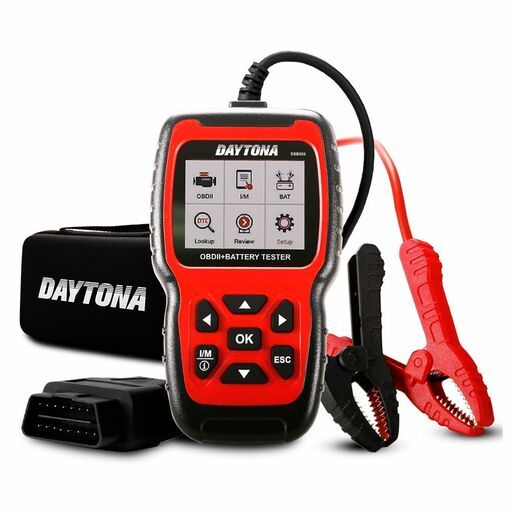
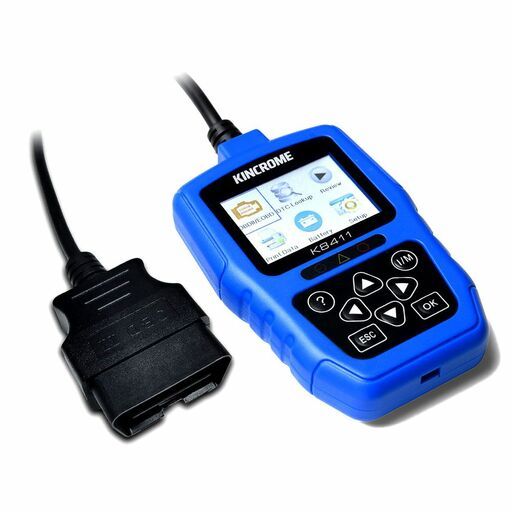
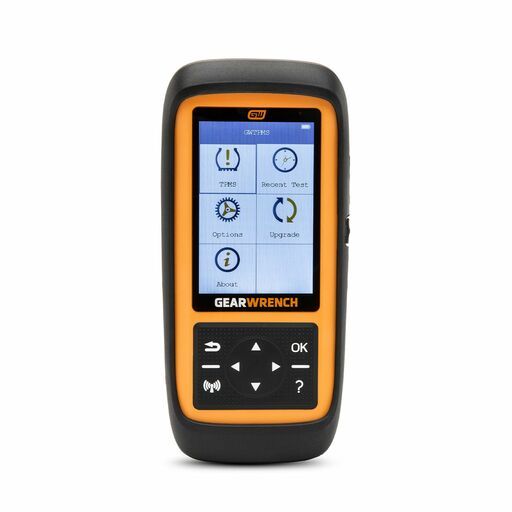
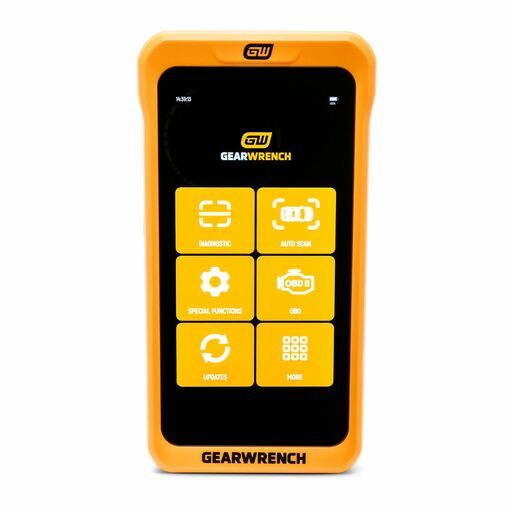
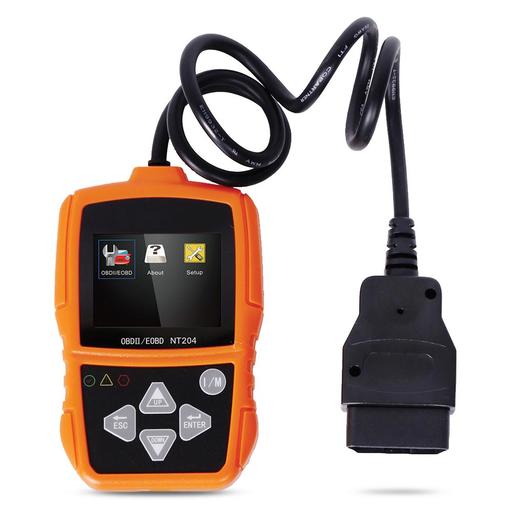
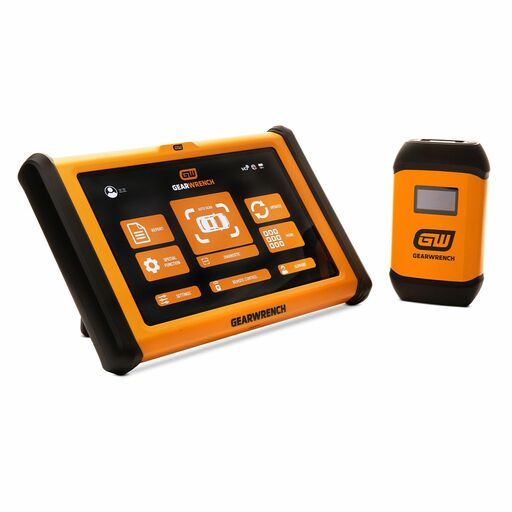
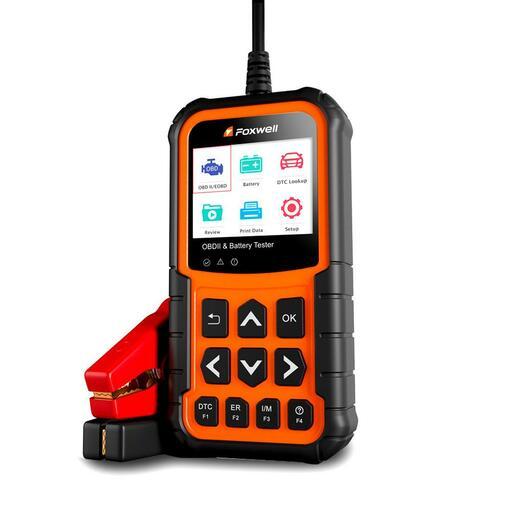
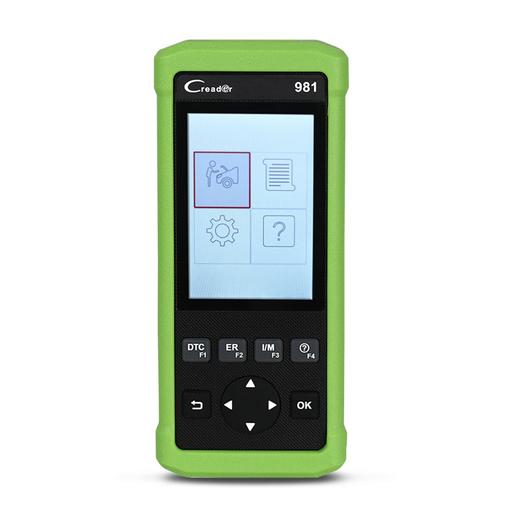
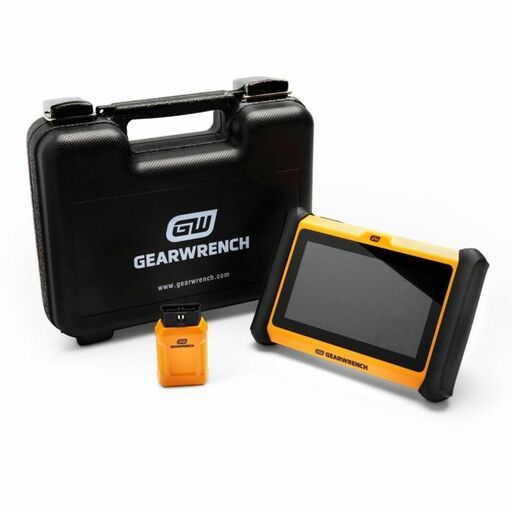
OBD2 (On-Board Diagnostics) scanners read fault codes from a vehicle’s onboard computer, making them essential for diagnosing check engine lights and system errors.
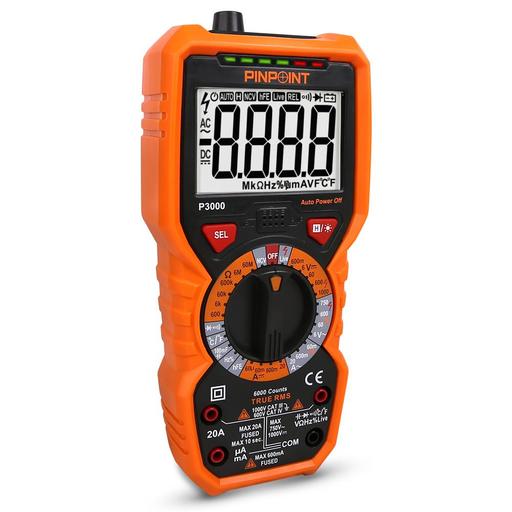
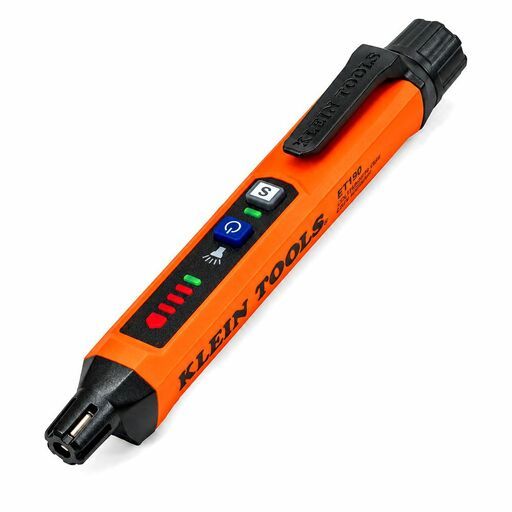
2. Multimeters & Circuit Testers
- Best for: Electrical troubleshooting and voltage testing
- Ideal for: Checking battery health, alternator output, and wiring issues
- Pros: Measures voltage, resistance, and continuity for accurate diagnostics
Multimeters and circuit testers are must-have tools for auto electricians and mechanics working with electrical circuits.
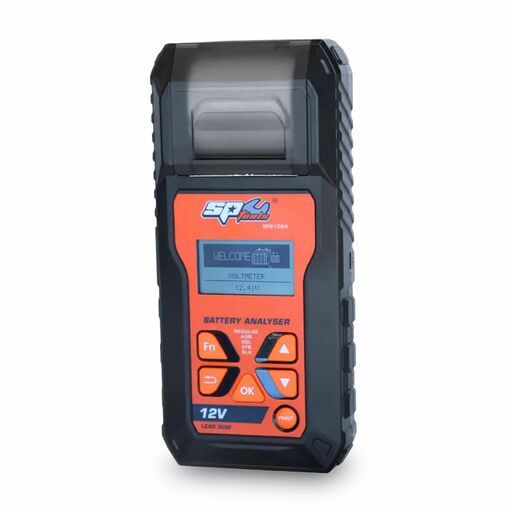
3. Battery Testers & Jump Starters
- Best for: Assessing battery condition and starting dead vehicles
- Ideal for: Mechanics, roadside assistance, and fleet maintenance
- Pros: Prevents unexpected battery failures, compact and portable
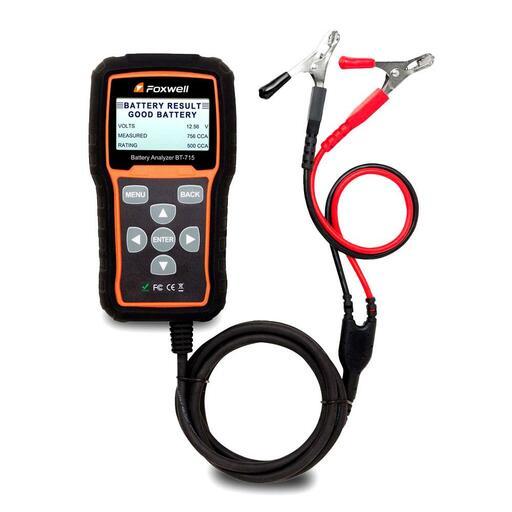
Battery testers provide insights into a battery’s charge level and condition, while jump starters offer a quick solution for dead batteries.
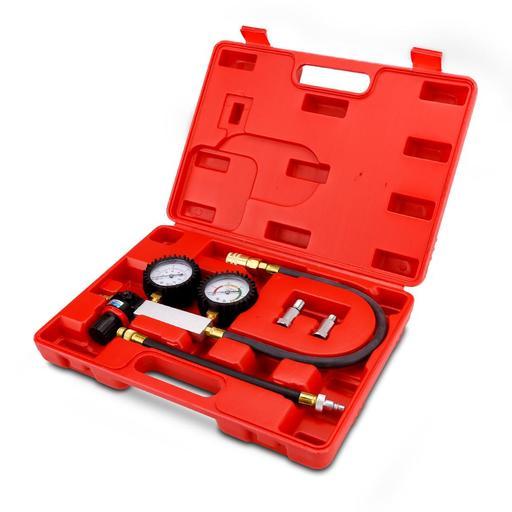
4. Diesel & Petrol Engine Diagnostic Kits
- Best for: Advanced testing of fuel injectors, compression levels, and engine performance
- Ideal for: Professional workshops, fleet maintenance, and heavy-duty vehicles
- Pros: Helps detect internal engine issues before they become major problems
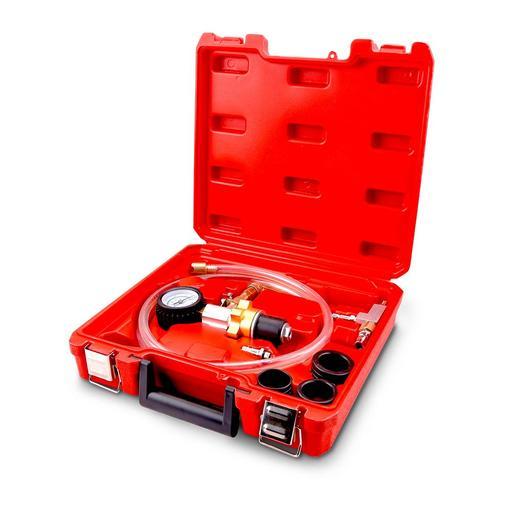
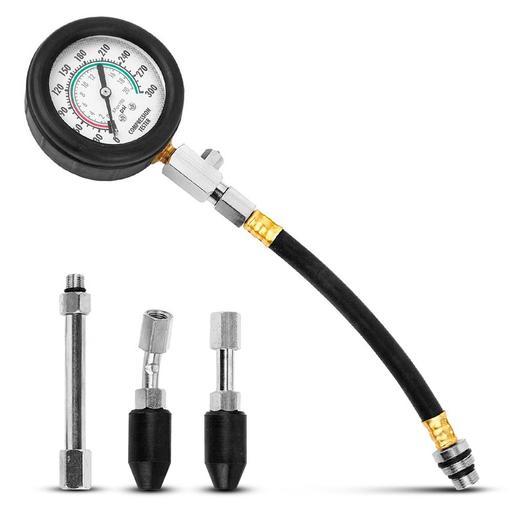
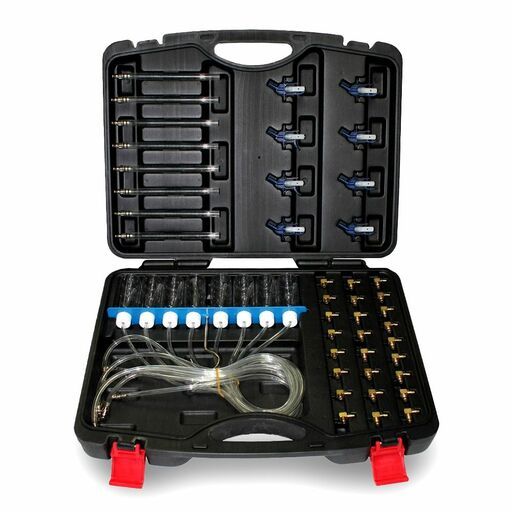
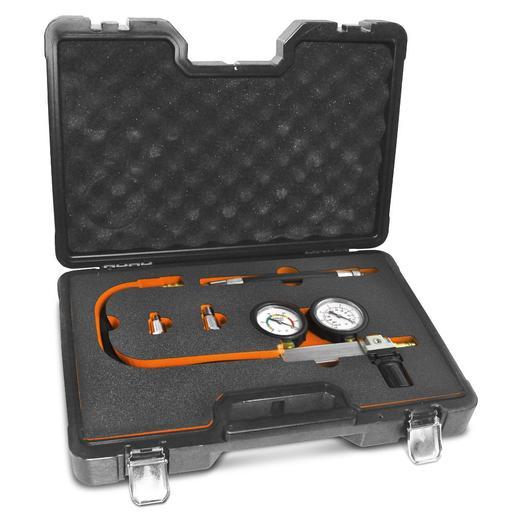
Engine diagnostic kits allow professionals to measure compression, fuel pressure, and leak detection in petrol and diesel engines.
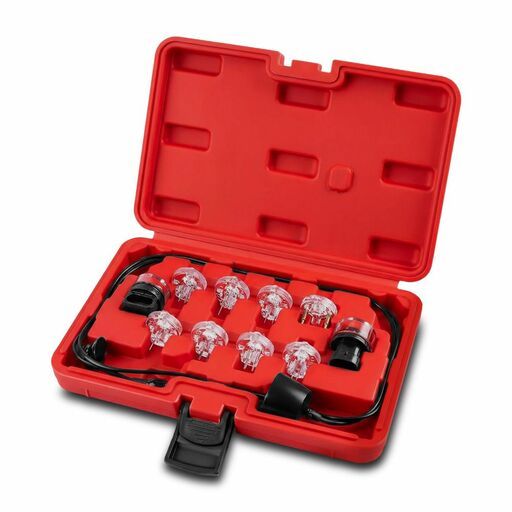
5. Automotive Oscilloscopes & Sensor Testers
- Best for: High-precision testing of electronic components and signals
- Ideal for: Advanced diagnostics on ignition systems, fuel injectors, and sensors
- Pros: Detects irregularities in real-time, ideal for modern vehicle electronics
Oscilloscopes provide detailed waveform analysis, making them essential for diagnosing complex sensor and signal issues.
How to Choose the Right Diagnostic Tool
When selecting a diagnostic tool, consider:
- Compatibility – Ensure the tool works with your vehicle’s make and model.
- Level of Detail Required – Basic code readers work for simple checks, while professional kits offer in-depth analysis.
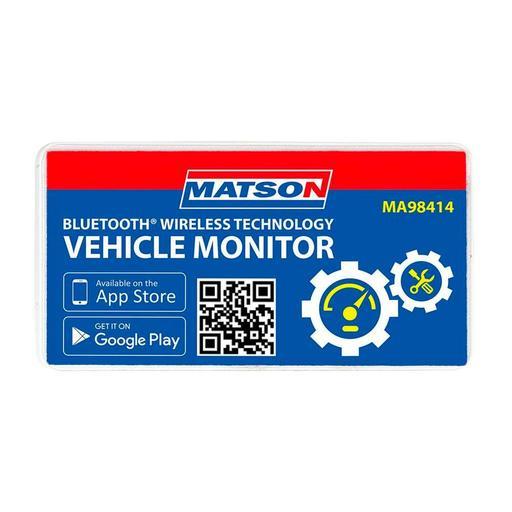
- Ease of Use – Digital displays and Bluetooth connectivity enhance usability.
- Power Source – Some tools run on batteries, while others connect directly to the vehicle’s OBD2 port.
- Data Logging & Live Readings – Advanced tools allow real-time monitoring of engine performance.
Maintenance Tips for Diagnostic Tools
To keep diagnostic tools performing reliably:
- Update software regularly – Many OBD2 scanners require firmware updates for new vehicle models.
- Store in a protective case – Prevent damage by keeping tools in a secure, dry environment.
- Check connectors & cables – Ensure a secure connection for accurate readings.
- Follow manufacturer instructions – Proper use prevents incorrect diagnostics and data errors.
- Clean screens & interfaces – Keep digital displays free of dirt and smudges for clear readings.
Frequently Asked Questions (FAQs)
Can I use an OBD2 scanner on any car?
Most OBD2 scanners work with vehicles manufactured from 1996 onwards, but compatibility may vary by brand and model.
What’s the difference between a basic code reader and an advanced diagnostic scanner?
A basic code reader provides simple error codes, while advanced scanners offer real-time data, live monitoring, and deeper system diagnostics.
Can a multimeter diagnose all electrical issues in a car?
Multimeters help detect voltage, resistance, and continuity, but for more advanced diagnostics, a circuit tester or oscilloscope may be required.
How often should I test my vehicle’s battery?
Regular testing every 3-6 months can help detect early signs of battery failure, especially before winter or long trips.
Do diagnostic tools require professional knowledge to use?
Many diagnostic tools are user-friendly, but advanced models may require technical expertise for proper interpretation of data.
Find the Best Diagnostic Tools at Sydney Tools
Sydney Tools stocks a wide range of diagnostic tools for vehicle and machinery maintenance, from simple code readers to advanced professional testing kits. Shop online or visit a Sydney Tools store today for expert advice and high-quality automotive diagnostic tools!


