
Login
Login
- Popular Categories
- Shop By Brand
- Tool Accessories
- Air Compressor
- Hand Tools
- Laser Levels
- Mechanical Workshop
- Pressure Washers
- Welding
- Chainsaws
- Lawn Mowers
- Whipper Snippers
- Categories
- Adhesives & Sealants
- Air Tools
- Diamond Tools
- Fans
- Fasteners
- Generators
- Ladders
- Lubricants & Chemicals
- Power Garden
- Safety Equipment
- Scaffold
- Silica Dust Solutions
- Storage
- Test - Measure - Locate
- Transportation & Lifting
- Vacuum & Dust Extractors
- Water Pumps
Mechanical Workshop / Bore Gauges
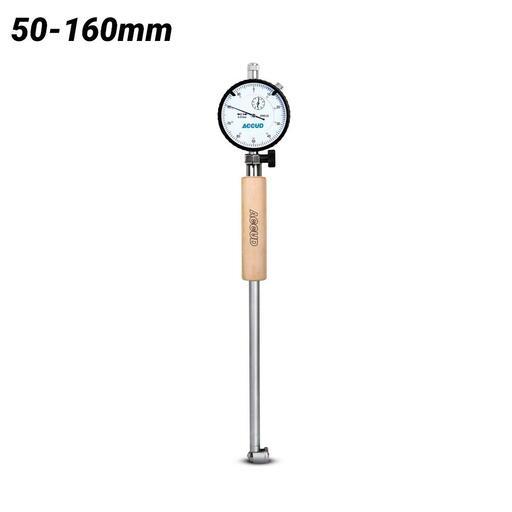
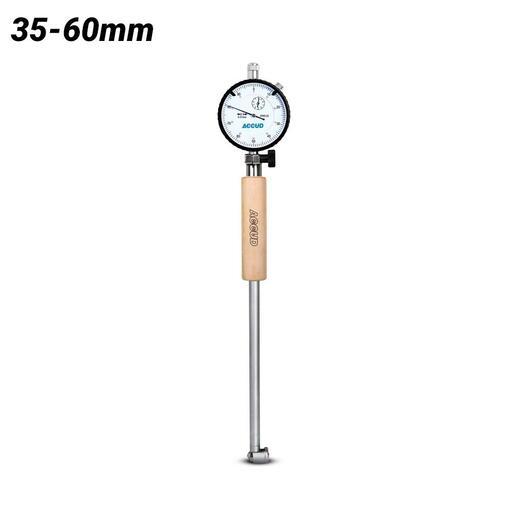
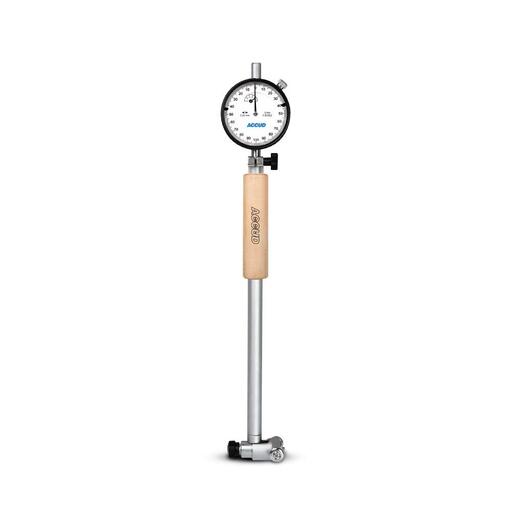
A bore gauge is a precision tool used to measure the internal diameter of engine cylinders, housings, bearings and machined holes. These measurements help mechanics, machinists and rebuild specialists assess wear, taper, ovality and general condition before reassembly. A dial bore gauge provides clear, repeatable readings that reveal whether a bore is still within specification or requires honing, machining or replacement. That accuracy matters when fitting pistons, sleeves, bushings or bearings because even small clearance errors can affect performance, efficiency and reliability.
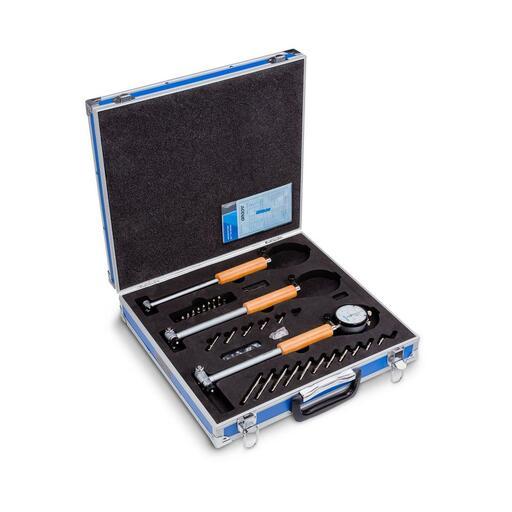
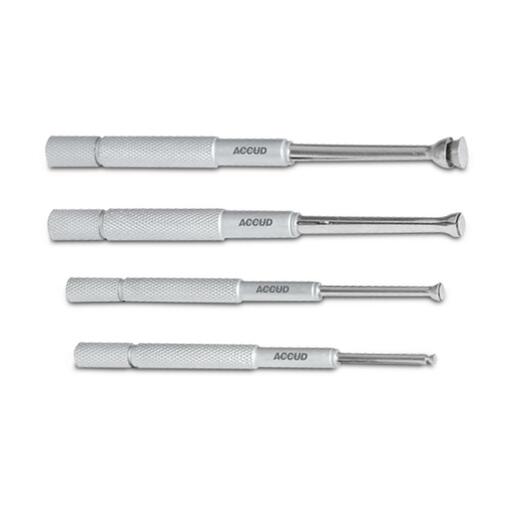
A bore gauge set usually includes interchangeable anvils, extension rods and a dial indicator, allowing one kit to measure a wide range of diameters. These sets are common in engine rebuilding, fabrication, maintenance and quality inspection environments. When paired with micrometers, setting rings or gauge blocks, bore gauges confirm tolerances with confidence. Many workshops also rely on supporting tools such as dial indicators, feeler gauges, and an engineers square for setup and verification. Sydney Tools carries a wide range of bore measuring tools suited to hobby users, working apprentices and professional technicians.



Why choosing the right bore gauge matters
Internal bore size plays a major role in how an engine or machine performs. The right gauge gives you trustworthy, easy-to-read measurements so you can decide whether a bore is usable or needs work. This helps prevent issues like piston slap, overheating, excessive oil use, poor sealing or early bearing failure. In automotive, industrial or machining environments, accurate measurement supports better diagnosis, smoother rebuilds and stronger long-term results.
A well-matched bore gauge also improves workflow. When the gauge fits the required measurement range, offers clear graduations and feels stable in the bore, the job becomes faster and less repetitive. Smooth movement and sensitive contact points help reduce uncertainty. Balanced weight and comfortable handling reduce fatigue during long inspection sessions. Over time, the right tool saves rework, boosts consistency and builds trust in your measurements.
Bore gauges help you:
- Measure internal diameters with confidence
- Check for taper, ovality or uneven wear
- Verify machining quality and component fitment
- Support accurate rebuilding and servicing
- Maintain reliable workshop measurement standards
They suit engine builders, automotive technicians, machine shops, performance tuners and industrial maintenance teams.
Key features and specifications to compare
Measurement range
Select a range that covers your common work. Most automotive engines fall between 50 mm and 100 mm. Larger housings or machinery may require extended ranges. A kit with interchangeable anvils improves flexibility.
Gauge type
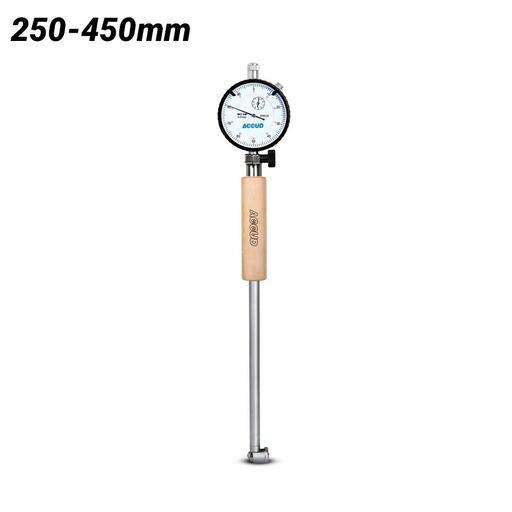
- Dial gauges provide clear, traditional readings
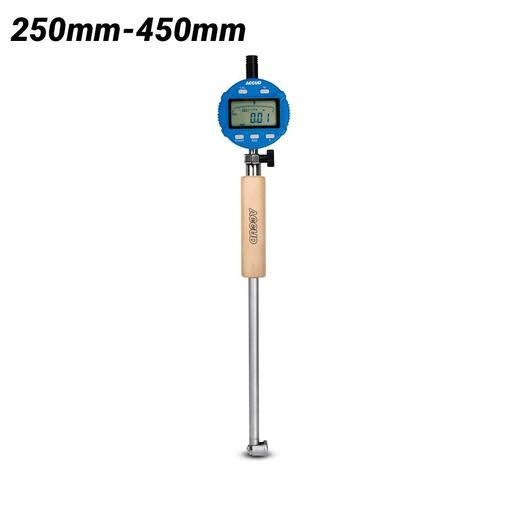
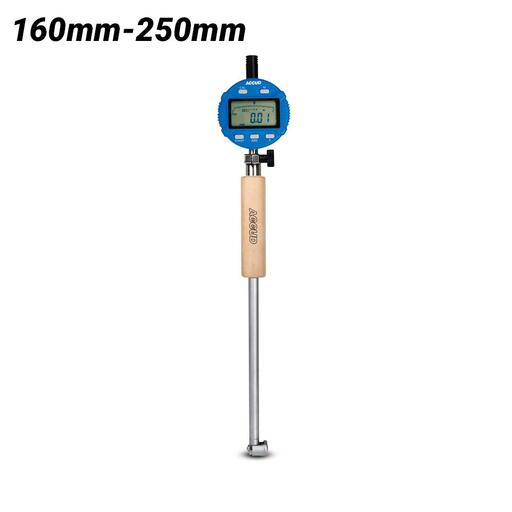
- Digital gauges improve visibility and data tracking
- Two-point styles suit general use and rocking measurement
- Three-point versions centre faster and offer stable contact
Choose the style that fits your workflow and preference.
Graduation or resolution
Higher resolution equals finer measurement. Standard options include 0.01 mm or 0.001 inch. Engine or precision machining work often demands higher resolution.
Bore depth and access
Deep cylinders or housings may require extension rods. Always confirm the stem length reaches the full measurement depth.
Reference compatibility
Most bore gauges are zeroed using outside micrometers, setting rings, and gauge blocks. Make sure your existing measuring tools match the gauge setup.
Build quality and materials
Look for hardened anvils, rigid stems, smooth dial action and shock-resistant housings. Clear lens markings and protective bezels improve durability.
Calibration and certification
Higher-end tools may include calibration records or documentation. Regular verification helps maintain accuracy over time.
Kit inclusions
Many sets include:
- Multiple anvils
- Extensions
- A protective storage case
- Adjustment tools
A complete kit saves time and improves organisation.
Safe use and maintenance guidelines
Good habits protect both the tool and the part being measured.
- Zero or calibrate the gauge before taking readings
- Use a known standard such as a micrometer or setting ring
- Clean the bore to remove carbon, oil or debris
- Insert the gauge gently and keep it square to the surface
- Rock a two-point gauge slightly to find the lowest reading
- Avoid forcing, twisting or dragging the gauge across surfaces
- Store the tool in its case when not in use
- Keep anvils and contact points clean and dry
- Check for sticky movement, hesitation or worn tips
If readings seem inconsistent, stop and verify calibration or inspect for wear before continuing.
Why buy bore gauges at Sydney Tools
Sydney Tools offers a trusted selection of bore measuring tools built for automotive, machining and industrial environments. Every product includes clear specifications, measurement range, gauge type, resolution, kit contents and recommended applications, so comparing options is easy. Whether you measure bores daily or only during occasional rebuilds, you will find tools suited to your workload, accuracy needs and budget.
When you shop at Sydney Tools, you get:
- Bore gauges designed for accurate and repeatable readings
- Options suited to cylinder, housing and sleeve measurement
- Durable construction and clear, easy-to-read dials
- Storage cases and accessories included with many kits
- Calibration-friendly designs and replaceable parts
- Competitive pricing from trusted brands
- Helpful support online and in-store when you contact Sydney Tools
This ensures you select a tool that performs well, lasts longer and supports confident workshop measurement.
FAQs
What measurement range suits most engine bores?
Usually 50–100 mm for common automotive cylinders.
Do I need a two-point or three-point gauge?
Two-point gauges suit general checks. Three-point versions centre faster and offer stable readings.
How often should I calibrate a bore gauge?
Before each major measuring session or if the tool has been dropped.
Can one gauge set work for metric and imperial bores?
Yes, if the dial or reference system supports both.
What signs indicate inaccurate readings?
Skipping, sticking, inconsistent zero or worn anvils.
Do most bore gauge sets include anvils and extensions?
Yes, but always check the kit description.
How should I store a bore gauge?
Clean it and keep it protected in a padded case.
Can a bore gauge detect taper or ovality?
Yes. Take readings at multiple positions and depths.
What precautions should I take when measuring worn bores?
Clean debris, avoid forcing the gauge and document variation.
Are bore gauge kits available specifically for engine work?
Yes. Many sets focus on common automotive measurement ranges.
Find the right bore gauge today
Choose a bore gauge that delivers accuracy, confidence and repeatable workshop results. Browse the full range online or visit your nearest Sydney Tools store locations to compare tools in person. Our team can help you select the best gauge for your engine work, machinery repairs or precision measuring projects.


