
Login
Login
- Popular Categories
- Shop By Brand
- Tool Accessories
- Air Compressor
- Hand Tools
- Laser Levels
- Mechanical Workshop
- Pressure Washers
- Welding
- Chainsaws
- Lawn Mowers
- Whipper Snippers
- Categories
- Adhesives & Sealants
- Air Tools
- Diamond Tools
- Fans
- Fasteners
- Generators
- Ladders
- Lubricants & Chemicals
- Power Garden
- Safety Equipment
- Scaffold
- Silica Dust Solutions
- Storage
- Test - Measure - Locate
- Transportation & Lifting
- Vacuum & Dust Extractors
- Water Pumps
Mechanical Workshop / Engineers Square
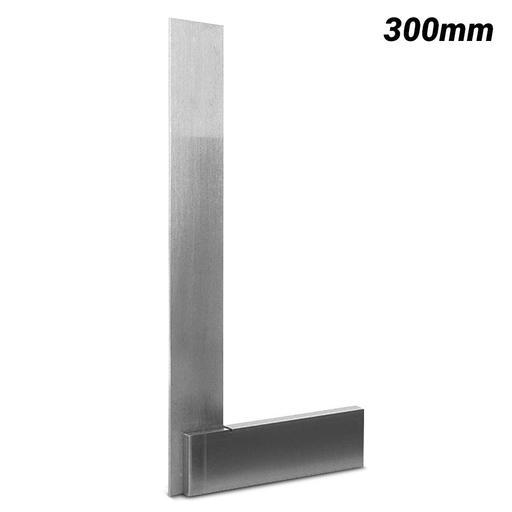
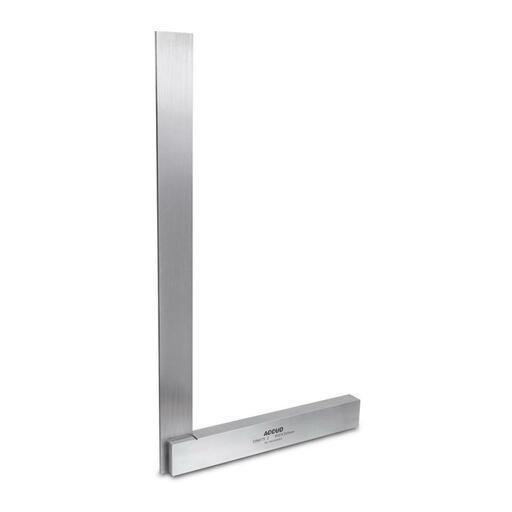
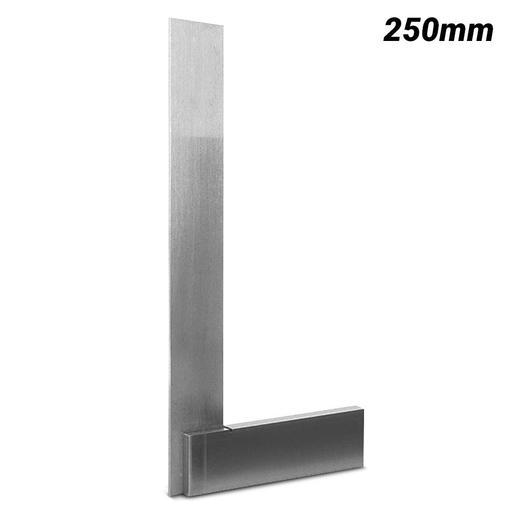
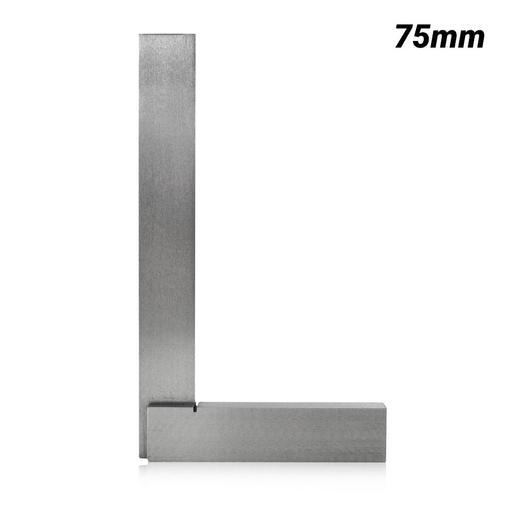
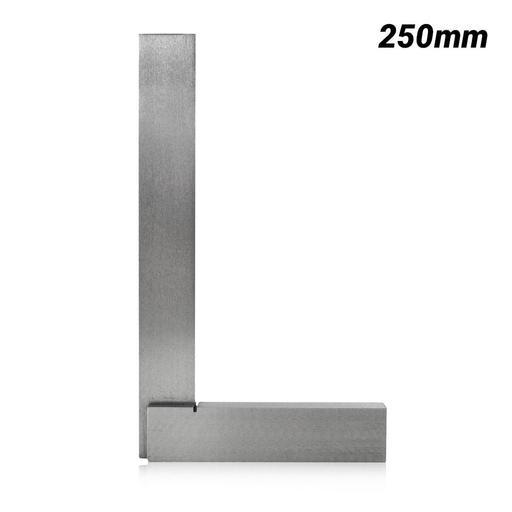
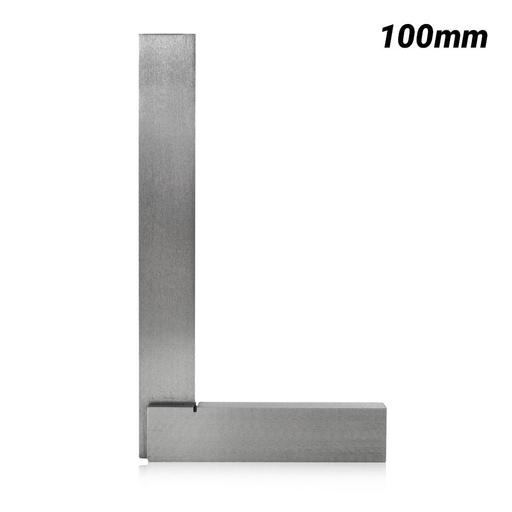
An engineer’s square looks simple, but it often decides whether a job goes smoothly. In automotive and metalworking work, parts need to sit square before drilling, cutting, or assembly begins. An engineers square lets you check a true right angle so you know the component is positioned properly from the start.
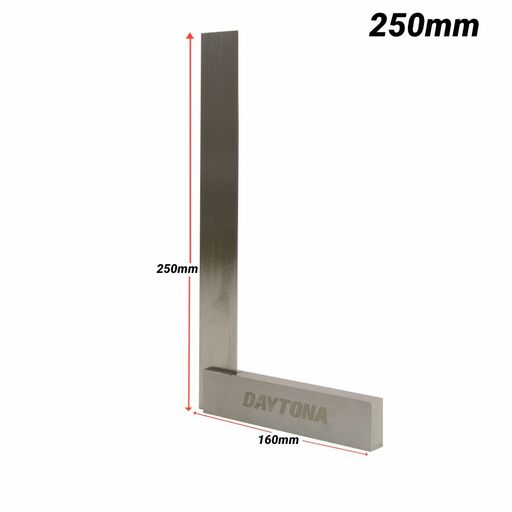
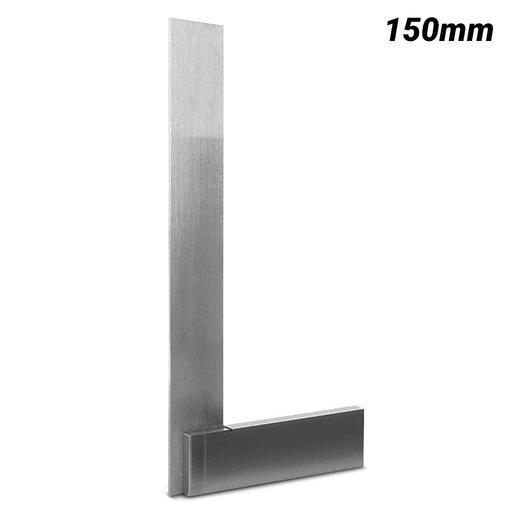
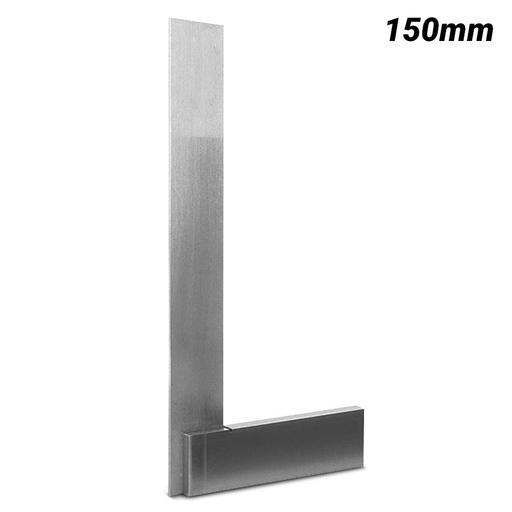
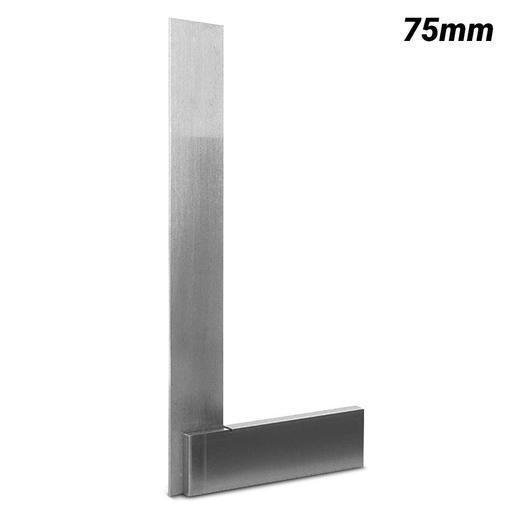
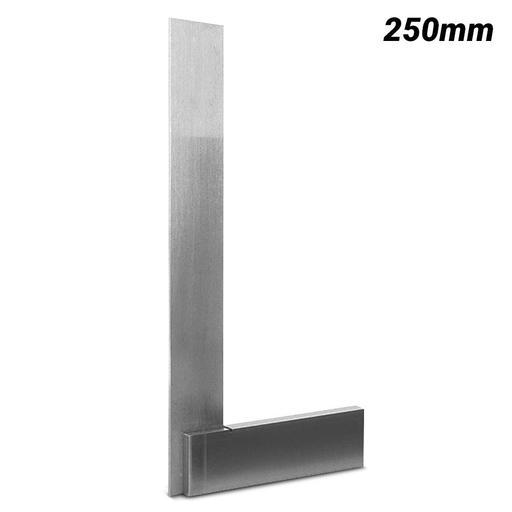
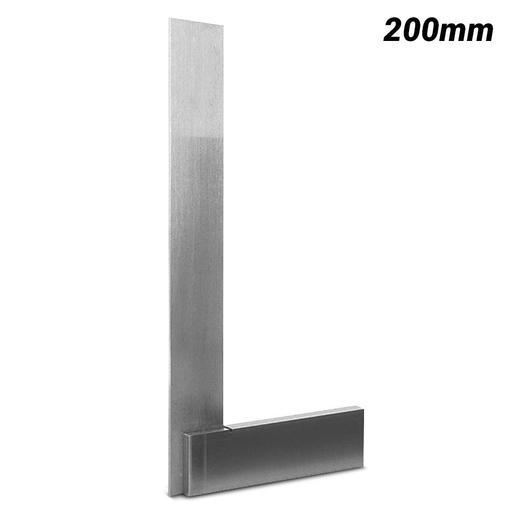
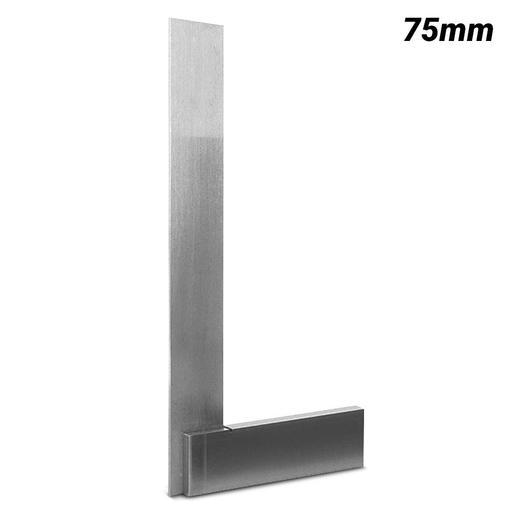
Each precision square has a rigid blade fixed to a carefully machined head. The head provides a dependable 90° reference you can place against a surface to check alignment or mark a layout line. Whether you are checking a bracket or preparing a machined part, it gives you a reliable starting point.











Why Quality Engineer’s Squares Matter
Minor alignment problems seldom remain minor. Eventually they reveal themselves as bad fits, uneven wear or parts that simply won't mate. Ensuring squareness with an engineering square set before continuing prevents that problem. Check faces, set up jigs and verify assemblies knowing they are square.
Things just go smoother when parts start out square. Machining, fabrication and auto repair work aligns correctly and involves less fine tuning.
Uses for a good engineers square include:
- Checking for squareness of parts and assemblies
- Checking alignment while machining or repairing something
- Drawing accurate 90 degree layout lines
- Properly setting up jigs/fixtures
- Minimising assembly interference
Engineers squares are ideal for auto repair, machining, fabrication, or any shop where you need to inspect things.
Key Design and Functional Attributes
Blade and head material
Rigid materials help the square hold its shape and resist flex during measurement.
Precision machining tolerances
Carefully machined edges provide dependable right angles for checking and marking.
Graduation markings
Some precision square designs include markings for quick layout reference.
Size range options
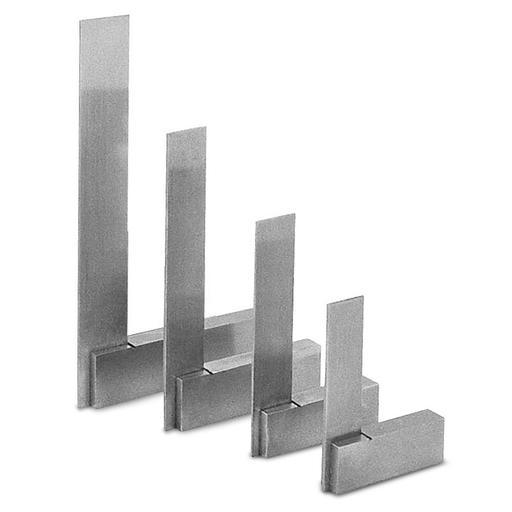
Smaller squares suit detailed component work. Larger squares help with brackets, housings, and fabrication.
Protective Surfaces for Handling
Heads or grip surfaces are thicker so measuring edges can be avoided when handling.
Corrosion Resistance & Storage
Surface finishes and storage prevent loss of accuracy.
Engineer's squares are commonly used with a combination square, dial indicators, feeler gauges and bore gauges to check alignment, clearances and location of parts.
Safe Use and Ongoing Care Practices
Careful handling keeps a precision tool reliable.
- Place it firmly against clean reference faces
- Remove debris or burrs before checking alignment
- Avoid forcing the blade against rough surfaces
- Protect it from knocks or drops
- Store it in a sleeve or dedicated drawer
Check accuracy against a known reference from time to time. Avoid heavy impacts to preserve calibration.
Why Buy Engineer’s Squares from Sydney Tools
At Sydney Tools we stock a variety of engineers square and engineering square sets for your automotive, workshop or metalworking needs. Our engineers squares are machined to precision edges and are built to last.
You can expect:
- A sensible assortment of engineers square and precision square styles
- Flat, precise reference edges
- Hardwearing construction ideal for workshop use
- Great value online and instore
- Sound advice from knowledgeable staff
- Instore and online support
Keeping things square doesn't have to be a hassle. With a reliable square you can make checks quickly and confidently.
FAQs
How do I check if an engineer’s square is still accurate before use?
Mark a line, flip the square, and compare the line. Any gap shows inaccuracy.
What are the advantages of hardened steel squares versus aluminium ones in workshop use?
Hardened steel keeps accuracy longer and resists wear better.
Can engineer’s squares be used to set up machining fixtures and jigs?
Yes, they are commonly used for positioning fixtures.
How should I avoid blade edge damage when working with rough cast or burr-laden surfaces?
Clean the surface first and avoid pressing against burrs.
What tolerance levels matter most for automotive layout work?
Consistent right angles and repeatable reference measurements.
Are larger engineer’s squares more stable, or do smaller ones offer better control in tight areas?
Larger squares suit bigger components, while smaller ones help in confined areas.
How often should I verify the squareness of my square against a known reference?
Check periodically, especially after heavy use or impacts.
Does corrosion resistance affect long-term accuracy, and how should I protect squares in humid shops?
Yes. Keep the square clean, dry, and protected from moisture.
Can engineer’s squares help with checking perpendicularity on assembled components?
Yes, they help confirm alignment after assembly.
What signs suggest an engineer’s square has been dropped or damaged and needs replacement?
Visible edge damage or inconsistent measurements.
Find the Right Engineer’s Square Today
Start every layout with a true reference. Browse the full range of engineers square and precision square options online or visit your nearest Sydney Tools store for practical advice and dependable measuring solutions.


