
Login
Login
- Popular Categories
- Shop By Brand
- Tool Accessories
- Air Compressor
- Hand Tools
- Laser Levels
- Mechanical Workshop
- Pressure Washers
- Welding
- Chainsaws
- Lawn Mowers
- Whipper Snippers
- Categories
- Adhesives & Sealants
- Air Tools
- Diamond Tools
- Fans
- Fasteners
- Generators
- Ladders
- Lubricants & Chemicals
- Power Garden
- Safety Equipment
- Scaffold
- Silica Dust Solutions
- Storage
- Test - Measure - Locate
- Transportation & Lifting
- Vacuum & Dust Extractors
- Water Pumps
Air Tools / Air Fittings
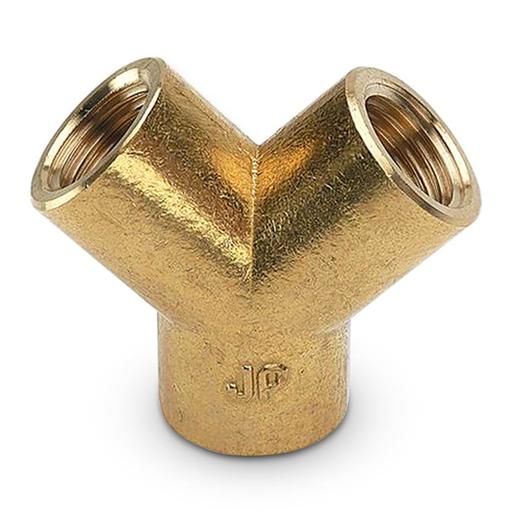
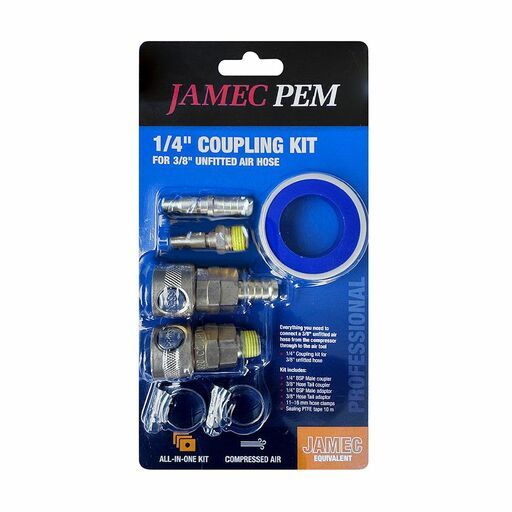
Air fittings, also known as pneumatic fittings or couplings, are essential components in compressed air systems, facilitating secure and efficient connections between air hoses, tools, and compressors. They enable quick assembly and disassembly of pneumatic lines, ensuring a reliable flow of compressed air for various applications.


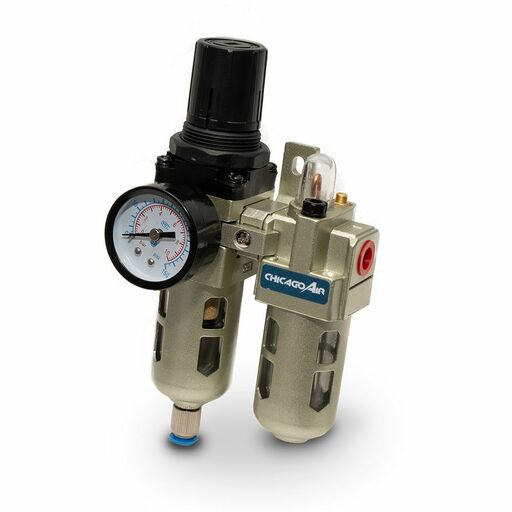
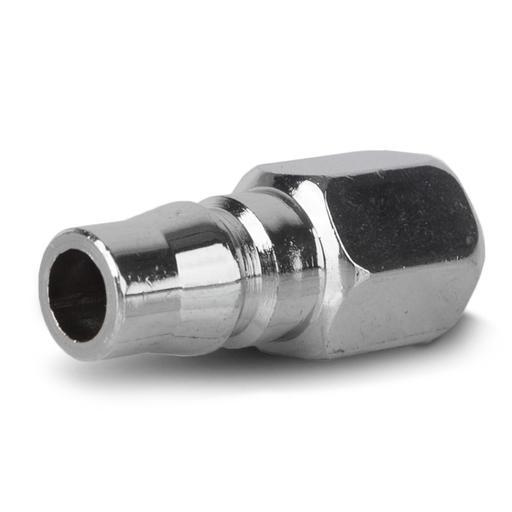


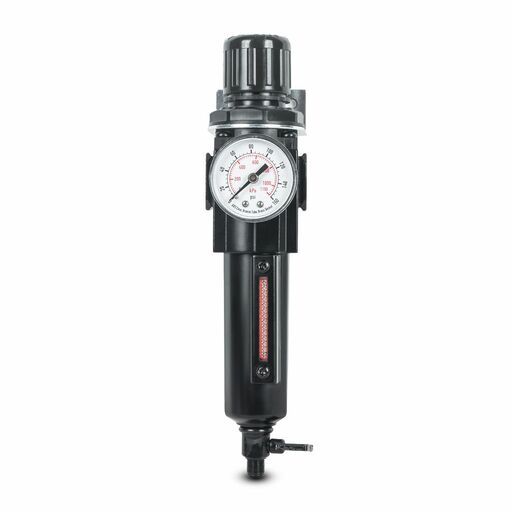
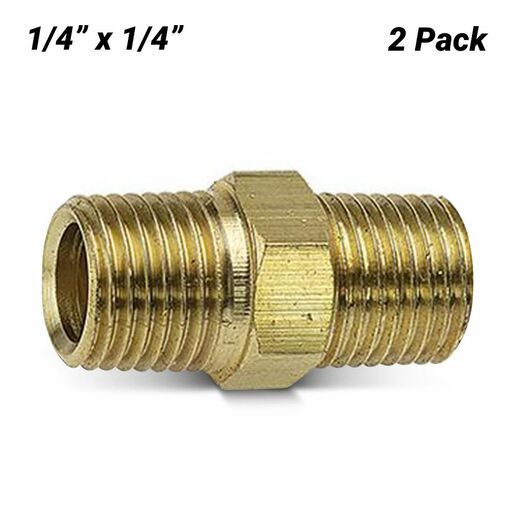
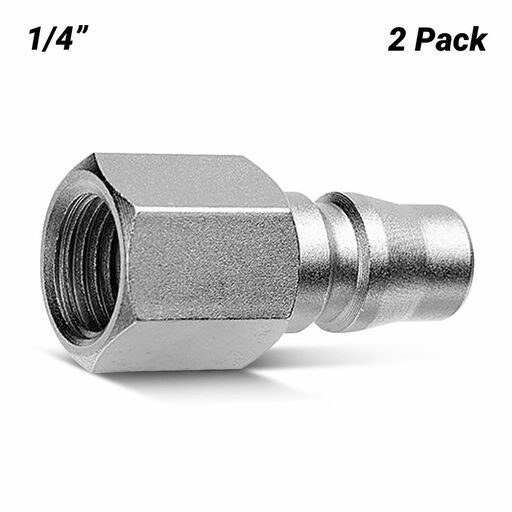

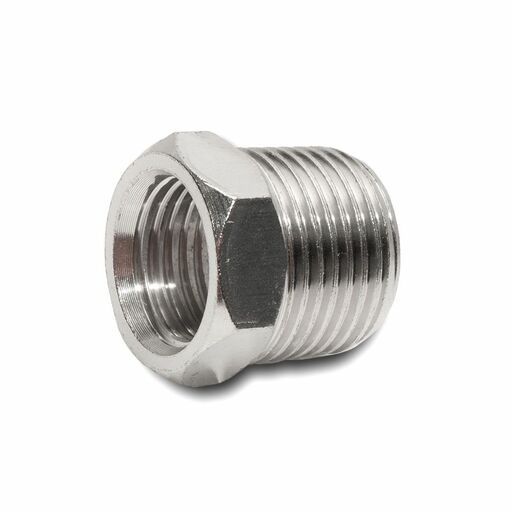
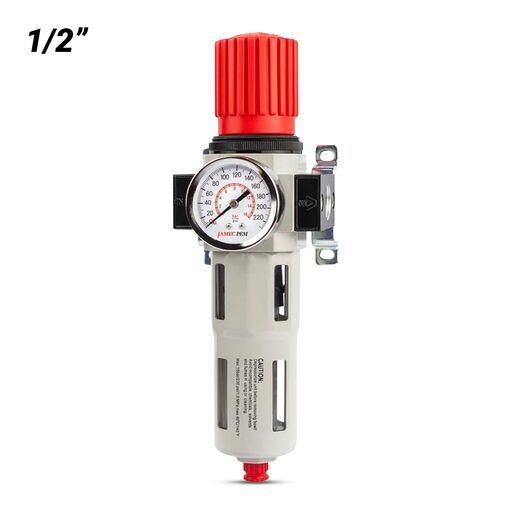

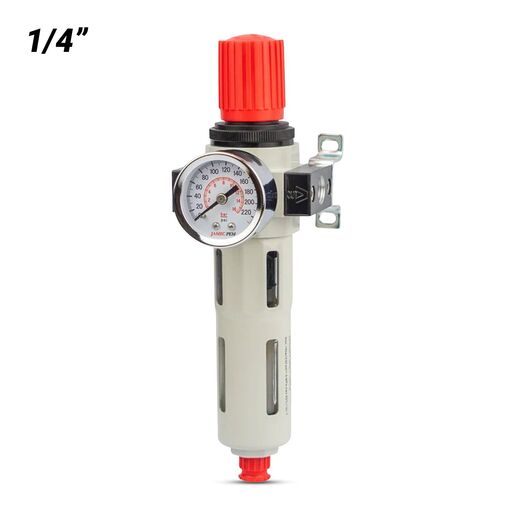
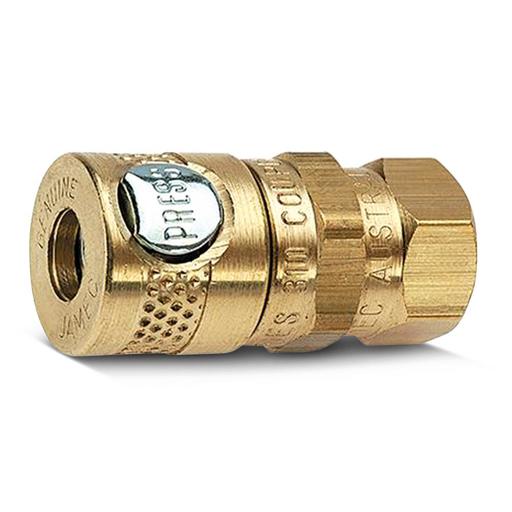

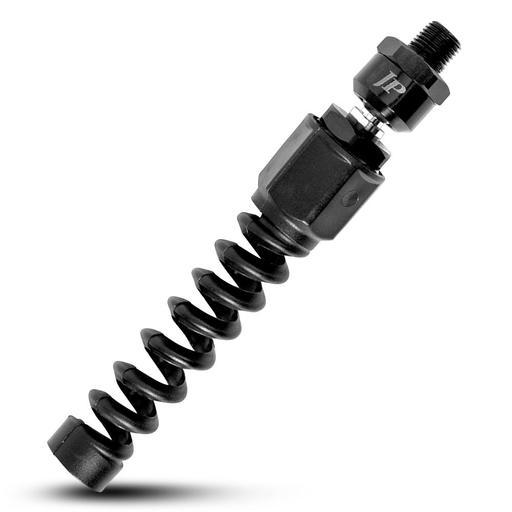
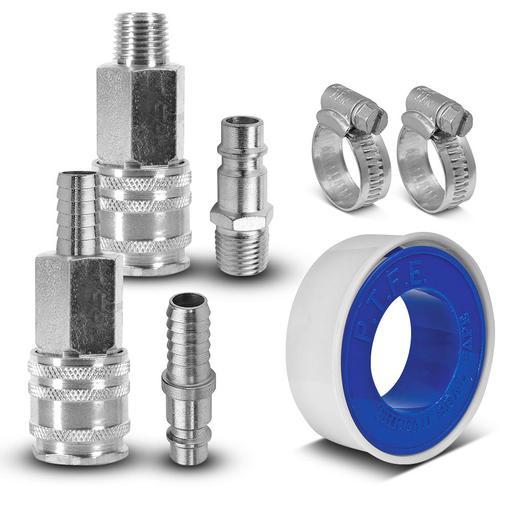
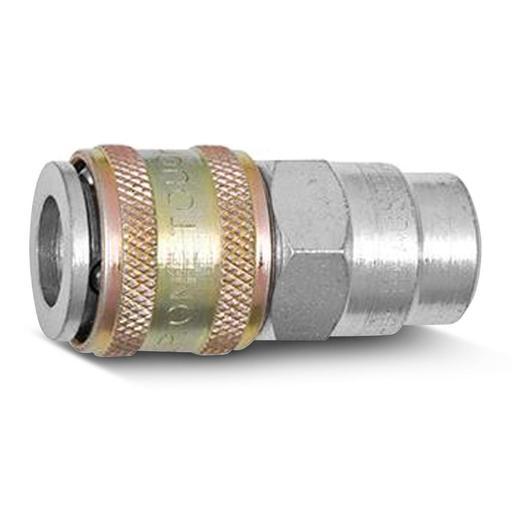



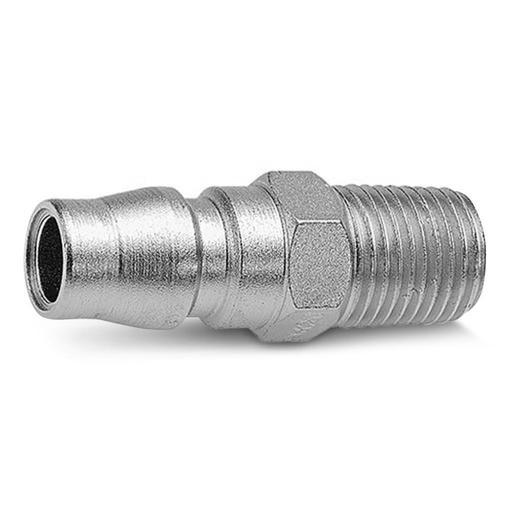
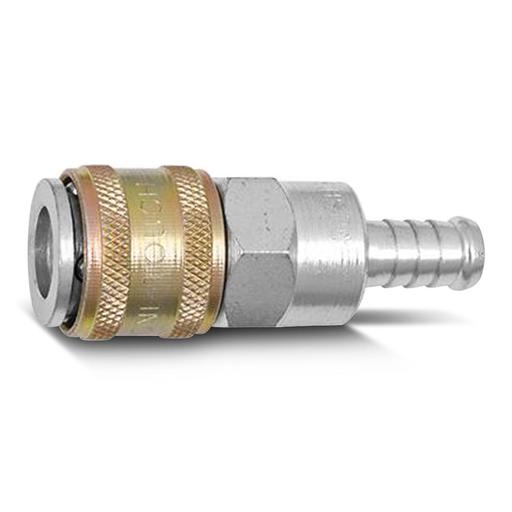
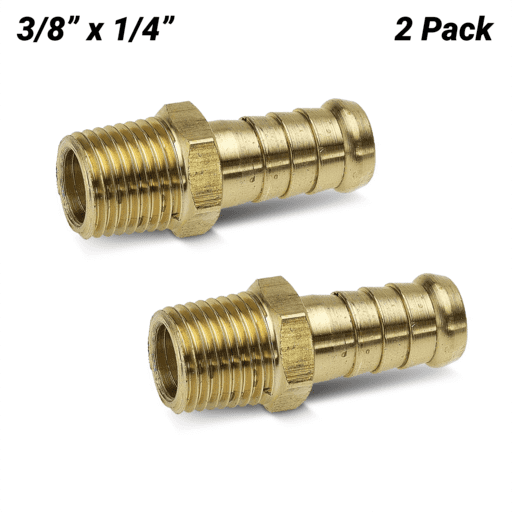
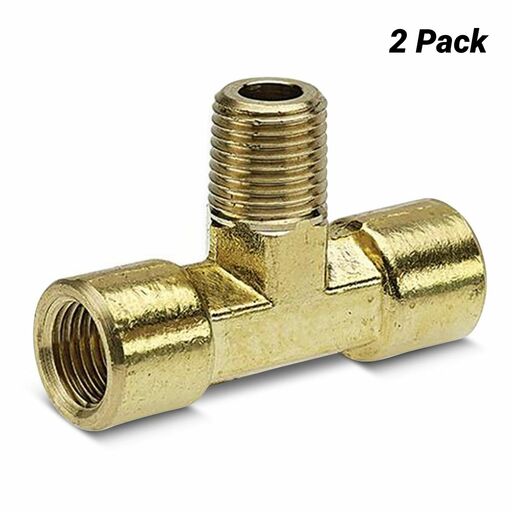
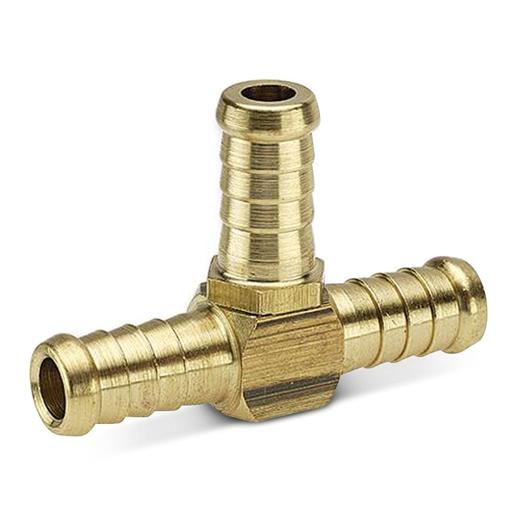
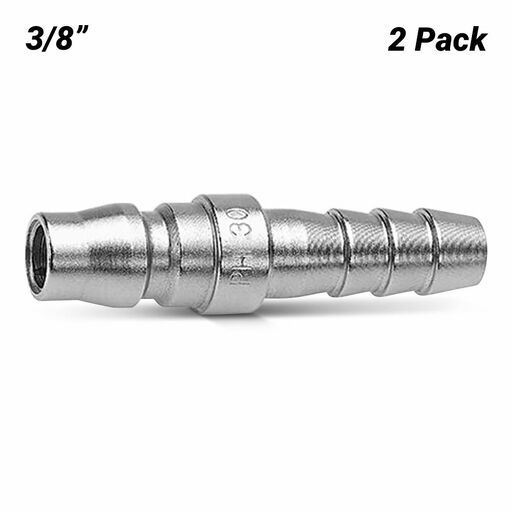
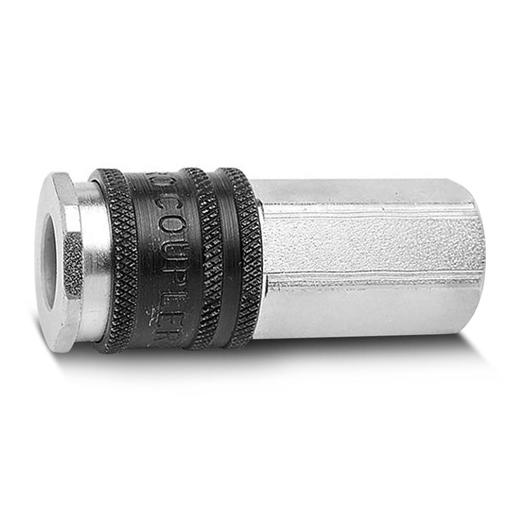


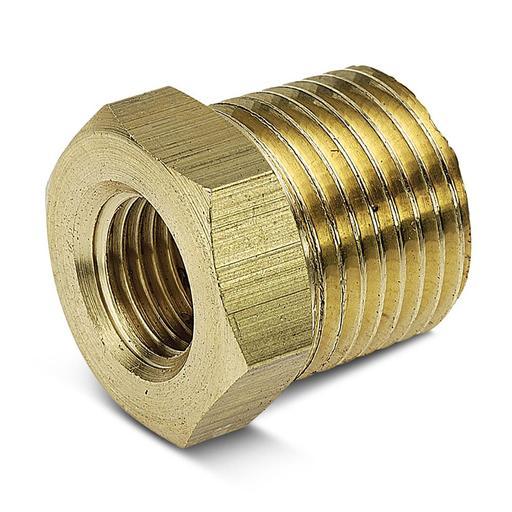


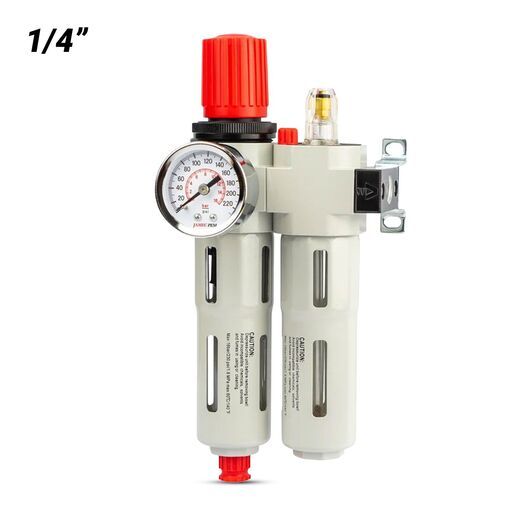


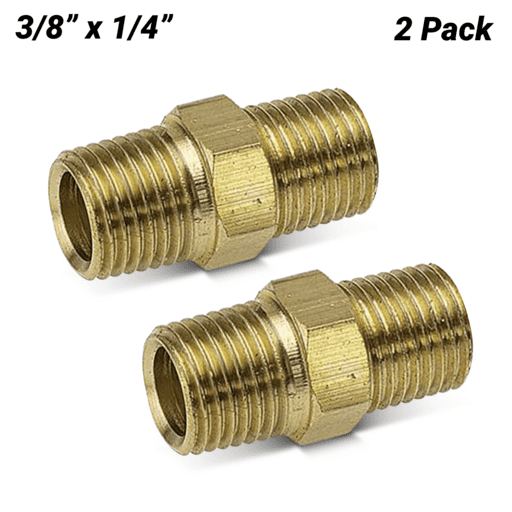

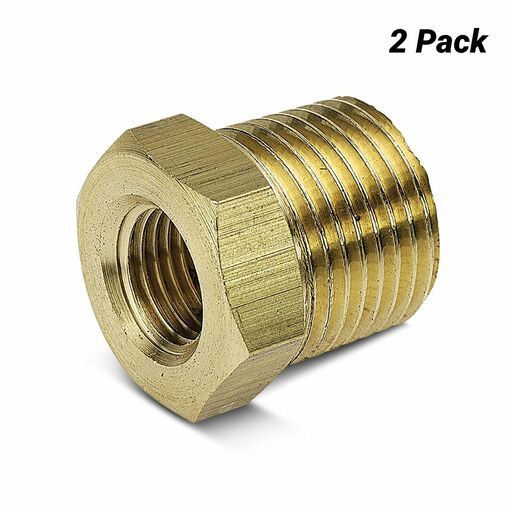
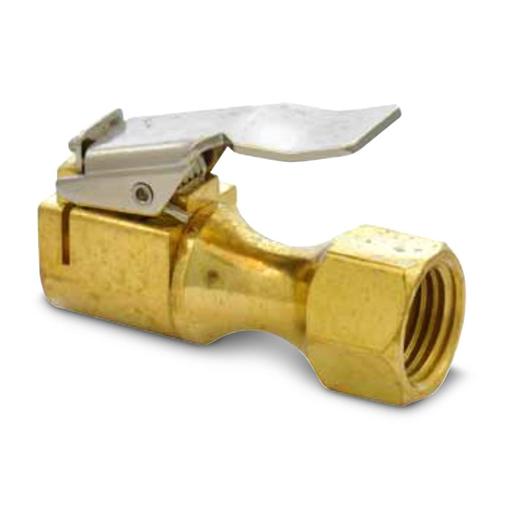






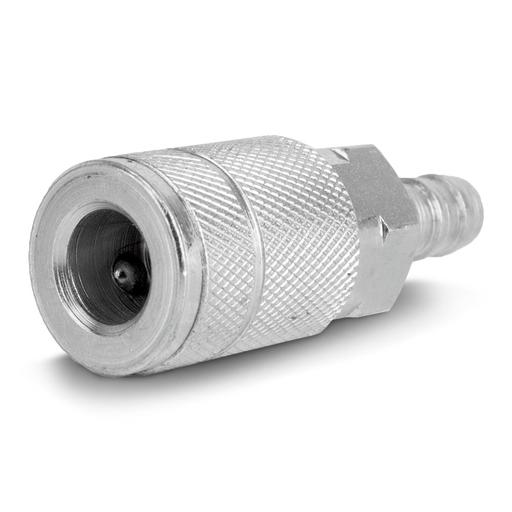

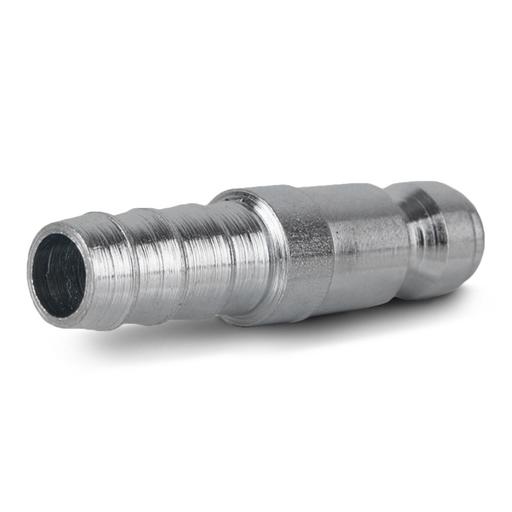
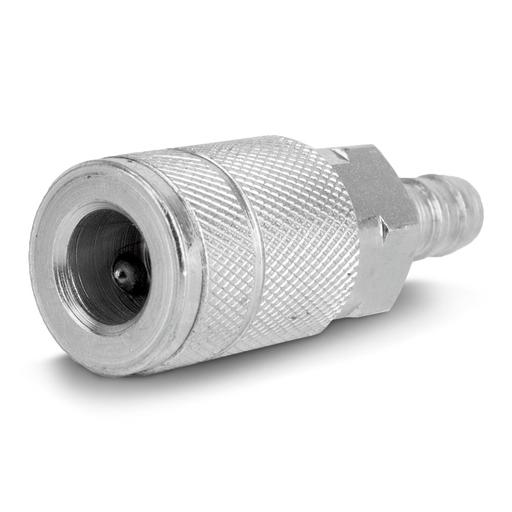

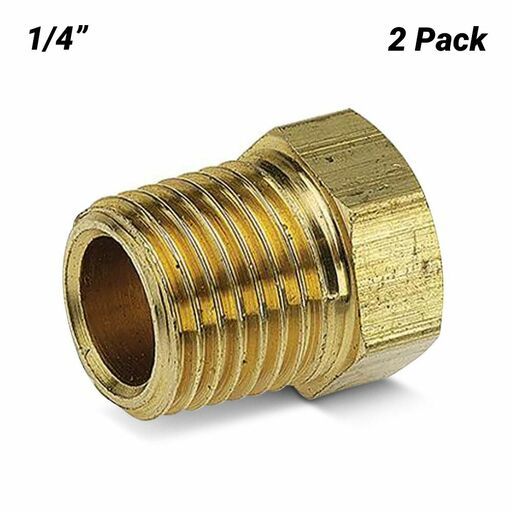

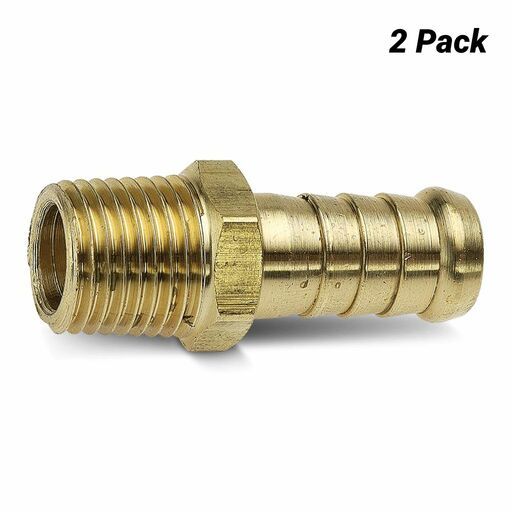
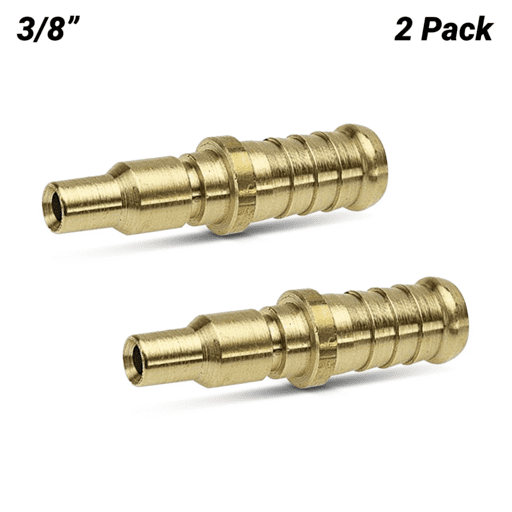

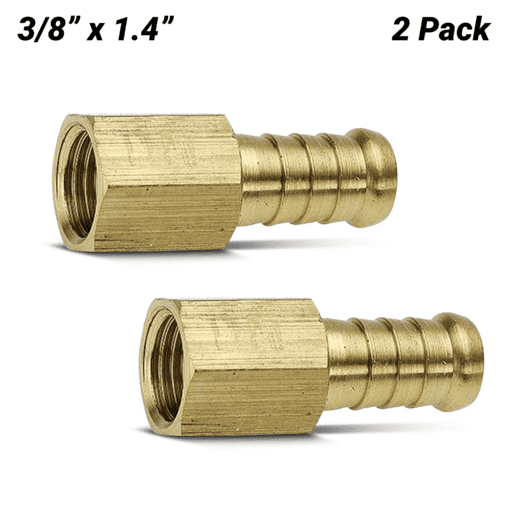
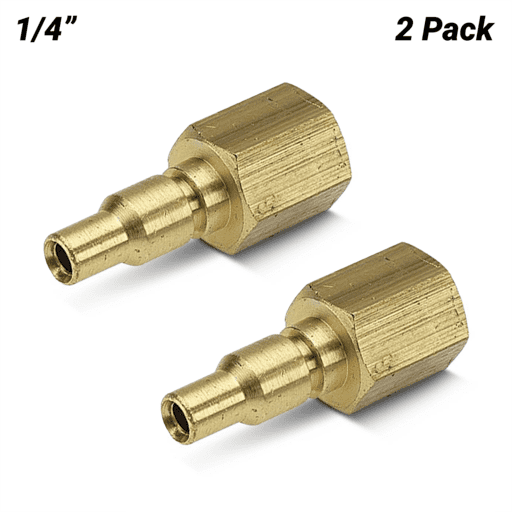

Types of Air Fittings:
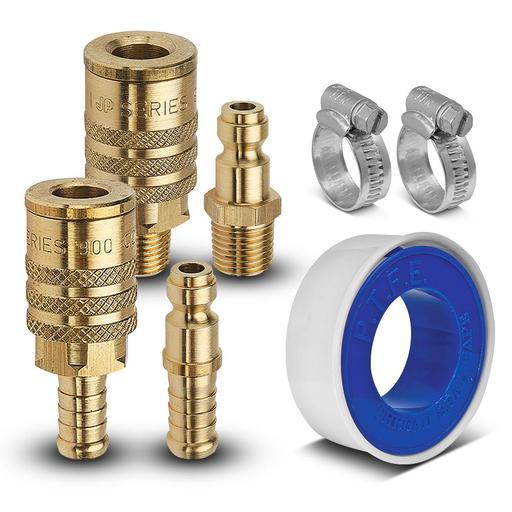
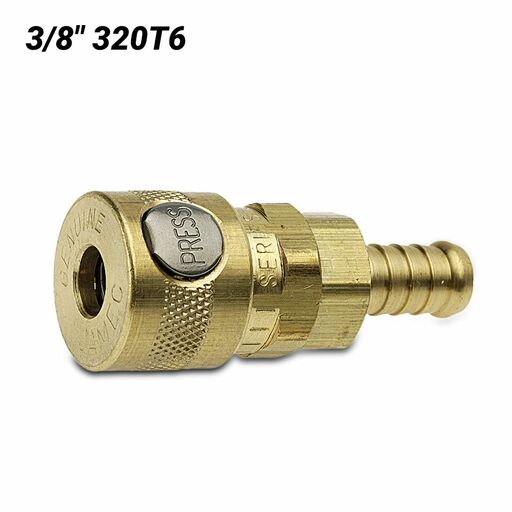
Quick Connect Couplings:
- Description: Allow for rapid connection and disconnection without the need for tools, minimising downtime and enhancing productivity.
- Features: Often equipped with self-sealing valves to prevent air loss during disconnection.
Applications: Commonly used in automotive repair, manufacturing, and construction where frequent tool changes are necessary.
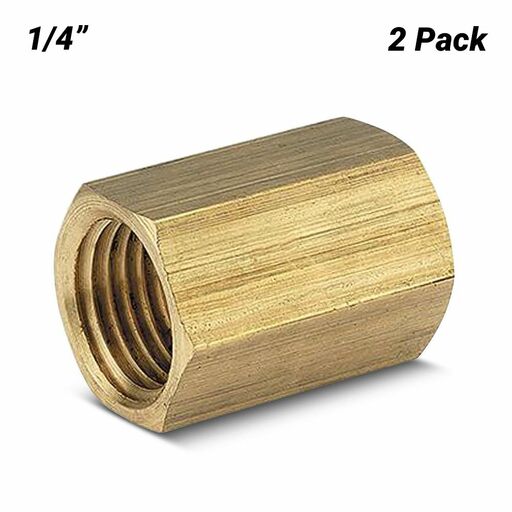
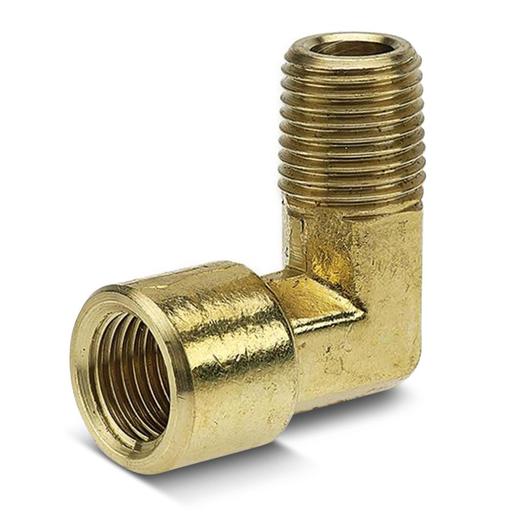
Threaded Fittings:
- Description: Utilise threaded connections to join components securely.
- Features: Provide a permanent and leak-resistant connection suitable for high-pressure applications.
- Applications: Ideal for stationary equipment and systems requiring a robust and durable connection.
Push-to-Connect Fittings:
- Description: Enable quick and tool-free connections by simply pushing the tubing into the fitting.
- Features: Incorporate O-rings and grip rings to ensure a tight seal and prevent accidental disconnection.
- Applications: Widely used in pneumatic control systems, robotics, and instrumentation where flexibility and ease of maintenance are desired.
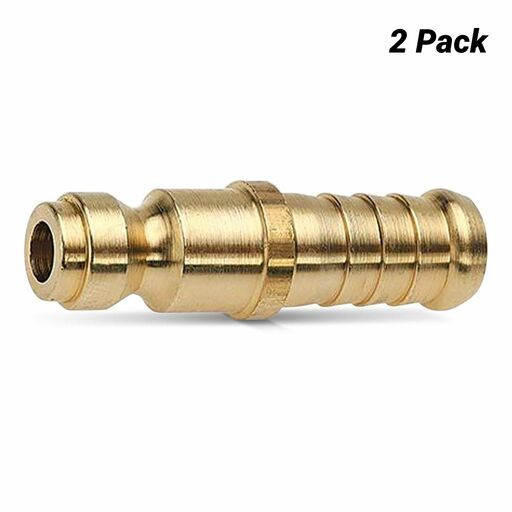
Barbed Fittings:
- Description: Designed with barbs that grip the inside of flexible tubing to create a secure connection.
- Features: Simple design and cost-effective, suitable for low-pressure applications.
- Applications: Suitable for air and water lines in various industrial and DIY applications.
Key Considerations When Selecting Air Fittings:
- Compatibility: Ensure that the fitting type matches the connectors on your tools, hoses, and compressors.
- Material: Choose materials that offer durability and resistance to corrosion, especially in harsh environments.
- Size and Flow Capacity: Select fittings that accommodate the required airflow and are compatible with your system's pressure ratings.
- Standards Compliance: Opt for fittings that adhere to industry standards (e.g., NPT, BSP) to ensure interoperability and safety.
Safety Tips:
- Regular Inspection: Periodically check fittings for signs of wear, corrosion, or leaks, and replace damaged components promptly.
- Proper Installation: Follow manufacturer guidelines for installation torque and alignment to prevent leaks and ensure optimal performance.
- Use Appropriate Tools: Utilise the correct tools for connecting and disconnecting fittings to avoid damaging threads or seals.
For a comprehensive selection of air fittings suitable for various applications, visit Sydney Tools in-store or online.
Air Fitting FAQs
What are air fittings?
Air fittings, also known as pneumatic fittings, are components used to connect hoses, tools, and compressors in a compressed air system, ensuring secure and efficient airflow.
How do I select the right air fittings for my system?
Consider factors such as fitting type, size, material compatibility, pressure rating, and the specific application requirements of your pneumatic system.
How are air hose fittings measured?
Fittings are typically measured by their internal diameter (ID) to match the hose size, and by thread size (e.g., BSP, NPT) to ensure proper connection.
Should I use Teflon tape on air fittings?
It's generally recommended to use Teflon (PTFE) tape on threaded fittings to ensure a tight seal and prevent leaks. However, avoid using tape on quick-connect fittings, as they rely on internal O-rings for sealing.
How do I connect plastic tubing to barbed air fittings?
Cut the tubing end squarely, then press it firmly onto the barbed fitting until it's seated fully, ensuring a secure connection.
What maintenance is required for air fittings?
Regularly inspect fittings for signs of wear, corrosion, or leaks. Clean and lubricate O-rings as needed, and replace any damaged components promptly to maintain system efficiency.


