
Login
Login
- Popular Categories
- Shop By Brand
- Tool Accessories
- Air Compressor
- Hand Tools
- Laser Levels
- Mechanical Workshop
- Pressure Washers
- Welding
- Chainsaws
- Lawn Mowers
- Whipper Snippers
- Categories
- Adhesives & Sealants
- Air Tools
- Diamond Tools
- Fans
- Fasteners
- Generators
- Ladders
- Lubricants & Chemicals
- Power Garden
- Safety Equipment
- Scaffold
- Silica Dust Solutions
- Storage
- Test - Measure - Locate
- Transportation & Lifting
- Vacuum & Dust Extractors
- Water Pumps
Vacuum & Dust Extractors
Dust build-up in your workspace isn’t just a mess, it’s a health risk and a hazard for your tools. A dust or vacuum extractor helps remove airborne particles, fine dust and debris directly at the source. Whether you're working with timber, plaster, concrete, or metal, these machines are designed to keep the air clean and your space safe.
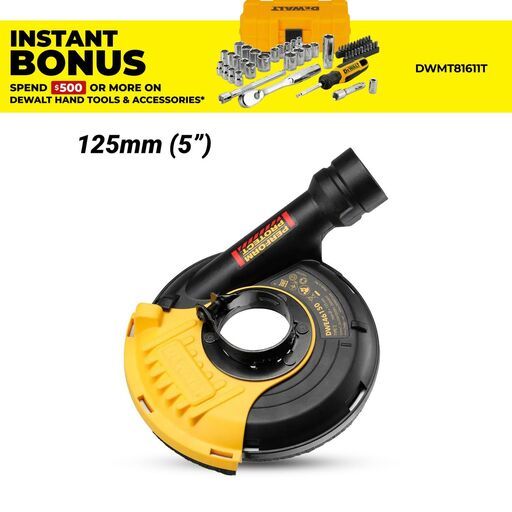
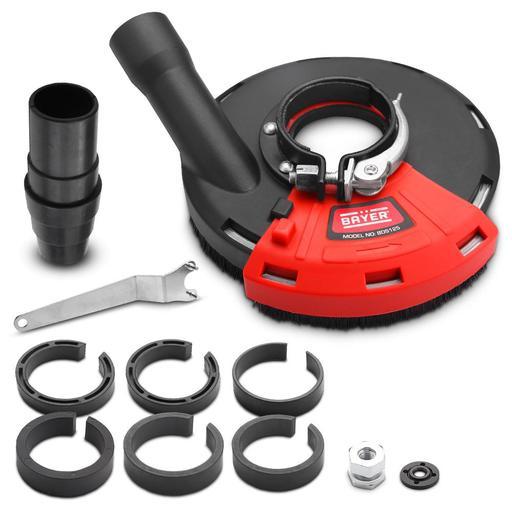
Ideal for construction sites, workshops and home garages, dust extractors reduce airborne dust while improving tool performance and helping maintain a compliant and tidy work environment. They connect easily to tools like sanders, saws and grinders or operate on their own for general cleanup.
Sydney Tools stocks a wide range of professional vacuum extractors, from heavy-duty units for tradies to compact options for hobbyists and DIYers.
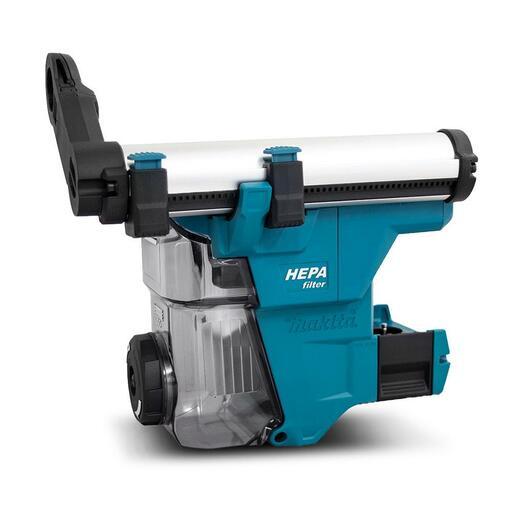


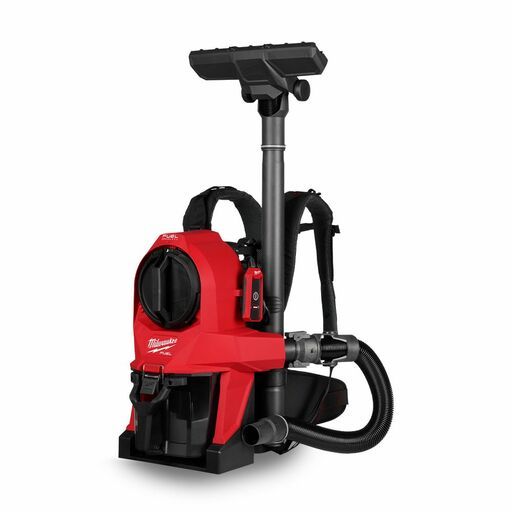
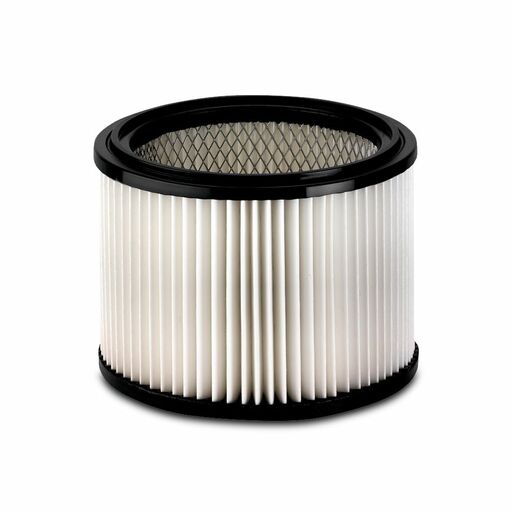


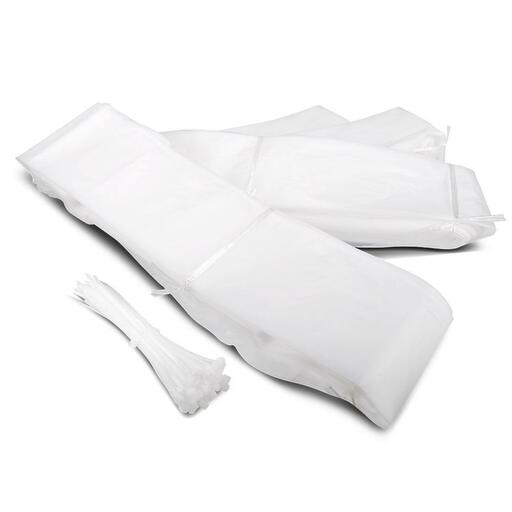







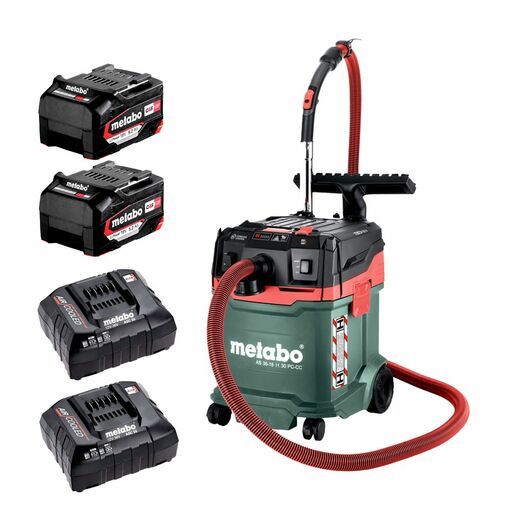
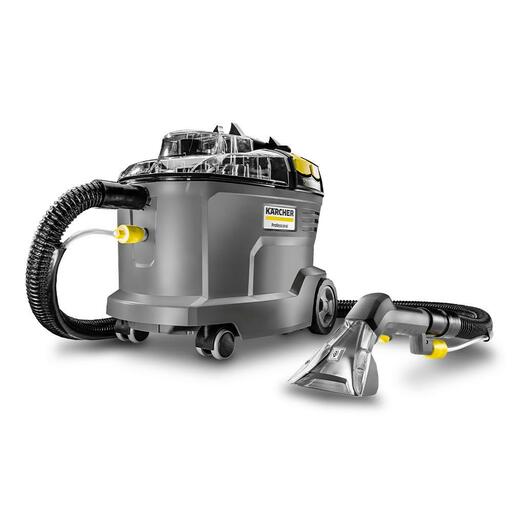

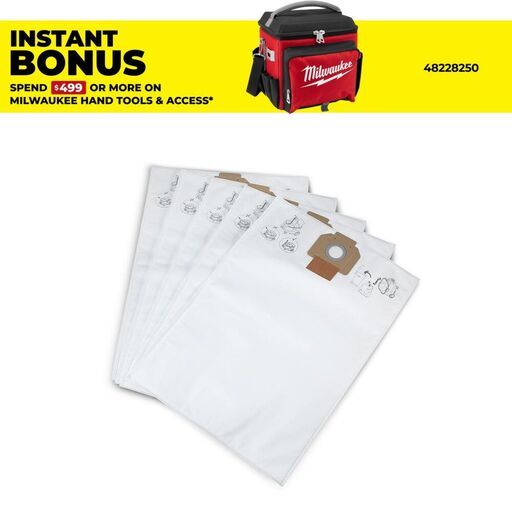

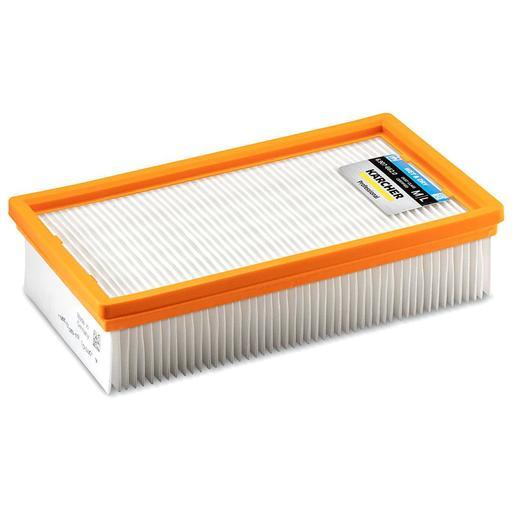


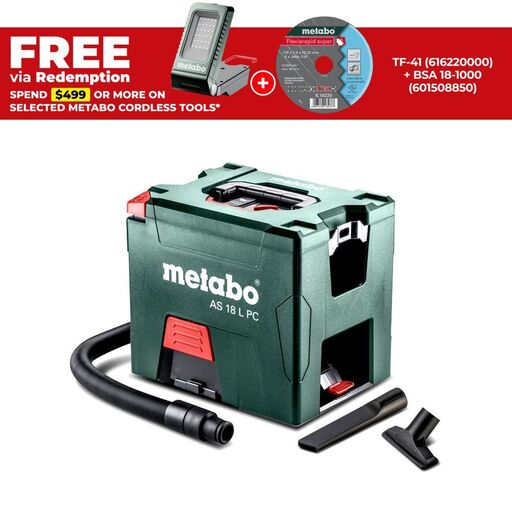


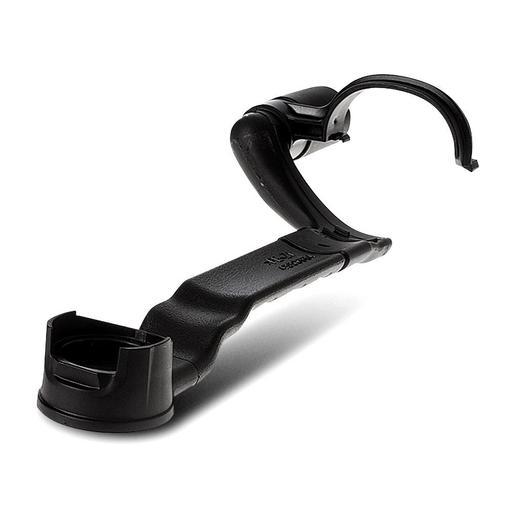

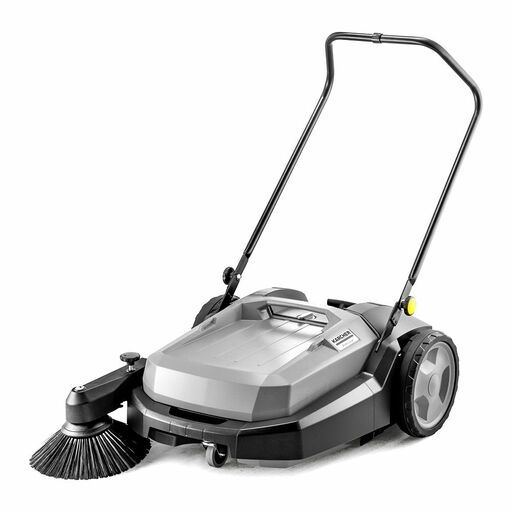


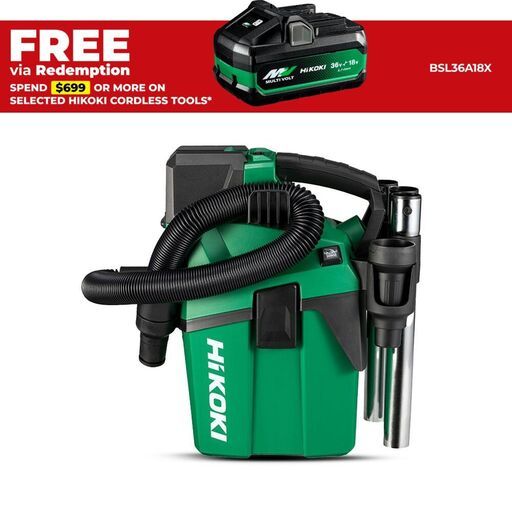










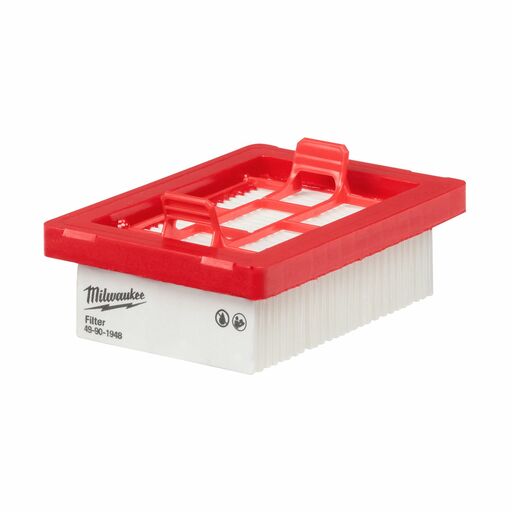


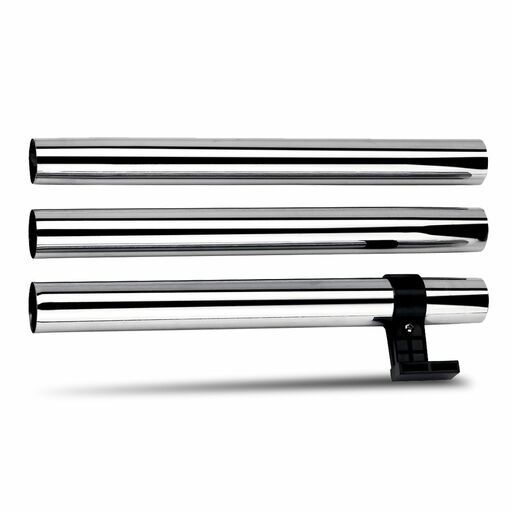
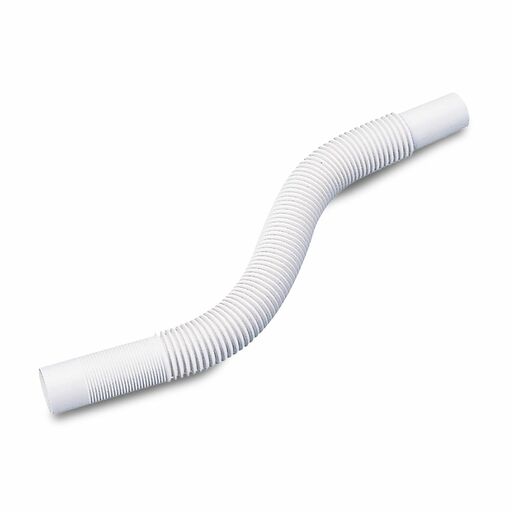
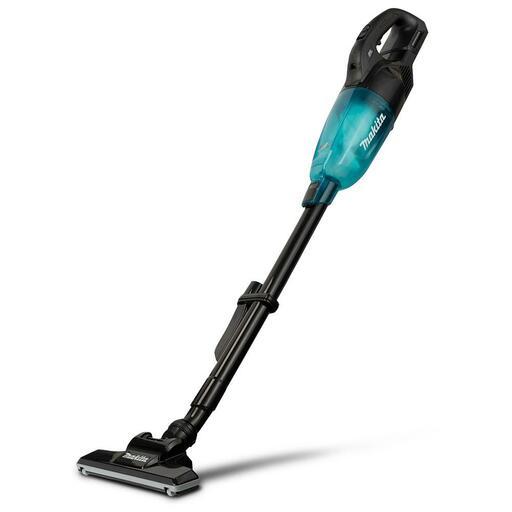
Why using a dust extractor makes a difference
Running a dust extractor isn’t just about cleaning up at the end of the day. It’s about protecting your health, reducing fine particles in the air, and helping your tools last longer.
A quality vacuum extractor can:
- Improve air quality by reducing fine, invisible dust
- Help reduce respiratory risks for you and your team
- Keep your tools and machinery working better for longer
- Reduce cleanup time and mess
- Support safe worksite practices, including M-class dust control requirements
Types of vacuum and dust extractors
The right dust extractor depends on what you're working with and where. Here’s a look at the main types:
Wet/dry extractors
Designed to handle both dry debris and liquid spills. Ideal for worksites, workshops and garages.
HEPA filter extractors
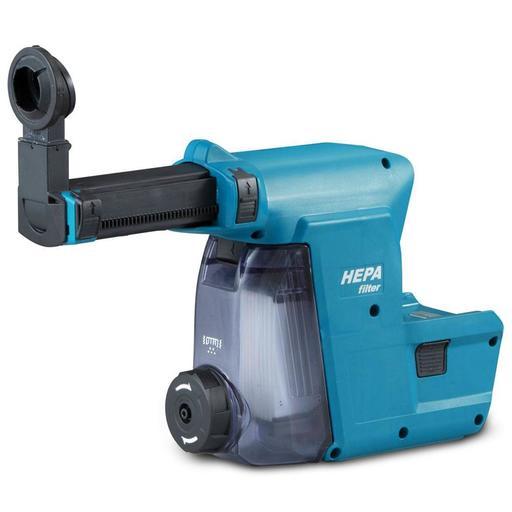
Use high-efficiency filters to capture fine and harmful particles—perfect when working with silica dust, MDF or paint removal.
Cyclonic extractors
Use airflow to separate large debris before it hits the filter. This helps reduce clogging and keeps suction consistent.
Portable extractors
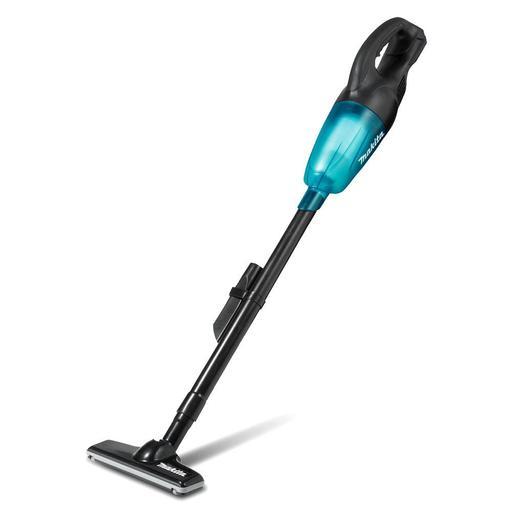
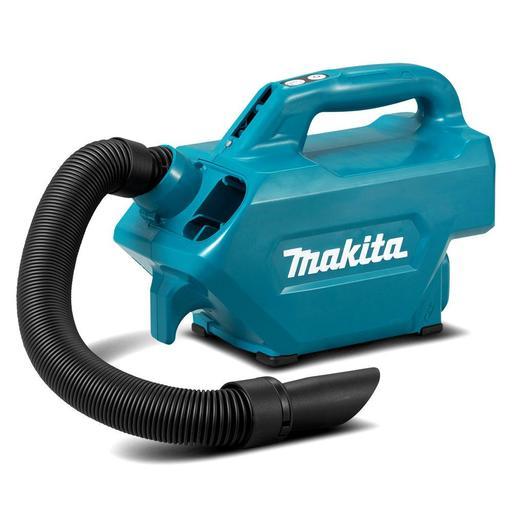
Smaller, lighter models that are easy to move around or store. Great for smaller spaces or mobile use.
Workshop extractors
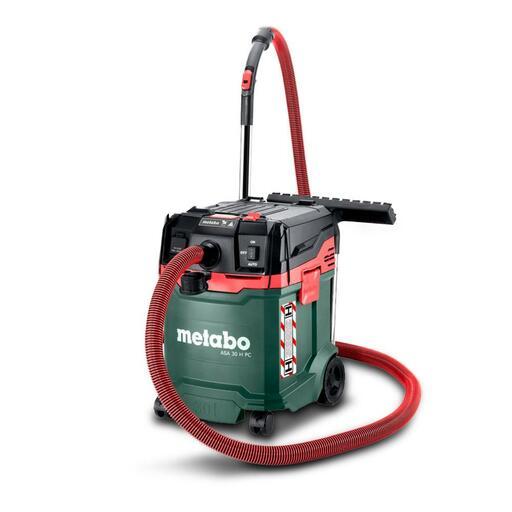
Built for fixed setups in garages or joinery shops. Often have larger tanks and stronger suction for continuous use.
What to look for in a dust extractor
Choosing the right vacuum extractor depends on your work style, the materials you handle, and the environment you’re working in. Here's what to compare:
- Airflow (CFM): Higher airflow means better dust pickup
- Suction power (kPa): Stronger suction helps remove fine dust or heavier debris
- Filtration: HEPA-rated or M-class filters are recommended for harmful or fine particles
- Tank capacity: Larger tanks reduce the need for frequent emptying
- Power source: Choose between corded models for consistent use or cordless for mobility
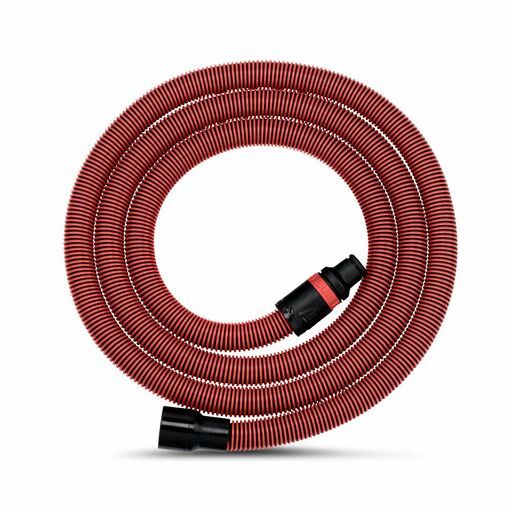
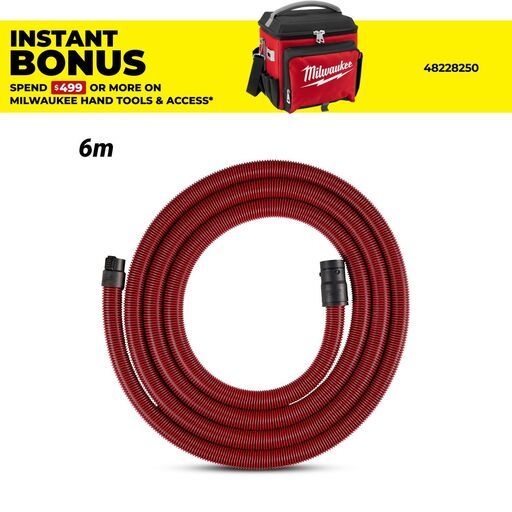
- Hose size: Wider hoses collect larger debris; length matters for reach
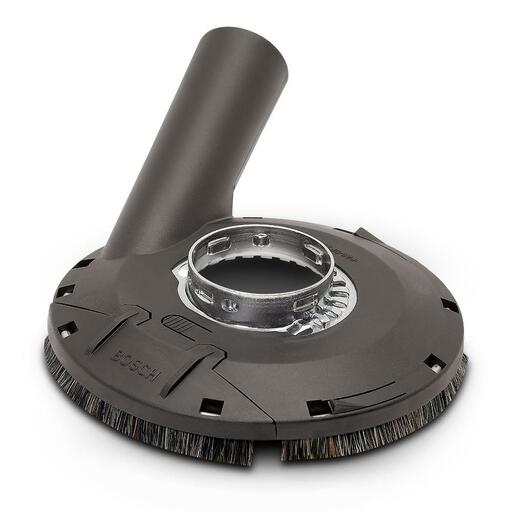
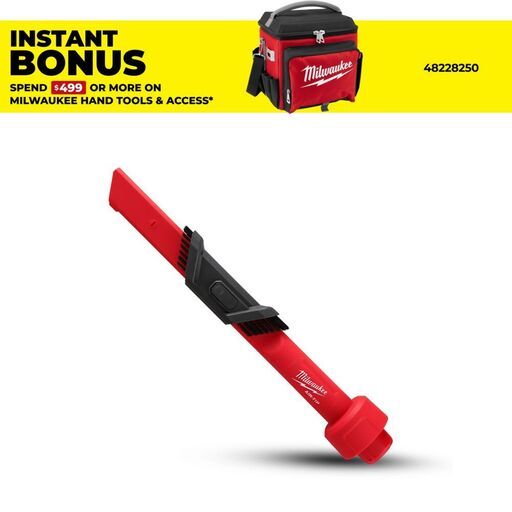
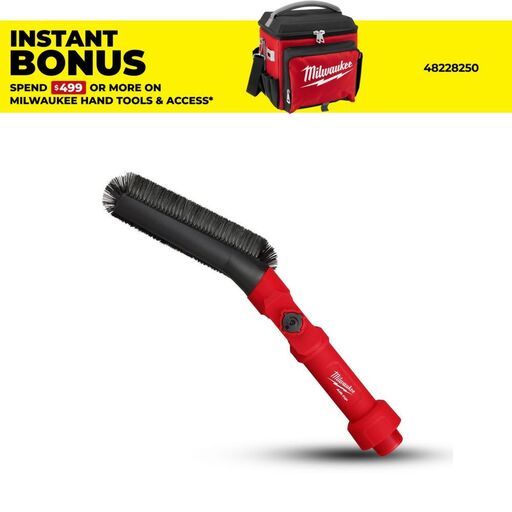
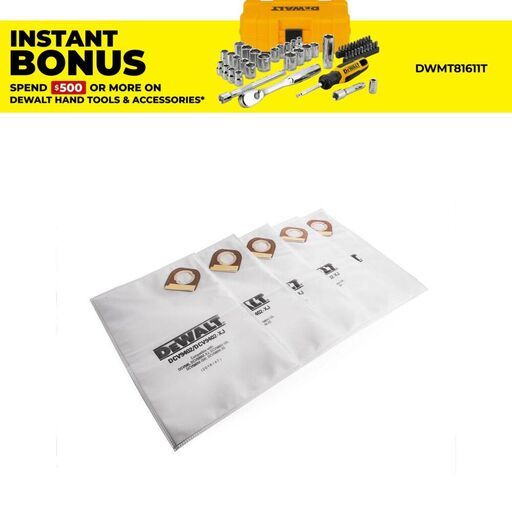
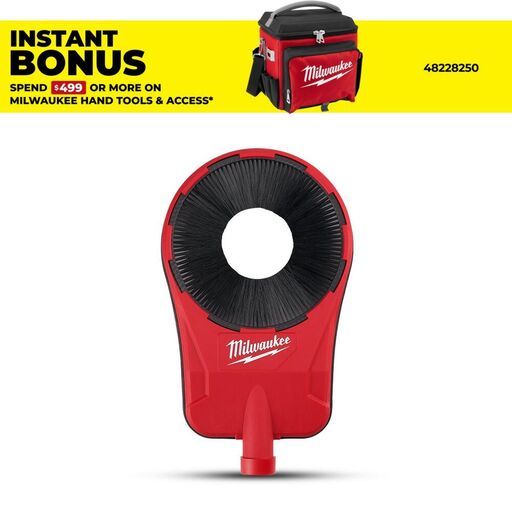
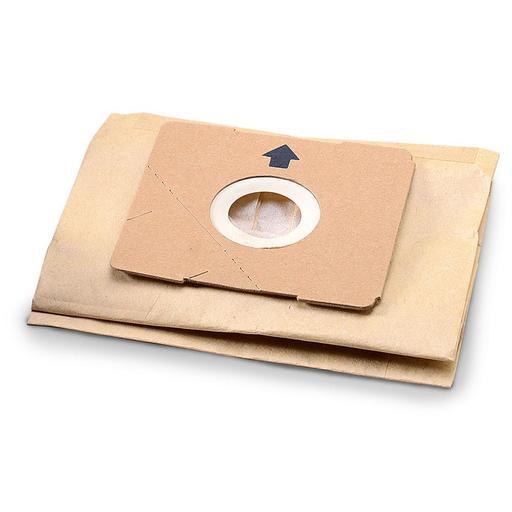
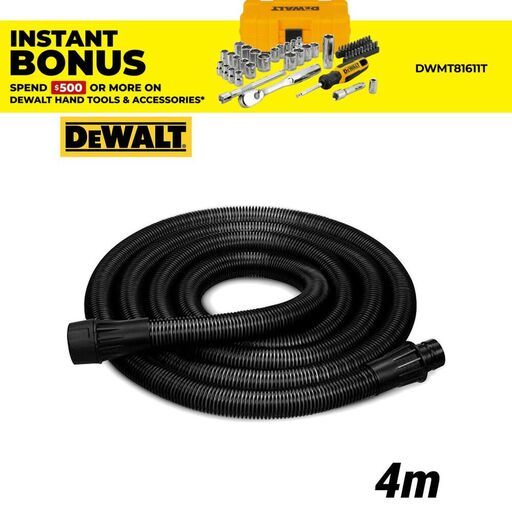
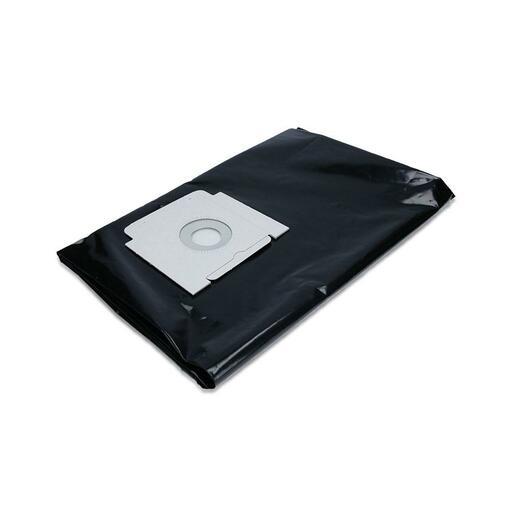
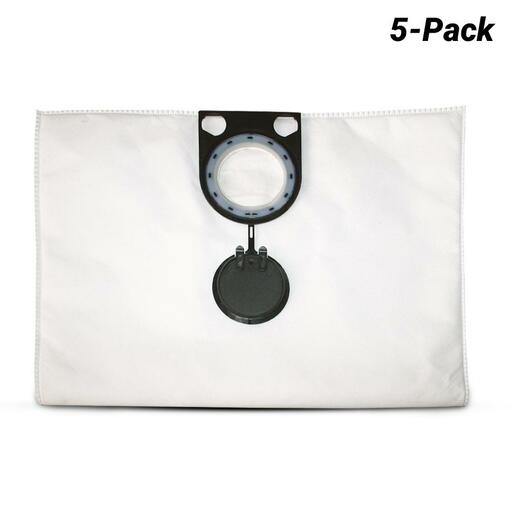
- Included accessories: Some come with floor heads, extension wands, tool adaptors or dust bags
Where vacuum and dust extractors are used
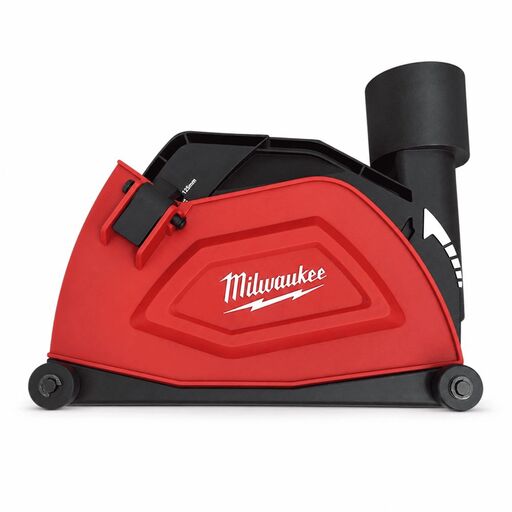
Dust extractors are more versatile than they get credit for. One of their most common uses is direct connection to power tools like sanders, saws, routers and planers keeping dust under control the moment it’s created. They’re also handy for cleaning up benches and floors after a day in the workshop, especially when there’s a mix of fine dust and larger debris.
On building sites, they make light work of concrete dust or cutting residue, while HEPA-rated models are ideal for capturing hazardous particles like silica during grinding or demolition.
Whether you’re in a commercial space or the back shed, vacuum extractors can handle both wet and dry clean-ups. They even come in handy for smaller jobs at home, especially when used alongside robot vacuum cleaners to keep the space tidy between bigger jobs.
Understanding filtration and HEPA filters
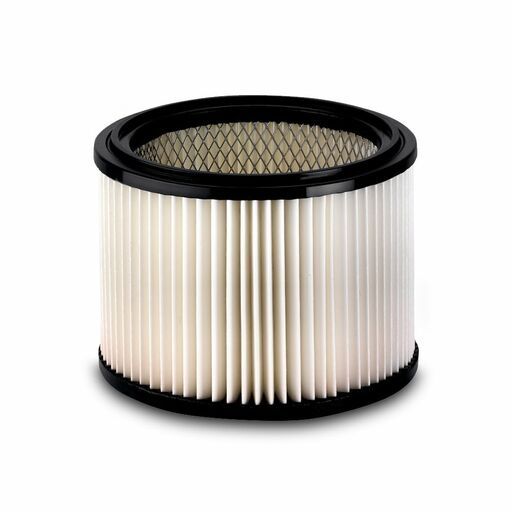
One of the most important features of any dust extractor is the filter. If you're dealing with fine dust, especially from concrete, fibreboard or sanding, standard filters often aren't enough.
HEPA filters (High-Efficiency Particulate Air) are designed to capture 99.97% of particles down to 0.3 microns. These are the particles you can’t see, but can still breathe in. On many commercial sites, HEPA or M-class rated machines are required by law.
Some extractors also use multi-stage systems, with a pre-filter or cyclone chamber to catch larger particles before they reach the main filter, helping extend the filter's lifespan and maintain suction.
Why choose Sydney Tools?
When you're investing in a dust extractor or vacuum extractor, it pays to buy from a team that knows the gear and stocks what tradies actually use. Here’s why more pros choose Sydney Tools:
- A wide range of dust extractors and vacuum extractors to suit all types of work and environments
- Trusted brands like Husqvarna, Milwaukee, Makita, DeWalt, Festool and more
- Options available for wet/dry cleanup, HEPA and M-class filtration, and tool connection
- Competitive pricing across the full range
- Fast, reliable delivery Australia-wide or easy click-and-collect in-store
- Knowledgeable staff who can offer advice on filters, compatibility and performance
- Stocked locally, so you can get what you need without delays
Frequently Asked Questions (FAQs)
What is a dust extractor and why do I need one?
A dust extractor or vacuum extractor removes dust, debris and particles from the air or work surface while you work, keeping your space cleaner and safer.
What are the different types of dust extractors available?
Wet/dry, HEPA filter, cyclonic, portable and workshop models are available, each designed for different work types and dust levels.
What does HEPA filtration mean and why is it important?
HEPA filters capture fine, harmful dust that standard filters miss, especially useful when working with concrete, MDF or plaster.
How do I choose the right size and type of dust extractor for my work?
Look at what materials you're working with, how much dust is produced, and whether you need mobility or fixed suction. Tank size, airflow and filter type are key.
Can dust extractors be used for both wet and dry materials?
Yes, many models are built to handle both solid debris and liquid spills.
Why is airflow (CFM) and suction power important in a dust extractor?
Higher airflow helps move dust quickly, while stronger suction pulls heavier or finer particles more effectively.
Can I connect a dust extractor directly to my power tools?
Yes, many come with tool adapters or auto-start functions to connect saws, sanders, and routers directly.
What are the benefits of a cyclonic dust extractor?
They separate out large dust before it hits the filter, keeping suction consistent and reducing clogging.
What brands of dust extractors does Sydney Tools stock?
You’ll find options from Milwaukee, Husqvarna, DeWalt, Festool, Makita, Metabo and more.
Ready to work clean?
Find the right dust or vacuum extractor for your job, tools, and workspace. Browse online or head into a Sydney Tools store near you, our team’s here to help.


