
Login
Login
- Popular Categories
- Shop By Brand
- Tool Accessories
- Air Compressor
- Hand Tools
- Laser Levels
- Mechanical Workshop
- Pressure Washers
- Welding
- Chainsaws
- Lawn Mowers
- Whipper Snippers
- Categories
- Adhesives & Sealants
- Air Tools
- Diamond Tools
- Fans
- Fasteners
- Generators
- Ladders
- Lubricants & Chemicals
- Power Garden
- Safety Equipment
- Scaffold
- Silica Dust Solutions
- Storage
- Test - Measure - Locate
- Transportation & Lifting
- Vacuum & Dust Extractors
- Water Pumps
Safety Equipment / Fire Extinguishers
When something sparks up on the job or the shed, there is no time to second guess when it comes to your safety equipment. A fire extinguisher isn’t just a backup plan, it will always be the first thing you should reach for when things start to go wrong. At Sydney Tools, we stock a range of fire extinguishers built to handle the real-world risks that tradies and homeowners alike would face. Whether you are on-site, sorting your garage, or even setting up new builds, we will always have you covered with reliable & compliant gear that does the job when it matters the most.
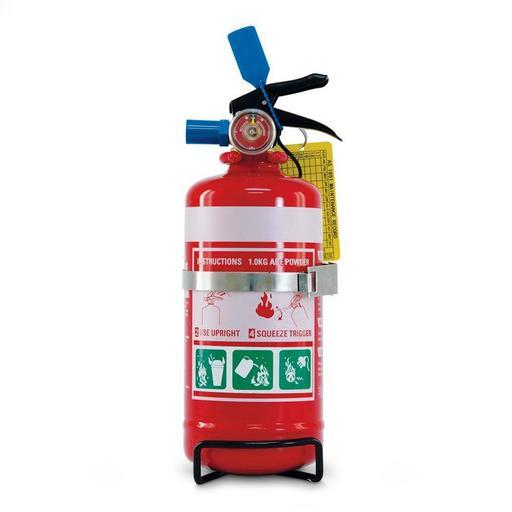
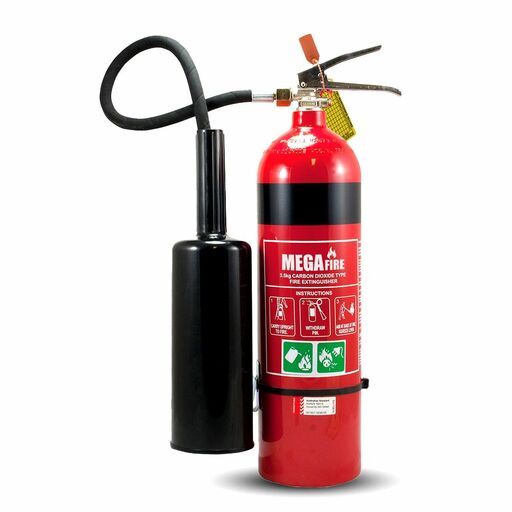
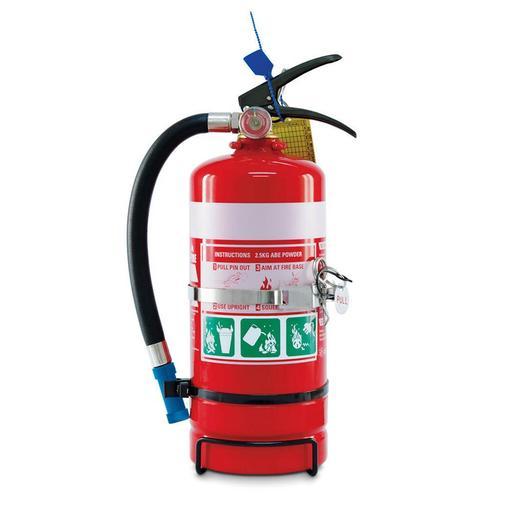


Each extinguisher we offer is selected for safety, ease of use, and under Australian compliance standards. From compact dry chemical units for smaller spaces to heavy-duty CO₂ models for industrial sites, there’s something you can use for any setup. Without a doubt you will find clearly labelled class ratings, pressure gauges, and solid construction across the board, because when the pressure is on, you want something you know will work, and not slow you down.
Why Fire Extinguishers Are Worth Having on Hand
Fires don’t give you much of a warning, and once they start every second is crucial. Having a fire extinguisher close by gives you a chance to control a situation that could escalate. It is one of the most basic safety measures for all workspaces, especially if you work in industries that revolve around fuel, tools and electrical gear. A fire extinguisher in the vicinity can help prevent a small incident from turning into a full-blown emergency.
This applies to all different scenarios, whether you are managing a high-risk commercial job, or something along the lines of running a residential job, or even just keeping your home and family safe, they are always essential. Fire extinguishers are cost-effective, easy to install, and simple to use, and by default are required by Australian workplace safety standards. Even if you never end up having to use one, having one nearby gives that peace of mind and security to prevent something serious from happening, and at the end of the day your safety will always be the number one priority.
What Type of Fire Are You Dealing With?
Not all fires react in the same way, meaning you can’t just use the same fire extinguisher for every situation. That’s why it's crucial to understand the different fire classes so you are able to effectively pick the correct type that suits your needs.
- Class A: Is for timber, cardboard, cloth and common materials. And is considered to be the most common fire starter.
- Class B: This class is for flammable liquids such as fuels, oils, paints & solvents. These fires are hard to stop as they tend to spread fast since they are flammable.
- Class C: These are for fires that are started by flammable gases such as gas, propane & methane. If not handled properly could lead to explosions.
- Class D: This class involves combustible metals such as magnesium, potassium, aluminum and sodium. A special fire extinguisher will need to be used as the fires associated with this class are exceptionally hot.
- Class E: Used for electrical fires, mainly caused by faulty equipment and faulty wiring & overloaded circuits. Commonly found with everyday appliances such as computers, chargers, tvs and any kitchen equipment.
- Class F: These fires are specifically unique to kitchen environments, and are mainly caused by cooking oil and greases.
- ABE: Versatile choice that can cover Classes A, B and E.
Using the wrong fire extinguisher not intended for its correct purpose can make the situation much worse, especially in kitchens or near electrical circuits. For example, if you were to spray water on a Class F fire (grease) or a wire that is live it would cause more harm and damage than good. So before you purchase, it will always be worth it to take an extra few minutes to check your fire extinguisher label and affirm that it is the correct fire extinguisher to use in your situation.
Which One Should You Choose?
If you are unsure of which one to buy, consider your environment, the materials around you and the type of work being done. A 1kg fire extinguisher would be suitable for a small worksite and in the back of your ute. While 4.5kg or even 9kg units would be more suitable for a larger workplace such as a warehouse or any high-traffic commercial area. If you are still unsure, the guide above for correct fire extinguisher types should explain it properly.
Frequently Asked Questions (FAQs)
What are the different classes of fire extinguishers and what types of fires do they put out?
Each class refers to a different fuel type. Class A is for things like timber and cardboard. Class B covers flammable liquids. Class C is used for flammable gasses. Class D is made for combustible metals, Class E is for electrical fires & Class F is for cooking oils.
What are the other fire safety products offered by Sydney Tools?
We also have fire blankets, sealants, fire safety signs and hoses. Alongside different types of job site safety equipment suited for each individual's needs.
What size fire extinguisher do I need?
For small spaces and cars, a 1-2kg fire extinguisher should suffice. For medium-sized workshops and industrial sites 4.5kg - 9kg would be ideal. And for anything bigger, get the largest available size you can find.
Where should fire extinguishers be located?
Should be mounted and visible somewhere that is easily accessible. It should be placed near a hazard site, so it can be used as soon as a problem arises.
How do I use a fire extinguisher? (Briefly mention PASS acronym might be helpful)
Generally you should follow the PASS method, which is to pull the pin, aim at the base of the fire, squeeze the handle and sweep side to side. Remember to aim at the base of the fire and not the top as that will not be nearly as effective.
How often do fire extinguishers need to be inspected or serviced?
General rule of thumb should be every six months, to ensure that everything will work properly and is up to standards. Remember to service the broken parts, and see if there are any missing pins or if something doesn't look right.
What is the Australian Standard for fire extinguishers?
There are two standards which are AS 2441 & AS 1851. AS 2441 is more centered on the installation and the functionality of the fire extinguishers, whereas AS 1851 is more about the maintenance and the servicing of the fire extinguishers. Both of these complement each other and are both needed.
Can I use a water-based extinguisher on an electrical fire?
No, as a water based fire extinguisher will only make the situation worse, as it will cause the fire to spread and can lead people to get electrocuted. For situations like this you must use a fire extinguisher that has a dry powder and not a liquid.
What type of fire extinguisher is required for a kitchen?
Class F will be the best option as they are designed for kitchen environments.
Does Sydney Tools offer different sizes of fire extinguishers?
Yes in your range we have: 1kg, 2.5kg, 3.5kg, 4.5kg and 9kg.


