
Login
Login
- Popular Categories
- Shop By Brand
- Tool Accessories
- Air Compressor
- Hand Tools
- Laser Levels
- Mechanical Workshop
- Pressure Washers
- Welding
- Chainsaws
- Lawn Mowers
- Whipper Snippers
- Categories
- Adhesives & Sealants
- Air Tools
- Diamond Tools
- Fans
- Fasteners
- Generators
- Ladders
- Lubricants & Chemicals
- Power Garden
- Safety Equipment
- Scaffold
- Silica Dust Solutions
- Storage
- Test - Measure - Locate
- Transportation & Lifting
- Vacuum & Dust Extractors
- Water Pumps
Pressure Washers / Pressure Washer Hoses & Reels
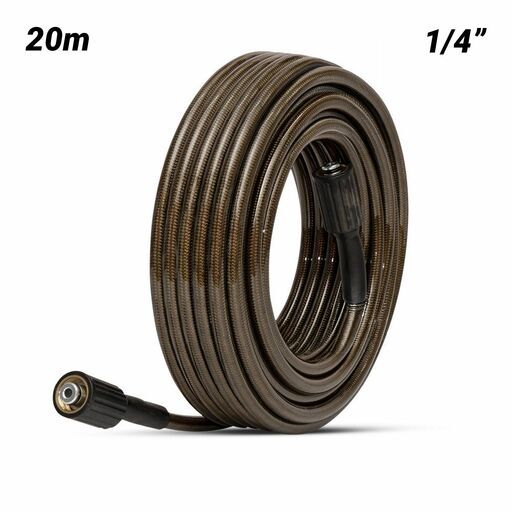
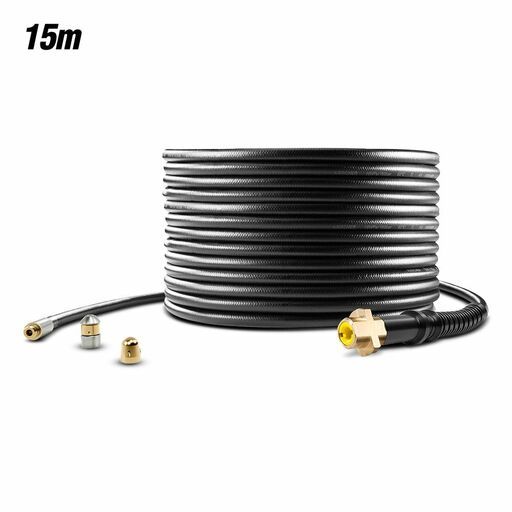
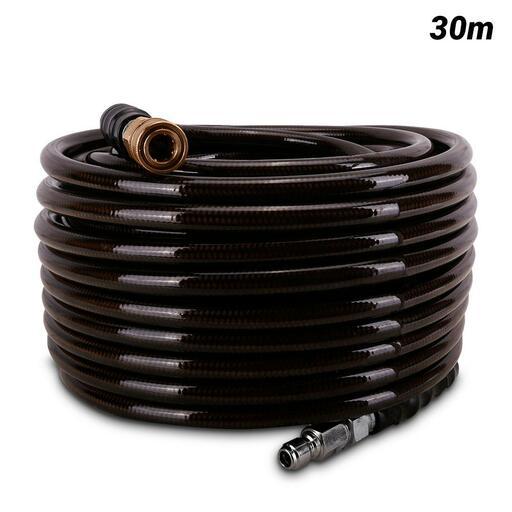
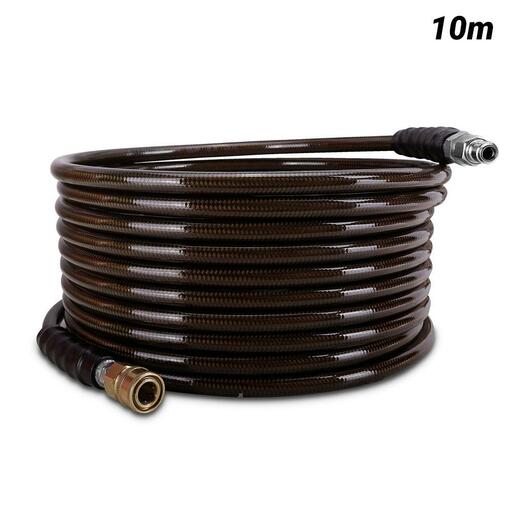
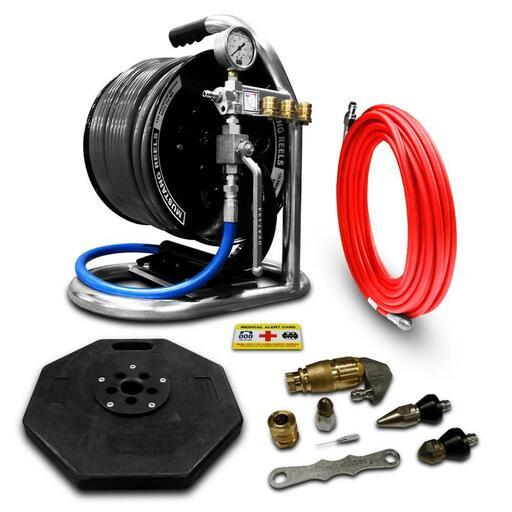
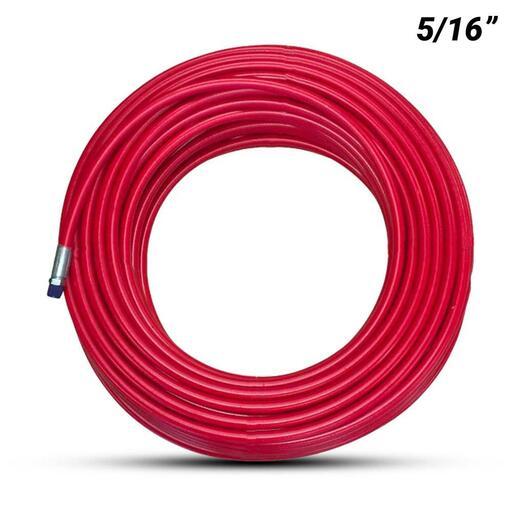
High-pressure hoses are essential components in various applications, including pressure washers, cleaning tasks, and industrial settings. Sydney Tools offers a diverse selection of nozzle and cleaning detergents, that cater to different needs and ensuring durability and versatility.















FAQs (Frequently Asked Questions)
Are high-pressure hoses suitable for residential and commercial use?
High-pressure hoses are suitable for both residential and commercial use, with specific models designed to cater to the needs of each.
- Residential Use: In homes, high-pressure hoses are commonly used with pressure washers for tasks like cleaning driveways, patios, vehicles, or even washing exterior walls. These hoses are durable enough to handle everyday cleaning tasks while being easy to store and manage.
- Commercial Use: In commercial settings, high-pressure hoses are required for more demanding tasks, such as heavy-duty industrial cleaning, surface preparation, or equipment maintenance. These hoses often need to withstand higher pressures and be more resistant to wear and tear
View our Pressure washer wands and lances to see what will suit your cleaning needs.
What are the key features to look for in a high-pressure hose?
When selecting a high-pressure hose, several key features should be considered to ensure optimal performance, durability, and suitability for your specific needs.
Here are the most important factors:
- Pressure Rating
- Material
- Length
- Abrasion and Kink Resistance
- Fittings
- Flexibility
- Reinforcement
Are high-pressure hoses resistant to kinks and abrasions?
Many high-pressure hoses are designed to be resistant to both kinks and abrasions, though the degree of resistance can vary depending on the hose material and construction.
Kink Resistance:
High-pressure hoses can be designed with features to prevent kinking, which occurs when the hose bends too sharply and restricts water flow or damages the internal structure.
Abrasion Resistance:
Abrasion resistance is also an important feature for high-pressure hoses, especially in environments where the hose will come into contact with rough surfaces. Hoses with abrasion-resistant exteriors are built to withstand wear and tear, extending their lifespan.
How do I properly maintain and store a high-pressure hose?
Proper maintenance and storage of a high-pressure hose are essential to ensuring its longevity, reliability, and optimal performance.
Here are some key tips:
- Regular Inspection
- Check for leaks, cracks, or damage: Before each use, visually inspect the hose for any signs of wear, such as cuts, abrasions, or leaks. Look for any bulging or exposed wires if your hose has internal reinforcement.
- Proper Use
- Avoid excessive kinking: When using the hose, try to avoid sharp bends that could cause kinks or internal damage. Always handle the hose gently.
- Do not drag the hose: Never drag the hose on rough or sharp surfaces. Always lift and move the hose to prevent abrasion or damage.
- Cleaning the Hose
- Flush after use: After every use, run clean water through the hose to flush out any detergent, chemicals, or debris. This helps to prevent internal buildup that could clog the hose or reduce efficiency.
- Storing the Hose
- Store in a cool, dry place: Keep the hose away from direct sunlight, extreme heat, and freezing temperatures, as UV rays and extreme conditions can degrade the material over time.
- Hang the hose: If possible, use a hose reel or wall-mounted hook to hang the hose when not in use. This keeps it off the ground and helps prevent unnecessary stress on the hose material.
- Regular Maintenance
- Lubricate the fittings: Periodically lubricate the couplings with a silicone-based spray or lubricant to ensure smooth connections and prevent rust or corrosion.
- Check for wear and replace if necessary: Over time, the hose may start to show signs of wear. If you notice significant damage (e.g., worn-out sections or excessive leaks), it’s best to replace the hose rather than risk it failing during use.
Be sure to explore our range of pressure washer connectors or pressure washer parts to assist with proper maintenance.


