
Login
Login
- Popular Categories
- Shop By Brand
- Tool Accessories
- Air Compressor
- Hand Tools
- Laser Levels
- Mechanical Workshop
- Pressure Washers
- Welding
- Chainsaws
- Lawn Mowers
- Whipper Snippers
- Categories
- Adhesives & Sealants
- Air Tools
- Diamond Tools
- Fans
- Fasteners
- Generators
- Ladders
- Lubricants & Chemicals
- Power Garden
- Safety Equipment
- Scaffold
- Silica Dust Solutions
- Storage
- Test - Measure - Locate
- Transportation & Lifting
- Vacuum & Dust Extractors
- Water Pumps
Plumbing / Tube Cutters
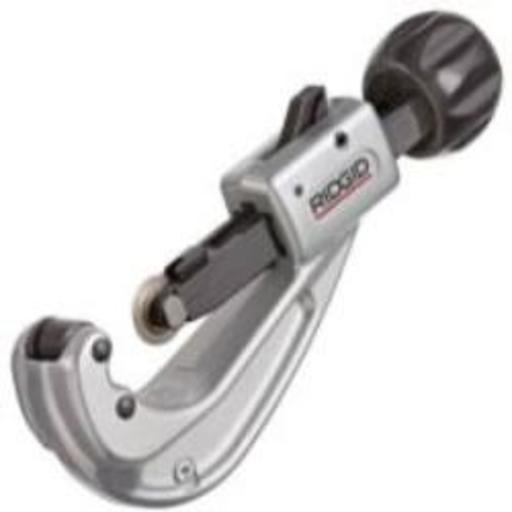
There are plenty of different ways to get a pipe cut, but what never changes is the demand for quality. When it comes to your choice of pipe cutter, we always keen to recommend that you go with a trusted brand.
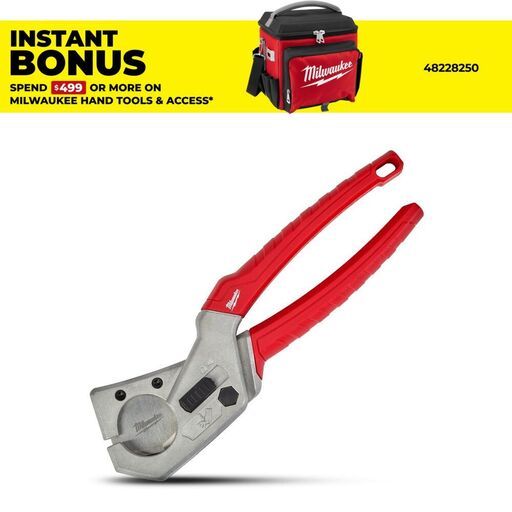
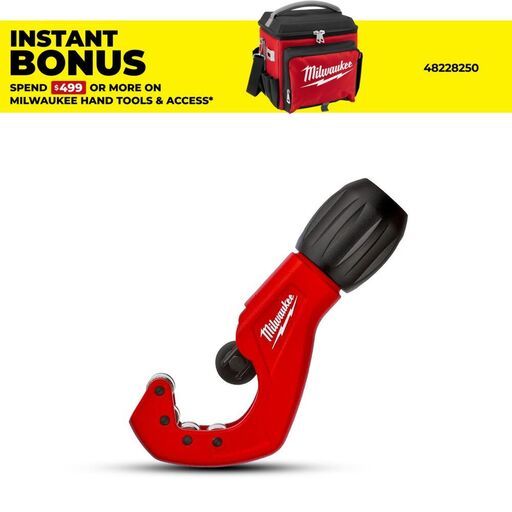
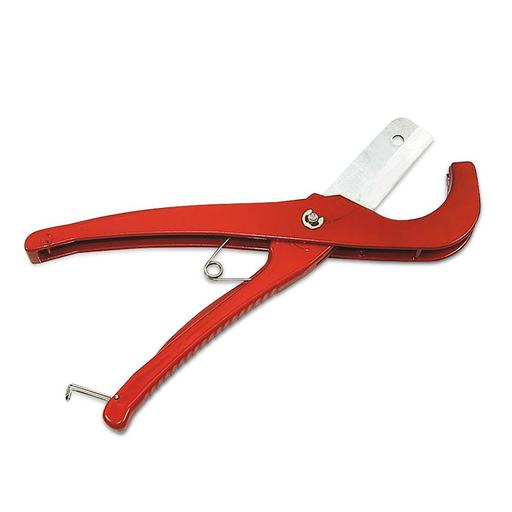
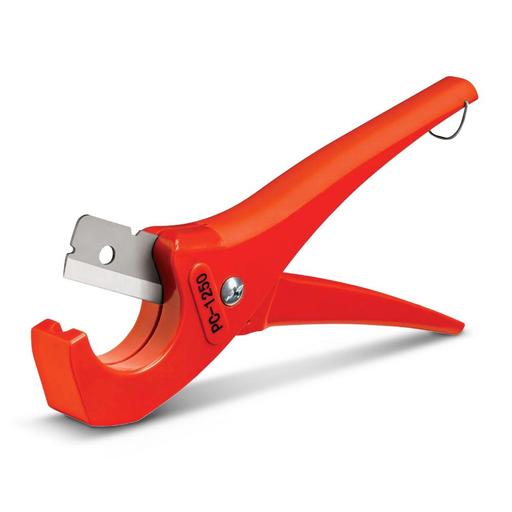
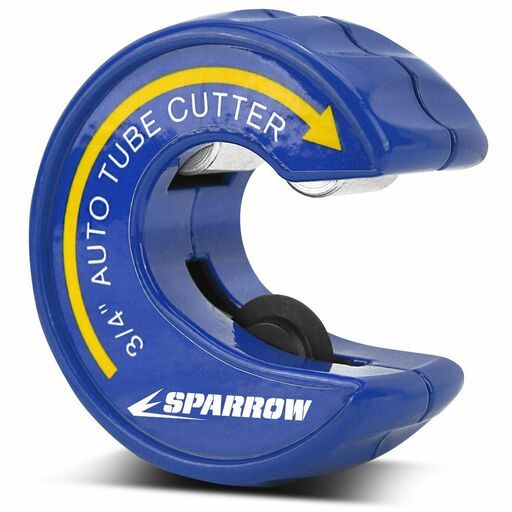
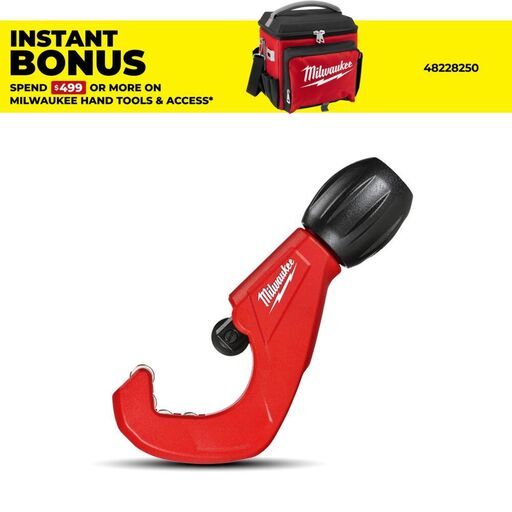
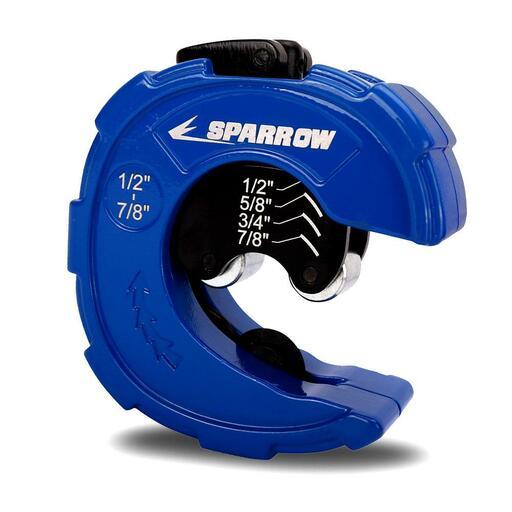
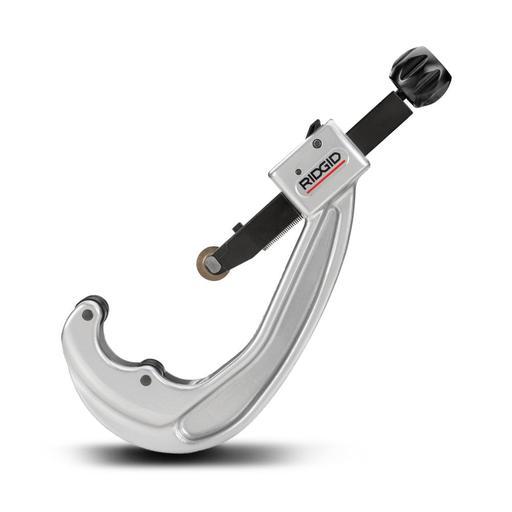
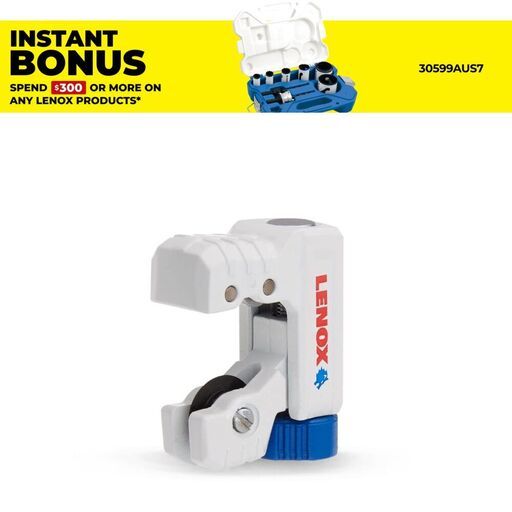
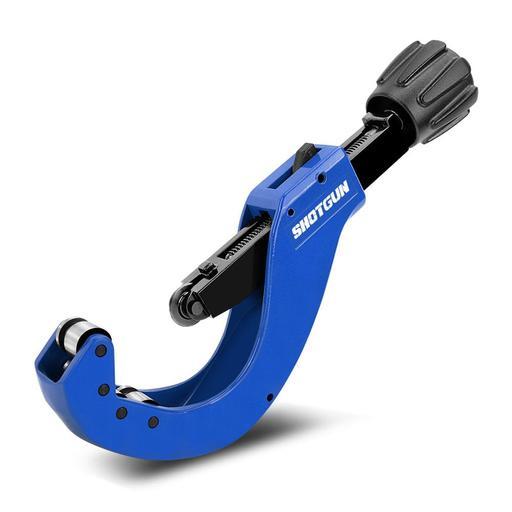
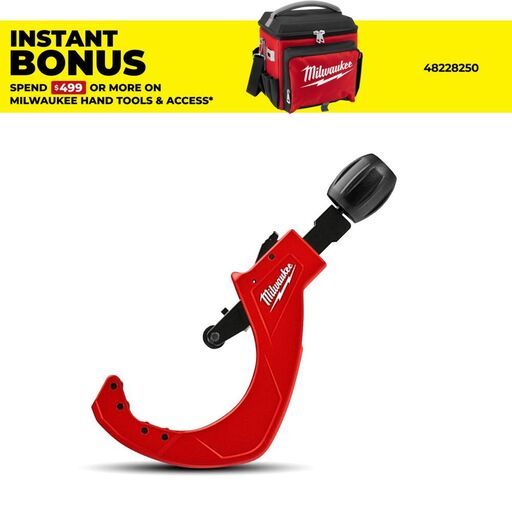
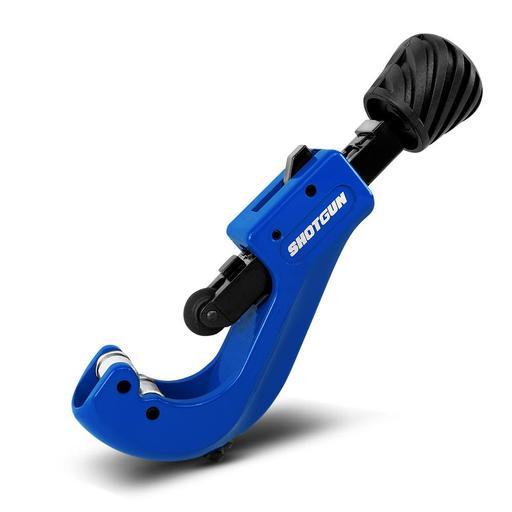
Here at Sydney Tools, we stock a broad range of pipe cutting solutions from all the leading brands in plumbing and hardware. Take a look below and you’ll see we stock PVC and steel tube cutting solutions from Milwaukee, Ridgid, PlumBOSS, Lenox and more.

































Benefits of Using the Right Tube Cutter:
- Cleaner Cuts
- Delivers smooth, precise cuts without burrs or jagged edges.
- Improves the quality of the finish.
- Less Post-Processing
-
- Minimises the need for deburring, sanding, or grinding.
- Saves time and effort in preparation before joining or fitting.
- Reduced Risk of Pipe Damage
-
- Designed specifically for tubing materials like copper, PVC, or steel.
- Maintains the integrity and roundness of the pipe for proper sealing.
- Faster Work
-
- Cuts through tubing more efficiently than general-purpose tools like hacksaws.
- Speeds up repetitive cutting tasks in both workshop and on-site settings.
- Improved Accuracy in Fittings and Joins
-
- Ensures square, even cuts for better-fitting connections and leak-free joints.
- Essential for plumbing, HVAC, and metalworking applications where precision matters.
- Greater Efficiency for DIY and Trade Professionals
- Boosts productivity by making clean, accurate cuts with minimal effort.
- Ideal for both occasional DIYers and tradespeople who need reliable results every time.
Types of Tube Cutters (by Application):
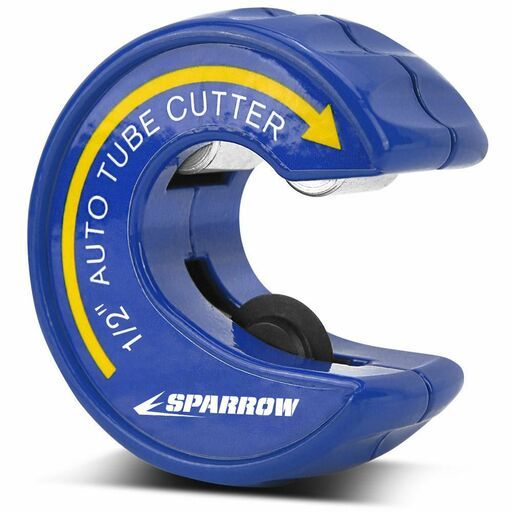
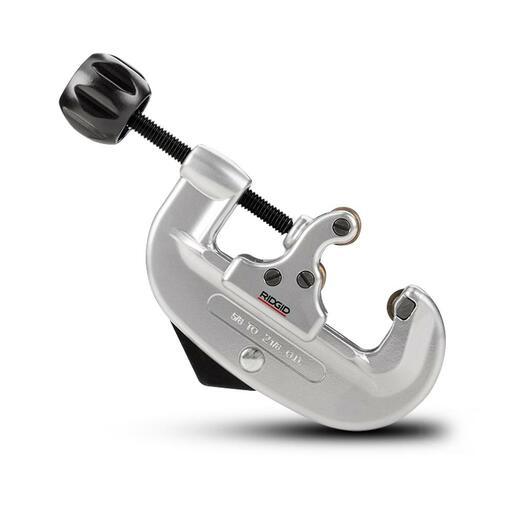
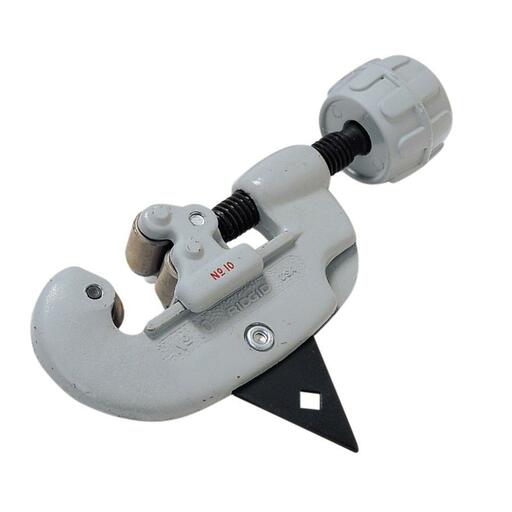
Copper Tube Cutters - Are designed for clean, precise cuts on soft copper pipes, they are commonly used in plumbing, HVAC installation and refrigeration work. Featuring smooth roller operations, compact design and minimal pipe deformation.
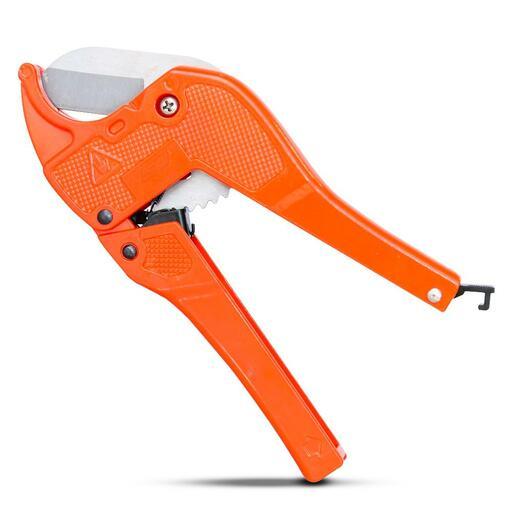
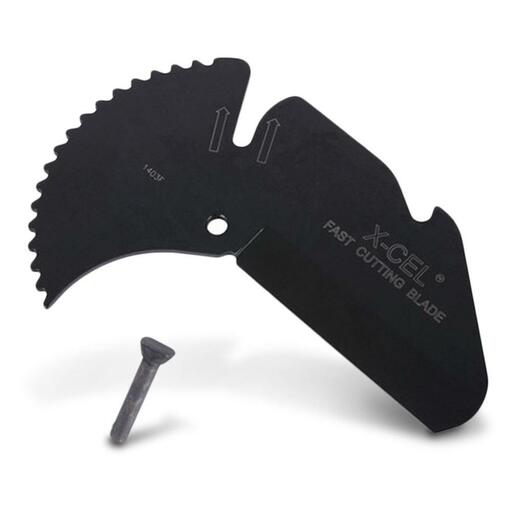
Plastic/PVC Tube Cutters – Designed for cutting plastic piping such as PVC, CPVC and PEX, they are commonly used for irrigation, plumbing, and electrical conduit. Feature ratcheting or scissor-style blades for fast clean cuts.
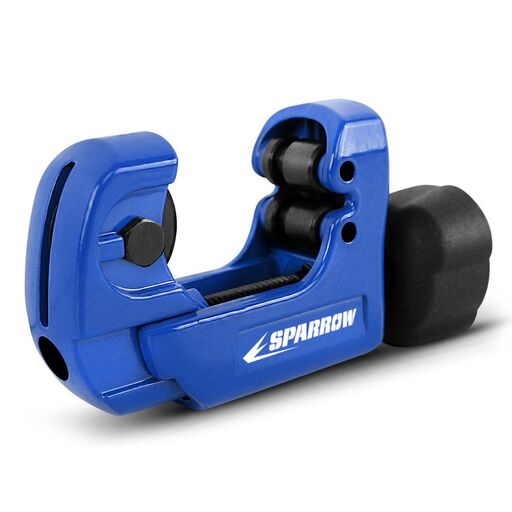
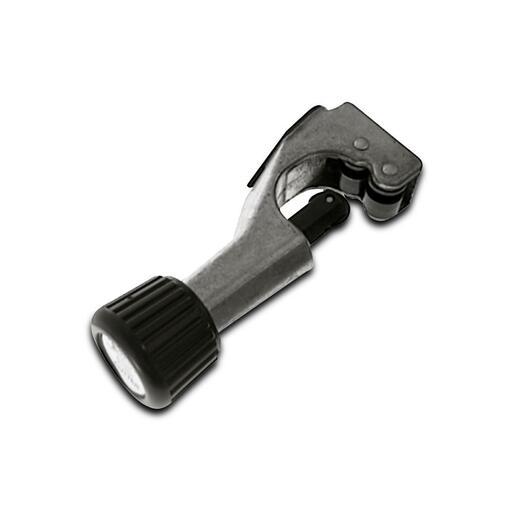
Mini Tube Cutters – Ideal for working in tight or hard-to-reach spaces, especially in confined installations such as under-sink plumbing, behind walls or in engine bays. Features include compact builds with the same cutting power as larger models.
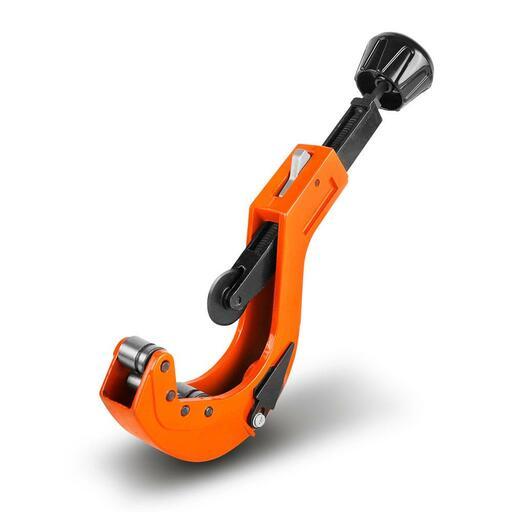
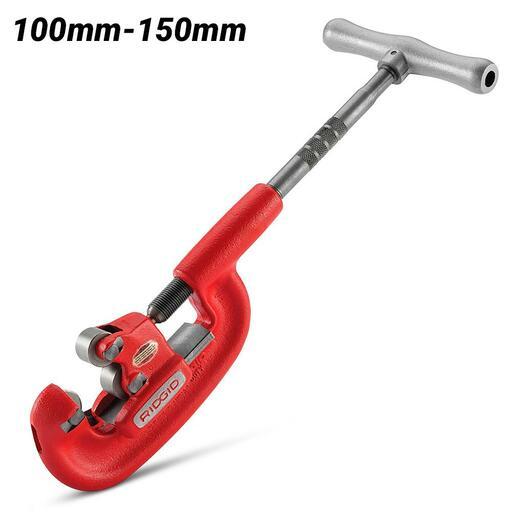
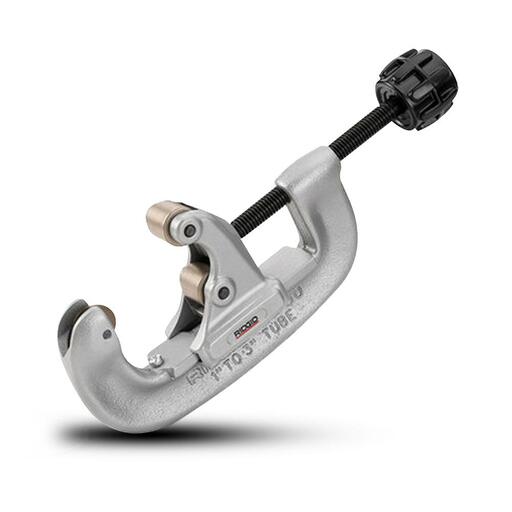
Heavy-Duty or Industrial Cutters – Suitable for stainless steel, thick-walled tubing or hard metals, these are commonly used in industrial, commercial or mechanical trades. Features include reinforced construction, high strength blades and extended cutting capabilities.
Multi-Material Tube Cutters – Versatile options capable of cutting a variety of non-ferrous materials such as copper, aluminum, plastic and others. Their common use is for general purpose trade or DIY use, with adjustable cutting depth and interchangeable wheels for materials specifics.
Key Features to Consider
Pipe or tube diameter compatibility - Ensure the cutter suits the range of pipe sizes you work with.
Blade type and sharpness - Look for high-quality, hardened steel or alloy blades for long-lasting sharpness and smooth, clean cuts.
Ratcheting or rotary cutting mechanisms - Ratcheting cutters are ideal for plastic tubing, whereas rotary cutters are better suited for metal pipes.
Quick-change or replaceable blades - Models with tool-free blade replacement save time and maintain performance without delays.
Clean-cut capability with minimal burring - Essential for ensuring strong, leak-proof joints and reducing post-cut cleanup
Suitability for wet, dry, or overhead conditions - Choose rust-resistant materials and grips that stay secure even in wet or high-up environments, like plumbing maintenance or roof installations
Manual vs Ratcheting Tube Cutters
Manual Tube Cutters
- Best For: General use, light duty and occasional jobs
- Cutting Force: requires more strength and manual effort
- Speed: Slower
- Precision: Excellent for soft materials
- Easy of Use: simple design easy to maintain
- Application: DIY, plumbing maintenance, small copper pipes
- Tool Size: More compact
- Cost: More affordable
Ratcheting Tube Cutters
- Best For: Trade use, repetitive tasks and cutting thicker tubing
- Cutting Force: Minimal effort
- Speed: Faster and smoother
- Precision: Consistent and clean cuts
- Easy of Use: More ergonomic for prolonged use
- Application: Professional plumbing, HVAC, electrical, industrial jobs
- Tool Size: Bulkier due to ratcheting mechanism
- Cost: Higher cost, but better for frequent use
Why Choose Sydney Tools for Tube Cutters:
At Sydney Tools we offer a wide selection of professional grade tools, with options for every trade and materials whether you're a plumber, HVAC, electrical or DIYer Sydney Tools has cutters suited to your specific materials and job requirements.
Shop reliability with Sydney Tools from high performance products from brands known for durability and precision. Additionally, get your helpful guidance from our experienced staff to ensure you choose the right cutter for your needs.
Frequently Asked Questions (FAQs)
What is a tube cutter?
A tube cutter is a specialised tool designed to cut tubes or pipes made from materials such as copper, plastic, or aluminium. It typically consists of a sharp cutting wheel and rollers to hold and rotate the tube, ensuring a clean and precise cut.
How do I use a tube cutter effectively?
To use a tube cutter:
- Measure and mark the desired cut length on the tube.
- Place the tube into the cutter, aligning the mark with the cutting wheel.
- Tighten the cutter's knob just enough to hold the tube securely without deforming it.
- Rotate the cutter around the tube, tightening the knob slightly after each full rotation.
- Continue rotating until the tube is completely cut through.
This method ensures a straight and clean cut, minimising the need for additional finishing work.
What materials can tube cutters handle?
Tube cutters are suitable for cutting various materials, including copper, plastic, brass, and aluminium. However, the effectiveness depends on the cutter's design and the material's hardness. For instance, cutting stainless steel or cast iron may require specialised cutters or blades.
How do I prevent the tube cutter from slipping or "walking" during use?
To prevent the cutter from slipping:
- Ensure the cutter is properly aligned with the tube before starting.
- Apply consistent, moderate pressure while rotating the cutter.
- Avoid excessive tightening of the cutter's knob, which can cause the cutter to bind or slip.
These practices help maintain control and achieve a precise cut.
How can I achieve a clean, burr-free cut with a tube cutter?
To obtain a clean, burr-free cut:
- Use a sharp cutter appropriate for the tube's material and diameter.
- Rotate the cutter forward and backward during the cutting process to keep it aligned and prevent it from "walking" down the pipe.
- After cutting, use a deburring tool or reamer to remove any burrs from the tube's interior and exterior surfaces.
This approach ensures the tube is ready for further assembly or installation without flow restrictions.
How do I maintain my tube cutter?
To maintain your tube cutter:
- Regularly clean the cutter to remove debris and buildup.
- Lubricate moving parts as recommended by the manufacturer to ensure smooth operation.
- Inspect the cutting wheel for wear and replace it if it becomes dull or damaged.
Proper maintenance extends the tool's lifespan and ensures consistent cutting performance.
Can tube cutters be used to cut pipes as well?
Tube cutters and pipe cutters are terms often used interchangeably, but they can differ in design and application. Tube cutters are typically used for cutting thin-walled tubes, while pipe cutters are designed for thicker-walled pipes. Always verify that your cutter is suitable for the material and thickness of the pipe or tube you intend to cut.
Are there limitations to the size of tubes a cutter can handle?
Yes, tube cutters are designed to handle specific tube sizes. Mini tube cutters are suitable for small-diameter tubes, while heavy-duty cutters can handle larger diameters. Always check the cutter's specifications to ensure it can accommodate the size of the tube you plan to cut.
How can I ensure accurate measurements when cutting tubes?
To ensure accurate measurements:
- Use a reliable measuring tape or ruler to mark the desired cut length.
- Double-check measurements before cutting.
- Align the cutter carefully with your marks to maintain precision.
These steps help achieve consistent and accurate cuts for your projects.
Can tube cutters be used for cutting tubes made from any material?
Tube cutters are primarily designed for cutting materials like copper, plastic, brass, and aluminium. Using them on harder materials such as stainless steel or cast iron may require specialised cutters or blades. Always refer to the manufacturer's guidelines regarding the materials compatible with your specific tube cutter.
Shop online for PVC and steel tube cutting gear with Sydney Tools
Sydney Tools is where to turn for the gear you need to take on the next gig. We pride ourselves on being the people to turn to for quality advice and products that plumbers and home improvement enthusiasts rely on.
We have a standing Price Match Promise that ensures you’re only ever paying the best prices available. To find your nearest Sydney Tools hardware store, you can look to our store locator.


