
Login
Login
- Popular Categories
- Shop By Brand
- Tool Accessories
- Air Compressor
- Hand Tools
- Laser Levels
- Mechanical Workshop
- Pressure Washers
- Welding
- Chainsaws
- Lawn Mowers
- Whipper Snippers
- Categories
- Adhesives & Sealants
- Air Tools
- Diamond Tools
- Fans
- Fasteners
- Generators
- Ladders
- Lubricants & Chemicals
- Power Garden
- Safety Equipment
- Scaffold
- Silica Dust Solutions
- Storage
- Test - Measure - Locate
- Transportation & Lifting
- Vacuum & Dust Extractors
- Water Pumps
Plumbing / Grout
Plumbing Grout is a dense, water resistant material that seals joints between tiles or plumbing fixtures like sinks, prevents leaks by creating a waterproof barrier and provides structural support minimising movement.
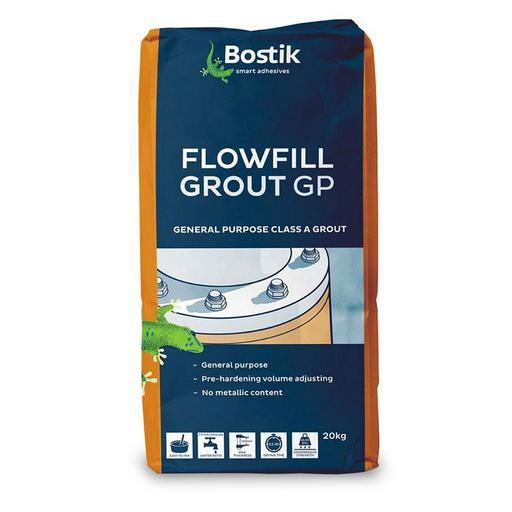
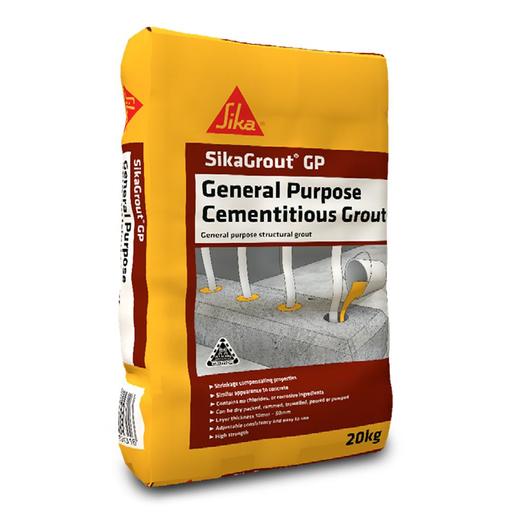

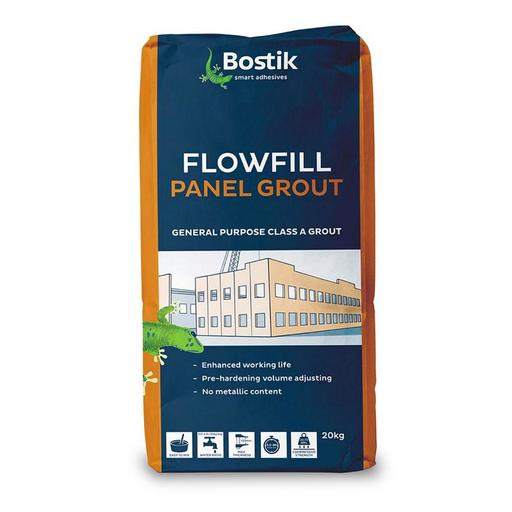


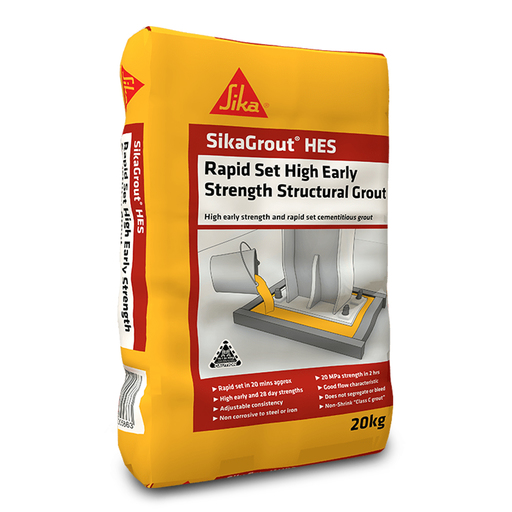
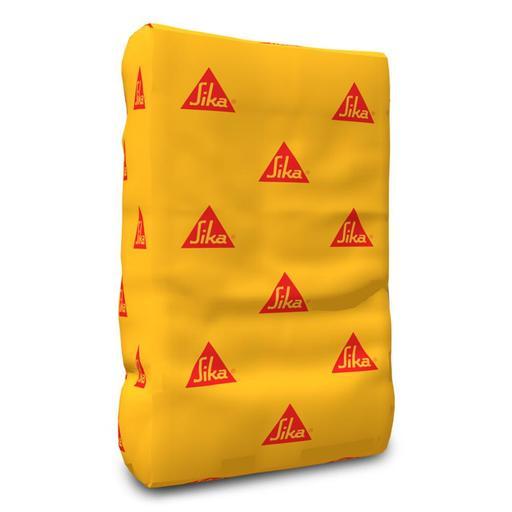
There are many different types of plumbing grout that are specialised for specific materials, application and environmental conditions. Such as cement-based, epoxy-based, silicon based and much more:
Cement-Based Grout
- Composed of portland cement, sand and water
- Cost effective and widely available
- Easy application and cleaning
- Suitable for residential and commercial applications
- Types of application:
- Sealing joints between tiles and fixtures
- Filling gaps around pipes for minimal movement
Epoxy-Based Grout
- Made from a two part resin and hardener system
- Highly resistant to stains and chemicals
- Durable and long-lasting
- Ideal for high moisture areas
- Resistant to mold and mildew
- Types of application:
- Sealing joints that are exposed to harsh chemicals or frequent water use
- Filling gaps around pipes where maximum durability is required
Silicone-Based Grout
- Composed primarily of silicone polymers
- Highly flexible and water resistant
- Provides a watertight seal
- Resistant to mold and mildew
- Types of application:
- Sealing joints around bathtubs, sinks, and showers where movement is common
- Filling gaps around pipes in areas with frequent temperature changes
Choosing the appropriate grout depends on specific requirements, such as plumbing application, exposure to moisture, movement and chemical exposure.
Benefits of Using Quality Plumbing Grout
Using high-quality plumbing grout offers several performance and longevity advantages:
Durability: Withstand wear, pressure, and regular use without cracking.
Water resistance: Prevents water seepage, protects structural elements from damage.
Mold and Mildew Resistance: inhibits mold growth in moist environments.
Flexibility: Accommodates slight movements in building materials.
Longevity: Reduce need for repairs and regrouting.
Easy Maintenance: Smooth finish and stain resistance properties make cleaning easier.
Common Application Areas
Plumbing grout is essential in wet and high-moisture areas for sealing and protecting fixtures and surfaces:
Sinks & Basins: Around edges where they meet countertops or walls.
Toilets: Sealing the base to the floor to prevent leaks and secure positioning.
Showers & Baths: Between tiles and around trays or tubs to prevent water ingress.
Pipes & Fittings: Filling gaps where pipes penetrate walls or floors.
Tiles in Wet Areas: Grouting between wall and floor tiles in kitchens, bathrooms, laundries, and wet rooms.
Splashbacks: Behind sinks and basins to prevent water damage to walls.
Key Features to Consider
When selecting grout for plumbing use, consider the following features to ensure optimal performance:
Drying Time: Faster drying grouts are ideal for quick jobs, slower drying times offer stronger bonds.
Water & Mold Resistance: crucial in wet areas to prevent water damage.
Flexibility: Important for areas prone to movement.
Colour Options: Matching with tiles for aesthetic appeal, darker colours, high stains better.
Ease of Application: Smooth grouts are easier for DIY users and reduce labour time
Material Compatibility: Some grout adhere better to specific materials (e.g., epoxy for glass tiles or chemical-prone areas).
Why Choose Sydney Tools for Plumbing Grout
At Sydney Tools we have a wide selection of plumbing grout from Sika to Bostik to cement-based, epoxy and silicone options to suit your needs. Not only does Sydney Tools have a wide range but also competitive prices to help get you the best deals.
With numerous locations across Australia and online shopping makes purchasing your plumbing grout easy and efficient. Whether you're a tradesperson or homeowner, Sydney Tools ensures you get reliable products with expert support to get the job done right.
Frequently Asked Questions (FAQs)
What is plumbing grout used for?
Plumbing grout is used to seal joints and gaps around fixtures and pipes, particularly in wet areas like bathroom, laundrys and kitchens.
What are the different types of plumbing grout available?
- Cement-Based Grout – Cost-effective and commonly used for tiles and general plumbing.
- Epoxy-Based Grout – Highly durable, waterproof, and stain-resistant; ideal for high-moisture or industrial areas.
- Silicone-Based Grout – Flexible and waterproof; great for joints that may shift or expand.
Which type of grout is best for wet areas like showers?
Epoxy grout is best for showers due to its superior water resistance and strength. Silicone grout is also ideal for edges that require flexibility.
How long does plumbing grout typically take to dry?
Drying time varies depending on the type of grout.
- Cement-based: 24–72 hours
- Epoxy: 24 hours
- Silicone: Skins over in minutes, fully cures in 24 hours
Always refer to the product label for exact curing times.
Can I use regular tile grout for plumbing applications?
Yes, cement-based tile grout is commonly used for plumbing related tiling.
How do I apply plumbing grout?
- Clean the surface and joints.
- Apply the grout with a rubber float or grout gun.
- Press firmly into joints or gaps.
- Wipe excess grout with a damp sponge.
- Allow to dry/cure.
What colours does plumbing grout come in?
Plumbing grout is available in a wide range of colours, common colours are white, grey, black, beige and charcoal.
How can I prevent mould growth on plumbing grout?
- Use mold resistant grout - epoxy or silicone.
- Keep areas dry and well ventilated.
- Seal grout if not naturally waterproof.
- Clean regularly.
Where can I use plumbing grout in my home?
- Around sinks, toilets, showers, bathtubs.
- Tile joints in bathrooms, laundries and kitchens.
- Pipe penetrations through walls or floors.
What are the key things to look for when buying plumbing grout?
- Water and mold resistance
- Drying time
- Flexibility
- Colour options
- Ease of application
- Compatibility with surface materials


