
Login
Login
- Popular Categories
- Shop By Brand
- Tool Accessories
- Air Compressor
- Hand Tools
- Laser Levels
- Mechanical Workshop
- Pressure Washers
- Welding
- Chainsaws
- Lawn Mowers
- Whipper Snippers
- Categories
- Adhesives & Sealants
- Air Tools
- Diamond Tools
- Fans
- Fasteners
- Generators
- Ladders
- Lubricants & Chemicals
- Power Garden
- Safety Equipment
- Scaffold
- Silica Dust Solutions
- Storage
- Test - Measure - Locate
- Transportation & Lifting
- Vacuum & Dust Extractors
- Water Pumps
Electrical / Wall Chasers
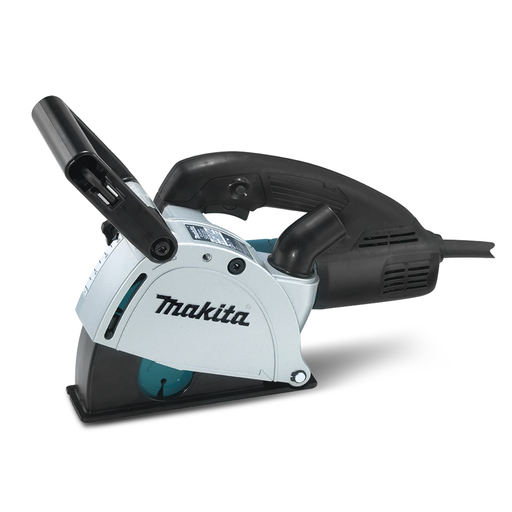
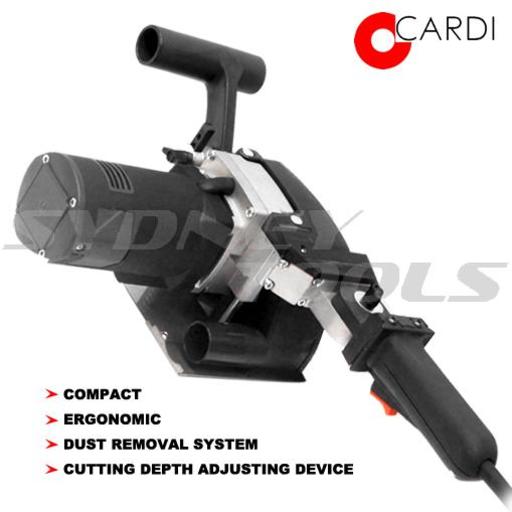
Wall chasers are power tools used by tradespeople to cut narrow channels or grooves into walls, concrete and masonry for the installation of conduit, cables, pipes and services. These tools create uniform cuts with dual diamond blades or disc pairs for controlled removal of material ahead of wiring or plumbing runs.

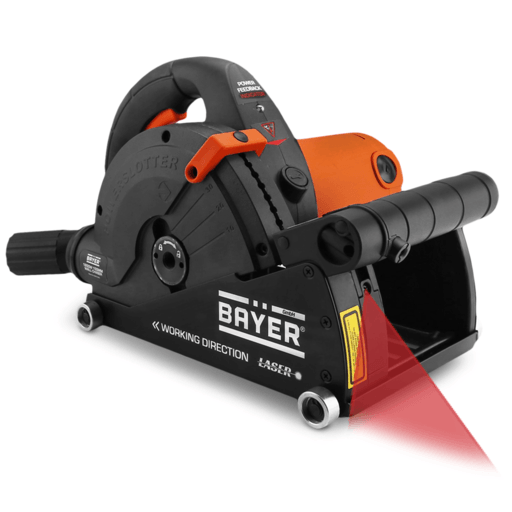
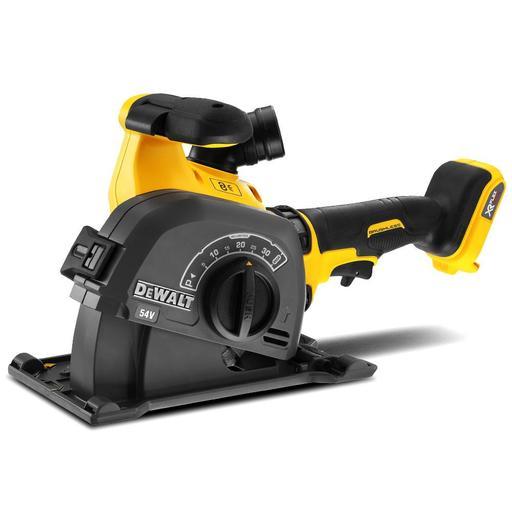


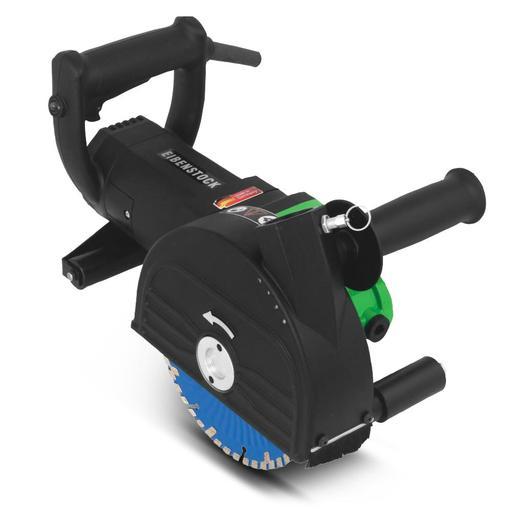

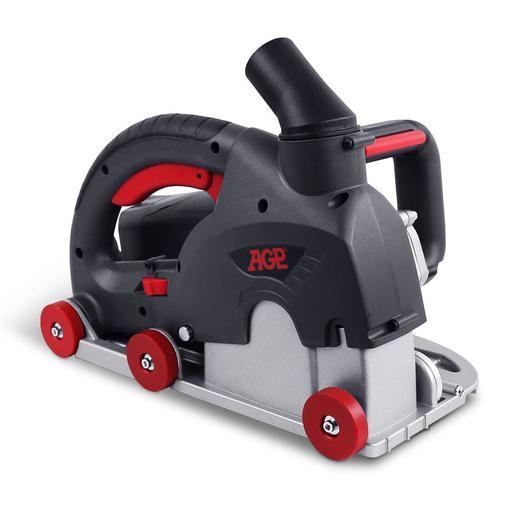




Typical Uses for Wall Chasers on Site
Wall chasers are used when electricians and installers need to form straight, consistent channels for embedding electrical conduit, cable runs or other services into solid surfaces prior to plastering or finishing. They support accurate depth and alignment control, reducing manual chiselling efforts and improving productivity.
Key Design and Performance Attributes
When selecting a wall chasing machine, consider these key design and performance attributes:
- Blade Spacing Adjustability: controls channel width for different conduit/cable sizes
- Depth Adjustments: ensures precise material removal and consistent channel depth
- Power Output: powerful motors maintains cutting performance in concrete, brick and masonry
- Dust Extraction: with Dust Extraction Shrouds & Cutting Guards you can reduce debris, improve visibility, and keep job sites cleaner. With either H Class, L Class or M Class Vacuum Cleaner Dust Extractors.
- Durable Housing: built to handle tough job site conditions and heavy use
- Ergonomic Design: better control, reduced fatigue, and safer operation
Safe Use and Ongoing Care Practices
Safety and care practices include:
- Choose the right tool – ensure the wall chaser is rated for the material (concrete, brick, masonry) and required cutting depth
- Prepare the work area – clear obstructions, secure surroundings, and maintain stable footing before starting
- Wear PPE – always use eye, ear, and respiratory protection to guard against dust, noise, and debris
- Inspect before use – check blades for wear or damage and confirm guards are properly fitted
- Maintain dust management – keep dust ports clear and use extraction systems where possible
- Keep guards clean and functional – ensures safety and optimal cutting performance
- Store properly – place the tool in a protective case to prevent damage when not in use
- Follow manufacturer maintenance guidelines – regular servicing helps extend tool life and maintain performance
Why Buy Wall Chasers from Sydney Tools
Here at Sydney Tools we offer a wide range of wall chasers and compatible diamond blades suited to electrical, construction and renovation tasks requiring conduit and cable channel preparation. With competitive pricing and access to in-store and online support to help customers choose the right wall chaser configuration for precise channel cutting work. Whether you're after wall chasers or diamond core drill bits & sets we have them all here, your one stop shop.
Frequently Asked Questions (FAQs)
What channel widths and depths can wall chasers typically cut for electrical conduit installation?
Most wall chasers offer adjustable channel widths from around 6 mm to 40 mm+ and cutting depths up to 30–50 mm, depending on the model.
How does dust extraction integration influence operator comfort and site cleanliness?
Integrated dust extraction significantly reduces airborne dust, improving visibility, breathing conditions, and cleanup time. It also helps maintain compliance with workplace safety standards.
Are there blade types better suited for concrete versus masonry surfaces?
Yes. Diamond blades are standard, but:
- Segmented blades suit aggressive cutting in concrete
- Turbo or continuous rim blades are better for smoother cuts in brick and softer masonry
Do wall chasers require different cutting speeds for varied building materials?
Generally, yes. Harder materials (concrete) require slower, steady passes, while softer materials (brick/plaster) can be cut faster. Let the tool do the work to avoid forcing the cut.
What indicators show when a blade should be replaced rather than continued use?
Signs include reduced cutting efficiency, excessive vibration, uneven cuts, visible wear, or damaged segments. Continuing with worn blades can strain the motor and reduce safety.
How should surface markings be transferred accurately to guide wall chaser cuts?
Use a chalk line, straight edge, or laser level to mark clear, straight guidelines. Double-check measurements before cutting to ensure alignment with conduit layouts.
Are there limitations when cutting near concealed services without detection tools?
Yes. Cutting without locating hidden electrical wires, plumbing, or gas lines is dangerous. Always use detection tools or plans before cutting to avoid serious hazards.
How do vibration levels affect cut precision and operator fatigue during extended use?
High vibration can lead to less precise cuts and increased fatigue. Tools with vibration control improve accuracy, comfort, and reduce long-term strain on the user.
What maintenance steps help prevent dust buildup in motor housing and guards?
Regularly clean air vents, dust ports, and guards, and use compressed air or a vacuum. Keeping components clear prevents overheating and extends tool life.
Can wall chasers be used effectively in damp or outdoor environments?
Yes, but with caution. Ensure the tool is rated for such conditions, use proper electrical safety (e.g., RCD protection), and avoid excessive moisture to prevent damage or hazards.
Find the Right Wall Chasing Tool Today
Recess your services with the speed and precision of professional-grade machinery. Browse our full range of wall chasers online or visit your nearest Sydney Tools store locations to find the perfect wall chasing machine for your kit


