
Login
Login
- Popular Categories
- Shop By Brand
- Tool Accessories
- Air Compressor
- Hand Tools
- Laser Levels
- Mechanical Workshop
- Pressure Washers
- Welding
- Chainsaws
- Lawn Mowers
- Whipper Snippers
- Categories
- Adhesives & Sealants
- Air Tools
- Diamond Tools
- Fans
- Fasteners
- Generators
- Ladders
- Lubricants & Chemicals
- Power Garden
- Safety Equipment
- Scaffold
- Silica Dust Solutions
- Storage
- Test - Measure - Locate
- Transportation & Lifting
- Vacuum & Dust Extractors
- Water Pumps
Electrical / Reciprocating Saw Blades
A reciprocating saw can cut through almost anything, but only if you've got the right blade fitted. Whether you're pulling out an old wall, trimming pipe, or cutting through timber with hidden nails, the right reciprocating saw blades make the job quicker and a whole lot easier.
Also known as recip saw blades or sabre saw blades, they're made for tough cutting jobs where access is limited and speed matters. Different blades are designed for different materials, so swapping to the right one can give you a cleaner cut, longer blade life, and far less effort on the tool.
From demolition work through to plumbing, electrical, and renovation projects, having a few different blades on hand means you're ready for whatever the job throws at you.

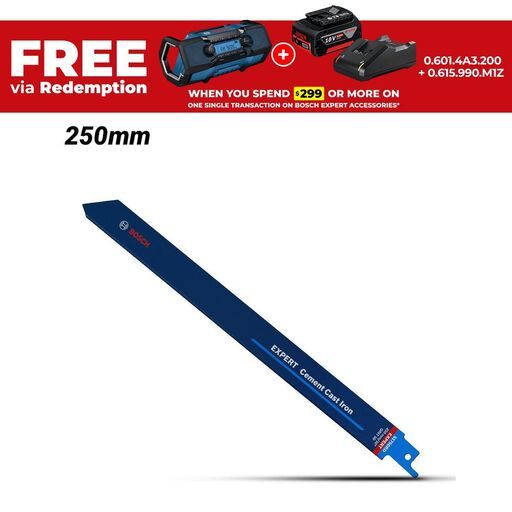
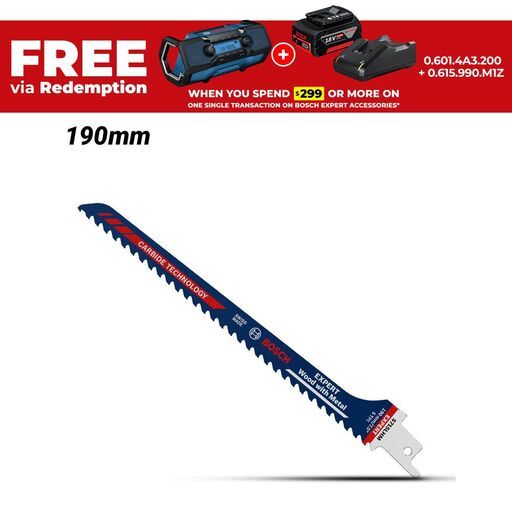


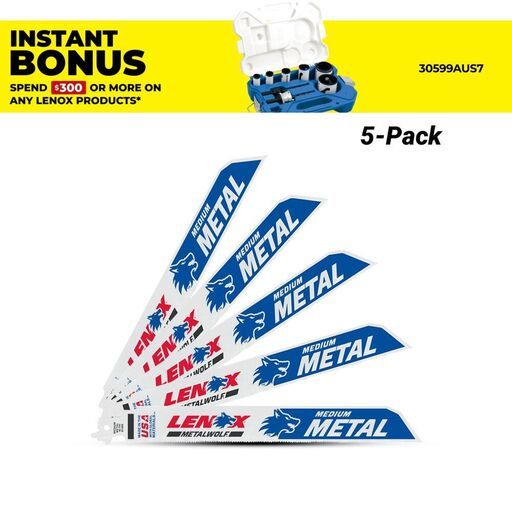


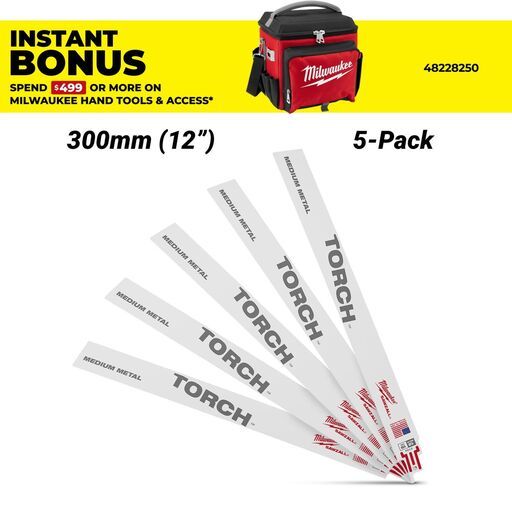
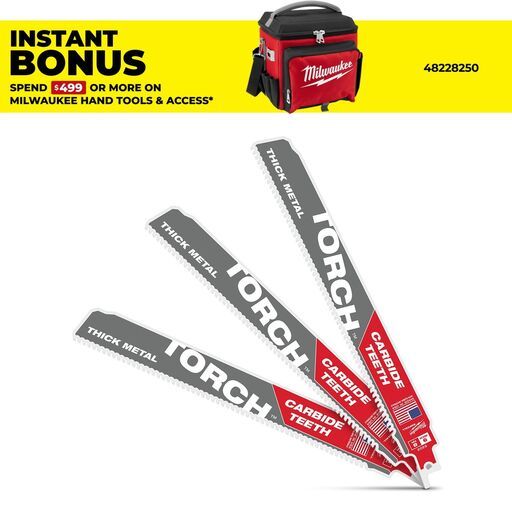


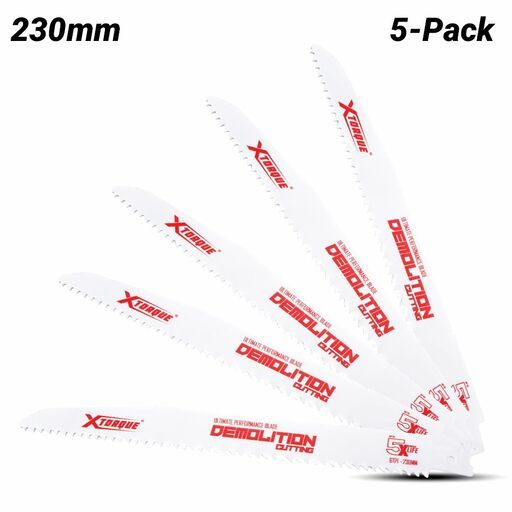


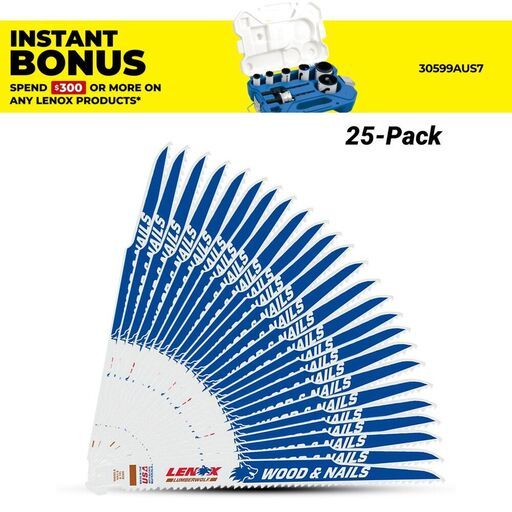

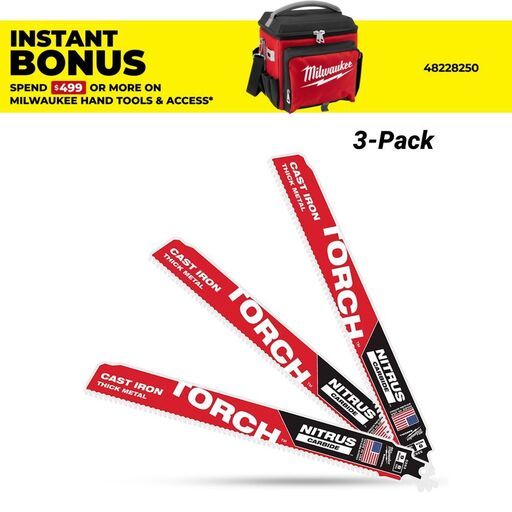
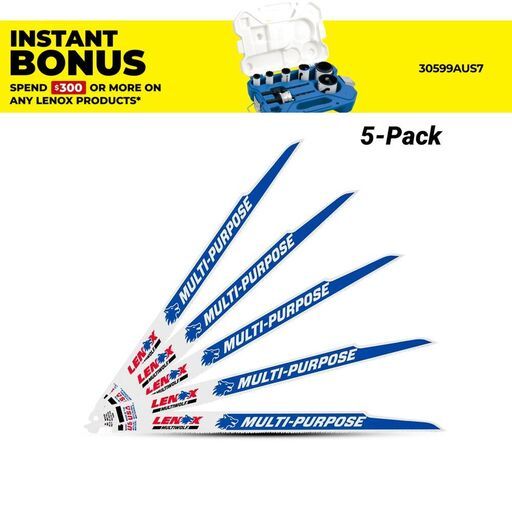
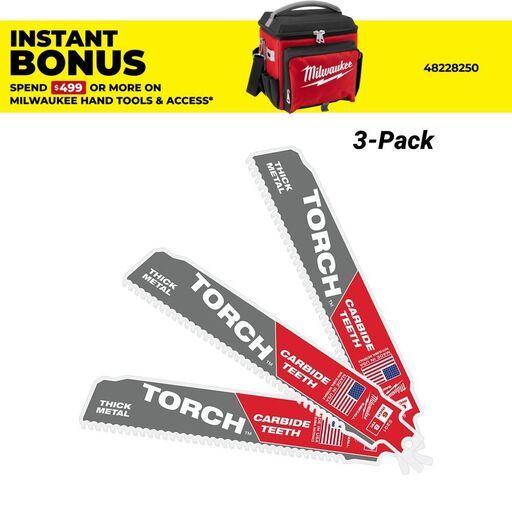
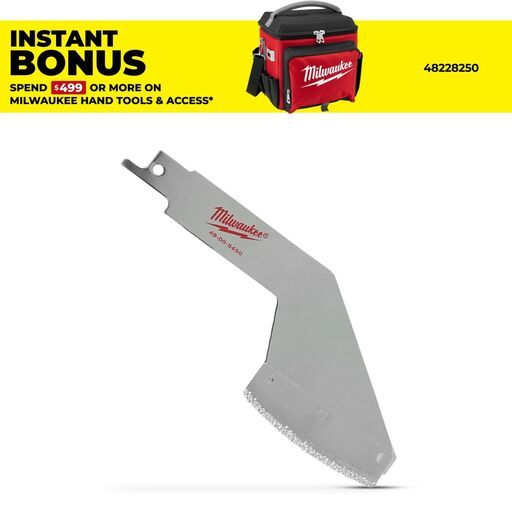
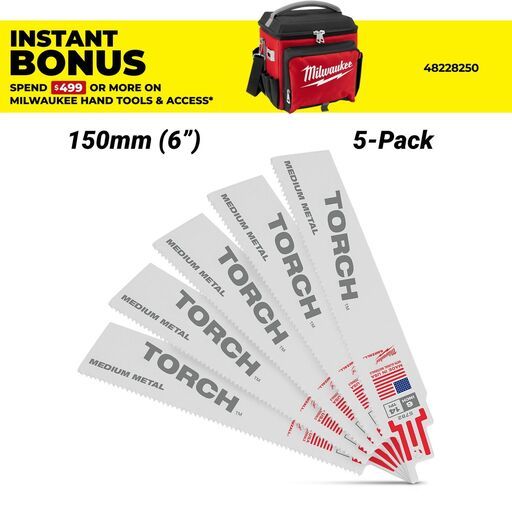
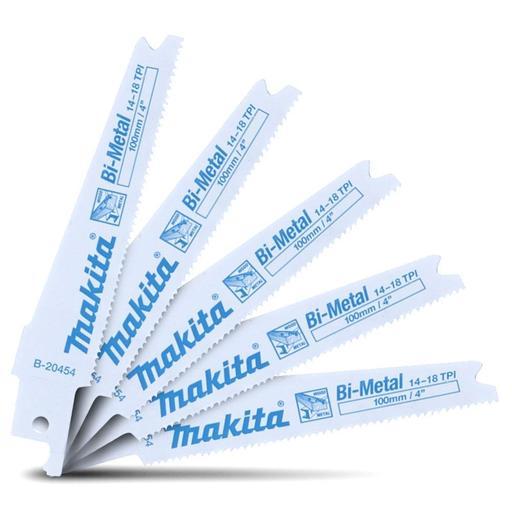


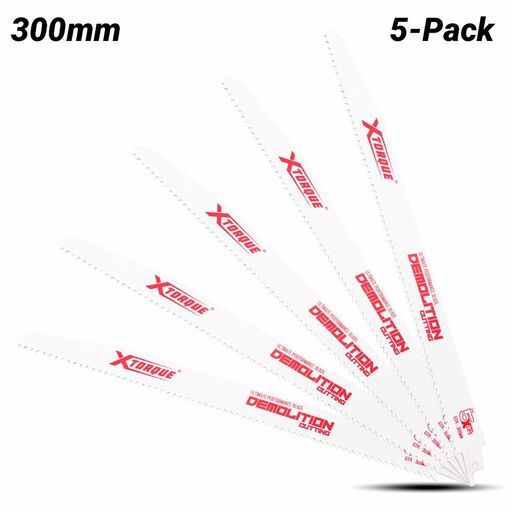
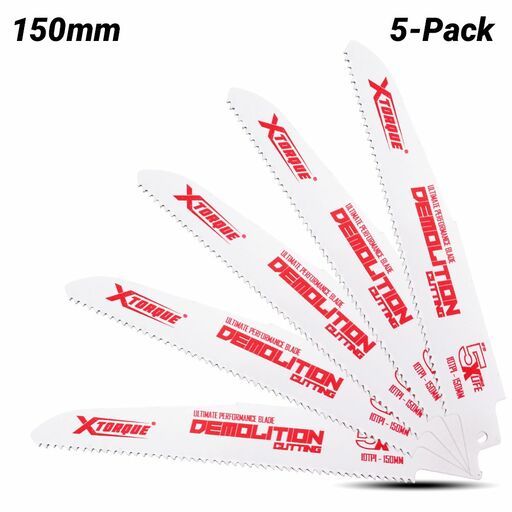
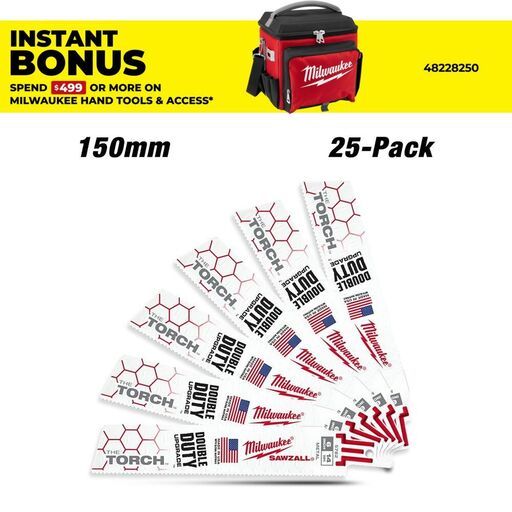
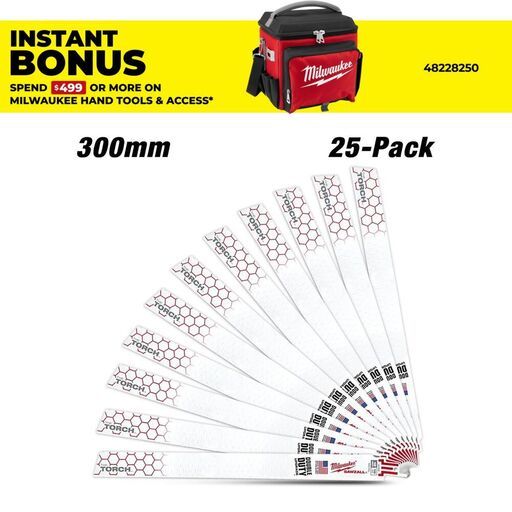
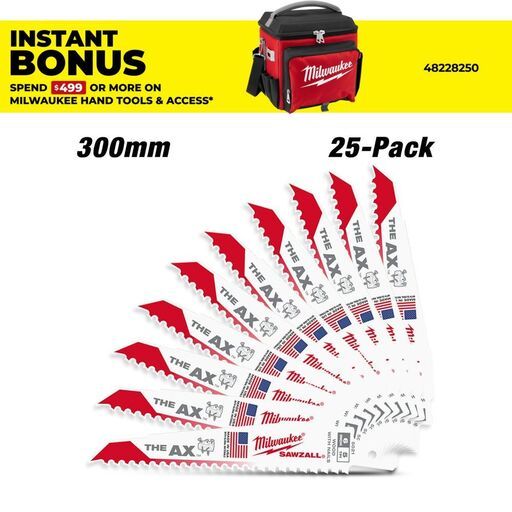
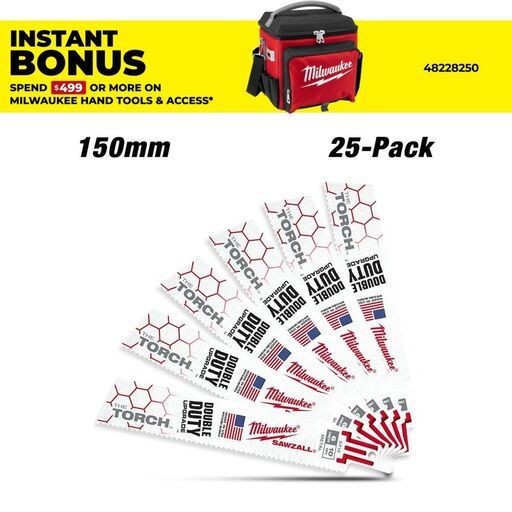
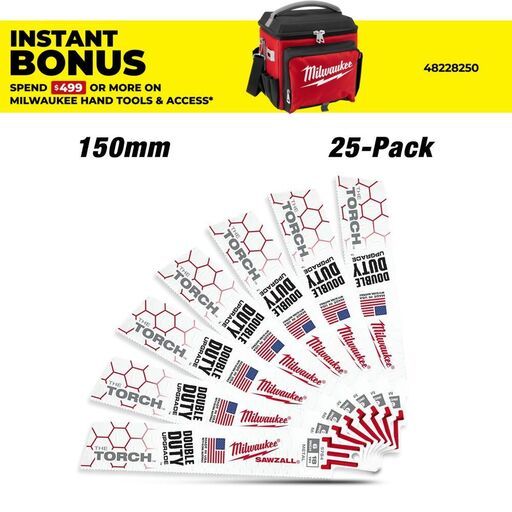
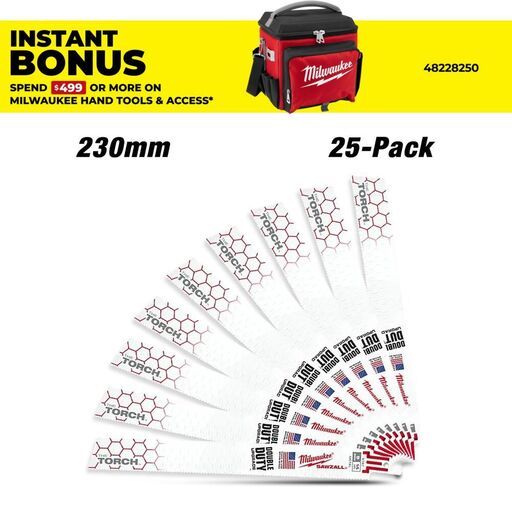


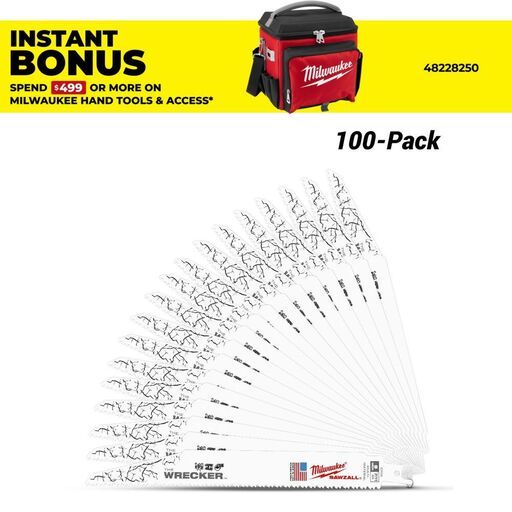
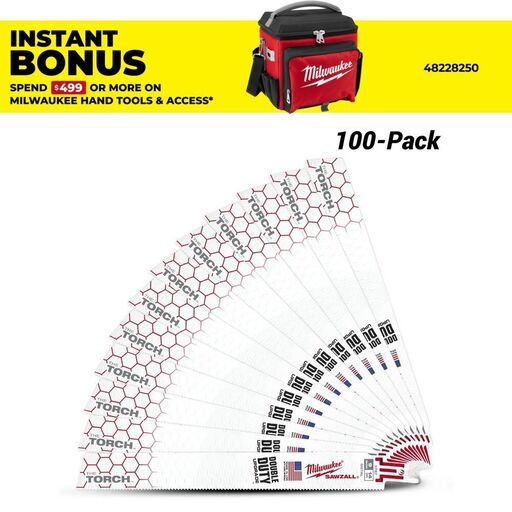
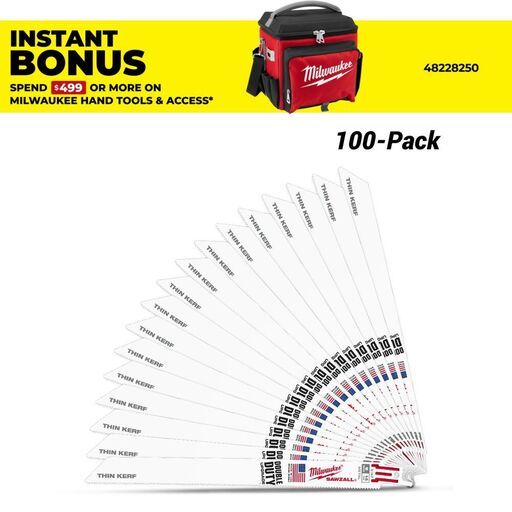

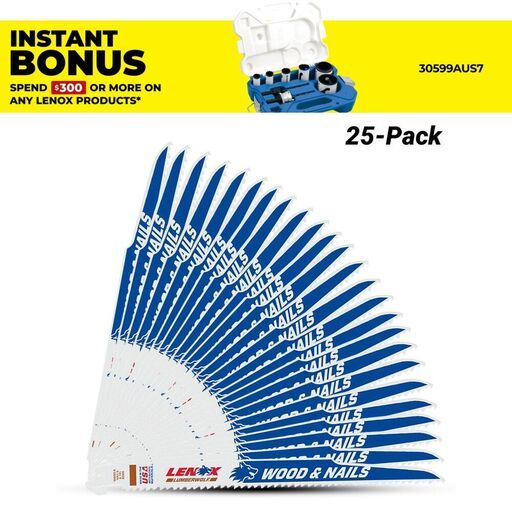

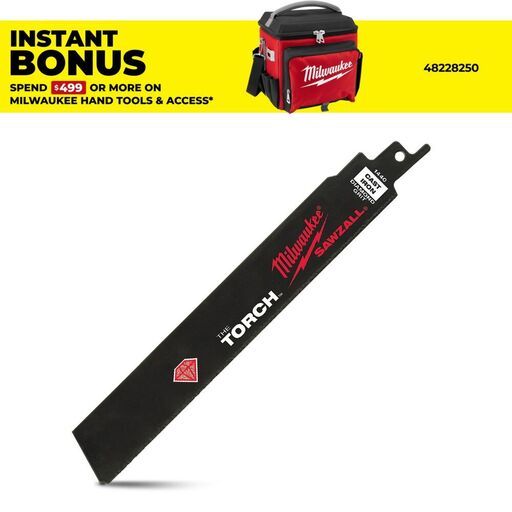

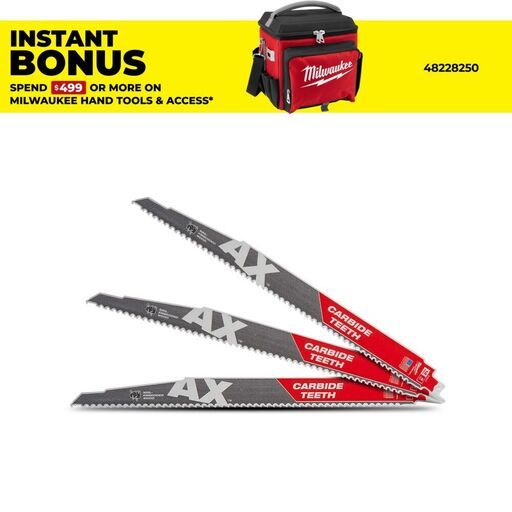
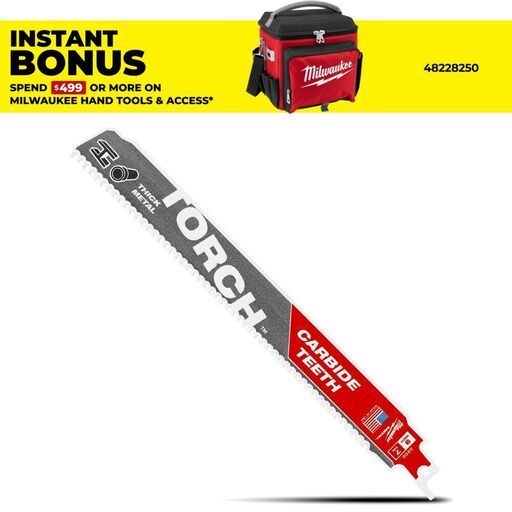

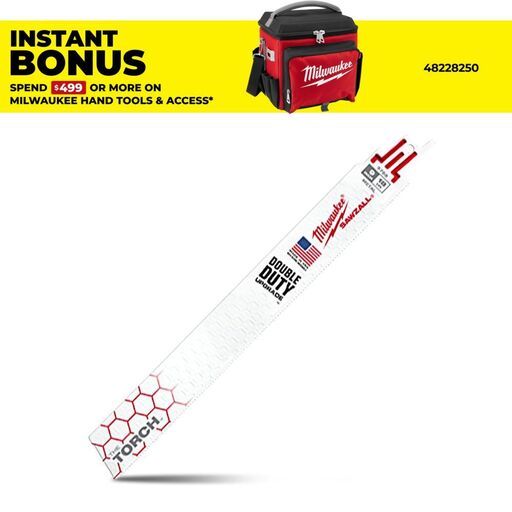

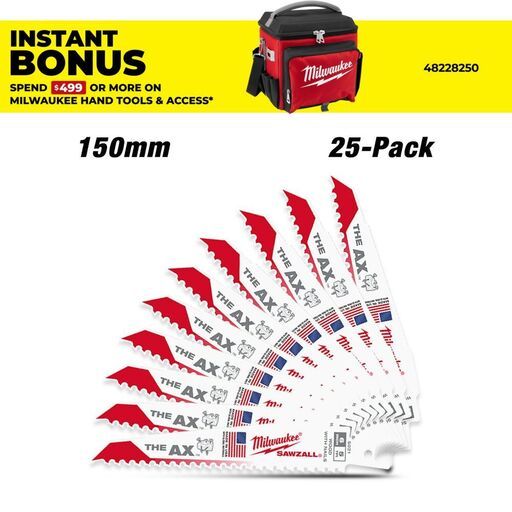
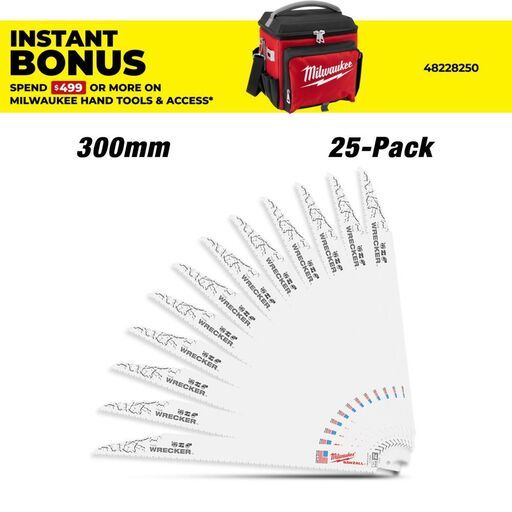
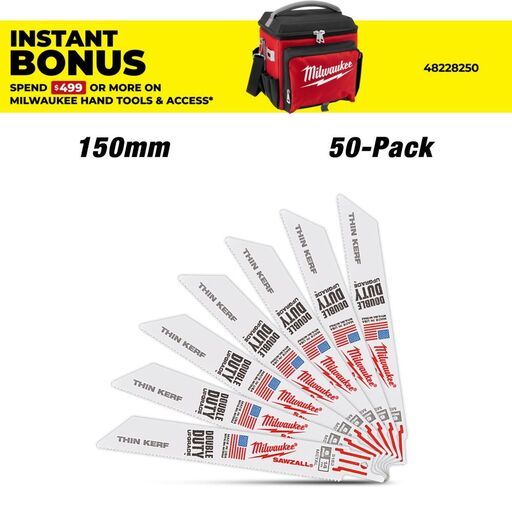
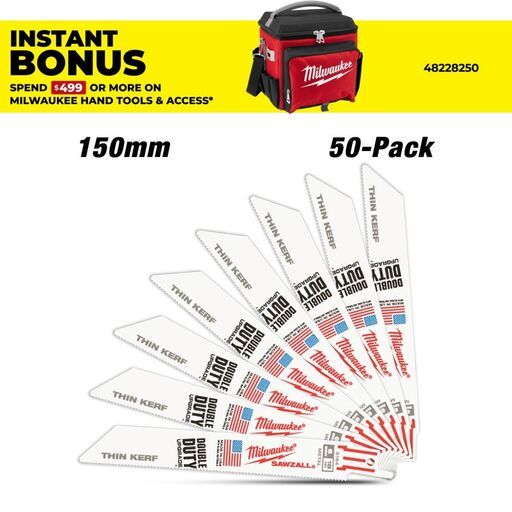
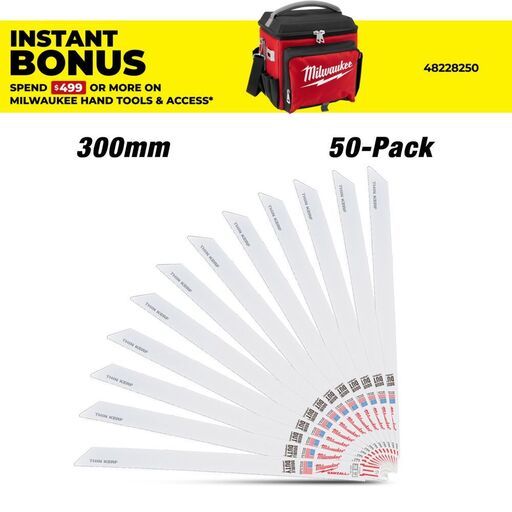
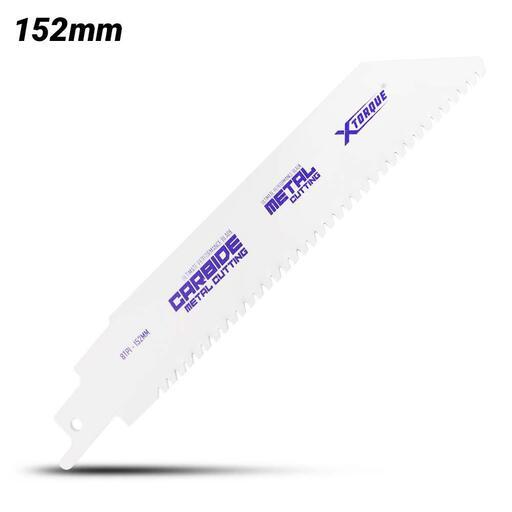
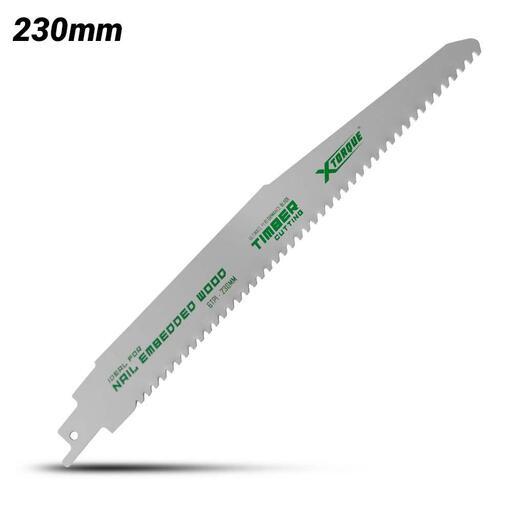
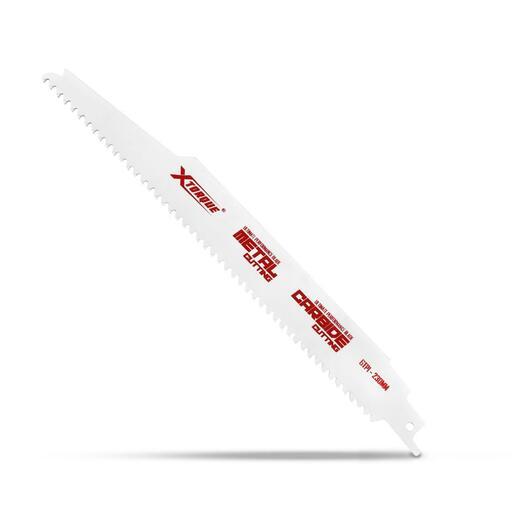

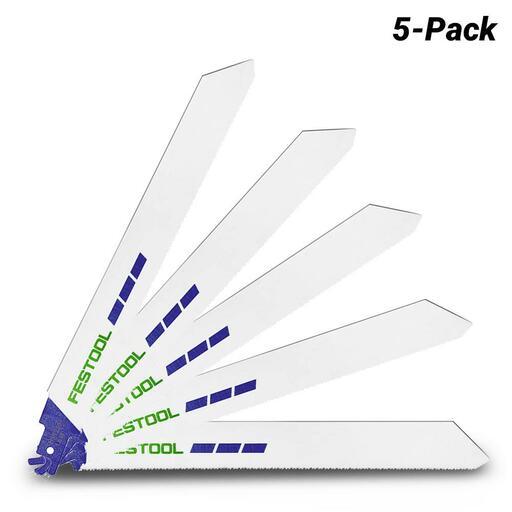
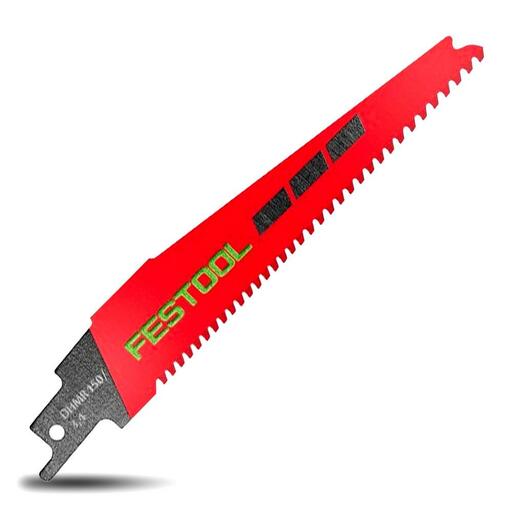
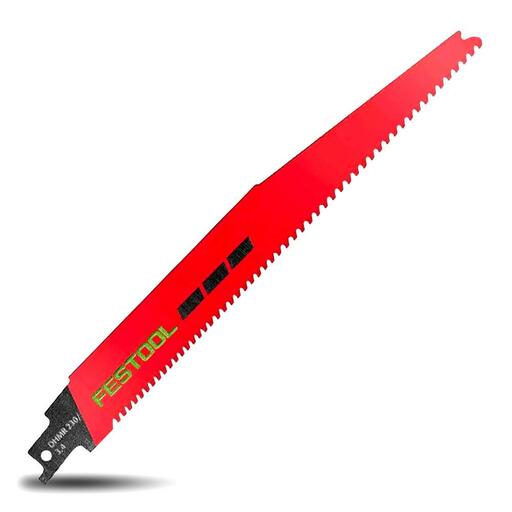
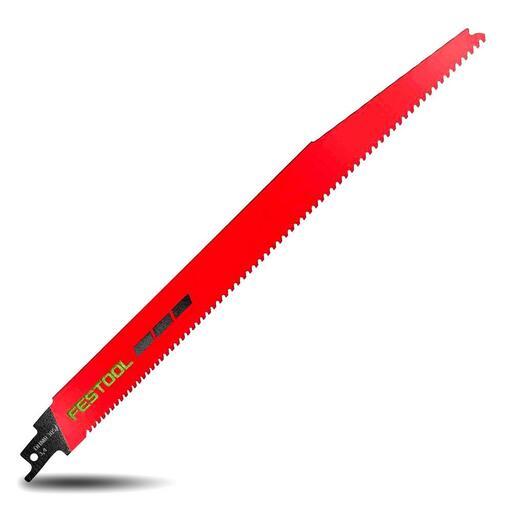
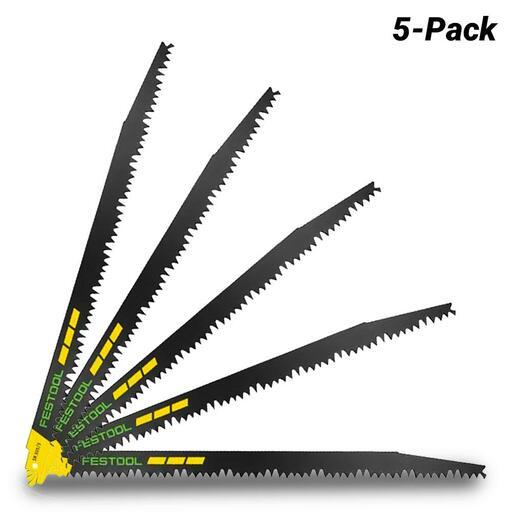
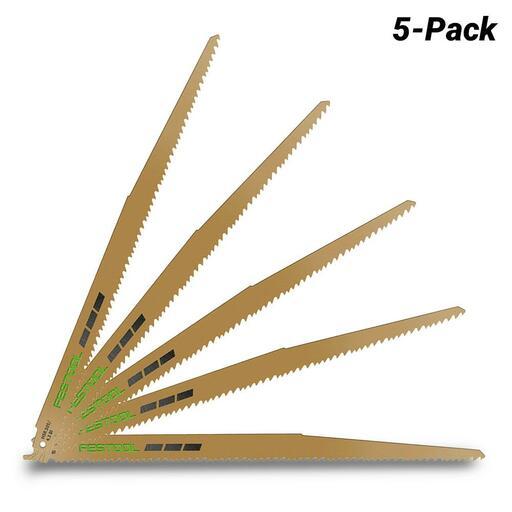
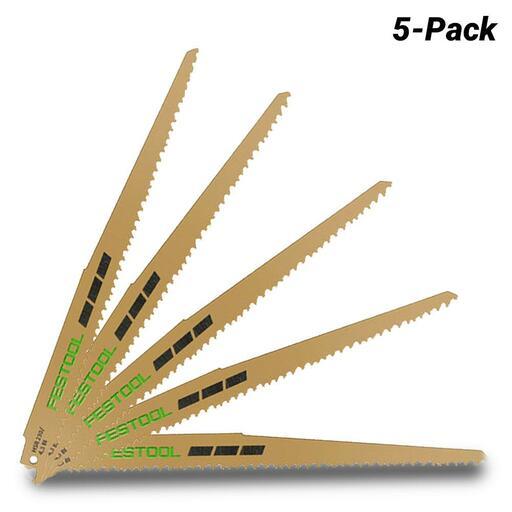


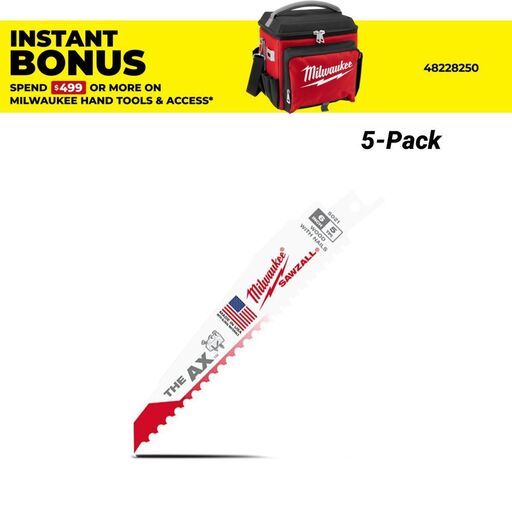
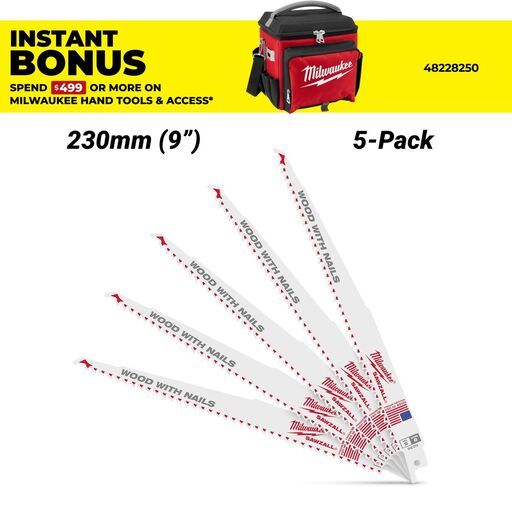
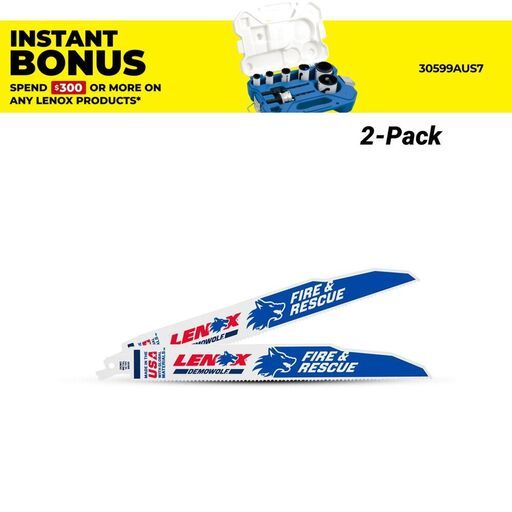
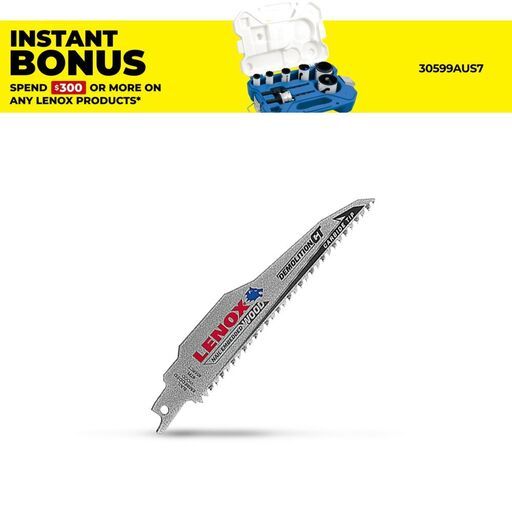
Built for the Jobs That Get Messy
A reciprocating saw is often the first tool out when it's time to cut, remove, or demolish something.
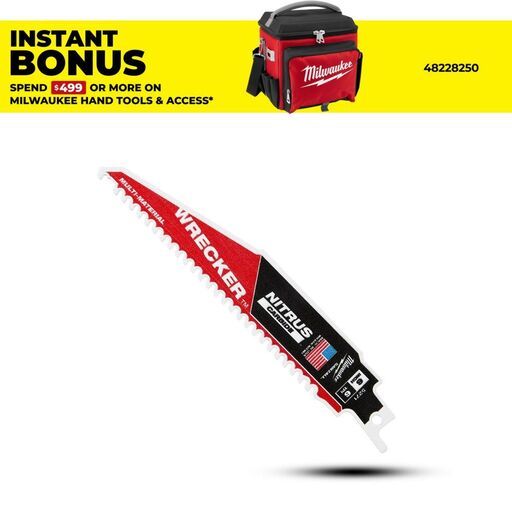
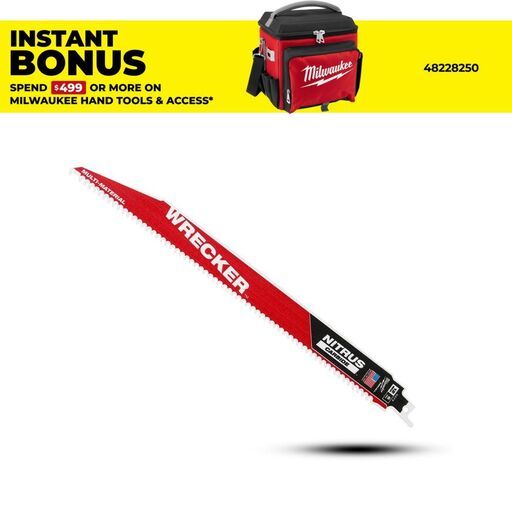
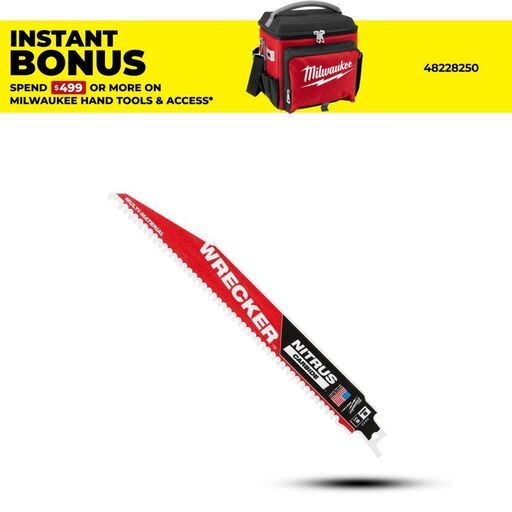
The right blade makes it easy to cut framing timber, PVC pipe, conduit, steel, tree branches, and even timber with nails hidden inside. Some blades are designed to get through demolition work quickly, while others leave a cleaner finish when accuracy matters a little more.
On site, they're regularly used alongside multi-tool blades, hole saws, and light weight TCT core bit accessories when a job calls for different types of cutting.
Picking the Right Blade
Using the right blade usually makes more difference than using a bigger saw. Carbon steel blades are ideal for timber and softer materials. Bi-metal blades are a popular all-round choice because they handle both timber and metal well. Carbide-tipped blades are built for tougher work and tend to last longer when cutting abrasive materials.
Some features worth looking for include:
-
Carbon steel, bi-metal, or carbide blades
-
Coarse and fine tooth options
-
Short and long blade lengths
-
Demolition and multi-material designs
-
Heavy-duty cutting performance
Matching the blade to the material helps the saw cut faster, vibrate less, and stay sharper for longer.
Getting More Life from Your Blades
A few simple habits can make a noticeable difference.
-
Use coarse teeth for fast timber cuts.
-
Choose finer teeth when cutting metal.
-
Don't force the saw through the material.
-
Use a blade that's longer than the cut.
-
Replace blades once they start slowing down.
Letting the blade do the work not only gives a better result, it also puts less strain on the saw itself.
Why Buy Reciprocating Saw Blades from Sydney Tools
Sydney Tools stocks a professional range of reciprocating saw blades for demolition, construction, plumbing, electrical, and general trade work. Whether you need a single replacement blade or a value pack to keep in the toolbox, you'll find quality options built for the way tradies work.
You can expect:
-
A wide range of reciprocating saw blades
-
Blades for timber, metal, demolition, and multi-material cutting
-
Trusted professional brands
-
Competitive pricing online and in store
-
Delivery and click-and-collect across Australia
The right blade can turn a difficult cut into a quick one, helping you get through more work with less effort.
FAQs
Are reciprocating saw blades universal or brand specific?
Most use a universal shank that fits the majority of reciprocating saw brands.
Which blade should I use to cut cast iron or steel pipe?
Carbide-tipped or heavy-duty metal cutting blades are generally the best choice.
What blade suits nail-embedded or reclaimed timber?
Bi-metal demolition blades are designed for cutting timber with embedded nails.
How do I stop a blade bending or snapping during a cut?
Use the correct blade length, avoid twisting the saw, and let the blade cut at its own pace.
Can I prune branches and cut green wood with a recip saw?
Yes. Pruning blades with coarse teeth are designed for cutting green timber and branches.
Are there blades for fibre cement, brick, or masonry?
Yes. Carbide-tipped blades are available for tougher, abrasive materials.
How long should a reciprocating saw blade last?
Blade life depends on the material, blade type, and how it's used.
Can a reciprocating saw blade be sharpened?
Most blades are designed to be replaced once they become worn.
What blade gives a clean plunge cut into plasterboard?
A fine or medium-tooth blade provides better control for plunge cutting.
Do value packs include different blade types?
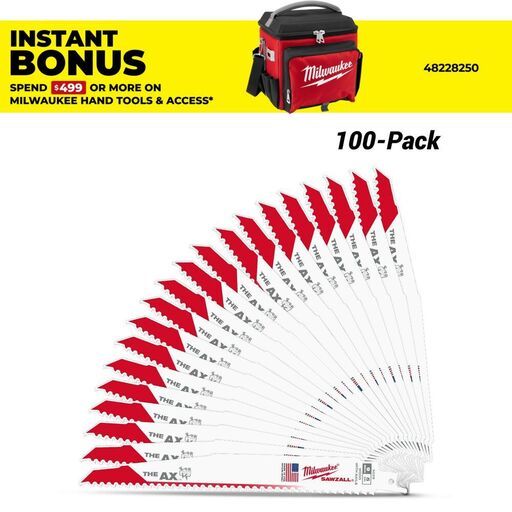
Many do, making them a practical option if you regularly cut a variety of materials.
Find the Right Reciprocating Saw Blades Today
From quick demolition jobs to everyday site work, the right blade makes every cut easier. Browse the range online or visit your nearest Sydney Tools store for practical advice and quality reciprocating saw blades built for trade use.


