
Login
Login
- Popular Categories
- Shop By Brand
- Tool Accessories
- Air Compressor
- Hand Tools
- Laser Levels
- Mechanical Workshop
- Pressure Washers
- Welding
- Chainsaws
- Lawn Mowers
- Whipper Snippers
- Categories
- Adhesives & Sealants
- Air Tools
- Diamond Tools
- Fans
- Fasteners
- Generators
- Ladders
- Lubricants & Chemicals
- Power Garden
- Safety Equipment
- Scaffold
- Silica Dust Solutions
- Storage
- Test - Measure - Locate
- Transportation & Lifting
- Vacuum & Dust Extractors
- Water Pumps
Electrical / Kincrome Hand Tools & Accessories / Cutting Pliers
Cutting pliers are built for clean, controlled cuts across a range of materials. Wire, cable, or small fasteners, they handle it with minimal effort. The leverage built into the design does most of the work, which means you are not forcing the tool just to get through a cut.
They are a staple across electrical work, assembly, and general maintenance. Anywhere a clean finish matters, cutting pliers tend to be close by. Whether you are trimming cable ends or cutting wire back to size, a reliable pair helps keep the job neat and consistent from start to finish.
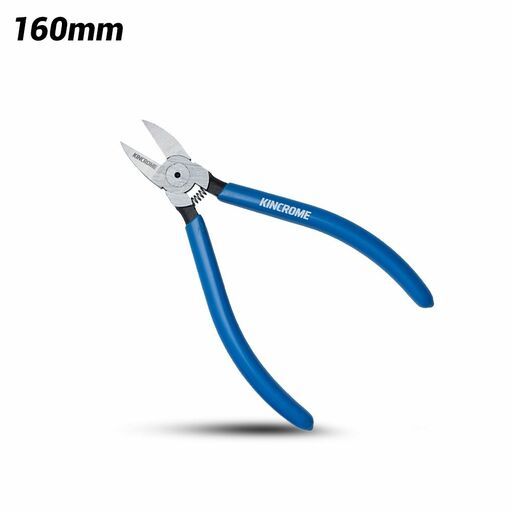
Specialised Cutting for Electrical and Data Trades
On site, cutting pliers rarely stay in the toolbox for long. Trimming cable ties, cutting copper, or cleaning up wiring runs, they get used constantly throughout the day.
Side cutters are especially handy when space is limited. They let you get in close without shifting other components around. You will see them used in switchboards, automotive electrical work, and data racks where access is tight and accuracy matters.
For tougher materials, metal cutting pliers take over. They are built to handle thicker conductors and harder wire where lighter tools start to struggle. This helps avoid damaging the tool while still getting a clean result.
They also come into play for finer work. A clean cut makes terminations easier, improves fit, and reduces the need to go back and tidy things up later.
Cutting pliers are often used alongside long nose pliers, combination pliers, circlip pliers, and plier sets when working across different tasks.
Edge Geometry and Metallurgical Standards
The type of cutting edge makes a noticeable difference.
Flush-cut edges leave a flat, clean finish, which suits electronics and detailed work. Semi-flush and bevelled edges are stronger and better suited to general use where durability is more important than appearance.
Most cutting pliers are made from hardened steel such as chrome vanadium. This helps the cutting edges stay sharp and hold up under regular use.
High-leverage designs also improve usability. A well-placed pivot increases cutting force without increasing effort, which makes a difference when working with thicker wire.
For electrical applications, insulated handles are worth considering. VDE-rated cutting pliers add an extra level of protection when working near live circuits.
Edge Alignment and Hinge Maintenance
Keeping cutting pliers in good condition is simple, but it makes a difference over time.
-
Avoid cutting beyond the tool’s rating
-
Check edges for chips or notches
-
Keep the pivot clean and lightly lubricated
-
Make sure the blades close evenly
-
Inspect handles for wear or damage
Using the tool on materials it was not designed for will wear the edges quickly. Once the blades are notched, cuts become rough and less predictable.
A small amount of lubricant in the hinge keeps the action smooth. Keeping the head clean also helps prevent rust and extends the life of the tool.
Why Buy Cutting Pliers from Sydney Tools
Sydney Tools stocks a wide range of cutting pliers suited to trade and workshop use. Whether you need compact side cutters for detail work or heavier options for tougher materials, there are tools to match.
You can expect:
-
A solid range of cutting pliers
-
Options for light and heavy-duty work
-
Durable construction for regular use
-
Competitive pricing online and in store
-
Helpful advice when you need it
With the right tool in hand, cutting becomes quicker, cleaner, and more consistent.
FAQs
What is the difference between a flush cut and a bevelled cut?
A flush cut leaves a flat finish. A bevelled cut is stronger and better suited to general work.
Can standard side cutters handle hardened piano wire?
No, harder materials require specialised cutting tools.
How does a high-leverage design help?
It reduces the effort needed to cut thicker materials.
Are insulated cutting pliers required for electrical work?
They are recommended when working near live circuits.
What is the benefit of an angled head?
It improves access in tight or awkward spaces.
How do I know if the cutting edges are worn?
Look for chips, notches, or uneven cuts.
Are there pliers designed for cutting plastic only?
Yes, some are made specifically for softer materials.
What size wire can compact side cutters handle?
It depends on the tool’s rating and design.
Does finish affect corrosion resistance?
Yes, coatings help protect against rust.
Why should cutting pliers not be used as a hammer?
It can damage the tool and affect cutting performance.
Find the Right Cutting Pliers Today
Get clean, reliable cuts every time. Browse the range online or visit your nearest Sydney Tools store for practical advice and dependable hand tools.


