
Login
Login
- Popular Categories
- Shop By Brand
- Tool Accessories
- Air Compressor
- Hand Tools
- Laser Levels
- Mechanical Workshop
- Pressure Washers
- Welding
- Chainsaws
- Lawn Mowers
- Whipper Snippers
- Categories
- Adhesives & Sealants
- Air Tools
- Diamond Tools
- Fans
- Fasteners
- Generators
- Ladders
- Lubricants & Chemicals
- Power Garden
- Safety Equipment
- Scaffold
- Silica Dust Solutions
- Storage
- Test - Measure - Locate
- Transportation & Lifting
- Vacuum & Dust Extractors
- Water Pumps
Electrical / Flood Lights
Flood lights are powerful, wide-beam illumination tools used by tradespeople, technicians and site teams to light large work areas, job sites and outdoor environments during construction, maintenance or inspection work. These lighting devices provide broad coverage and high light output to improve visibility and safety in low-light conditions. Whether you are illuminating a structural discovery or a late-shift installation, a high-performance led floodlight is a fundamental signature of a productive site.


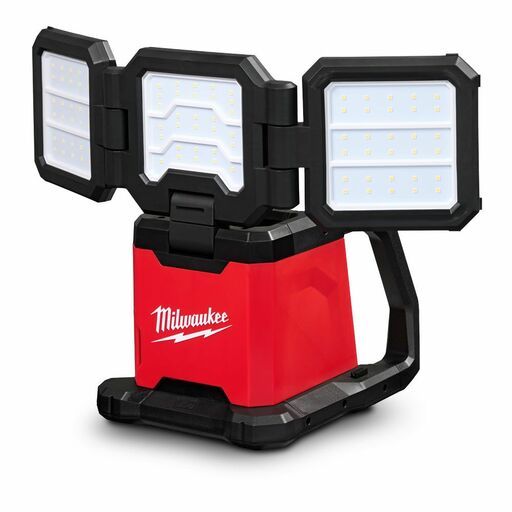


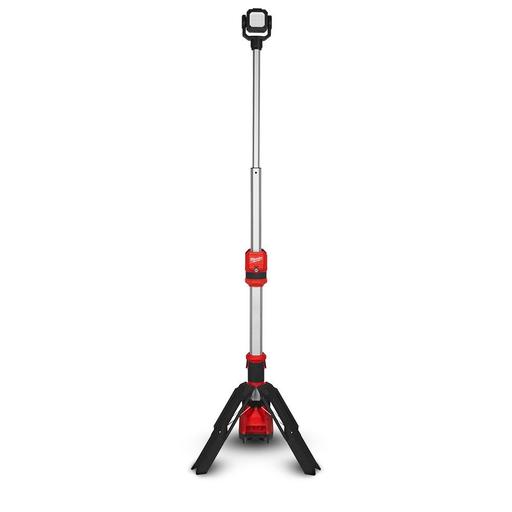


Common Uses for Flood Lights on Site
Flood lights are used when electricians, builders, plumbers and site crews need to illuminate work zones, building exteriors, yards, staging areas or confined internal spaces with limited ambient lights. These fixtures support safer, more productive work by reducing shadows and highlighting hazards or details in areas where natural light is insufficient.
Key Design and Functional Attributes
When selecting flood lights key design and functional attributes help ensure reliable performance, safety, and consistent illumination in demanding environments.
- Lumen Output: Determines the brightness of the light. A portable floodlight with 1,000–3,000 lumens is suitable for confined discovery, while high-output units (8,000+ lumens) are best for wide work zones.
- Low lumen output (1,000–3,000 lumens): Suitable for smaller tasks or confined areas.
- Medium output (3,000–8,000 lumens): Effective for general job-site lighting.
- High output (8,000+ lumens): Best for illuminating wide work zones or large outdoor areas.
- Beam Spread: Refers to how wide the light disperses from fixture.
- Wide beam angles (90°–120°): Ideal for lighting large workspaces.
- Narrower beams (30°–60°): Useful for directing light at specific work zones.
- Colour Temperature: Measured in Kelvin (k), affects how accurate colours appear under the light.
- 4000K (Neutral White): Balanced light suitable for most construction tasks.
- 5000K–6500K (Daylight): Crisp, bright lighting that improves visibility and colour recognition.
- Power Source: Flood lights are available in several power options. Corded, reliable for continuous operation where power outlets are available. Rechargeable batteries are portable and convenient for temporary setups to be easily moved alongside other mobile equipment such as LED work Lights. A battery powered flood light with replaceable cells is ideal for quick swaps during extended shifts.
- Adjusted Stands: Many flood lights feature adjustable stands, tripods, or mounting brackets that allow users to direct light exactly where it is needed. Beneficial for improving lighting coverage when working at elevation with extension ladders or platform ladders.
- Durable Construction: Rugged construction ensures that flood lights remain operational even in harsh environments, maintaining consistent lighting for teams working with various tools and communications devices like handheld radios.
Safe Use and Ongoing Care Practices
Flood Light safety and care includes:
- Setup and Operation: ensure positioned on a stable level surface or mounted on a stand or tripod. Lights should be angled to illuminate the work area without causing glare that could affect workers.
- Routine Inspection and Maintenance: regular checks to identify issues before they affect performance, maintenance should involve examining housing or impact damage, ensure durable stanks, brackets and mounts, check lED panels and lenses are clean and unobstructed, verifying switches and controls function correctly.
- Cleaning and Storage: removing all dust,debris and moisture can reduce lighting efficiency and shorten equipment lifespan. Cleaning should be carried out periodically using a dry cloth or lightly damp cloth while the unit is powered off.
Why Buy Flood Lights from Sydney Tools
Here at Sydney Tools we offer a range of flood lights suited to electrical, construction, maintenance and workshop lighting needs. Competitive pricing and access to in-store and online support to help customers choose the right flood light for reliable and effective job site illumination.
Frequently Asked Questions (FAQs)
What lumen output range should I consider for illuminating large construction zones?
For large construction areas, flood lights with 8,000 to 20,000+ lumens are typically suitable for providing wide, bright coverage.
How does colour temperature affect visibility and task performance on job sites?
- 4000K (Neutral White): Balanced lighting suitable for general work.
- 5000K–6500K (Daylight): Brighter, cooler light that improves clarity and contrast.
Are rechargeable flood lights as effective as corded models for extended work periods?
Rechargeable flood lights offer excellent portability and flexibility, making them ideal for areas without easy access to mains power. However, corded flood lights may be better suited for continuous operation during long shifts, as they provide consistent power without needing recharging.
What IP ratings indicate suitability for outdoor or damp environments?
An IP (Ingress Protection) rating indicates how well a device resists dust and water.
- IP44: Basic protection against splashes and dust.
- IP65: Dust-tight and resistant to water jets, suitable for outdoor use.
- IP67: Provides protection against temporary immersion in water.
How do adjustable stands or mounting options enhance flood light flexibility?
Flood lights with adjustable stands, tripods, or mounting brackets allow users to control the direction and height of the light.
Can flood lights be linked together to expand coverage in larger areas?
Some flood light models support daisy-chaining or linking multiple units together, allowing users to expand lighting coverage across larger workspaces.
What safety measures help prevent glare or light spillage into adjacent work zones?
To reduce glare and unnecessary light spill:
- Angle lights slightly downward toward the work surface.
- Position lights behind or above workers rather than directly in front of them.
- Use diffusers or shields where available.
How should cables be routed to reduce trip hazards in illuminated areas?
Safe cable management is important on busy job sites:
- Route cables along walls or edges of work areas where possible.
- Use cable covers or protective mats across walkways.
- Secure cords with clips or tape to prevent movement.
What maintenance steps help prolong the life of flood light components?
Regular maintenance supports long-term reliability. Recommended steps include:
- Cleaning lenses and housings to remove dust and debris.
- Inspecting power cords, plugs, and switches for wear.
- Checking stands, mounts, and fasteners for stability.
- Storing lights in dry, protected environments when not in use.
Are there accessories that improve portability or storage for flood lights?
Yes, several accessories can enhance convenience and organisation, including:
- Tripod stands or mounting brackets for flexible positioning
- Protective carrying cases for transport and storage
- Cable reels or organisers for managing power cords
- Magnetic bases or clamps for temporary mounting
Find the Right LED Floodlight Today
Brighten your job site with the precision and power of professional lighting. Browse our full range of flood lights online or visit your nearest Sydney Tools store locations to find the perfect rechargeable flood light for your kit.


